

Cutting back on caffeine shouldn’t mean sacrificing the cup you look forward to each morning. Decaf drinkers who care about chemical-free processing tend to gravitate toward the Swiss Water method, a technique that strips caffeine using only water and gentle filtration, leaving the bean’s natural flavor compounds mostly intact. This roundup walks you through ten thoughtfully chosen options, from single-serve pods to whole-bean bags, so you can find a cup that fits your taste, your routine, and your brew setup without the chemical residue concerns.
A Closer Look At The Lineup

Boxer Coffee Swiss Water Decaf Caramel Pods 48ct

Peet’s Coffee Decaf House Blend K-Cup Pods 10ct
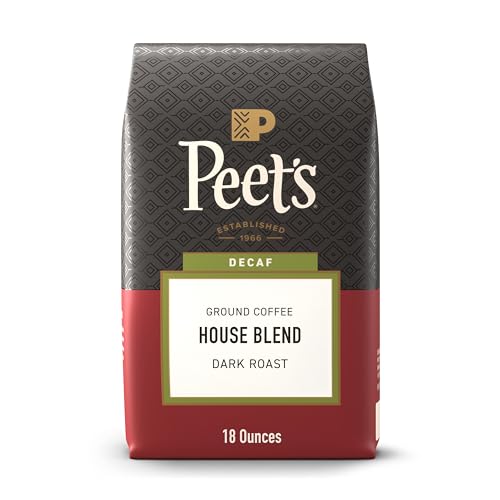
Peet’s Decaf House Blend Ground 18oz

Starbucks Decaf Caffè Verona Ground 6 x 12oz

Tim Hortons Decaf Medium Roast K-Cups 24ct

Seattle’s Best Decaf Portside Ground 6 x 12oz

Danger Coffee Whole Bean Medium Roast 10.9oz

Tim Hortons Decaf Medium Roast Ground 72oz

Danger Coffee Swiss Water Decaf Ground 10.9oz
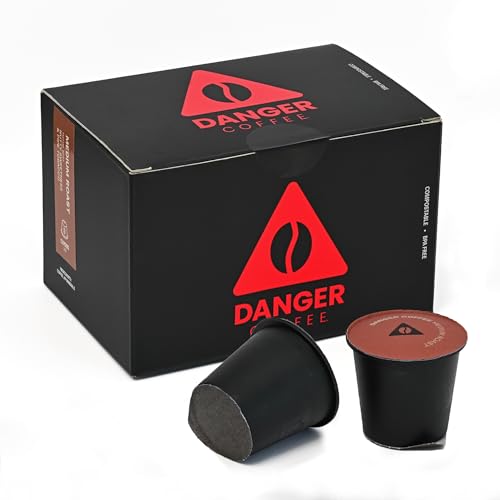
Danger Coffee Compostable Pods Medium Roast 12ct
A Closer Look At Each Pick
These caramel-flavored Keurig-compatible pods bring something different to a decaf lineup, layering a buttery, dessert-style sweetness onto Swiss Water processed beans. The 48-count recyclable box trims how often you reorder, which suits an office break room or a household that burns through one or two cups a day.
You get a clean, rounded cup without chemical aftertaste, and the natural flavoring stays subtle rather than syrupy. You may find the brew runs slightly stronger than you expect, so dialing up to a larger cup size is an easy fix when a milder cup is what you want.
The Value In It
- Natural caramel flavoring delivers a dessert-leaning cup without chemical aftertaste.
- Swiss Water processing preserves the bean’s natural character.
- 48-count recyclable box reduces packaging waste and reorders.
- Compatible with standard Keurig brewers for fast morning routines.
- Specialty-grade bean selection supports a cleaner, more layered profile.
Things To Consider
- Flavor may be bolder than you expect at the default brew size.
- Caramel notes might not appeal to drinkers who prefer plain decaf.
Built With In Mind
Flavored-coffee enthusiasts who run a Keurig and want a Swiss Water decaf that tastes like a treat.
A Better Fit Elsewhere
Stick with the Peet’s Decaf House Blend K-Cup Pods 10ct when you want a traditional unflavored dark-roast cup.
Peet’s has spent decades building a dark-roast reputation, and this Decaf House Blend brings that signature style to a Keurig-ready pod. The single-serve format is perfect for the half-caff mindset, the evening cup, or shared households where one person avoids caffeine and the other doesn’t.
Each pod is built around 100% Arabica beans, and the deep roast pulls out a sweet, satisfying body. Depending on your Keurig model, brew strength can vary, so experiment with the strong setting if the default cup feels thin.
Why It Works Well
- Backed by a long-established roaster with a recognizable house style.
- 100% Arabica beans support a smoother, less bitter dark-roast profile.
- Pod format works with most Keurig single-serve brewers.
- Small pack size suits first-time samplers and occasional drinkers.
Worth Noting
- Smaller pack counts mean more frequent reorders than bulk options.
- Deep dark roast can read as bitter to drinkers who prefer milder profiles.
Key Specs
Right Fit For
Long-time Peet’s fans who want a familiar dark-roast decaf in a Keurig-friendly pod.
Where Another Pick Suits Better
Reach for the Boxer Coffee Swiss Water Decaf Caramel Pods 48ct when you want a flavored, lower-maintenance refill option.
For traditionalists who still run a drip machine or pour-over setup, this 18-ounce bag brings Peet’s signature dark-roast character to your regular routine. The grind sits in a versatile middle range, handling most paper-filter brewers without needing a separate grinder.
It’s the same flavor profile as the K-Cup version above, just in a format that rewards a slower morning. You may find the cup builds a richer mouthfeel when you stretch the brew time slightly, especially in a Chemex or Hario V60.
What Makes Sense
- Grind level suits drip, pour-over, and French press methods.
- Larger 18-ounce bag reduces the number of restocks.
- 100% Arabica base supports a balanced, sweet dark-roast cup.
- Works with virtually any home brewing setup.
Trade Offs
- Pre-ground format loses aroma faster than whole-bean alternatives.
- May need dose adjustment in finer-mesh pour-over filters.
Made For
Drip and pour-over drinkers who want a familiar Peet’s dark-roast decaf in a flexible ground format.
Not Your Match When
Look at the Danger Coffee Whole Bean Medium Roast 10.9oz if you grind fresh and want a different origin story.
The Caffè Verona blend is one of Starbucks’ most recognizable flavor profiles, and the decaf version keeps that full-bodied, cocoa-leaning character intact. A six-bag format means you can stash extras in the pantry without reordering every few weeks, which is a quiet win for steady decaf households.
You can brew it hot for a familiar after-dinner cup, or pour it over ice for a smoother, less bitter cold option. For most kitchens, the 12-ounce bag size is manageable to keep sealed and fresh between uses.
Where It Excels
- Six-bag pack keeps the pantry stocked for steady drinkers.
- Recognizable cocoa-and-caramel flavor profile carries over from café cups.
- Ground format is ready for drip, pour-over, and iced brewing.
- Works well for both hot and cold preparation methods.
Points To Note
- Once opened, ground coffee loses aroma faster than whole beans.
- Roast depth may overpower drinkers who prefer lighter profiles.
Quick Facts
Perfect Match For
Multi-cup households that want a recognizable dark-roast decaf on hand at all times.
Skip It When
The Peet’s Decaf House Blend Ground 18oz is a better single-bag alternative if you prefer to buy smaller quantities at a time.
Tim Hortons built its reputation on a mellow, smooth cup, and this decaf version carries that same easy-drinking profile into a Keurig-compatible pod. The medium roast keeps the cup approachable, so it works as an everyday drinker rather than a special-occasion coffee.
A 24-count box gives you enough pods to last through a couple of workweeks for solo drinkers, or a busy week for shared households. Pair it with a Keurig and you have a low-effort morning setup.
What It Does Well
- Smooth, balanced medium-roast profile suits most palates.
- K-Cup format plugs into standard Keurig brewers.
- 24-count box supports solo or small-household routines.
- Subtle flavor complements cream and sweeteners without disappearing.
Honest Caveats
- Mild profile may feel thin to drinkers who prefer bolder dark roasts.
- Caramel-forward or dessert-leaning drinkers might want a flavored alternative.
Best Suited To
Mild-flavor drinkers who want a familiar, mellow decaf that pairs with breakfast routines.
Look Elsewhere When
Boxer Coffee Swiss Water Decaf Caramel Pods 48ct is the better fit for anyone wanting flavored variety in pod form.
The Portside Blend sits in Seattle’s Best’s “smooth and approachable” lane, which makes it a friendly entry point for decaf drinkers who don’t want to think too hard about their cup. The six-bag pack offers a similar value to the Starbucks format above, often at a friendlier entry point for budget-aware shoppers.
The Latin American Arabica base keeps the cup rounded and consistent, with the brand’s recommended 2 tablespoons per 6 ounces of water working as a reliable starting ratio. You may find this cup takes milk and sweeteners especially well without losing its character.
Notable Upsides
- Smooth medium-roast profile suits a wide range of drinkers.
- 100% Latin American Arabica beans offer consistent flavor cup to cup.
- Six-bag pack lowers the per-cup cost for daily drinkers.
- Plays well with milk, cream, and sweetener additions.
A Few Limitations
- Pre-ground format won’t satisfy whole-bean purists.
- Mild profile may not satisfy drinkers chasing intense, bold flavors.
- Bulk pack size requires pantry space for storage.
Feature Snapshot
Whose Shelf It Belongs On
Beginner decaf drinkers and households that want a forgiving, easy-drinking medium-roast at a fair entry point.
Reach For A Different Pick When
Tim Hortons Decaf Medium Roast K-Cups 24ct works better for Keurig users who prefer a smaller pack size.
Whole-bean decaf is a different animal from anything else in this roundup, and Danger Coffee leans into its “mold-free” lab-tested identity for drinkers who scrutinize sourcing. The Specialty Coffee Association grade is a credential the everyday shopper rarely sees, and it sets expectations for a clean, carefully sorted cup.
You’ll need a home grinder to actually enjoy the format, but the trade-off is the freshest possible cup. The 10.9-ounce bag is a manageable size for solo drinkers or couples who finish beans within a couple of weeks.
Everyday Advantages
- Lab-tested, mold-free claim supports a cleaner cup profile.
- SCA-grade certification signals careful bean selection.
- Whole-bean format preserves aroma longer than pre-ground options.
- Single-origin farm-direct sourcing from Central America.
Points To Keep In Mind
- Requires a home grinder to use effectively.
- Smaller bag size may run out quickly for shared households.
- Premium positioning reflects in the price per ounce.
Who Will Love This
Home-barista types and ritual-driven drinkers who own a grinder and want the freshest possible cup.
Another Choice May Suit
The Peet’s Decaf House Blend Ground 18oz is easier living if you’d rather skip the grinder entirely.
This 72-ounce six-bag format is Tim Hortons’ answer for steady decaf drinkers who don’t want to think about restocking for a while. The same mellow medium-roast profile carries through, just at a higher-volume scale that rewards frequent brewing.
It’s also a sensible option for small offices or shared spaces where multiple people pull a cup throughout the day. Depending on how many people drink it, the bulk bag can last a month or more before freshness becomes a concern.
Where It Helps
- Six-bag 72-ounce pack supports high-volume routines.
- Mellow medium-roast profile works for many drinkers.
- Ground format fits drip, pour-over, and French press setups.
- Plays well with cream and sugar additions.
Possible Compromises
- Larger pack requires dry, sealed storage to preserve freshness.
- Pre-ground coffee loses aroma faster than whole-bean alternatives.
- Bulk size may be more than occasional drinkers need.
Made For
Frequent brewers, small offices, and households that want a steady pantry supply of mellow decaf.
Swap It Out When
The Danger Coffee Swiss Water Decaf Ground 10.9oz is a better fit for shoppers focused on processing transparency.
Of the ten items in this roundup, this one calls out the Swiss Water method most directly, with the brand framing the process as a 100% chemical-free way to remove 99.9% of caffeine using only water. For shoppers who actively want a Swiss Water decaf, this label makes the decision easy.
The medium-roast profile leans toward dried fruit and pastry notes rather than the cocoa-heavy dark roasts above. Depending on your palate, that can read as more delicate, and the ground format keeps the brewing routine simple.
A Few Highlights
- Swiss Water Process label is explicit, with no solvents involved.
- Lab-tested for mold and impurities for a cleaner cup.
- Specialty-grade Arabica beans support a nuanced flavor profile.
- Pre-ground format suits most home brewing methods.
Where It May Fall Short
- Smaller 10.9-ounce bag may run out quickly for daily drinkers.
- Ground coffee loses aroma faster than whole-bean alternatives.
Key Product Details
Who Should Grab It
Health-conscious decaf drinkers who specifically want a labeled Swiss Water process and a clean ingredient story.
Consider Something Else When
The Starbucks Decaf Caffè Verona Ground 6 x 12oz is the better call for shoppers prioritizing a six-bag pantry pack.
Single-serve pods usually mean plastic waste, but this Danger Coffee option flips that script with fully compostable construction. The 16-gram coffee fill is also notably higher than most pods, which typically run closer to 10 grams, so the cup reads as richer and more substantial.
The optimized grind technology aims to reduce bitterness and improve clarity in the cup, so you get a cleaner extraction even at a smaller brew size. You may find these pods work especially well for guests who each want their own cup without committing to a full pot.
A Favorable Mix
- Compostable pod format reduces plastic waste.
- 16-gram coffee fill delivers a richer single-serve cup.
- Compatible with Keurig-style brewers for quick brewing.
- Optimized grind helps minimize bitterness in shorter cups.
Details To Watch
- Compost acceptance depends on local municipal facilities.
- Smaller 12-count pack requires more frequent reorders.
Perfect Match For
Sustainability-minded Keurig owners who want a fuller-bodied single-serve cup with less plastic waste.
Not Your Match When
Tim Hortons Decaf Medium Roast K-Cups 24ct is a better fit for shoppers wanting a larger, more traditional pod count.
What Matters Most When Choosing Decaf Coffee Swiss Water Processes
The Decaf Method Comes First
Not all decaf is processed the same way. The Swiss Water method uses water and gentle filtration to remove caffeine, leaving the bean’s flavor compounds largely intact. Other common methods rely on chemical solvents, which can leave trace residues that some drinkers want to avoid. Look for explicit Swiss Water labeling, like the Danger Coffee Swiss Water Decaf Ground 10.9oz, when transparency matters most to you.
Match the Format to Your Routine
Pods, grounds, and whole beans each support a different kind of morning. K-Cup-compatible pods shine for Keurig owners and shared households. Ground coffee fits drip, pour-over, and French press setups. Whole beans reward anyone with a home grinder and a few extra minutes. The honest read is that the best format is the one you’ll actually use, since freshness fades quickly once coffee is ground.
Roast Profile Drives Daily Enjoyment
Roast level shapes everything from body to perceived bitterness. Dark roasts like the Peet’s Decaf House Blend deliver deep, sweet, sometimes cocoa-driven cups. Medium roasts like the Tim Hortons Decaf Medium Roast stay smoother and more balanced. Lighter roasts preserve more origin character but read as brighter, which isn’t always what decaf drinkers want. For most people, a medium-dark roast is the safest starting point when switching to decaf.
Pack Size and Storage Reality
Bulk formats like the Starbucks Decaf Caffè Verona Ground 6 x 12oz lower the per-bag cost but demand a cool, dry, sealed storage spot. Smaller packs like the Peet’s Decaf House Blend K-Cup Pods 10ct suit first-time trials or low-volume drinkers. Whole-bean bags in the 10-12 ounce range strike a useful balance between freshness and value for solo drinkers.
Key Considerations Across These Picks
Common Shopping Slip Ups
The easiest mistake is buying a decaf based purely on roast level without checking the processing method. A dark roast sounds appealing until you realize the beans were processed with solvents you wanted to avoid. Another trap is grabbing a bulk pack to save on per-bag cost, then letting open bags sit for weeks. For most home pantries, sealed bags in smaller counts stay fresher than oversized boxes that get opened and forgotten.
Where The Extra Money Goes
Premium decaf usually costs more for a few clear reasons: traceable sourcing, lab testing for molds and impurities, and the slower Swiss Water process itself. With a brand like Danger Coffee, the extra spend reflects the certification chain, single-origin farm-direct relationships, and on-demand roasting. Whether that premium pays off depends on how much you value the ingredient story and the lab-tested credibility. For casual drinkers, mainstream pods from Peet’s or Tim Hortons deliver enough character without the added cost.
