

Anyone who loves matcha’s grassy depth but wants to skip the caffeine spike has run into the same wall: most shelves lean heavily caffeinated, and the decaf options buried in the back tend to taste like someone tried to sandpaper the personality right out. Finding a decaf matcha that still drinks with a clean umami backbone, vibrant color, and a finish that doesn’t scream “straw mat” is a real search.
The picks below cover ceremonial-grade powders, bagged everyday options, and a few latte-friendly blends. You’ll see which ones play well with milk, which ones need a whisk, and where the trade-offs actually sit. Each entry is written so you know what you’re getting before the package arrives at your door.
Your Options, Compared

Chaism Organic Ceremonial Grade Matcha Packets

Akira Matcha 30g (1 oz) – Organic Premium Ceremonial

The Republic of Tea Organic Double Green Matcha, 50 Count

DoMatcha Summer Harvest Green Tea Matcha Powder

Dona First Flush Ceremonial Grade Matcha Tin
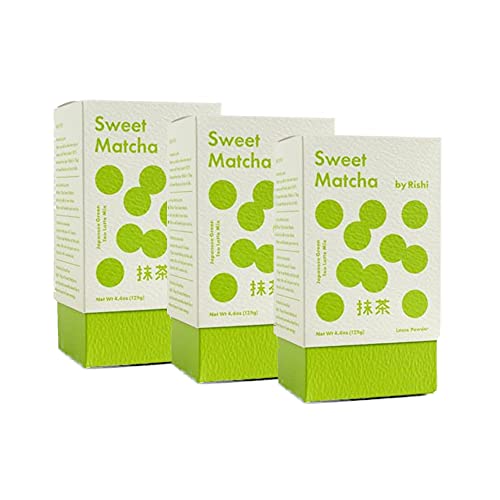
Rishi Tea Sweet Matcha Latte Powder 3-Pack

Encha Ceremonial Grade Matcha Powder 60g (Uji, Japan)

Encha Latte Grade Matcha Powder 30g (Uji, Japan)

Celestial Seasonings Matcha Green Tea Bags (Pack of 6)

Encha Ceremonial Grade Matcha Powder 30g (Uji, Japan)
More Details On Our Top Picks
Stick-pack format is the quiet hero of this entry, and the rest of the spec sheet backs it up. Each pouch holds a single 2g serving of ceremonial-grade matcha, sourced from a Hangzhou valley farm and shade-grown roughly 35% longer than typical cycles to push chlorophyll and amino acid content higher.
For anyone who has ever tried to scoop matcha from a tin on a train and ended up wearing half of it, the tidy single-serve format is a relief. Office workers, frequent flyers, and apartment dwellers with limited counter space will appreciate the no-mess design more than the spec sheet alone suggests.
Everyday Wins
- USDA Certified Organic, vegan, no additives, gluten-free, and sugar-free for clean-label drinkers
- 20 individually wrapped sticks mean each serving stays fresh until the moment you whisk
- First-harvest leaf source delivers the brighter green color and mellower flavor you want from ceremonial grade
- Pre-portioned 2g takes the guesswork out of strength, useful for new drinkers learning the ratio
Things To Consider
- Stick packaging creates more waste than a single resealable tin over time
- Best flavor arrives within the first few weeks after opening, so shelf time matters once a box arrives
Key Specs
Right Fit For
Commuters and remote workers who want mess-free ceremonial matcha without buying a tin and a scoop.
Where Another Pick Suits Better
Anyone brewing for two or three should look at the larger Encha 60g tin instead, since stick packs add up fast.
Akira Matcha leans into its Uji, Kyoto heritage, and that origin story shows up in the cup. The leaves are first-harvest and shade-grown for at least three weeks before stone-milling, which is the longer shading window that pushes the umami and amino acid content higher.
Traditionalists tend to gravitate here. If you’ve been drinking matcha the right way, with a chasen (the bamboo whisk), in a chawan, and you want a powder that holds up to that ceremony, this is a real contender. The 30g tin is enough to commit to the ritual without burning through a budget.
Everyday Advantages
- Uji, Kyoto sourcing is widely regarded as a benchmark region for Japanese green tea
- First-harvest leaves and three-week shade covering build complexity in the cup
- Ceremonial grade suits whisked, water-based preparation rather than mixed drinks
Points To Note
- Ceremonial grade drinks best with water, so latte fans may find it underwhelming in milk
- Smaller tin size means more frequent reorders for daily drinkers
- Sensitive palates may still pick up a faint marine note that comes with the umami
At A Glance
Who It Suits Best
Traditional drinkers who already own a bamboo whisk and want a true Uji-sourced ceremonial powder.
Look Elsewhere When
Daily milk drinkers should reach for Encha Latte Grade instead, since it’s blended to handle dairy.
Republic of Tea solves the tool problem entirely by skipping it. The bag itself holds a measured dose of organic Japanese matcha blended with green tea leaves, so you steep the bag in hot water the same way you would any other morning cup.
For newcomers, this is a gentle on-ramp: the flavor lands clean and grassy without the bitterness that scares some people off. Apartment dwellers, dorm rooms, and shared kitchens all benefit from a format that doesn’t need a whisk, a bowl, or a strainer to clean afterward.
The Case For It
- No whisk, sieve, or chawan needed for a balanced cup
- 50 bags per box covers a long stretch of daily drinking
- Organic Japanese matcha and green tea blend for layered grassy notes
Honest Caveats
- Bag format caps how frothy the cup can get compared to whisked powder
- You’ll want a longer steep than a typical black tea to pull the matcha out fully
Right Fit For
New drinkers and office workers who want a no-fuss cup without buying any equipment.
Where Another Pick Suits Better
Matcha purists chasing a frothy, traditional preparation should pick Akira Matcha over a bag.
DoMatcha delivers the kind of volume that makes a daily habit feasible. The 2.82 oz tin holds around 75 servings, so a household of two or three latte drinkers can settle into a routine without reordering every few weeks.
Summer harvest is the later cut of the season, which is naturally more astringent and a bit more robust than first-flush spring leaves. That profile plays well with milk and sweeteners, making this a strong home-barista pick. The note that it’s “slightly more astringent” is honest: expect a touch more bite than a ceremonial tin would give you.
Useful Highlights
- 75 servings per tin stretches the value for daily drinkers
- Robust flavor profile holds its own against milk, oat, and alt-milks
- Smoothie and latte applications are called out in the product design
Worth Noting
- Later harvest means a more astringent edge than first-flush ceremonial grades
- Tin format is sturdy but you’ll want a tight seal after each use to slow oxidation
Best Suited To
Home baristas and families running through multiple lattes per week on a real budget.
Skip It When
You want the smoothest possible cup for whisked preparation; pick Dona First Flush instead.
Dona leans into a multi-region blend: leaves from Wazuka in northern Kyoto, plus Shizuoka and Kagoshima estates, all stone-milled to that whisper-fine consistency. The clay-rich soil of those valleys contributes depth and aroma, and the high-temperature firing process pushes toasty, nutty notes into the cup.
Compared to a single-estate ceremonial, this blend feels more layered and more food-friendly. The 1.1 oz airtight tin is small enough to finish before the powder loses its sparkle, and the seal does its job to slow oxidation once the lid comes off for the first time.
Useful Touches
- Multi-region blend (Kyoto, Shizuoka, Kagoshima) brings more aromatic depth than single-origin powders
- Stone-milled fine texture dissolves quickly without a gritty bottom
- High-temperature firing creates a toasty, nutty backbone that holds up in both hot and iced cups
- Airtight tin protects the powder from light and moisture between uses
Trade Offs
- Smaller tin (1.1 oz) is better for solo drinkers than households
- Ceremonial grade drinks best with water, so milk-based applications underdeliver
Who Will Love This
Solo ceremonial drinkers who want a layered, food-friendly cup and don’t mind paying for it.
Another Choice May Suit
Families brewing multiple cups a day should grab DoMatcha Summer Harvest for the larger volume.
Rishi’s sweet matcha is a different animal from the ceremonial powders on this list. It’s a pre-blended latte mix: Japanese matcha combined with pure cane sugar, designed to dissolve directly into milk, hot or cold, without any extra sweetener on the counter.
For households that drink matcha like a flavored latte rather than a traditional tea, this is a quiet win. The 3-pack format gives you about 30 lattes across the three 4.4 oz pouches, which is enough to settle the routine before reordering. You can also stretch it into lemonade or iced drinks for variety.
A Favorable Mix
- Pre-sweetened blend cuts the need for separate sugar or syrup on the counter
- Dissolves easily in cold milk, which is harder to achieve with pure ceremonial powders
- 3-pack format gives multi-month supply for casual daily drinkers
Points To Keep In Mind
- Added cane sugar means you can’t dial sweetness down for purist tastes
- Not interchangeable with ceremonial matcha in traditional whisked preparation
Perfect Match For
Sweetened-latte regulars who want a one-step morning drink without mixing powders and sugar.
Where Another Pick Suits Better
Strictly traditional drinkers should grab Dona First Flush for an unsweetened, whisked cup.
Encha’s 60g ceremonial tin is the larger sibling of the brand’s lineup, sourced from the same organic Uji farms the company has worked with for over a decade. The longer tin pays off if you drink matcha daily and want to reduce how often you reorder.
First-harvest leaf, shade-grown, and stone-ground to a fine powder: the spec sheet lines up with what ceremonial drinkers actually look for. The brand’s guidance to enjoy it with water for traditional preparation is worth following, because this grade tends to flatten out in milk compared to its latte-grade sibling later in this list.
Useful Strengths
- Larger 60g tin supports daily ceremonial drinking without frequent reorders
- Direct-from-Uji sourcing for over a decade signals consistent farm relationships
- Stone-ground fine texture whips up into a smooth, traditional froth
Soft Spots
- Ceremonial grade can taste thin when drowned in milk compared to latte-grade options
- Larger tin means slower turnover, so freshness depends on how quickly you finish it
Feature Snapshot
Built With In Mind
Daily ceremonial drinkers who finish a 60g tin within a couple of months and want a steady Uji source.
Swap It Out When
You mostly drink matcha in milk; the Encha Latte Grade is blended for that exact use case.
Encha’s latte grade is a thoughtful sibling product. It’s still first-harvest, shade-grown, and stone-milled from the same Uji farms as the ceremonial tin, but the cut and roast are tuned for milk drinks, which means the cup doesn’t go bitter when dairy enters the picture.
For most home drinkers, that’s the right tool for the job. The 30g tin is enough to settle a daily latte habit for a month or so before refilling, and the unsweetened format means you control the sugar yourself. Sweetened, vanilla, and other flavor variants exist in the lineup if you want to branch out later.
Standout Benefits
- Cut and roast specifically tuned for milk-based drinks rather than water-only preparation
- Same Uji farm sourcing as the ceremonial tin for ingredient consistency
- Unsweetened format lets you dial your own sugar, syrup, or alt-sweetener level
Where It Is Less Suited
- Doesn’t reach the same peak umami as ceremonial grade when whisked with water alone
- Smaller tin means reordering more often than the 60g ceremonial sibling
Made For
Home latte drinkers who want a Uji-sourced powder built for milk rather than water.
Where A Sibling Pick Shines
Pure traditional preparation fans should pick the Encha 60g ceremonial tin over this latte-tuned version.
Celestial Seasonings keeps the format simple: 120 total bags across six boxes, each bag blending sencha-style green tea with Japanese matcha powder. The classic tea-bag format means anyone with a kettle can brew a cup with zero learning curve.
This is the kind of product that fits into a shared household or office pantry. The bags steep fast, the flavor lands mild and grassy, and the per-cup cost stays low enough that nobody flinches when the box runs out. It’s a sensible everyday option rather than a connoisseur’s pick.
Notable Upsides
- Six-box pack delivers 120 bags, which covers months of casual drinking
- Sencha and matcha blend keeps the cup light and approachable for newcomers
- Bag format requires no equipment beyond a mug and a kettle
Some Limits To Know
- Bag format doesn’t reach the froth or color depth of whisked ceremonial matcha
- Mild flavor profile may feel thin to drinkers used to a fuller-bodied cup
Whose Shelf It Belongs On
Casual drinkers and shared pantries that want a low-effort, low-cost everyday cup.
A Better Fit Elsewhere
Anyone chasing a richer umami cup should grab Akira Matcha for the whisked ceremonial experience.
The 30g ceremonial tin from Encha is the same Uji-sourced product as the 60g sibling earlier in this list, just in a smaller package. For someone testing the ceremonial waters without committing to a larger tin, that smaller footprint is a real benefit.
First-harvest, shade-grown, and stone-milled to a whisper-fine powder: the production method checks the same boxes drinkers expect from a ceremonial grade. The 30g size finishes quickly enough that freshness is rarely a concern, even with occasional rather than daily use.
Positive Points
- Smaller 30g tin lets newcomers try ceremonial grade without a large commitment
- Same Uji farm sourcing as the larger Encha tin for consistent ingredient profile
- Stone-milled fine texture whips up cleanly with a bamboo whisk
Possible Compromises
- Daily drinkers will burn through a 30g tin in about a month
- Ceremonial grade falls flat in heavily milked drinks compared to latte-grade options
Who Should Grab It
Solo ceremonial drinkers dipping a toe in or splitting a small tin between occasional weekly cups.
Reach For A Different Pick When
Heavier daily use calls for the 60g Encha ceremonial tin, which spreads the cost over more servings.
What To Weigh Before Choosing Your Decaf Matcha
Knowing how a matcha is grown, milled, and graded tells you almost everything about how it will taste and how you should brew it. The picks above lean on three attributes that show up again and again in the category: origin, shading, and milling.
Where the leaves come from matters
Uji, Kyoto is the most recognized matcha region in Japan, and the Akira and Encha tins all draw from there. Shizuoka and Kagoshima are respected secondary regions, and Dona blends across all three for layered aroma. Hangzhou in China is a long-standing green tea region as well, and that’s where Chaism sources. Origin shapes the soil profile, the cultivar, and the regional processing style, all of which leave a fingerprint on the cup.
Shading and harvest timing change the cup
Shade-grown leaves produce more chlorophyll and L-theanine, the amino acid that gives matcha its savory depth and the calm-focus feeling regulars describe. First-flush or first-harvest leaves are the early spring pick, prized for color and sweetness. Summer harvest cuts, like DoMatcha’s, run more astringent and more robust, which is why they pair so well with milk. Dona’s high-temperature firing is another way to push toasty, nutty notes into the cup.
Grade and format set your prep method
Ceremonial grade is designed for whisked, water-based preparation and tends to flatten in milk. Latte grade, like the Encha variant, is tuned to handle dairy without going bitter. Bag format, like Republic of Tea or Celestial Seasonings, sacrifices the froth for convenience. Pre-sweetened blends, like Rishi, take another direction entirely: they’re built for one-step lattes with no extra sugar on the counter.
Equipment, freshness, and storage
Matcha oxidizes once exposed to light, air, and moisture, so a sealed tin and quick consumption after opening both help. A bamboo whisk (chasen) and a small bowl (chawan) are the traditional tools, and they’re worth the small investment if you plan to drink ceremonial grades regularly. For bag or latte-grade formats, the kettle and mug are the whole setup.
Key Considerations Across These Picks
Wrong Turns To Avoid
Chasing the brightest green color in a photo can lead you toward powders that were treated for appearance rather than flavor. Look for actual farm or region sourcing on the label, and check whether the milling method is stone-ground rather than industrially pulverized. Another common slip is buying ceremonial grade for daily lattes, which underdelivers compared to a purpose-built latte grade.
What The Higher Tier Buys
Premium ceremonial tins cost more because of the first-harvest leaf cut, the longer shading window, and the slower stone-milling process, all of which add complexity in the cup. The payoff shows up in color, aroma, and a smoother finish across multiple steepings. For occasional whisked preparation, the upgrade is worth it; for daily milk-based drinks, a strong latte grade gives you most of the experience at a lower per-serving cost.
Frequently Asked Questions
How is decaf matcha different from regular matcha?
Decaf matcha goes through an additional processing step to reduce caffeine content, which can subtly affect flavor compared to standard ceremonial grades. Some decaf options use a CO2 extraction method, while others rely on water-based decaffeination, both of which aim to preserve the leaf’s amino acid and antioxidant content. The result is a powder that still drinks like matcha but with a fraction of the caffeine.
Can decaf matcha froth up like regular matcha?
Yes, as long as it’s a stone-ground powder and you use a proper bamboo whisk, ceremonial-grade decaf matcha will froth similarly to its caffeinated counterpart. The texture of the grind matters more than the caffeine level when it comes to building foam. Bag formats and pre-blended latte mixes, on the other hand, don’t produce the same kind of froth because the grind and format are different.
Is decaf matcha still a source of antioxidants?
Decaf processing typically preserves the catechin antioxidants (a class of plant compounds linked to cell-protective effects) that make matcha nutritionally interesting, even when the caffeine is reduced. The L-theanine content, which contributes to matcha’s calm-focus reputation, also tends to survive most decaffeination methods. For specific nutritional claims, the manufacturer’s spec sheet is the most reliable reference.
How long does matcha stay fresh after opening?
Once opened, matcha is best consumed within four to six weeks for peak flavor and color, though tightly sealed storage in a cool, dark place can stretch that window. Airtight tins help slow oxidation, and keeping the tin out of direct sunlight is the single most useful habit. Buying smaller tins, like the 30g Encha, can be a smart move for solo drinkers who won’t finish a larger tin quickly.
What’s the best way to prepare matcha without a whisk?
A small milk frother or a tightly lidded shaker bottle can both break up matcha clumps and build some foam in hot water or milk. For bag formats like Republic of Tea or Celestial Seasonings, no whisk is needed: just steep the bag in hot water for two to three minutes. A blender works well for smoothies, especially when the recipe includes fruit or milk.
The Takeaway
The right decaf matcha depends on how you actually plan to drink it. Traditional whisked cups call for ceremonial-grade Uji-sourced powders; daily milk drinks favor purpose-built latte grades; and busy mornings or shared kitchens lean toward bagged or pre-sweetened formats. Pick the format that matches your real routine, and the rest of the decision tends to follow naturally.
