

Decaf drinkers tend to fall into a few camps. Some want the comfort of a familiar morning ritual without the late-afternoon jitters. Others love a third or fourth cup but hate the wired feeling that comes with it. Plenty of folks just want something that tastes like the real thing at dinner parties.
The picks below cover a wide range of roasts, origins, and price points, so you can find a decaf that actually tastes like coffee instead of a compromise.
A Closer Look At The Lineup

Folgers Classic Decaf Ground Coffee Medium Roast 25.9-Ounce Canister

Dunkin’ Decaf Medium Roast Ground Coffee 30 Oz. Canister Pack of 4

Café Bustelo Decaffeinated Medium-Dark Roast Ground Coffee 10 oz Can

Peet’s Coffee Breakfast Blend 100% Arabica Medium Roast 28-Ounce Bag

Peet’s Coffee Major Dickason’s Blend 100% Arabica Dark Roast 18-Ounce Bag
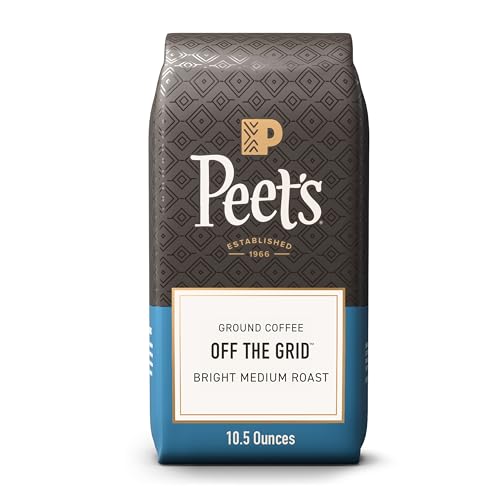
Peet’s Coffee Off the Grid Blend 100% Arabica Medium Roast 10.5-Ounce Bag

Gevalia Decaf Medium Roast House Blend Ground Coffee 12 oz Pack of 6
Volcanica Hawaiian Kona Coffee Extra Fancy 100% Pure Whole Bean 5 lbs
Taking A Closer Look At The Options
Folgers is the workhorse of the American coffee aisle, and the Classic Decaf is exactly what most people picture when they think of a decaf. The 25.9-ounce AromaSeal canister is built to keep the grounds fresh for weeks on the counter, and the medium roast is intentionally mild. For someone who drinks decaf every morning and likes a familiar, easygoing cup, the bar here is just “tastes like coffee,” and it clears that without much fuss.
It’s also a forgiving pick for households with multiple drinkers or for offices where everyone is brewing different things. Pour it in a drip machine, scoop it into a basic pour-over, or use it for a casual French press and it just behaves.
Why It Works Well
- The AromaSeal canister is widely reported to keep grounds fresh for several weeks after opening, so there’s no rush to use it up.
- The medium roast profile is mild enough to drink black but takes cream and sugar well, which suits a varied household.
- Available everywhere, so you can easily replace it when a canister runs out.
Things To Consider
- The flavor skews light, so anyone chasing a serious dark-roast profile will find it thin.
- Some users feel the canister’s flavor is more about the brand memory than the actual cup quality.
Who It Suits Best
This is the right fit for a casual daily drinker who wants a familiar, no-drama decaf that works with whatever brewer you already own.
Where Another Pick Suits Better
For drinkers who want a richer, more developed cup, Peet’s Major Dickason’s Blend is the more serious choice.
The four-canister Dunkin’ bundle is built for people who go through coffee like a job. Each 30-ounce canister of the original-blend decaf delivers the familiar Dunkin’ shop profile, and the bulk packaging works out to a much lower per-ounce cost than buying single bags. For a household that brews two or three cups a day, the four-canister pack can easily cover several months without anyone worrying about running low.
It also works well for small offices, where you need a friendly medium roast that doesn’t divide opinion. The flavor sits right in the middle of the spectrum, so even coworkers with different preferences can find something to like in the cup.
Standout Benefits
- Four 30-ounce canisters provide a long-lasting supply that suits heavy drinkers or shared spaces.
- The Original Blend profile is smooth and versatile, and it plays well with most creamers and sweeteners.
- Works with drip machines, pour-overs, and basic single-serve brewer baskets.
Honest Caveats
- Once the canister is open, freshness can fade within a few weeks, so the bulk size only pays off if you actually drink it fast enough.
- Storing four canisters takes up significant pantry space compared to a single bag.
Key Specs
Made For
Heavy daily drinkers, big households, and small offices that need a friendly, never-controversial decaf in steady supply.
Consider Something Else When
For drinkers who want darker, more developed flavor, Café Bustelo’s 10-ounce can is a stronger, more compact alternative.
Most decaf leans mild, but Café Bustelo’s 10-ounce can goes the other direction. The medium-dark roast is built to deliver a rich, full-bodied cup, the kind that holds up to steamed milk in a stovetop moka pot or a cheap home espresso machine. The classic yellow can also looks the part on a coffee counter, which matters more than some folks like to admit.
The 10-ounce can is one of the smaller options on the list, and that turns out to be a feature. For someone who drinks a cup a day and wants boldness over bulk, this is a manageable size that won’t go stale before you finish it.
Everyday Advantages
- The medium-dark roast profile is unusually bold for a decaf, which is rare in this category.
- Works beautifully for moka pot, stovetop espresso, and as a base for a Cuban-style colada at home.
- The compact 10-ounce can fits easily into a small kitchen or office kitchenette.
Trade Offs
- Small can means you’ll reorder more often than with a 28-ounce bag.
- The intense flavor may feel overwhelming to drinkers who prefer a lighter cup in the morning.
Right Fit For
Drinkers who treat decaf as a serious cup, especially if you’re brewing moka pot or espresso-style at home.
Not Your Match When
For someone who just wants a quiet, easy morning pour-over, Folgers Classic Decaf is a softer place to start.
Peet’s Breakfast Blend is a 100% Arabica medium roast designed to feel lively rather than heavy. The flavor profile leans into citrus and a touch of brown sugar, which makes it a great fit for pour-over and Chemex drinkers who want a decaf that actually shows the character of the bean. The 28-ounce bag is generous enough to cover most of a month for one or two drinkers, and the ground format is dialed in for drip and pour-over, not espresso.
Compared to Folgers’ very mild profile a couple of picks up, this is a clearly more expressive cup, and it rewards people who actually think about how their coffee tastes.
Strengths Worth Knowing
- The 100% Arabica blend delivers a brighter, more layered cup than many standard decaf offerings.
- The grind is calibrated for drip and pour-over, which is what most home drinkers actually use.
- The 28-ounce bag strikes a sensible balance between value and freshness for a single household.
Worth Bearing In Mind
- The grind is too coarse for proper espresso, so dedicated espresso drinkers would be better off with the Major Dickason’s Blend or Café Bustelo.
- The bright profile can read as thin next to a darker roast, depending on your taste.
Who Should Grab It
Morning ritual drinkers who use a drip machine or pour-over and want a decaf with more personality than a basic supermarket brand.
Skip It When
If you want a bolder, more intense decaf for evening desserts, Peet’s Major Dickason’s Blend is the darker option in the same lineup.
Major Dickason’s Blend is the flagship dark roast in Peet’s lineup, named for one of the brand’s original most-discerning customers. The dark roast is built to be full-bodied and robust, the kind of cup that pairs with a heavy dessert and doesn’t disappear. As a decaf, that depth is harder to deliver than a light, mild profile, and this is one of the better executions in the category.
The grind is dialed in for drip and pour-over brewing, so it’s a strong fit for a pour-over in a Chemex on a quiet morning or a Chemex at the dinner table after a meal.
Useful Highlights
- 100% Arabica dark roast with a rich, full-bodied profile that holds its own against caffeinated equivalents.
- The grind calibration suits drip machines and Chemex pour-overs, which is where most home drinkers brew.
- Works well as an after-dinner cup because the dark roast doesn’t compete with rich food.
A Few Limitations
- The 18-ounce bag is the smallest of the three Peet’s decaf options, so heavy drinkers will go through it quickly.
- The grind is too coarse for true espresso, so for that you would need a separate grind or a different option.
Feature Snapshot
Best Suited To
Drinkers who want a serious dark-roast decaf for after-dinner service or morning pour-over, and don’t mind paying a bit more for the depth.
Look Elsewhere When
For a brighter morning cup that’s lighter on the palate, Peet’s Breakfast Blend is the gentler sibling in the same brand family.
Off the Grid is the more easygoing member of the Peet’s trio, a medium roast built around smooth milk chocolate, almond butter, and a touch of pear. That flavor profile makes it a friendly, low-fuss decaf for everyday drinking, especially in a household where people want something they can pour into a mug without thinking about it too much.
The 10.5-ounce bag is the smallest of the three Peet’s options, so it works well as a “starter” decaf for people who want to test the brand without committing to a 28-ounce bag like the Breakfast Blend. It’s a quiet crowd-pleaser, even if it doesn’t grab the spotlight the way Major Dickason’s does.
What Helps Most
- The 100% Arabica medium roast delivers a smooth, balanced cup that doesn’t feel like a compromise.
- The 10.5-ounce bag is small enough to finish within a few weeks, so freshness is rarely an issue.
- Grind is dialed in for drip and pour-over, which is how most folks brew at home.
Possible Compromises
- The 10.5-ounce bag costs more per ounce than the 28-ounce Breakfast Blend option in the same brand family.
- Flavor skews gentle, so it may feel underwhelming next to a darker roast after dinner.
Whose Shelf It Belongs On
Singles, couples, and small households that want a quality decaf in a manageable bag without overcommitting to 28 ounces.
Another Choice May Suit
For a lighter citrus profile and more bag for the money, the Peet’s Breakfast Blend is a stronger everyday value.
Gevalia’s House Blend is the brand’s flagship roast, crafted in the Swedish tradition and built to be smooth rather than showy. The decaf version comes in a six-pack of 12-ounce bags, which means you get a lot of coffee in a small footprint. Each individual bag also helps with freshness, since you only crack open what you need for the next week or so.
The flavor profile leans into caramel sweetness with a light citrus finish, so it lands right in the middle of the decaf spectrum. It’s a sensible pick for someone who wants a “no-think” decaf that doesn’t go bitter and doesn’t disappear into cream and sugar.
Everyday Perks
- The 12-ounce bag format is widely reported to help preserve freshness better than a giant canister once opened.
- The Swedish-style House Blend profile is smooth and easy to drink, and it works well across drip and pour-over.
- Six bags lower the per-cup cost and reduce how often you need to reorder.
Where It May Fall Short
- The flavor is on the gentle side, so dark-roast drinkers may find it lacking in body.
- Six bags require some pantry space, which can be a real issue in a small apartment kitchen.
Quick Facts
The Right Fit
Drinkers who go through coffee steadily and want a reliable medium roast in small, easy-to-store bags.
Reach For A Different Pick When
For a brighter, more citrus-forward pour-over cup, the Peet’s Breakfast Blend is the more expressive choice.
This Volcanica pick is the most serious coffee on the list. It’s a 100% Kona Extra Fancy grade, certified by the State of Hawaii, and shipped as whole beans, not pre-ground, which is a clear sign the company expects you to grind just before brewing. The 5-pound bag is a significant commitment, but it’s also a meaningful savings over the smaller 1-pound Kona bags on the market.
The cup itself leans into smooth body, buttery richness, and subtle notes of nut and clove, which is exactly the kind of profile that rewards a careful pour-over or Chemex. There’s also a real safety story here: the coffee is tested for mold and quality before it ships, and roasted at over 400°F, which matters more for a decaf shipped from overseas than for a domestic brand.
Good Reasons To Consider
- 100% authentic Kona Extra Fancy grade, single-origin, certified by the State of Hawaii.
- Whole-bean format preserves flavor and aroma much longer than pre-ground coffee.
- 5-pound bag is one of the better entry points to a real Kona decaf, since smaller bags tend to run a lot per ounce.
Points To Keep In Mind
- Whole beans require a grinder at home, which is a real barrier for anyone without a decent burr grinder.
- The 5-pound bag is a long-term commitment, so you really need to drink enough Kona decaf to finish it before it loses freshness.
Feature Card
Perfect Match For
Drinkers who want a real estate-grade decaf, are willing to grind their own, and want a long-term 5-pound supply.
A Better Fit Elsewhere
For everyday brewing without a grinder in the mix, the Folgers Classic Decaf canister is a much more convenient option.
What Matters Most When Picking A Decaf
The first thing to consider is roast level, since it drives most of what you’ll taste in the cup. Light and medium roasts tend to show more of the bean’s origin character, which is why picks like Peet’s Breakfast Blend and Off the Grid lean into citrus and chocolate notes. Dark roasts, like Peet’s Major Dickason’s Blend or Café Bustelo’s medium-dark, go in the other direction and focus on body, depth, and the smoky side of the bean.
Then look at the form factor. Canisters are convenient but harder to keep fresh once opened, while smaller 10 to 12 ounce bags are easier to rotate through. Whole-bean coffee, like the Volcanica Kona, stays fresh the longest but requires a grinder at home.
Consider the per-ounce cost in real terms. The 4-canister Dunkin’ bundle and 6-bag Gevalia pack are the budget options, while a 5-pound bag of specialty Kona represents a serious commitment that only makes sense for steady drinkers.
Finally, think about your brewer. Drip and pour-over drinkers have the most flexibility, while espresso drinkers should look at the Café Bustelo or a coarser Peet’s grind that can be tightened down with the right equipment.
What To Watch Before You Buy
Common Shopping Slip Ups
The most common mistake is choosing a decaf that looks appealing but goes stale before you finish it. A 5-pound bag of Kona may look like a great deal, but if you only drink one cup a day, you’ll lose the freshness long before the bag is empty. Match the format to your actual drinking pace.
Another trap is buying a “Kona blend” expecting real Kona coffee. The Volcanica Extra Fancy is certified by the State of Hawaii as 100% Kona, but most cheaper “Kona” products on the market are blends that contain very little actual Kona. For real Kona flavor, the certification line matters.
Where The Extra Money Goes
The premium tier in decaf buys you a few things at once. First, single-origin certified coffees, like the Volcanica Kona, deliver a clearer sense of place than commodity blends. Second, the 100% Arabica label on the Peet’s range signals a higher-quality base bean with less bitterness than Robusta-heavy alternatives. Third, the testing and roasting protocols on imported decaf, like the mold screening Volcanica runs, add real safety and quality assurance.
The upgrade is worth it if you actually drink your decaf slowly enough to notice the differences, treat it like a morning ritual, and care about the origin story behind the bean. For a casual cup-and-go routine, the supermarket brands are perfectly honest options.
Frequently Asked Questions
Is decaf coffee actually caffeine-free?
No, most decaf coffees still contain a small amount of caffeine, usually well under 10 milligrams per cup, which is dramatically less than a regular coffee. Folgers lists its decaf as 99.7% caffeine-free, which is the industry standard claim.
Can you use decaf in an espresso machine?
Yes, as long as the grind is fine enough and the roast is dark and full-bodied enough to stand up to the pressure. Café Bustelo’s medium-dark roast is a strong candidate for stovetop moka pot and home espresso setups, while a finer grind of Peet’s Major Dickason’s Blend can also work in a real espresso machine.
How should I store an opened bag of decaf?
An opened bag of decaf should be kept in an airtight container, away from sunlight, heat, and moisture. The smaller 10 to 12 ounce bags rotate through quickly enough that this is rarely a problem, but a 5-pound bag of Kona needs a proper airtight bin to stay fresh over weeks.
Does decaf taste different from regular coffee?
It can, depending on the bean quality and the decaf process. Higher-end decafs, like the Peet’s Arabica range or the Volcanica Kona, come much closer to the taste of their caffeinated counterparts than budget supermarket blends, where the decaf process can flatten out some of the flavor.
Is whole bean decaf better than pre-ground?
Whole bean decaf is generally better because the grounds don’t start losing volatile flavor compounds until they’re exposed. The Volcanica Kona ships as whole bean for exactly this reason, but you do need a burr grinder at home to take advantage of that freshness.
The Takeaway
There’s no single “right” decaf, since the right answer depends on how you brew, how much you drink, and how much depth you want in the cup. Start with the format that fits your routine, a bag you can finish in a few weeks, then choose a roast level that matches your taste. If you’re unsure, the Peet’s trio covers a wide range of flavor profiles within one trusted brand, and the Folgers canister is a sensible, easy default for everyday drinking.
