

A warm mug in the late evening, a quiet ritual before bed, a long drive past sunset, or simply a love of flavor without the jitters: those are the moments a good decaf tea earns its shelf space. The picks below lean on real botanical blends, gentle decaf processing, and the kind of versatility that handles both a slow morning steep and a quick cold brew. You’re not giving up taste to skip the caffeine, you just need to know which blends respect that promise.
Your Options, Compared

Tiesta Tea Blueberry Wild Child Loose Leaf

Tiesta Tea 7 Green Teas Dry Flight Sampler

Tiesta Tea 6-Pack Cold Brew Variety

Tiesta Tea 20 Pack Cold Brew Variety

Tiesta Tea Passion Berry Jolt Loose Leaf

Tiesta Tea Maui Mango Loose Leaf

TeeLux Green Tea Bags Pure 100ct

TeeLux Decaf Green Tea Bags 100ct

Tiesta Tea Maui Mango Cold Brew Loose Leaf
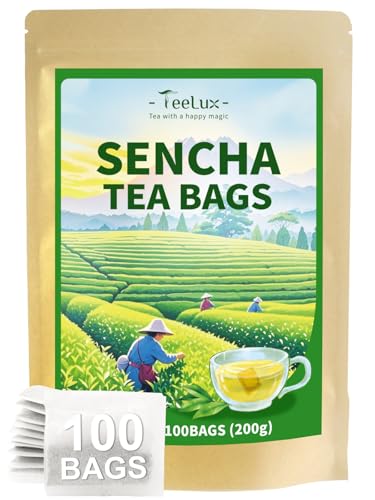
TeeLux Sencha Tea Bags 100ct
What Each Pick Brings To The Table
This blueberry-hibiscus herbal opens with sweet, almost jammy fruit and finishes with the tart, cranberry-like edge that hibiscus reliably delivers. Since it’s an herbal blend, there’s zero caffeine to chase, which makes it a confident evening option when you still want something flavorful in the cup. The loose leaves unfurl generously in a basic basket infuser, so you don’t need a fancy setup to get a vibrant ruby-red steep.
Compared to the Maui Mango picks further down the list, this blend runs drier and more berry-forward rather than tropical, so the choice really comes down to your mood. It’s especially appealing if you enjoy iced tea with food, since the tartness cuts through richer meals nicely.
Well-Handled Touches
- Caffeine-free herbal base suits late-day drinking without disrupting sleep.
- The hibiscus tang reads clean, never medicinal, when steeped at 205°F for five minutes.
- Available in multiple pouch sizes, so you can scale from a 25-cup starter to a 200-cup bulk refill.
- Works as a cold-brew base; the berry notes stay bright even after overnight chilling.
Things To Consider
- The hibiscus content can lean tart for drinkers who prefer rounder, sweeter profiles.
- Loose leaves require a basket infuser or filter, unlike the bag-style TeeLux options.
Whose Shelf It Belongs On
Tea drinkers who love a vivid, fruit-led cup and want a naturally caffeine-free option for the second half of the day.
Look Elsewhere When
Reach for the Tiesta Tea Maui Mango Loose Leaf if you want a softer tropical sweetness instead of berry-tart character.
This sampler bundles seven different green tea profiles into small pouches, which makes it a low-commitment way to figure out which green style you actually like. You’ll get fruity options like Blackberry Bellini, classic Chinese greens such as Gunpowder and Jasmine, and a few blended picks that lean sweet. Sample sizes typically fall between half an ounce and one ounce per pouch, brewing roughly six to ten cups each.
It’s a different proposition than the single-flavor picks in this list. Instead of committing to one profile, you taste across a range, and that tasting ritual is the whole appeal. The trade-off is smaller quantities per blend.
The Helpful Details
- Seven distinct green profiles expose you to floral, fruity, and grassy flavor families in one box.
- Sample pouches let you identify which blends warrant a full-size upgrade later.
- Each pouch is portioned for roughly six to ten cups, depending on leaf size and steep time.
- A good bridge for moving from bag tea into loose-leaf brewing.
Worth Noting
- Sample sizes run smaller than single-flavor pouches from the same brand.
- Some blends are caffeinated green teas, so the sampler isn’t fully decaf across all pouches.
Who It Suits Best
Curious drinkers building their first loose-leaf rotation who want a guided tour before committing to larger pouches.
Where Another Pick Suits Better
Pick the Tiesta Tea 6-Pack Cold Brew Variety instead if you specifically want a cold-brew focused intro rather than a green-tea flight.
Cold brewing in the fridge overnight is having a moment, and this six-blend variety pack is built for exactly that workflow. The blends lean fruity and herbal, which means the flavor extracts cleanly with cold water and no bitter edge from over-steeping. You drop leaves into a pitcher, let them sit, and wake up to a ready-to-pour pitcher of iced tea.
It slots in as a more compact cousin to the 20-pack further down this list. Six blends give you enough range to keep things interesting without overwhelming a small household’s fridge space.
Everyday Perks
- Six blends rotate naturally across two weeks of weekday pitchers.
- Fruit and herbal profiles stay vibrant after a long cold steep.
- Loose leaves give you more flavor control than standard bag iced teas.
- Great entry point for households new to cold brewing.
Trade Offs
- Requires a pitcher, mesh filter, or cold-brew infuser, which adds a small gear step.
- Smaller variety than the 20-pack option for households that want maximum range.
Quick Facts
Made For
Drinkers who want a steady rotation of cold-brew pitchers with minimal prep during a busy week.
Swap It Out When
Choose the Tiesta Tea 20 Pack Cold Brew Variety if your household moves through iced tea quickly and wants the widest flavor range.
This is the deep-cut version of the cold-brew lineup, with twenty distinct blends that range from tropical and citrus-driven to earthy black-tea builds. Each pouch is designed to perform under cold-water extraction, so the fruity top notes don’t disappear into a flat, watery pitcher. You get genuine variety here, not just six takes on the same flavor profile.
For households that drink iced tea most days, twenty pouches mean you can sample across almost a month before repeating. For occasional drinkers, that scale might be more than you need.
What Pays Off
- Twenty unique blends span a much wider flavor spectrum than smaller variety packs.
- Designed specifically for cold brew, so flavor extraction stays balanced overnight.
- Strong fit for entertaining, since you can offer guests a rotating selection.
Small Caveats
- The twenty-pouch scale is overkill for one or two-person households.
- Cold-brew prep still requires a pitcher and a mesh filter or dedicated infuser.
- Some blends include caffeinated black teas, so the pack isn’t entirely decaf.
Right Fit For
Multi-drinker households, home entertainers, and anyone who treats iced tea as a daily staple rather than an occasional treat.
Consider Something Else When
The Tiesta Tea 6-Pack Cold Brew Variety is a smarter scale for solo drinkers or small households new to cold brewing.
Built on a black-tea base, this blend layers raspberry and passionfruit into a punchy, almost summery cup. It’s the most “fruit cocktail” profile in this lineup, which means it lands well as an iced breakfast pour or a mid-afternoon pick-me-up. The black-tea backbone keeps the body substantial, so it doesn’t read as a thin fruit water.
Compared to the herbal Blueberry Wild Child, this one carries a stronger base tea presence underneath the fruit. That makes it feel more like a traditional black-tea drinker with fruit on top, rather than a pure fruit infusion.
What Makes Sense
- Raspberry and passionfruit layering reads bright without artificial sweetness.
- Black-tea base gives the cup genuine body and structure.
- Performs well hot or iced across seasons.
- 25-cup pouch sizing suits regular drinkers without a bulk commitment.
Points To Keep In Mind
- The black-tea base is naturally caffeinated, so this isn’t an evening option.
- Loose leaves require an infuser rather than a quick bag-and-go routine.
Who Should Grab It
Black-tea drinkers who want the classic breakfast cup personality with a fruit-led twist on top.
Not Your Match When
Reach for the Tiesta Tea Blueberry Wild Child if you want a fully caffeine-free, herbal-based fruit cup instead.
Maui Mango is the soft, sunny corner of this list: a fully caffeine-free herbal blend of mango, pineapple, and bright citrus. The cup reads as naturally sweet and tropical without leaning syrupy, which makes it a strong pour for slow evenings, weekend brunches, or a calm afternoon reset. You don’t taste the grassy or earthy notes that some herbals carry, just fruit-forward flavor from the first sip.
Versus the Blueberry Wild Child from earlier, this is rounder and less tart. If you find hibiscus too sharp, this is a more approachable alternative.
The Upside
- Caffeine-free, so it’s a worry-free option for evenings and quiet afternoons.
- Tropical flavor profile works equally well as a hot cup or a tall iced pour.
- Available in multiple pouch sizes, from 25-cup samplers to 200-cup bulk refills.
- Plays nicely as a mocktail base with sparkling water and a citrus wedge.
Possible Compromises
- Tropical fruit flavors are a love-them-or-leave-them profile, not a universal crowd-pleaser.
- Loose-leaf format requires an infuser rather than the convenience of bag tea.
Feature Snapshot
Who Will Love This
Drinkers who reach for tropical flavors, want a caffeine-free ritual, and enjoy hot cups as much as tall iced glasses.
Reach For A Different Pick When
Pick the Tiesta Tea Maui Mango Cold Brew if your routine leans heavily toward pitchers of iced tea rather than single cups.
These bag-style green teas are positioned for drinkers who want a clean, low-fuss steep without the gear of loose-leaf brewing. The leaf is hand-picked from tender spring buds, which the brand markets as a smoother, less bitter flavor profile. Bags also travel better than loose leaf, so this is a workhorse option for office mugs, hotel kettles, and quick morning routines.
Within the TeeLux lineup, this is the caffeinated baseline. The decaffeinated sibling reviewed later in the list is the one to consider for evening drinking.
Standout Benefits
- Pre-portioned bags cut out infuser setup and cleanup entirely.
- Spring-bud leaf selection keeps the cup smooth rather than harsh or grassy.
- 100-count sizing is a practical office or shared-kitchen supply.
Honest Caveats
- The bags are caffeinated, so they’re not the right pick for late-evening drinking.
- Bag format sacrifices some leaf expansion compared to loose-leaf steeping.
- Flavor variety is limited to a single green-tea profile, unlike the Tiesta variety packs.
Best Suited To
Office drinkers, travelers, and anyone who wants a reliable green-tea bag without extra gear.
A Better Fit Elsewhere
Choose the TeeLux Decaf Green Tea Bags if your priority is a similar bag format with no caffeine in the evening hours.
This is the decaffeinated counterpart to the previous TeeLux entry, and the difference is the CO2 process, which removes caffeine while preserving more of the leaf’s natural flavor compounds than older chemical methods. The result is a green tea that drinks close to its caffeinated twin, with a slightly vegetal, gently grassy character and no bitter bite.
For drinkers who like the calm ritual of green tea but want to skip the caffeine, this is the most direct path in the bag-tea category. It earns a spot over herbal options when you specifically want the green-tea taste profile.
The Practical Payoff
- CO2 decaffeination retains more flavor than traditional chemical processes.
- Steamed green tea base offers the classic vegetal-grassy character without harshness.
- Bag format is genuinely convenient for late-evening steeping without any cleanup.
Worth Bearing In Mind
- Even CO2 decaf isn’t a 100% caffeine removal, so highly sensitive drinkers may want to test tolerance first.
- Flavor is more restrained than a fruity herbal, which may not satisfy everyone in the evening.
Feature Snapshot
Perfect Match For
Drinkers who want the green-tea taste profile at any hour of the day and prefer the simplicity of bag brewing.
Skip It When
Pick the Tiesta Tea Maui Mango Loose Leaf if you want a fully caffeine-free, fruit-forward experience in a loose-leaf format.
This is the cold-brew-optimized version of the classic Maui Mango blend, formulated to extract cleanly under cold-water conditions. The mango and pineapple flavors stay bright, and the herbal base keeps the caffeine level at zero. Floral undertones show up in the cup, which adds a layer you don’t get from the standard hot-brew version.
It’s a focused answer to a specific question: how do I make a pitcher of tropical iced tea that actually tastes like something. For a one-pitcher household, this is a clear, low-fuss option.
Strong Points
- Cold-brew-tuned leaf means the tropical fruit notes survive an overnight steep.
- Fully caffeine-free, which matters for hot summer afternoons when you want to keep drinking.
- Floral undertones give the cup more depth than a basic fruit water.
Trade-Offs To Consider
- Single-flavor pack, so no built-in rotation like the cold-brew variety packs.
- Requires a pitcher and mesh filter or dedicated cold-brew infuser to steep properly.
Feature Rundown
Built With In Mind
Warm-weather drinkers who keep a pitcher of iced tea on hand and want tropical flavor without the caffeine load.
Another Choice May Suit
Pick the Tiesta Tea 6-Pack Cold Brew Variety if you want a rotation of flavors rather than a single tropical profile.
Sencha is a Japanese green tea style that uses steam processing, and this bag version is built for both hot and cold brewing. The hot cup leans fresh and brisk with a delicate aroma, while the cold-brew version pulls a slightly sweeter, lighter profile with stronger aromatic notes. That dual capability is the main draw here, since most bag greens are designed for one temperature.
Within this list, it’s the most style-specific green option. You reach for it when you specifically want sencha character rather than a generic green.
Key Advantages
- Japanese steam processing preserves fresh flavor and a green-tinted cup.
- Works hot or cold, with cold brew yielding a slightly sweeter aromatic profile.
- Bag format keeps prep simple for both brewing methods.
Points To Note
- Caffeinated, so it’s not an evening pick.
- Sencha flavor is more specific than a generic green, which won’t appeal to everyone.
Feature Card
Who Will Love This
Drinkers who want a specific sencha profile with the flexibility to brew it hot in winter and cold in summer.
Where Another Pick Suits Better
Pick the TeeLux Decaf Green Tea Bags if you want a similar bag convenience but need a caffeine-free option for evening use.
How To Choose The Right Decaffeinated Loose Leaf Tea for Your Cupboard
Match the Format to Your Routine
Loose-leaf tea delivers fuller leaf expansion, which often translates to richer flavor and more control over strength per cup. The trade-off is gear: you need a basket infuser, a tea filter, or a teapot with a built-in strainer. Bag formats like the TeeLux options trade some flavor nuance for grab-and-go convenience, which matters on busy mornings or in office settings. Cold-brew-focused blends assume you have a pitcher and time to let the leaves steep overnight.
Think About Decaf Method, Not Just “Decaf”
Decaffeination isn’t a single process. The CO2 method used in the TeeLux Decaf Green retains more of the leaf’s natural flavor compounds, while some other approaches can leave a flatter or slightly altered taste. Herbal blends are naturally caffeine-free because they contain no tea leaf at all, so the “decaf” question doesn’t really apply to options like Blueberry Wild Child or Maui Mango. The honest read is that the right pick depends on whether you want tea-leaf flavor without caffeine, or simply a caffeine-free beverage that happens to be tea-adjacent.
Profile and Use Case Drive the Real Choice
A bright berry-hibiscus blend suits an iced afternoon, a tropical mango-pineapple works for slow evenings, and a clean sencha fits a focused morning. Consider when you’ll actually drink it: a late-evening decaf should be caffeine-free, but a morning pour might just need to be lower-caffeine. Variety packs earn their keep when you’re still figuring out your preferences, while single-flavor pouches reward drinkers who already know what they want.
Key Considerations Across These Picks
Common Shopping Slip Ups
The biggest mistake is buying a single-flavor pouch before sampling, then discovering you don’t like the profile. Smaller variety packs exist specifically to solve that, so they often pay for themselves the first time you skip a full-size commitment you wouldn’t have finished. Another trap is assuming “decaf” or “caffeine-free” applies uniformly across a brand’s lineup, since some Tiesta variety packs mix caffeinated and caffeine-free blends. Always check the per-pouch breakdown before assuming a sampler is fully decaf.
Why Top Tier Costs More
Higher-tier decaffeinated teas tend to invest in the decaffeination process itself, like CO2 extraction, which preserves more flavor than older chemical methods. Premium tiers also tend to use better leaf grades, more thoughtful blending, and packaging that keeps the leaves fresh across more cups. The upgrade pays off most for drinkers who steep every day and notice the difference between a clean cup and a flat one. For occasional drinkers, a mid-tier bag option is usually the smarter spend.
