

A good dijon turns a sandwich into something you’d actually crave, lifts a plain vinaigrette into a real dressing, and rescues a weeknight salmon when you’ve got nothing else interesting in the fridge. Trouble is, the dijon shelf gets crowded fast: classic squeeze bottles, stone-ground yellows, honey blends, beer-infused spreads, and champagne-laced premiums all share the same aisle. Picking the right one matters because each style behaves differently on a spoon, in a glaze, or whisked into a pan sauce.
You probably want a dijon that fits the way you actually cook, not just whatever has the most colorful label. This lineup covers workhorse everyday squeeze bottles, a few bold specialty jars, and some gift-worthy upgrades, so you can match the bottle to the meal without overthinking it.
A Quick View Of The Lineup

Grey Poupon Dijon Mustard 10 oz Squeeze Bottle

Plochman’s Premium Mustard Stone Ground 20.5 oz

Plochman’s Cuban Mustard 11 oz
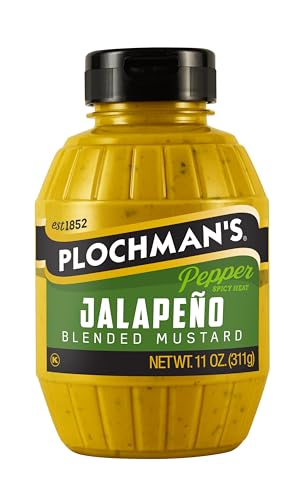
Plochman’s Jalapeño Blended Mustard 11 oz

Plochman’s Spicy Brown Mustard 11 oz

Plochman’s Deli Dijon Mustard 11 oz

Plochman’s Craft Beer Mustard 11 oz

Plochman’s Harvest Honey Mustard 11 oz

Plochman’s Champagne Dijon Mustard 11 oz
Inside Each Recommended Option
Grey Poupon is the dijon most cooks picture before they picture any other. The squeeze bottle delivers a smooth, wine-forward paste that works the moment it hits bread, ham, or a whisked vinaigrette. In a busy kitchen it pulls double duty as both a finishing condiment and an emulsifier for pan sauces, which is why it’s been a fridge fixture for so long.
For anyone building a first pantry, this is the bottle that earns its space. You can use it confidently on a turkey sandwich at lunch and then again that night to spike a cream sauce for pork. The 10 oz size suits smaller households or couples who go through mustard steadily but don’t need bulk.
Well-Handled Touches
- Squeeze bottle format means no knife needed for clean sandwich lines.
- Smooth, creamy texture blends seamlessly into vinaigrettes and pan sauces.
- Recognized French-style flavor profile that works in a wide range of recipes.
- Compact 10 oz size fits easily in a fridge door without hogging shelf space.
Things To Consider
- Flavor leans mild, so recipes calling for sharp mustard character may need more.
- Smaller bottle can run out quickly for households using dijon in daily cooking.
Feature Snapshot
Right Fit For
Home cooks building a dependable everyday pantry and anyone who wants one reliable dijon for both table use and quick cooking.
Consider Something Else When
Big-batch cooks who go through mustard by the jar should look at the 20.5 oz Plochman’s Premium Mustard instead.
Plochman’s Premium lands in the lineup as the bulk-friendly stone-ground yellow. The coarser grind gives it a slightly rustic, almost crackly mouthfeel that sets it apart from smoother dijons, and the bigger jar means it survives cookouts and weekly hot dog nights without constant restocking. It’s the kind of bottle you leave on the counter during a party.
Where the Grey Poupon leans European and elegant, this one is more all-American, built for quantity and a familiar yellow-mustard bite. It works well as a blank-slate hot dog topper, a burger spread, or the base for a honey-mustard you mix at the table.
A Strong Showing
- 20.5 oz format reduces how often you need to reorder.
- Stone-ground texture adds a satisfying bite smoother mustards lack.
- Mild yellow-mustard profile appeals to a wide range of palates.
Points To Note
- Yellow-mustard flavor is gentler than true dijon, so it won’t substitute in all recipes.
- Larger jar needs more fridge real estate and can lose freshness if not used steadily.
Made For
Families and frequent entertainers who go through mustard in volume and prefer a classic yellow profile.
Look Elsewhere When
Anyone wanting a true dijon bite for vinaigrettes should choose the Plochman’s Deli Dijon Mustard instead.
The Cuban Mustard is the wildcard of the Plochman’s lineup. It layers garlic, citrus, and white wine into a brown-mustard base, so it lands somewhere between a sandwich spread and a glaze. Think of it as the bottle you reach for when plain dijon feels too polite for what you’re cooking.
On a roasted pork sandwich or a Cuban-style pressed ham-and-cheese, the citrus lift cuts through the richness. It also works as a quick brush for chicken or shrimp in the last few minutes of cooking, where the garlic and wine notes caramelize nicely.
Bright Spots
- Citrus-and-garlic profile brings brightness most brown mustards skip.
- Doubles as a glaze or finishing sauce for roasted meats.
- White wine addition gives it a more grown-up flavor than standard brown.
Trade Offs
- Layered flavor may overpower delicate dishes like plain poached fish.
- Bolder profile can be too assertive for kids used to mild yellow mustard.
Who It Suits Best
Adventurous home cooks and anyone who likes Cuban sandwiches or grilled pork and wants a condiment that actually contributes flavor.
Skip It When
Families with picky eaters should grab the Plochman’s Harvest Honey Mustard for a gentler sweet-savory option.
The Jalapeño Blended Mustard takes a classic yellow base and weaves real jalapeño pieces through it, so you get both a tangy mustard bite and a vegetal chili warmth. The visible flecks tell you up front this isn’t going to behave like a mellow dijon, and the heat level sits in that “noticeable but not punishing” range that most adults enjoy.
On a burger, wrap, or grilled chicken sandwich, it adds personality without overpowering the protein. You can also thin it with a little oil and vinegar for a Southwest-leaning salad dressing, or brush it onto vegetables before roasting.
What Earns Its Place
- Real jalapeño pieces add texture as well as heat.
- Versatile across dipping, spreading, and drizzling uses.
- Southwest flavor profile pairs well with grilled meats and veggies.
Honest Caveats
- Heat level may be too much for households avoiding capsaicin spice.
- Flecks can settle; a quick stir before serving helps redistribute the peppers.
Best Suited To
Spice-tolerant home cooks who want a sandwich spread with personality or a glaze with real heat.
A Better Fit Elsewhere
Anyone wanting a smoky, deeper brown mustard warmth should try the Plochman’s Spicy Brown Mustard instead.
The Spicy Brown leans into the deli-counter experience: brown mustard seeds deliver a sharper, more pungent heat than yellow, without crossing into the fiery territory of the Jalapeño Blended. The flavor profile is tangy first, warm second, which makes it a workhorse for cured meats and sausages.
Bratwurst, smoked sausage, and pastrami all benefit from this style, and it works just as well on a soft pretzel as it does in a ham-and-Swiss. It’s the kind of bottle you put out at a game-day spread and watch disappear.
Noteworthy Benefits
- Brown mustard seed base brings a richer, more savory flavor than yellow.
- Heat level appeals to adults without alienating milder palates.
- Pairs naturally with sausages, brats, pretzels, and deli meats.
Points To Keep In Mind
- Bolder flavor can dominate a simple turkey sandwich.
- Not a true dijon, so it won’t replace white-wine mustards in classic French recipes.
Who Will Love This
Deli-meat fans and grillers who want a versatile brown mustard for sausages, pretzels, and hearty sandwiches.
Another Choice May Suit
Cooks wanting a more wine-forward, French-style profile should pick the Plochman’s Deli Dijon Mustard for everyday use.
The Deli Dijon is the bottle Plochman’s built for cooks who want everyday value without giving up that white-wine character. It carries the same backbone as pricier European dijons: a clean, tangy profile that whisks beautifully into vinaigrettes and finishes a sauce without weighing it down. The 11 oz size lands between the small squeeze bottle and the bulk jar, hitting a sweet spot for most households.
Use it the way you would any workhorse dijon: in a classic mustard vinaigrette, as a binder for a pan-fried pork chop, or spread thin on a turkey and Swiss before grilling. It also comes in a 3-pack option if you want a longer-term pantry stash.
What Stands Out
- White-wine blend gives it true dijon character at an accessible tier.
- 11 oz size suits most households without forcing frequent restocking.
- Multi-pack option offers extra value for steady mustard users.
Things To Weigh
- Flavor is balanced rather than bold, so dishes needing assertive mustard may want more.
- Less distinctive than specialty picks like the Cuban or Champagne varieties.
Feature Snapshot
Perfect Match For
Everyday home cooks who want a dependable French-style dijon for daily sandwiches, dressings, and quick pan sauces.
Where A Sibling Pick Shines
Special-occasion cooks wanting a more elevated flavor should reach for the Plochman’s Champagne Dijon Mustard instead.
The Craft Beer Mustard is built around an American Pale Ale brewed into the recipe, then layered with Citra and Centennial hops. The result is a tangy, slightly bitter, citrus-flecked mustard that pairs naturally with anything you’d put a beer next to: pretzels, brats, burgers, and cured sausages. It also comes in an easy-squeeze bottle, which is genuinely useful for clean lines on brat buns and sandwich rolls.
This is the bottle to pull out when you’re hosting a tasting or building a beer-pairing snack board. The hop character is real but balanced, so it complements the food rather than competing with the drink.
Useful Strengths
- American Pale Ale base delivers genuine hop aroma and flavor.
- Easy-squeeze bottle format handles clean lines and quick plating.
- Pairs naturally with pretzels, brats, and beer-friendly snacks.
Practical Considerations
- Hop character may be unfamiliar to mustard traditionalists expecting a more classic flavor.
- Flavor profile shines in casual pairings but can feel out of place with delicate seafood.
Who Should Grab It
Home entertainers and craft beer fans who want a mustard that echoes their drink menu and shows up on a snack board with confidence.
Swap It Out When
Anyone seeking a more refined, cheese-board-friendly profile should pick the Plochman’s Champagne Dijon Mustard instead.
The Harvest Honey Mustard takes a sweet-savory turn, with golden honey, cinnamon, and nutmeg woven through a mustard base. The result is a warmer, more aromatic spread that bridges the gap between condiment and glaze. It feels right at home on a holiday ham or a plate of chicken fingers, and kids tend to warm up to it faster than sharper brown mustards.
You can also stir it into a vinaigrette for a sweet-leaning salad, or use it as a finishing brush for roasted carrots and sweet potatoes. The aromatic spices stay subtle rather than aggressive, which keeps it versatile.
The Upside
- Honey and spice blend appeals to a wide range of palates, including kids.
- Doubles as both condiment and glaze for ham, pork, and chicken.
- Cinnamon and nutmeg add subtle warmth without becoming a dessert flavor.
Small Caveats
- Sweetness can dominate in dishes where you want pure mustard tang.
- Honey base means it can brown quickly on high-heat grilling, so watch the timing.
Built With In Mind
Families with kids and anyone who enjoys sweet-savory glazes for ham, pork tenderloin, or roasted vegetables.
Reach For A Different Pick When
Cooks who prefer a more traditional, tangy brown mustard should try the Plochman’s Spicy Brown Mustard instead.
The Champagne Dijon closes the list on a more refined note. It blends a classic white-wine dijon with fruity champagne and white wine vinegar, which lifts the aroma and adds a subtle sweetness you don’t get from a standard dijon. The flavor stays balanced rather than boozy, so it lands gracefully next to soft cheeses, cured meats, and seafood.
Pull it out for cheese boards, charcuterie spreads, or a dinner-party glaze for salmon or chicken. It also works as a thoughtful add-on to a gift basket, especially paired with the Harvest Honey or a small jar of jam.
The Value In It
- Champagne-and-vinegar blend adds elegant aroma without overpowering dishes.
- Versatile on cheese boards, glazes, and vinaigrettes.
- Looks and tastes gift-worthy for hostess occasions.
Worth Bearing In Mind
- More delicate than everyday mustards, so it can get lost on bold, smoky meats.
- Premium positioning means you may want to reserve it for special meals rather than daily use.
Feature Snapshot
Whose Shelf It Belongs On
Home cooks who entertain, build cheese boards, or want a more polished dijon for special meals and gift giving.
Not Your Match When
Anyone who mainly needs an everyday sandwich spread will get more value from the Plochman’s Deli Dijon Mustard.
How To Choose A Dijon That Actually Fits Your Cooking
Start with the format. Squeeze bottles, like the Grey Poupon, are clean and convenient for sandwiches and quick finishes. Standard jars, which most of the Plochman’s lineup uses, give you more control when you’re measuring into a vinaigrette or whisking a pan sauce, and they tend to seal better for longer fridge life.
Next, look at the flavor family. True dijons rely on white wine or wine vinegar for their tang, which keeps them versatile in cooking. Brown mustards lean earthy and pungent, which makes them better suited to rich meats and sausages. Specialty picks, like the Cuban, Craft Beer, or Champagne varieties, layer extra ingredients on top, so they shine in narrower pairings rather than acting as all-purpose workhorses.
Consider the bottle size against your household. A 10 oz squeeze bottle works for one or two people who use dijon in measured amounts. The 20.5 oz Plochman’s Premium makes more sense for big families and frequent entertaining. The 11 oz jars land in the middle and tend to disappear at a manageable pace.
Finally, think about who’s eating. Picky eaters and kids often prefer honey mustard or a smooth yellow. Adventurous home cooks tend to gravitate toward the bolder Cuban or Craft Beer options, while dinner-party hosts will pull out the Champagne Dijon for a more polished finish.
Key Considerations Across These Picks
Mistakes Worth Dodging
One common slip is treating every mustard like a true dijon. Yellow and stone-ground mustards have a different backbone, and substituting them in a classic French vinaigrette will leave the dressing flat. Read the label so you know whether you’re buying a white-wine dijon or a yellow mustard, and match the bottle to the recipe.
Another trap is buying a giant economy jar to save money when your household barely uses mustard. A 20.5 oz container that sits in the fridge for months past its peak won’t taste any better than a smaller jar you go through quickly. Match the size to your actual pace of use, not the per-ounce math.
When Paying More Pays Off
Specialty bottles cost more because of what goes into them. Champagne, craft beer, and Cuban mustards use real wine, beer, or aromatics that drive up production. That extra spend is worth it when the bottle becomes part of the dish, like a glaze for salmon, a centerpiece on a cheese board, or the finishing touch on a dinner-party plate.
The premium tier earns its place in moments where flavor carries the meal, not in everyday sandwich duty. Keep one specialty jar on the shelf for those occasions, and let the everyday workhorse handle the rest.
