

A slack loaf or a tight, tough crumb turns a Sunday bake into a guessing game. Dough conditioners are the small handfuls of powder that strengthen gluten, hold onto moisture, and give you a softer crumb days after the oven cools. The eight picks below cover everything from clean-label malt flour to commercial-grade donut formulas, so the right match is waiting for your flour and your schedule.
A Quick View Of The Lineup

Do-Cel Dough Conditioner, 10 Ounce Bag

Flourish Millworks Diastatic Malt Powder 8oz

King Arthur Flour Gluten-Free Cookie Mix 16 oz
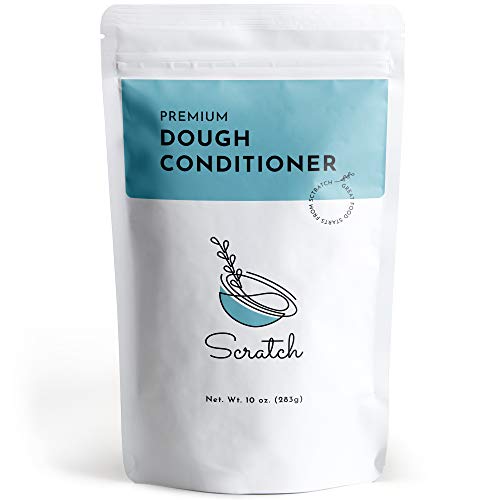
Scratch Premium Dough Conditioner 10 oz

Authentic Foods Dough Enhancer 2 oz

Bakers Club Artisan Dough Conditioner 10 oz

All Natural Professional Dough Conditioner 10 oz
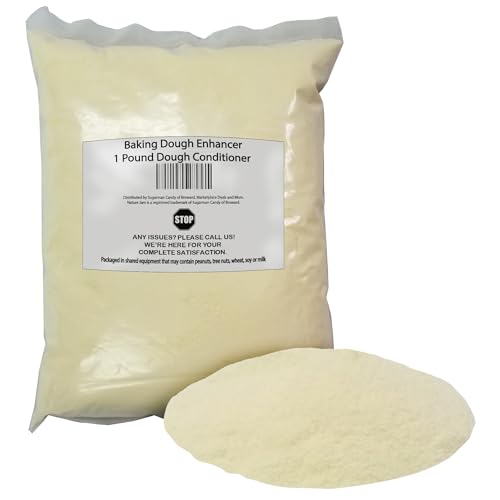
SpiceMasters Baking Dough Enhancer 1 lb
Meet The Standout Selections
Do-Cel is the kind of powder that disappears into the bowl and lets the flour take the credit. The 10 ounce bag is the size most home bakers finish in a few months of regular sourdough or sandwich loaf work, and the fine texture blends quickly into dry ingredients without leaving pockets of undissolved powder behind.
Where it earns its place in a busy kitchen is consistency: a small measured amount can tighten gluten structure and help bread hold moisture on day two and day three. Compared to the malt-forward picks later in this list, Do-Cel leans more neutral, so it works well across recipes where you do not want a sweet, malty note competing with a savory topping or a delicate crumb.
Strong Points
- Reinforces gluten and starch for loaves that slice cleanly and stay soft longer on the counter
- Neutral flavor profile that does not add malt or sweetness to white sandwich loaves, pizza dough, or dinner rolls
- Fine powder texture that incorporates easily during mixing, with no need to dissolve in water first
- Ten ounce bag is enough for many baking sessions, helping you dial in the right amount per recipe
Things To Consider
- You may find the instructions light on specific gram amounts, so expect a short trial period to land on your preferred dose
- Heavy whole grain users sometimes need to pair it with vital wheat gluten for the same lift they get from a single-ingredient system
Feature Snapshot
Who It Suits Best
Home bakers making weekly loaves of bread, pizza dough, or rolls who want a dependable all-purpose conditioner that does not flavor the crumb.
Consider Something Else When
Bakers chasing a clean two-ingredient label will feel more at home with the All Natural Professional Dough Conditioner further down this list.
Diastatic malt powder is the quiet workhorse behind most bakery crusts with that even golden sheen. Flourish Millworks makes the case simply: ground malted barley, nothing else. The enzymes inside the powder keep feeding the yeast during the oven spring, and that extra activity translates to taller loaves and a more uniform browning on rolls and bagels.
If you have ever pulled a pale, gummy-bottomed loaf from a stone, switching to a diastatic malt can be the small habit change that fixes the color problem without overhauling your flour or hydration. Compared to the broader conditioners above, this one targets browning and rise rather than shelf life, so it pairs nicely with long-fermented doughs that already bring flavor on their own.
Points In Its Favor
- Single-ingredient formula made entirely from malted barley, with no additives or carriers
- Active diastatic enzymes that help dough rise higher and crust brown more evenly in the oven
- Light, slightly sweet aroma that complements rustic loaves, pretzels, and bagels without taking over
Worth Noting
- Too much can over-soften the crumb or darken the crust past your intended shade, so measuring carefully matters
- Active enzymes lose potency over time, so storing the bag sealed and dry is part of getting consistent results
Made For
Bakers who want a clean, single-ingredient boost for crust color and oven spring, especially on hearth loaves and bagels.
Look Elsewhere When
You want a one-bag solution for moisture retention and shelf life, in which case the Do-Cel Dough Conditioner is the broader all-purpose option.
Potato flour pulls double duty in a gluten-free kitchen, and King Arthur leans into that role with a 16 ounce bag built around how the starch behaves in real dough. Potato flour absorbs water differently than rice or tapioca starch, which gives batters a softer set and helps yeasted gluten-free breads hold their shape through a longer rise.
The honest read is that this is less of a classic dough conditioner and more of a foundational flour that happens to act like one in gluten-free systems. For a household already mixing its own flour blends, a scoop of this changes the texture of rolls, cookies, and even pizza crusts that have come out gritty or chalky in the past.
Practical Advantages
- Made from peeled, dried potatoes, so it brings moisture retention and a tender crumb to gluten-free bakes
- Doubles as a thickener for soups, stews, and gravies, giving the bag a second life beyond baking
- Easy to blend into all-purpose, bread, or whole wheat flour for a softer, more workable dough
Trade Offs
- It is a flour, not a targeted conditioner, so recipes built around wheat gluten will need separate changes to truly benefit
- 16 ounces feels small for high-volume gluten-free households, and it can disappear quickly in everyday baking
Right Fit For
Gluten-free bakers building their own flour blends who want a starch that softens crumb and lengthens shelf life without additives.
Skip It When
Your baking is wheat-based, in which case the Scratch Premium Dough Conditioner is the more targeted choice.
Scratch’s conditioner is built for the baker who rotates through bread flour, whole wheat, rye, and spelt without thinking twice. The 10 ounce bag gives you enough room to experiment, and the formula is friendly enough that you can drop it into a familiar recipe without rebalancing the hydration from scratch.
Where it pulls ahead of a single-purpose product like Flourish Millworks is in batch consistency: doughs in larger bowls tend to behave more predictably from the first loaf to the fifth. For those who bake weekly and hate the wild-card quality of unmixed or under-conditioned dough, the Scratch bag is a real sanity check in the kitchen.
Benefits That Matter
- Strengthens gluten and starch networks for smoother, more elastic dough that is easier to shape
- Helps loaves hold moisture longer, so day-old bread still toasts well instead of crumbling
- Plays well with whole wheat, rye, and multigrain flours, especially when paired with vital wheat gluten for denser grains
Points To Note
- Whole grain bakers may want to add vital wheat gluten alongside it to hit the same volume they expect from a white loaf
- Owners commonly report that the powder clumps slightly in humid kitchens, so a dry storage spot helps
Quick Facts
Best Suited To
Whole-grain and multigrain bakers who want a single bag that handles everything from sandwich loaves to dense rye.
A Better Fit Elsewhere
Bakers focused on clean-label ingredients will appreciate the shorter ingredient list of the All Natural Professional Dough Conditioner.
Authentic Foods keeps things small on purpose. The 2 ounce bottle fits in a kitchen drawer, and the suggested 1/4 teaspoon per 2 cups of flour means that little bottle stretches further than it looks. It is the kind of product that makes sense for someone who pulls out the stand mixer twice a month, not every weekend.
For occasional pizza nights, holiday rolls, or weekend sourdough, the small format is also a hedge against losing potency. Larger bags can sit for months in a humid kitchen and slowly lose punch, while a 2 ounce bottle is generally used up before that becomes a problem.
Well-Handled Touches
- Compact 2 ounce bottle that tucks into a spice drawer and stays out of the way
- Designed to help whole grain baked goods rise higher, with a softer crumb and longer counter life
- Works on pizza, rolls, and standard yeast dough recipes without needing a separate ingredient for each
Points To Keep In Mind
- At 1/4 teaspoon per 2 cups of flour, you measure very small amounts, so a proper measuring spoon helps
- Frequent bakers will go through the bottle quickly, which makes the larger bags above a more practical long-term option
Who Should Grab It
Occasional home bakers who only fire up the oven a few times a month and want a small, fresh bottle on hand.
Another Choice May Suit
If you bake most weekends, the SpiceMasters Baking Dough Enhancer offers a bigger size that holds down cost over time.
Bakers Club leans on two familiar ingredients: barley malt syrup and diastatic malt powder. That combination is a quiet nod to traditional bakery formulas, and it explains why the conditioner pulls weight across sourdough, bagels, pizza crust, muffins, cookies, and pies without missing a beat.
The 10 ounce bag sits in the same size class as the Scratch and Do-Cel options, but its ingredient list tilts sweeter and more browning-forward. That makes it a natural match for enriched doughs and bagels, where you want a glossy crust and a soft interior, rather than a lean sourdough where you might prefer a more neutral conditioner.
Standout Benefits
- Versatile across a wide range of bakes, from sourdough loaves to muffins and bagels
- Combines malt syrup and diastatic malt to support browning, rise, and shelf life at once
- Expiration date printed clearly on the back, so you always know how much life the bag has left
Honest Caveats
- The malt-forward flavor shows up in delicate doughs, so it can be too much for a neutral white sandwich loaf
- Owners commonly report that the bag is best sealed tightly after opening, since malt powders clump in humid pantries
Perfect Match For
Bakers juggling many recipes in one week who want a single bag that travels well from bagels to pizza to quick breads.
Reach For A Different Pick When
A clean-label kitchen is the priority, since the All Natural Professional Dough Conditioner offers a tighter two-ingredient build.
The 20° Lintner designation on this Scratch conditioner signals a specific malt activity level, which is meaningful for bakers who track those numbers. The ingredient list is intentionally short: malted barley flour and naturally derived dextrose, with no synthetic dough relaxers hiding in the fine print.
For anyone who reads labels and worries about long chemical names, that simplicity is the entire reason to buy it. The dextrose does the moisture retention work that many conditioners handle with additives, and the malted barley drives both yeast activity and crust color. In a busy kitchen, it behaves much like the wider Scratch bag above, but with a tighter formulation.
The Upside
- Two-ingredient formula built around malted barley flour and naturally derived dextrose
- Designed to extend the soft window of homemade bread without synthetic dough relaxers
- 20° Lintner malt activity level gives consistent enzymatic performance batch to batch
Softer Spots
- Priced higher per ounce than the broader Scratch conditioner, which can feel steep for casual bakers
- Without added enzymes beyond the malt, very dense whole grain doughs still need vital wheat gluten for full lift
Built With In Mind
Ingredient-conscious bakers running a small bakery-style operation from home who want a short, recognizable label.
Where A Sibling Pick Shines
Budget-focused bakers will find the standard Scratch Premium Dough Conditioner offers a similar experience for less.
SpiceMasters steps into commercial territory with a 1 pound bag and a formula that includes whey, corn flour, monocalcium phosphate, L-cysteine hydrochloride, and potassium bromate. That ingredient list is a real departure from the cleaner picks above, and it explains why the bag is aimed squarely at donut shops and high-volume bread operations rather than casual home use.
For a serious home baker who treats the kitchen like a small bakery, the 1 pound size keeps cost per batch reasonable, and the suggested 3 percent by flour weight is a clear, repeatable target. The honest trade-off is that several ingredients on this label are not what you would find in a typical home pantry, and L-cysteine and potassium bromate are both used at low levels in commercial baking but are not for every philosophy.
Everyday Advantages
- Large 1 pound bag that suits frequent bakers and small home-based bakery setups
- Engineered for donut and yeast-raised recipes that need fast, complete dough development in a single mix
- Clear usage rate of roughly 3 percent by flour weight, which makes scaling recipes straightforward
Potential Drawbacks
- Ingredient list includes potassium bromate and L-cysteine, which are functional but not always welcome in a home kitchen
- The aggressive formulation is more than casual bakers need, and can over-soften a standard home loaf if you misjudge the dose
Key Attributes
Whose Shelf It Belongs On
Frequent and small commercial bakers who need bulk supply and a fast-acting formula for donuts or yeasted breads.
Swap It Out When
You bake a few loaves on weekends and want a cleaner label, since the Bakers Club Artisan Dough Conditioner covers similar recipes more gently.
What Matters Most Before Choosing Dough Conditioners
Flour Type And Existing Strength
Strong bread flours already build a tight gluten network, while whole wheat and rye rely more on the conditioner to fill structural gaps. If you rotate between flours, an all-flour product like the Scratch Premium Dough Conditioner is forgiving. For pure whole grain work, expect to add vital wheat gluten or rely on a malt-based product for the lift you want.
Clean Label Versus Commercial Strength
Two-ingredient formulas, like the All Natural Professional Dough Conditioner, read like a recipe. Commercial formulas with monocalcium phosphate, L-cysteine, and potassium bromate, like the SpiceMasters option, work faster and last longer on the shelf but are a different philosophy altogether. The right choice depends on how much you bake and how closely you read ingredient panels.
Flavor And Crumb Goals
Neutral conditioners such as Do-Cel disappear into the dough, while malt-based products contribute a gentle sweetness and a deeper crust color. If you love glossy bagels and golden pretzels, a diastatic malt makes the most sense. For a soft white sandwich loaf, the milder conditioners are a better match.
Storage And Potency
Malt-based powders lose enzymatic activity over time and clump easily in humid kitchens, so smaller bottles like the Authentic Foods option can be smarter for occasional bakers. A 1 pound commercial bag is only a bargain if you can use it before the powder loses punch. Sealed containers and a dry pantry go a long way.
Key Considerations Across These Picks
Where Shoppers Go Wrong
Most bakers either skip a conditioner entirely or over-rely on it. Whole grain loaves in particular need a conditioner just to match the rise of a white loaf, but the same dose in a strong bread flour can push the crumb too soft. Start with the lowest suggested amount, log the result, and adjust by a quarter teaspoon at a time.
Another slip is ignoring the ingredient list. Commercial formulas contain additives that home pantries rarely stock, and pulling them into a small home bake can change the flavor in ways you did not want. Read the bag before you commit.
Where The Extra Money Goes
The premium tier in this category typically buys you a tighter ingredient list, a measured malt activity level, and a cleaner fermentation profile. The All Natural Professional Dough Conditioner is the clearest example. For most home bakers, the upgrade is worth it when a recipe is a centerpiece of weekly meals; for one-off weekend bakes, a value pick like Do-Cel or Authentic Foods covers the same ground without the higher cost per ounce.
Frequently Asked Questions
What does a dough conditioner actually do?
It strengthens the gluten and starch structure inside the dough, which gives the loaf better rise, softer crumb, and longer shelf life. Some formulas also drive browning and feed the yeast through active enzymes.
Can I skip a dough conditioner for home baking?
Yes, especially for simple lean doughs with strong bread flour. The reward shows up most in whole grain recipes, enriched doughs, and bagels, where structure and color are harder to coax out of flour alone.
How much should I use per loaf?
Most home bakers start at 1/4 teaspoon per 2 cups of flour, which matches the Authentic Foods guidance. Heavier 10 ounce bags usually recommend up to a teaspoon per loaf, but it is worth following the specific bag’s instructions and adjusting.
Is diastatic malt the same as a dough conditioner?
Not exactly. Diastatic malt powder, like the Flourish Millworks option, is a single ingredient that adds enzymes to feed yeast and brown the crust. A full dough conditioner is usually a blend of several ingredients targeting gluten, starch, and moisture.
Do these conditioners work for gluten-free baking?
Standard conditioners rely on gluten formation, so they do not help in gluten-free systems. A potato flour, like the King Arthur option, is a more useful texture builder for gluten-free bakers because it adds softness through starch rather than gluten.
Final Verdict
The right pick comes down to your flour and your baking frequency. All-flour conditioners like Do-Cel and Scratch are the safest daily drivers, while malt-based options like Flourish Millworks and Bakers Club lift your crust and color. Match the bag to your kitchen, and your loaves will tell the story in the first slice.
