

Einkorn has earned a quiet following among home bakers who want something different from modern wheat. Often called one of the earliest cultivated forms of wheat, it carries a slightly nutty, buttery flavor that regular all-purpose flour rarely delivers. Many cooks also reach for it because its gluten structure tends to feel easier to digest, even though anyone with celiac disease still needs to avoid it entirely.
The challenge is choosing among whole berries, stone-ground flour, and refined white einkorn, then matching the form to the recipe. This guide walks through ten solid options, from bulk wheat berries to gluten-free blends that sit alongside einkorn on the same pantry shelf. You’ll get a clearer sense of which bag fits your baking style, your storage space, and the kind of bread or cake you actually want to pull from the oven.
Your Options, Compared

BENCH VIEW FARMS Stone Ground Whole Grain Einkorn Flour 10lbs
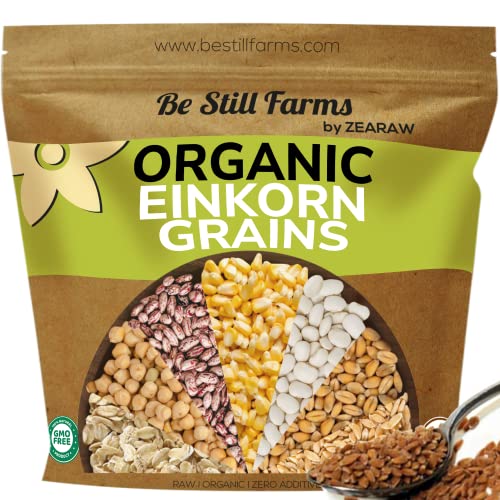
Be Still Farms Organic Einkorn Wheat Berries 4.8 lb

King Arthur Measure for Measure Gluten-Free Flour 3 lbs

King Arthur Gluten Free Pizza Flour 32 Oz

King Arthur Gluten-Free Bread Flour 2 lb

Jovial Organic Einkorn Unbleached All Purpose Flour 32 Oz

Jovial Organic Einkorn Whole Wheat Flour 32 Oz

Jovial Organic Einkorn Whole Wheat Flour 32 Oz 3 Pack

King Arthur Gluten-Free All-Purpose Flour 24 oz

King Arthur Gluten-Free Bread and Pizza Mix 18.25 oz
Taking A Closer Look At The Options
If you bake several loaves a week and burn through flour faster than a two-pound bag can keep up, the 10-pound pail from BENCH VIEW FARMS earns a serious look. The grain is grown and stone-milled on the same family farm, which means the bag travels from field to kitchen without sitting in a warehouse for months.
You may find the coarse stone grind takes a little more soaking time in sourdough builds than a commercial roller-mill flour, but that same texture gives hearth breads a heartier crumb. Storage gets easier with the larger format since one sealed container replaces a stack of small bags cluttering the cabinet.
Useful Touches
- Ten-pound format cuts down on packaging waste and frequent reorders for steady bakers.
- Single-farm sourcing means the lot stays consistent from one refill to the next.
- Stone-milled texture brings extra bran and germ into the dough, deepening the flavor.
- Organic certification reassures shoppers avoiding synthetic sprays or modified grain.
Things To Consider
- A heavy bag can grow clumps if stored in a humid pantry, so an airtight bin helps.
- The whole-grain grind behaves differently in delicate cakes and may need recipe tweaks.
At A Glance
Who Will Love This
Frequent sourdough bakers who want a single farm-direct source of whole-grain einkorn at a useful scale.
Where Another Pick Suits Better
Casual bakers who bake once a month will find the Jovial Organic Einkorn Unbleached All Purpose Flour 32 Oz easier to store and use up before the flavor dulls.
For cooks who already own a home grain mill, Be Still Farms’ whole wheat berries open up a different kind of pantry routine. You grind only what you need, so the flour stays vibrant and the shelf life extends well beyond a pre-milled bag.
Many people also cook the berries directly as a grain bowl base, simmering them like farro for salads and side dishes. In a smaller kitchen, the 4.8-pound bag fits on a high shelf without dominating storage, and the sealed pouch keeps insects out for months on end.
Positive Takeaways
- Whole berries hold their quality far longer than milled flour, giving you more flexibility.
- You control the grind, from coarse polenta-style to fine pastry flour, batch by batch.
- Same berries can be cooked whole, expanding their use beyond baking.
Honest Caveats
- Without a mill, the berries are harder to use and the value drops sharply.
- Rinsing and a long simmer are needed for cooked dishes, which adds planning time.
- The bag is plain, so transferring to a sealed container protects against pantry moths.
Made For
Home millers and grain-bowl enthusiasts who want one ingredient that flexes between fresh flour and a cooked side.
Skip It When
Bakers without a mill and a tight weeknight schedule will do better with the Jovial Organic Einkorn Whole Wheat Flour 32 Oz, ready to scoop straight into the mixing bowl.
King Arthur’s Measure for Measure blend is the kind of bag that quietly lives in a gluten-free kitchen for years. It’s designed as a one-to-one swap for wheat flour in non-yeasted recipes, which is a relief for anyone who used to bake by feel and doesn’t want to relearn every measurement.
The three-pound box feels generous for the price, and the fortified blend (iron, calcium, and B vitamins) helps cover some of the nutrition that gluten-free baking often strips out. Cakes, muffins, cookies, and pancakes all come out close to what you’d expect from a wheat version, with a softer crumb in some applications.
Well-Handled Touches
- One-to-one substitution removes the trial-and-error phase that scares off new gluten-free bakers.
- Fortification replaces some of the nutrients lost when wheat is removed from the diet.
- Kosher certification broadens use across households with specific dietary rules.
Points To Keep In Mind
- Yeasted breads don’t rise as well with this blend, so a dedicated bread flour is a smarter call.
- The fine grind can clump in humid climates, so a sealed container keeps the texture even.
Feature Snapshot
Right Fit For
Gluten-free home bakers who want a reliable, no-fuss substitute for cookies, pancakes, and quick breads without rebuilding every recipe.
Consider Something Else When
Bakers focused on yeasted loaves will get better rise from the King Arthur Gluten-Free Bread Flour 2 lb instead.
Few things disappoint a gluten-free household more than a sad, cracker-thin pizza crust. King Arthur’s gluten-free pizza flour tries to fix that, blending sorghum flour, gluten-free wheat starch, and xanthan gum (a common binder that gives structure without gluten) into a mix tuned specifically for high-heat oven spring and a crisp bottom.
The 32-ounce box handles multiple pizza nights in a row, which matters when pizza shows up weekly in the dinner rotation. Most cooks find the dough easy to stretch once it rests, and the crust holds toppings without going soggy in the center.
Notable Gains
- Engineered for crispy, airy Neapolitan-style crusts that hold their shape under cheese.
- Xanthan gum and sorghum create a workable dough that stretches without tearing.
- Larger 32-ounce format supports several pizza nights before a refill is needed.
Where It Is Less Suited
- Outside of pizza and flatbreads, the blend is too specialized for everyday baking.
- The dough needs a proper rest period, so last-minute weeknight pizzas can feel rushed.
Best Suited To
Gluten-free households that treat Friday as pizza night and want a dedicated flour that delivers a real chewy-crisp bite.
Look Elsewhere When
Anyone baking mostly cookies and quick breads will get more mileage from the King Arthur Measure for Measure Gluten-Free Flour 3 lbs.
Bread is the hardest nut to crack in a gluten-free kitchen, because gluten is the very protein that gives dough its stretch and rise. King Arthur’s bread flour tackles that head-on, with a blend of gluten-free wheat starch, sorghum flour, and xanthan gum that’s designed to behave like a one-to-one swap in yeasted recipes.
The two-pound bag is a smart size for testing the waters, since gluten-free bread tends to be denser and a single loaf can take up a good portion of a recipe. Bagels, burger buns, and cinnamon rolls are all listed as intended uses, which signals the blend handles shaping better than basic gluten-free flour.
What Stands Out
- Engineered for yeasted doughs that need to rise and trap gas without traditional gluten.
- The blend works across multiple bread types, from boules to bagels, without recipe gymnastics.
- Smaller 2 lb bag fits into a starter baker’s routine without long storage risks.
Possible Compromises
- The crumb is still denser than wheat bread, even with the blend’s careful engineering.
- Recipes need accurate measuring since gluten-free flours absorb liquid differently.
Quick Facts
Who Should Grab It
Gluten-free bakers ready to move past simple cookies into real sandwich loaves and weekend bread projects.
A Better Fit Elsewhere
Anyone focused on pizza night will get a more specialized result from the King Arthur Gluten Free Pizza Flour 32 Oz.
Jovial is the brand most newcomers to einkorn meet first, and the unbleached all-purpose bag is usually where that journey starts. Refined einkorn behaves more like regular pastry flour than whole grain, which makes it easier to swap into familiar recipes without a steep learning curve.
The 32-ounce bag is a manageable starter size, and the brand is known for keeping the protein content higher than commodity flour. Cookies, pancakes, and quick breads all work well, and Jovial’s own recipes (printed on the back of the bag) help guide first experiments.
Practical Advantages
- Refined texture lets you swap it into most wheat recipes with minimal adjustment.
- Higher protein content supports better structure in yeasted doughs than typical pastry flour.
- Allergen-friendly facility practices (free from milk, eggs, peanuts, tree nuts, and shellfish) suit sensitive households.
Practical Considerations
- Anyone with celiac disease still needs to avoid einkorn since it does contain gluten.
- Refined white flour loses some of the rustic flavor whole-grain versions bring to a recipe.
Feature Rundown
Whose Shelf It Belongs On
First-time einkorn bakers who want a forgiving, refined flour that works in everyday recipes without surprises.
Reach For A Different Pick When
Bakers chasing deep whole-grain flavor and rustic texture will prefer the Jovial Organic Einkorn Whole Wheat Flour 32 Oz.
Where the all-purpose bag pulls back on bran and germ, Jovial’s whole wheat einkorn leans in. The flour carries that golden, slightly sweet flavor bakers describe as “buttery,” and the texture of the finished loaf feels closer to a rustic European country bread than a sandwich pan loaf.
The 32-ounce bag is a useful test size before committing to a multi-pack, and the higher protein content compared to commodity whole wheat helps with structure in yeasted doughs. A quick hydration rest in the dough stage gives the bran time to soften, which most bakers find improves the final crumb.
A Few Strong Suits
- Full whole-grain profile keeps the nutrients and the flavor depth of einkorn intact.
- Higher protein content supports stronger rise than most whole wheat alternatives.
- Non-GMO sourcing aligns with clean-label pantries.
Worth Bearing In Mind
- Whole-grain flours can turn rancid faster than refined ones, so airtight storage is key.
- Recipes that depend on a light, airy crumb (like angel food cake) won’t translate well here.
Made For
Bakers who want a hearty, deeply flavored whole-grain einkorn for sourdough loaves, dense quick breads, and rustic pancakes.
Where A Sibling Pick Shines
Cooks focused on cookies, pie crusts, and lighter bakes will find the Jovial Organic Einkorn Unbleached All Purpose Flour 32 Oz a more reliable everyday choice.
The 3-pack of Jovial’s whole wheat einkorn exists for one reason: a household that has decided einkorn is the regular flour. Three 32-ounce bags translate to about six pounds of flour, which is roughly two to three months of weekly bread baking for a small family.
You get the same whole-grain flavor and higher protein as the single 32-ounce bag, just without the monthly reorder. The trade-off shows up in storage, since you’ll want a dry, cool cabinet or a large airtight bin to keep the third bag from sitting open too long.
Where It Excels
- Bulk format lowers the per-bag cost for committed einkorn households.
- Same trusted Jovial whole-grain profile as the single-bag version, with no recipe changes needed.
- Non-GMO and organic certifications carry through to the multi-pack format.
Some Limits To Know
- Storage becomes a real consideration, since whole-grain flour ages faster than refined flour.
- Light bakers will struggle to use three bags before the flavor starts to fade.
Built With In Mind
Families baking with einkorn every week and looking to cut down on packaging and reorders without sacrificing the Jovial flavor profile.
Swap It Out When
Casual bakers who only pull a bag out once a month will waste the extra bags, and the single 32-ounce Jovial Organic Einkorn Whole Wheat Flour is a more measured commitment.
The classic King Arthur gluten-free blend has been on pantry shelves for years, and it earns its longevity with a short, recognizable ingredient list. White rice flour, whole grain brown rice, tapioca starch, and potato starch come together without xanthan gum, which matters for bakers who like to add binders themselves or who react to gums.
The 24-ounce bag is a smaller test format that fits a single recipe or a weekend of pancakes, and the blend is well-known for avoiding the gritty aftertaste that plagued earlier gluten-free flours. It works across cookies, cakes, muffins, and pancakes, though yeasted breads need extra support.
What Earns Its Place
- Made without xanthan gum, giving scratch bakers full control over texture and binders.
- Rice-and-starch base delivers a cleaner flavor profile than many earlier gluten-free blends.
- Kosher and Non-GMO certifications add flexibility for varied household preferences.
Where It May Fall Short
- Without xanthan gum, recipes that depend on it need an additional binder added by the baker.
- Yeasted loaves rise poorly with this blend, so a yeasted-specific flour is the smarter pick for bread.
Spec Overview
The Right Fit
Gluten-free scratch bakers who prefer to add their own binders and value a short, recognizable ingredient list.
Another Choice May Suit
Bakers who want built-in structure and minimal recipe tweaks will do better with the King Arthur Measure for Measure Gluten-Free Flour 3 lbs.
A complete mix removes almost every barrier between you and a hot loaf. King Arthur’s gluten-free bread and pizza mix arrives with everything pre-measured, including the fortification (iron, calcium, and vitamin B) that gluten-free baking often skips.
You add water, oil, eggs, and a few standard pantry items, then mix, rise, and bake. The single 18.25-ounce box produces a loaf that slices like traditional bread, which is a small but meaningful win for sandwiches and toast.
Noteworthy Benefits
- Pre-mixed format cuts active prep time and removes ingredient measuring for new bakers.
- Fortified with iron, calcium, and vitamin B to support a balanced gluten-free diet.
- Versatile enough to bake as a loaf or shaped into a pizza crust.
Less-Strong Areas
- Customization is limited since dry ingredients are already combined and balanced.
- The 18.25-ounce size bakes one or two loaves, so weekly bakers will reorder often.
Who It Suits Best
First-time gluten-free bakers who want a forgiving, just-add-water path to a real sandwich loaf without juggling multiple flours.
Not Your Match When
Bakers who want to control the flour blend for taste or texture will prefer the standalone King Arthur Gluten-Free All-Purpose Flour 24 oz as a starting point.
What To Weigh Before Picking An Einkorn Flour
Whole Grain Versus Refined
The biggest fork in the road is whether to buy whole-grain einkorn or a refined all-purpose version. Whole grain keeps the bran and germ, which means more flavor, more fiber, and a faster clock on freshness. Refined flour trades some of that character for a smoother texture that drops into familiar recipes with less fuss. Heavy bakers chasing rustic bread tend to favor whole grain; casual bakers building pancakes and cookies tend to favor refined.
Berries Versus Pre-Milled Flour
Whole wheat berries give you full control over grind size and shelf life, but they only pay off with a home mill. Without one, they turn into a long-soak cooking project. Pre-milled bags trade that control for convenience, and most home cooks land here. If you already own a mill or cook grain bowls often, berries pull double duty; otherwise, a milled bag is the easier path.
Einkorn Versus Gluten-Free Blends
These two categories share shelf space but serve very different needs. Einkorn still contains gluten, even though its structure is often described as easier to digest. Anyone with celiac disease needs to stay on a true gluten-free blend like the King Arthur options in this list. Many households end up keeping both: einkorn for everyday wheat baking, gluten-free blends for celiac-safe recipes.
Storage And Freshness
Whole-grain einkorn ages faster than refined flour because the natural oils in the germ oxidize over time. An airtight container in a cool, dark cabinet extends usable life noticeably. Bulk formats like the BENCH VIEW FARMS 10-pound bag make storage planning a real conversation, especially in a small kitchen. If you bake once a month, smaller 32-ounce bags are a safer bet.
Smart Choices Across These Picks
Where Shoppers Go Wrong
The most common slip-up in this category is grabbing a beautiful bag of einkorn and assuming it can be swapped cup-for-cup into a wheat recipe. Einkorn absorbs less liquid and forms a more delicate dough, so a 1:1 swap often leaves baked goods dry or gummy. Starting with a recipe written for einkorn saves a lot of frustration.
Another trap is treating gluten-free blends and einkorn as interchangeable. They’re not. Einkorn still carries gluten, even though the proteins feel different, and a celiac household cannot use it safely. Conversely, a true gluten-free blend won’t deliver the same nutty flavor that draws people to einkorn in the first place.
When Paying More Pays Off
Higher-tier einkorn bags usually earn their position through sourcing and freshness. Single-farm, stone-milled options like the BENCH VIEW FARMS pail travel less and arrive younger than commodity flour, which shows up in the vibrancy of the flavor. Specialty gluten-free blends, like the bread or pizza flours, cost more because they’re engineered for specific jobs and cut the trial-and-error that cheaper blends create. For daily bakers, the upgrade usually pays for itself in fewer failed loaves.
Frequently Asked Questions
What is einkorn and how is it different from regular wheat?
Einkorn is one of the earliest cultivated forms of wheat, often called an ancient grain. It carries a simpler gluten structure and a slightly nutty, buttery flavor that modern wheat rarely matches. The tradeoff is that its weaker gluten needs gentler handling in doughs.
Can people with celiac disease eat einkorn?
No. Einkorn does contain gluten, even though the protein structure is different from modern wheat. Anyone with celiac disease or a wheat allergy should stick to certified gluten-free blends like the King Arthur options in this list.
Do I need a grain mill to use einkorn wheat berries?
A mill opens up the most flexibility, letting you grind fresh flour on demand. Without one, the berries can still be cooked whole as a grain bowl, but they won’t substitute for flour in baking recipes.
How should I store einkorn flour to keep it fresh?
An airtight container in a cool, dark cabinet is the simplest approach. Whole-grain einkorn benefits from refrigeration in warm climates, since the natural oils in the germ oxidize faster than in refined flour.
Is gluten-free flour blend a good substitute for einkorn in recipes?
Not directly, since the two serve different dietary needs. For gluten-free baking, stick to a blend like King Arthur’s Measure for Measure or Bread Flour. For einkorn baking, use a bag of Jovial or BENCH VIEW FARMS einkorn to keep the flavor profile the recipe expects.
Final Take
Einkorn rewards cooks who treat it as its own ingredient rather than a stand-in for wheat. The right bag depends on how often you bake, whether you own a mill, and whether anyone at the table needs strict gluten-free meals. Start with a manageable 32-ounce bag to learn the dough’s rhythm, then move into a bulk format once you know how fast you’ll actually use it.
