

Settling on the right beans shapes everything your home espresso machine delivers, from crema thickness to that first morning sip. Home baristas vary wildly, from someone dialing in a single shot on a manual lever to a household that churns through lattes before work. The eight picks below cover a genuine spread: Italian roasts with old-world tradition, 100% Arabicas for cleaner cups, blends tuned for thick crema, and single origins for the curious palate. Each one solves a slightly different problem, so match the bag to your machine, your taste, and how much room you have on the counter.
Your Options, Compared

Lavazza Espresso Medium Roast 100% Arabica 2.2 lb

Lavazza Super Crema Arabica and Robusta 2.2 lb (Pack of 4)
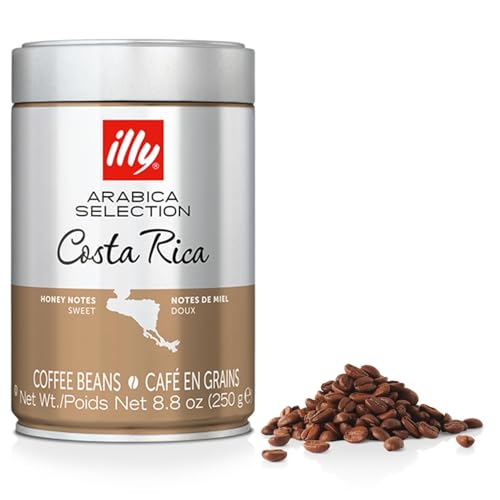
illy Costa Rica Medium Roast Whole Bean 8.8 oz

Bristot Speciale Italian Espresso 2.2 lb Bag

Bristot Classico Oro Italian Espresso 2.2 lb
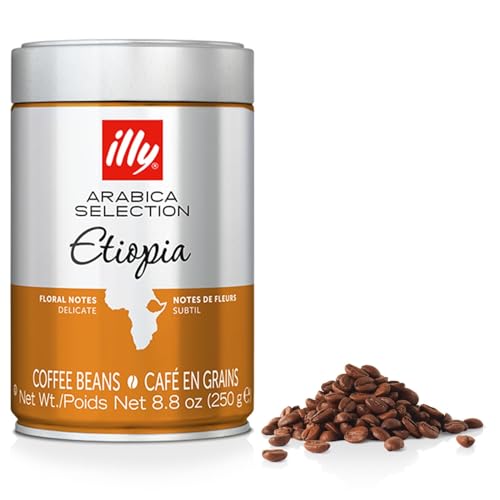
illy Arabica Ethiopia Light Roast 8.8 oz Can
illy Arabica Ethiopia Light Roast 8.8 oz Can

Lavazza Super Crema Whole Bean 2.2 lb 2-pack

Bristot Classico Italian Espresso 2.2 lb
More On The Choices That Made The List
Lavazza’s straight 100% Arabica is the gentler sibling in the brand’s lineup, and for many home machines it behaves like a friendly default. The 2.2 lb bag, sold as a twin pack, covers roughly a month of daily pulls for one or two coffee drinkers, so the per-shot cost stays in check.
Compared to the Super Crema blends later on this list, this one skips the Robusta entirely, which means less crema foam and a quieter intensity reading at 5/10. That profile fits anyone who finds traditional Italian espresso too bracing first thing in the morning.
Where It Delivers
- 100% Arabica keeps bitterness restrained, useful for beginner dial-in.
- Medium roast lands at intensity 5/10, gentle on sensitive palates.
- Twin 2.2 lb bags stretch supply for households that drink espresso daily.
- Aromatic, lightly sweet cup that also holds up in milk drinks.
Things To Consider
- Without Robusta, crema is thinner than classic Italian blends.
- Flavor sits in a narrow middle, so adventurous palates may want more complexity.
Key Specs
Who It Suits Best
Beginners, mild-coffee households, and anyone whose machine pulls better with single-origin Arabica rather than a Robusta-heavy blend.
Consider Something Else When
Drinkers chasing a thicker, more traditional Italian crema should reach for the Lavazza Super Crema (Pack of 4) instead.
Super Crema is the bag that introduced a lot of American home baristas to Italian espresso culture, and the four-bag pack turns it into a pantry staple. Sourced from roughly fifteen coffee-growing regions, the blend leans Arabica with enough Robusta to build the dense, golden crema that defines a proper cappuccino.
The medium roast lands softly, so even with Robusta in the mix the cup reads as creamy rather than bitter. For households grinding beans fresh each morning and pulling doubles for flat whites, this format covers months of use without frequent reorders.
What Pays Off
- Arabica-Robusta mix produces a thick, stable crema on standard home machines.
- Full 2.2 lb bags across a pack of four reduce how often you restock.
- Creamy, rounded finish that pairs well with steamed milk.
- Multi-region sourcing keeps the cup consistent year over year.
Worth Noting
- Bulk pack demands decent storage space in smaller kitchens.
- Crema intensity may overwhelm drinkers used to lighter single-origin cups.
Feature Snapshot
Made For
Families and frequent entertainers who run a milk-heavy espresso menu and want one reliable workhorse blend on hand at all times.
Look Elsewhere When
Drinkers who want a softer, low-acid morning cup should try the Bristot Speciale Italian Espresso instead.
illy’s Costa Rica single origin is the kind of bag that wins converts from the pour-over crowd, since the cup leans toward clarity rather than the heavier, syrupy body of Italian blends. Notes of honey, vanilla, and citrus come through in the crema, which on this bean is delicate but aromatic.
The 8.8 oz can is small by the standards of this list, so think of it as a sampler rather than a pantry filler. That size also keeps the beans at peak freshness for a few weeks of weekday pulling, which matters with a 100% Arabica cup this nuanced.
The Value In It
- Single-origin Costa Rica gives traceable, distinct flavor in every pull.
- Honey, vanilla, and citrus notes make it stand out in milk drinks without syrup.
- Pressed 8.8 oz can helps lock in freshness for short-term use.
- No preservatives, clean ingredient list for label-conscious shoppers.
Trade Offs
- Small can means frequent repurchase for daily drinkers.
- Single-origin character is subtle, may underwhelm drinkers expecting a heavy crema.
Quick Facts
Right Fit For
Drinkers who split time between espresso and pour-over, and want one bag that handles both without losing character.
A Better Fit Elsewhere
Heavy milk-drink households chasing dense crema will get more satisfaction from the Lavazza Super Crema (Pack of 4).
Bristot roasts in the Italian Dolomites, and the Speciale blend leans into a low-acid style that suits drinkers who find classic espresso too sharp on the stomach. The 67/33 Arabica-Robusta split with Brazilian Cerrado in the mix builds a spiced, chocolate-leaning cup that softens with milk.
The 2.2 lb bag is a sensible single-bag size for one or two espresso drinkers, easier to store than the bulk Lavazza format. Bristot’s intensity sits in a different neighborhood from the all-Arabica Lavazza, so this one reads fuller and more dessert-like in the cup.
The Good Stuff
- Low acidity at 6/10 makes it gentler on sensitive drinkers.
- 67% Arabica, 33% Robusta build a balanced shot with body and spice.
- Dolomite-roasted tradition ties the bag to genuine Italian heritage.
- Single 2.2 lb bag fits neatly in a standard pantry without crowding.
Honest Caveats
- Spice, dark chocolate, and grain notes skew more savory than sweet.
- Medium roast may feel under-extracted to drinkers used to darker Italian pulls.
Feature Rundown
Best Suited To
Drinkers with sensitive stomachs or anyone who reaches for low-acid coffee specifically but still wants a traditional Italian shot.
Swap It Out When
If you want a sweeter, more dessert-leaning cup, the Bristot Classico Oro Italian Espresso is the warmer alternative within the same lineup.
The Classico Oro sits in Bristot’s range as the softer, more chocolate-leaning sibling of the Speciale. Notes of chocolate, malt, and walnut shape a cup that feels more like a warm drink than a bracing shot, especially when pulled on a home machine calibrated for milk drinks.
It also roasts in the Dolomites, so the Italian provenance carries through. The 2.2 lb single bag is a manageable size for one household, and the medium-roast profile slots in nicely on bean-to-cup brewers that tend to over-extract darker beans.
Noteworthy Benefits
- Chocolate, malt, and walnut notes deliver a dessert-like aroma without added syrups.
- Low acidity keeps the cup comfortable for everyday drinking.
- Bean-to-cup friendly, easier to dial in on super-automatic machines.
- Dolomite roasting tradition gives the bag a clear point of difference.
Points To Note
- Soft profile may feel thin to drinkers who want a punchy single shot.
- Only available in a 2.2 lb bag, no smaller sampler for first-time trials.
Who Will Love This
Anyone who leans toward flat whites, cappuccinos, and slow weekend coffees where comfort and warmth matter more than caffeine intensity.
Another Choice May Suit
If you want a bolder, more savory Italian profile, the Bristot Speciale is the punchier pick on this list.
illy’s Ethiopia single origin is the most aromatic choice on this list, with a jasmine note that fills the kitchen as the grinder runs. The light roast pulls a delicate, almost tea-like espresso that rewards careful dialing on prosumer machines, so it tends to shine for home baristas who already have their workflow dialed.
Like the Costa Rica illy earlier, this one arrives in a small 8.8 oz can. The pressed tin does a good job keeping volatile aromatics sealed in, so even light-roast drinkers get a few weeks of bright, floral cups before the beans pass their prime.
Practical Pluses
- Single-origin Ethiopia delivers a distinctly floral, jasmine-forward cup.
- Pressed tin helps preserve delicate light-roast aromatics longer than a paper bag.
- 100% Arabica with no preservatives keeps the ingredient list clean.
- Works well as a flavor-exploration bag for committed home baristas.
Where It Is Less Suited
- Light roast demands precise grind and pressure, less forgiving on entry-level machines.
- Small can means a higher per-ounce cost than the bulk Lavazza options.
Perfect Match For
Curious home baristas with a prosumer setup who already pull single-origin pour-overs and want to push into lighter espresso territory.
Reach For A Different Pick When
Drinkers pulling shots on a basic pump machine will find the Lavazza Super Crema 2-pack far easier to dial in consistently.
The 2-pack Super Crema is a practical middle ground between the smaller single bag and the four-bag bulk format. Same Arabica-Robusta blend, same creamy medium-roast profile, just a more manageable supply for households that go through espresso but don’t need a wall of bags in the pantry.
For most home machines, the blend pulls a reliably frothy cappuccino without demanding much dialing. This makes it a sensible default for new espresso owners who want a forgiving bean to learn on before chasing single origins.
Strengths Worth Knowing
- Same trusted Super Crema blend as the larger pack formats.
- Two 2.2 lb bags cover roughly two months for a moderate household.
- Forgiving medium-roast profile suits entry-level pump machines.
- Crema-forward cup works well in milk-based espresso drinks.
Possible Compromises
- Lacks the single-origin clarity of the illy Ethiopia or Costa Rica options.
- Some owners note the bags don’t reseal tightly once opened, so a clip or canister helps with freshness.
Built With In Mind
First-time home espresso owners and households that want a steady, low-fuss rotation without committing to bulk sizes.
Not Your Match When
If you crave more origin-driven complexity, the illy Costa Rica Medium Roast offers a cleaner, more aromatic alternative.
The Bristot Classico is the heaviest hitter in the brand’s trio, with a 10/10 intensity that delivers the kind of body and crema you usually only get in café pulls. Notes of tobacco, wood, and milk chocolate build a layered cup that holds its own even when cut with a generous splash of milk.
It still sits at a medium Full City roast, so it stays on the cleaner side of dark Italian roasts. For drinkers who want a ristretto-style morning shot or a strong foundation for lattes, this is the one to keep in rotation.
Features That Help
- 10/10 intensity delivers body and crema on par with café espresso.
- Layered tobacco, wood, and chocolate notes keep the cup interesting across the week.
- Dolomite roasting maintains authentic Italian character in the bag.
- Single 2.2 lb format is easy to store alongside weekly groceries.
Worth Bearing In Mind
- High intensity can read as harsh on lighter home machines without proper dosing.
- Strong profile can overpower subtle single-origin drinkers coming from lighter bags.
The Right Fit
Experienced home baristas pulling ristretto or short shots, and anyone who treats espresso as a morning ritual rather than a sweet coffee drink.
Where A Sibling Pick Shines
For a softer, more chocolate-and-malt profile, the Bristot Classico Oro Italian Espresso is the gentler alternative.
What Matters Most Before Choosing Espresso Beans For Home
Roast Level and How It Reads as a Shot
Roast level is the single biggest dial on flavor. Light roasts, like the illy Ethiopia, pull bright, floral shots that highlight origin character but need precise grind and pressure. Medium roasts, the most common on this list, balance sweetness, body, and acidity, and they forgive small dial-in mistakes. Darker roasts push toward bittersweet, syrupy shots with thicker crema but less of the bean’s origin character. Match the roast to your machine: super-automatics often over-extract dark roasts, while prosumer lever machines reward the nuance of lighter beans.
Arabica Versus Robusta and What That Means for Crema
Arabica beans carry the aromatic, sweet, complex notes most people associate with specialty coffee. Robusta brings more caffeine, more body, and the dense, golden crema that defines Italian espresso traditions. A 100% Arabica bag, like the Lavazza Espresso or illy Costa Rica, gives a cleaner, more delicate cup with less crema. A blend, like the Lavazza Super Crema or Bristot Speciale, produces a thicker, more traditional shot and stands up better to milk. Pick your ratio based on whether you drink straight shots or mostly milk-based drinks.
Freshness, Bag Size, and Storage Habits
Whole beans stay at peak for roughly four to six weeks after roasting, depending on storage. Buying a 2.2 lb bag is convenient but means you’ll be at the bottom of the bag long before those weeks pass unless you drink espresso daily. Smaller 8.8 oz cans, like the illy options, work better for rotation if espresso is a once-a-day treat. Regardless of size, store beans in an airtight container away from sunlight and heat, and grind only what you need for each shot.
Origin and Flavor Notes Worth Knowing
Single-origin bags, like the illy Costa Rica or illy Ethiopia, give you a traceable flavor fingerprint: one country, one harvest, one profile. Blends, like most Lavazza and Bristot bags, draw from multiple regions to deliver a consistent, balanced cup year over year. If you’re still learning what you like, blends are more forgiving. If you already know you prefer honey-citrus over chocolate-malt, single origins let you explore that.
Key Considerations Across These Picks
Common Shopping Slip Ups
Many shoppers grab the cheapest bag on the shelf and wonder why their shots taste flat or sour. In espresso, bag size and freshness matter as much as the roast on the label, since a 4.4 lb twin pack that sits half-open for two months will always underperform a fresh 8.8 oz can. Another trap is buying dark roast for a super-automatic machine, which tends to over-extract and produce bitter, ashy shots. A medium roast usually pulls cleaner on those machines, even if dark feels like the traditional choice. Finally, don’t assume 100% Arabica is automatically better. Robusta adds real crema and body, and many of the most-loved Italian blends lean on it deliberately.
What The Higher Tier Buys
Stepping up in this category rarely means more caffeine or a fancier label. It usually means tighter sourcing, fresher roasts, and traceable single-origin lots. A bag like the illy Ethiopia delivers a cup profile you genuinely cannot replicate with a commodity blend, because the floral, jasmine-forward character only shows up when a roaster sources a specific harvest. Higher-tier Italian roasts, like the Bristot line, pay for older roasting traditions and Dolomite water and air, which shape bean development in subtle ways. The honest read is that the upgrade pays off most when you already have a machine capable of showing the difference, and when you actually care about tasting those differences shot to shot.
Frequently Asked Questions
Do espresso beans differ from regular coffee beans?
Espresso beans are typically roasted darker or pulled from blends designed for high-pressure extraction, so they grind and extract differently than beans roasted for drip. Many of the bags on this list, like the Lavazza and Bristot options, are roasted specifically with espresso in mind, though you can certainly pull them as americanos or use them in milk drinks.
How long do whole espresso beans stay fresh after opening?
Once opened, whole beans typically stay at peak for about four weeks if stored in an airtight container away from sunlight and heat. Smaller bags, like the 8.8 oz illy cans, help you finish beans within that window before they stale.
Can home espresso machines handle single-origin light roasts?
Yes, but they demand more precise grind size, dose, and pressure to avoid sour, under-extracted shots. Prosumer machines with pressure profiling or pre-infusion handle light roasts like the illy Ethiopia well, while basic entry-level machines tend to struggle with the lighter, more delicate profiles.
Is Robusta necessary for good crema?
Robusta contributes meaningfully to crema because of its higher soluble solids and lipid content. A blend like Lavazza Super Crema or Bristot Speciale will pull thicker, more stable crema than a 100% Arabica bag, though Arabica-only beans can still produce a fine layer with proper technique and freshness.
Should I buy a bulk pack or a smaller bag?
That depends entirely on how fast you drink espresso. A heavy household running two or three shots a day benefits from bulk formats like the Lavazza Super Crema Pack of 4. Occasional drinkers or flavor explorers get more value from smaller 8.8 oz cans that stay fresh across several weeks.
Closing Remarks
The bag that fits your home setup comes down to your machine, your milk habits, and how curious you are about origin. Lavazza Super Crema remains a forgiving daily driver for most households, the Bristot line covers traditional Italian intensity, and the illy single origins reward the home barista who likes to taste the difference between harvests. Pick the profile that matches your morning, dial in your grinder, and the rest sorts itself out.
