

A great shot of espresso is a tiny ritual with outsized payoff, and the blend you reach for shapes everything from crema color to aftertaste. Choosing the right espresso blends matters because extraction amplifies every flavor decision: roast level, bean origin, grind, and dose all collide in a 25-second pour. This shortlist sorts nine widely available options by use case, so the right jar or bag finds your kitchen without a second guess.
The Shortlist At A Glance

Nespresso Vertuo Double Espresso Dolce 30-Count Pods
Nespresso Vertuo Diavolitto 50-Count Pods
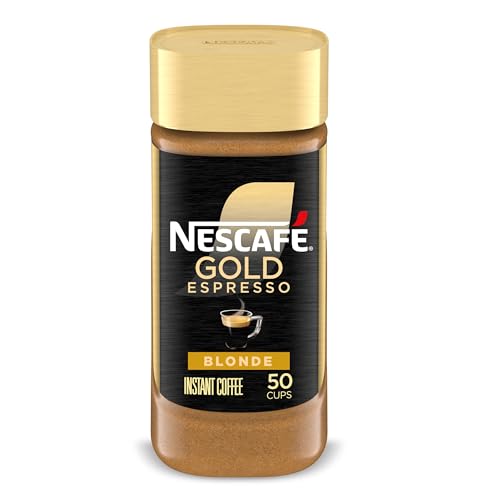
NESCAFÉ Gold Espresso Blonde Instant 3.5 oz
illy Ground Moka Classico Medium Roast 8.8 oz
illy Ground Moka Intenso Dark Roast 8.8 oz
illy Ground Drip Brasile Medium Roast 8.8 oz
Volcanica Los Angeles Espresso Light Roast 16 oz Ground
Café Bustelo Espresso Style Dark Roast 10 oz Can
Volcanica Los Angeles Espresso Light Roast Whole Bean 5 lb
A Closer Look At Each Pick
Vertuo owners who crave a milk-friendly double shot will feel right at home with this pod. The 2.7 fl oz pour sits in the sweet spot between a single ristretto and a lungo, leaving room for steamed milk without diluting the body. Dolce leans sweet and rounded rather than smoky, which makes it a low-risk daily drinker.
Compared with the more aggressive Diavolitto covered later, this one trades punch for approachability. In our view, it earns a permanent slot in the pod rotation for anyone who treats espresso as a vehicle for cappuccinos and flat whites.
Notable Upsides
- Split-roast build keeps the cup balanced, with malted cereal softness and a faint fruit lift.
- Larger 2.7 fl oz format steams beautifully for cappuccinos and lattes without going watery.
- Pod format removes grind-dose-tamp guesswork, ideal for hurried mornings.
- Sealed capsules stay fresh longer than open-bag ground coffee on the counter.
Things To Consider
- Locked to Nespresso Vertuo machines, so it isn’t useful if you brew with a portafilter or moka pot.
Quick Facts
Built With In Mind
Vertuo households who pull one or two milk-based drinks a day and want a forgiving, low-effort pod.
Reach For A Different Pick When
You want an even bolder, more intense shot, in which case the Nespresso Vertuo Diavolitto is a smarter match.
Diavolitto pushes deeper into dark-roast territory while keeping the cup surprisingly clean. The intensity 11 rating signals a serious cup, and the woody, leathery notes give it an almost savory edge that lingers. Pulling a 1.35 fl oz ristretto-style serving concentrates those flavors even further.
Where the Dolce pod above is friendly and sweet, this one is unapologetically bold. You may find it rewards a smaller cup and a confident palate, especially if black coffee is your default.
Bright Spots
- Intensity 11 roast delivers noticeable body without turning bitter or ashy.
- Split-roast technique preserves origin character inside a heavy dark profile.
- 1.35 fl oz ristretto format concentrates crema and aroma in a quick pour.
Honest Caveats
- Smaller serving size means it disappears fast and may leave milk-drink fans wanting more.
- Vertuo-only pods, so owners of other machines will need a separate option.
- Roast level may overpower delicate pastries, so pair it with chocolate or nuts instead.
Who It Suits Best
Black-coffee drinkers who want a heavy, savory morning shot from a Vertuo machine.
Not Your Match When
You prefer creamy, dessert-like cups, in which case the illy Classico Medium Roast ground coffee is a more natural fit.
Instant coffee has come a long way, and this jar proves it. NESCAFÉ Gold Espresso Blonde uses golden-roasted Arabica beans and dissolves into a cup with a layer of crema-like foam on top. Spoon, hot water, stir, done. No grinder, no machine, no mess.
It’s the rare option on this list that genuinely works in a hotel room, a shared office kitchen, or a small apartment with zero counter space. Compared with the pod-based picks above, the trade-off is flavor depth, but the convenience gap is enormous.
What Works In Its Favor
- Ready in seconds with nothing but a spoon and hot water.
- Develops a soft crema layer that mimics an espresso shot visually.
- Jar format is travel-friendly and shelf-stable, no special storage needed.
Points To Keep In Mind
- Flavor ceiling is lower than any fresh-ground option on this list, so espresso purists will notice the gap.
- Once opened, the jar can lose aroma over weeks, so smaller sizes may suit occasional drinkers better.
Feature Snapshot
Made For
Travelers, office workers, and tiny-apartment dwellers who want a recognizable espresso-style cup without any hardware.
A Better Fit Elsewhere
Anyone chasing true barista-level crema should pivot to the illy Ground Moka Classico Medium Roast and a stovetop moka pot.
The moka pot is one of the most forgiving stovetop brewers, and illy’s Classico grind is sized for exactly that workflow. A medium roast keeps the cup balanced, with enough body to stand up to sugar and a clean finish that doesn’t shout.
Italian households have used this grind for decades, and the tin-style packaging keeps the grounds sealed from light and air. For anyone graduating from instant to a real stovetop ritual, this is a low-risk starting point.
Benefits That Matter
- Grind texture is calibrated for moka pots, so extraction is consistent without extra effort.
- Medium roast profile appeals to a wide range of palates, including newcomers to espresso.
- Tin packaging helps protect the grounds from staling during everyday kitchen storage.
Less Ideal Details
- Requires a stovetop moka pot or similar brewer, so it isn’t a pick for pod-only kitchens.
At A Glance
Right Fit For
New moka-pot owners who want a consistent, approachable medium roast without grinding beans themselves.
Swap It Out When
You prefer a darker, more intense cup, in which case the illy Intenso Dark Roast is the obvious step up.
Intenso is illy’s bolder answer to the Classico above, leaning into warm cocoa and dried-fruit sweetness without sliding into burnt territory. The moka grind is identical in size, so the only thing changing in your kitchen is roast depth.
For drinkers who treat espresso as a small dessert, this profile delivers a richer finish that holds its own against milk. Compared with the Volcanica light roasts covered later, it represents a different end of the spectrum entirely.
Notable Gains
- Dark roast profile adds cocoa and dried-fruit depth that carries through milk and sugar.
- Same dependable moka grind as the Classico, so workflow stays simple.
- Tin packaging preserves aroma between uses, which matters more for dark roasts.
Some Limits To Know
- Roast depth can mask the origin character some coffee drinkers specifically look for.
- Still needs a moka pot or compatible brewer, so it isn’t a fit for instant routines.
Who Should Grab It
Dark-roast loyalists who want a stovetop espresso that tastes bold but stays smooth rather than acrid.
Look Elsewhere When
Bright, fruity cups appeal more, in which case the Volcanica Los Angeles Espresso Light Roast is worth trying instead.
Brasilese is illy’s single-origin Brazilian offering, roasted to a medium profile that pulls forward caramel, orange blossom, and jasmine notes. Unlike the moka grinds above, this one is calibrated for drip and pour-over machines, which gives the floral character room to breathe.
Pour it short and strong for a pseudo-espresso, or stretch it into a longer pour-over cup. In our view, it bridges two brewing worlds without committing to either, which makes it a versatile pantry option.
Where It Helps
- Single-origin Brazilian beans give the cup a distinct floral and citrus character.
- Drip grind works in pour-over cones, automatic brewers, and French press with adjusted ratios.
- Medium roast level keeps the cup approachable for shared kitchens with mixed preferences.
Worth Noting
- Floral notes can read thin in a tiny moka pot, so brew size matters for flavor payoff.
Technical Highlights
Perfect Match For
Home brewers with a drip machine or pour-over setup who want a Brazilian character that doubles as a mild espresso.
Where A Sibling Pick Shines
You prefer a stovetop moka workflow, in which case the illy Ground Moka Classico Medium Roast is the right sibling instead.
Light-roast espresso is a divisive category, and Volcanica leans fully into it with lemon, honey, and berry notes that finish nutty. The 16 oz bag gives home baristas a generous supply for daily experimentation, and the ground format removes a piece of equipment from the chain.
Against the illy dark roasts above, this cup is a sharp left turn. You may find it shines brightest in a manual lever or a careful pourover-style espresso pull, where gentle extraction preserves the fruit character.
What It Does Well
- Bright flavor profile offers a refreshing change of pace from the typical dark-roast espresso.
- Generous 16 oz bag suits households that brew multiple cups a day.
- Pre-ground format saves the cost of buying a grinder upfront.
Trade-Offs
- Light roast can taste sour or thin in entry-level pump machines, so equipment matters here.
- Ground coffee loses aroma faster than whole bean, so a 16 oz bag needs steady use to stay fresh.
Best Suited To
Adventurous home baristas who already own a capable espresso machine and want to explore light-roast extraction.
Not Your Match When
You crave a heavy, chocolatey morning cup, in which case Café Bustelo Espresso Style Dark Roast fits the bill more reliably.
Café Bustelo has a cult following for good reason. The dark roast is intense and robust, and the grind works in moka pots, drip machines, and even improvised stovetop brews. Latin-style cafecitos and cortaditos are where it really earns its reputation.
It also stands up to a generous pour of milk and sugar without losing identity, which is part of its charm. For shoppers who want a punchy, no-nonsense cup on a tight budget, the iconic yellow-and-red can is a familiar sight.
Real-World Strengths
- Dark roast intensity pairs well with milk, sugar, and condensed milk additions.
- Versatile grind handles drip, moka, and French press without reconfiguration.
- Compact 10 oz can fits in small pantries and dorm fridges with ease.
Room For Improvement
- Roast level can feel one-note to drinkers who prefer layered acidity or floral notes.
- Once opened, the can format is harder to seal than a zip bag, so freshness depends on quick use.
Whose Shelf It Belongs On
Anyone who loves a bold cafecito at home and wants a Latin-style dark roast that takes milk without complaint.
Consider Something Else When
You want a smoother medium-roast foundation, in which case the illy Ground Moka Classico Medium Roast is a softer landing.
The whole-bean version of Volcanica’s Los Angeles blend comes in a generous 5 lb bag, geared at serious home baristas who pull multiple shots a day. Whole beans stay fresh far longer than pre-ground, which matters for a light roast that loses its character quickly once cracked open.
Small-batch roasting and immediate sealing help lock in the lemon, honey, and berry notes the brand highlights. The kosher certification is a useful detail for shoppers with specific dietary requirements.
Standout Benefits
- Whole-bean format preserves delicate light-roast aromatics much longer than pre-ground.
- 5 lb bulk size lowers the per-cup cost for daily espresso households.
- Kosher certification broadens its fit for kitchens with specific dietary standards.
Points To Note
- Requires a capable grinder, so it adds an upfront equipment cost.
- 5 lb is a lot of coffee; without steady use, even whole beans can stale before the bag finishes.
Right Fit For
Home baristas with a grinder who brew espresso daily and want a bright, single-source light roast in bulk.
Where Another Pick Suits Better
You brew only occasionally or lack a grinder, in which case the smaller Volcanica Los Angeles Espresso Light Roast 16 oz Ground is a smarter first step.
What Matters Most When Choosing Espresso Blends
Roast Level And Flavor Direction
Roast level sets the personality of the cup before origin ever enters the picture. Light roasts push toward floral, citrus, and berry notes with brighter acidity, while dark roasts lean chocolatey, smoky, and heavy. Medium roasts land in the middle, which is why so many everyday drinkers gravitate there. Choosing based on flavor direction matters more than chasing a label.
Grind Size And Brewer Match
Espresso isn’t a single brewing method, and grind size has to follow. Moka pots want a coarser grind than pump machines, while drip and pour-over setups want something coarser still. Buying a blend whose grind is already matched to your brewer removes one major variable from the equation. That compatibility is often the difference between a balanced cup and a frustrating one.
Format And Equipment Needs
Pods, instant, ground, and whole bean each lock you into a different setup. Pods and instant offer convenience with a flavor ceiling, while whole bean rewards effort with freshness. The honest read is that format choice often decides whether espresso becomes a daily ritual or stays an occasional treat, so match it to your kitchen reality.
Origin And Blend Composition
Single-origin coffees let one country’s terroir shine, while blends balance beans from multiple regions for consistency. Either approach can produce an excellent cup, but they answer different questions. Blends are typically more forgiving across brewing variables, while single-origins reward careful extraction with more distinctive flavor.
Smart Choices Across These Picks
Common Shopping Slip Ups
Buying the darkest roast on the shelf because you assume darker means stronger is a classic trap. Strength and roast level are different things, and a light roast can still deliver an intense cup. Another mistake is choosing a whole-bean bag without confirming a grinder is on hand, then watching the beans go stale before they get used. Matching format to actual brewing habits saves money and frustration.
Where The Extra Money Goes
Premium pricing in this category usually buys fresher roast dates, single-origin transparency, and stricter quality control rather than magic beans. Higher-tier options also tend to offer better packaging that protects aroma longer, which matters for light and medium roasts especially. The upgrade pays off most for daily drinkers who notice flavor drift over a week, and least for occasional shoppers who’ll finish a bag quickly either way.
Frequently Asked Questions
What grind size works best for espresso?
Espresso calls for a fine grind, but the exact size depends on the machine. Moka pots want a slightly coarser grind than pump espresso machines, and super-automatic machines often ship with a built-in grinder dialed to the brand’s beans.
Do light roasts actually work for espresso?
Yes, light roasts can work beautifully in espresso when the beans are fresh and the machine is capable of even extraction. The cup tends toward brighter, fruitier flavors rather than chocolate, so flavor preference matters more than machine specs.
How should espresso blends be stored?
A sealed, opaque container at room temperature is the standard. Avoiding heat, light, and moisture keeps the volatile aromatics intact longer, and most bags are designed to be closed and resealed between uses.
How long do espresso blends stay fresh?
Whole beans typically taste best within four to six weeks of roasting, while pre-ground coffee starts losing character faster, often within two weeks. Vacuum-sealed pods and capsules can last much longer on the shelf because oxygen is kept out.
Is instant espresso the same as brewed espresso?
Instant espresso is brewed coffee that has been dehydrated into soluble granules, then rehydrated with hot water. The flavor is recognizable but sits below what a fresh pull can deliver, which is why instant is a convenience choice rather than a quality benchmark.
Wrap Up
The right espresso blend is the one that matches your brewer, your palate, and the time you actually have on a Tuesday morning. Pods and instant solve the speed problem, while whole bean rewards a few extra minutes with noticeable flavor payoff. Pick a format that fits your routine, then let roast level and origin guide the taste.
