

The right bottle of vanilla paste or lemon emulsion can quietly elevate a birthday cake, a batch of snickerdoodles, or even a savory marinara. Home bakers juggling seasonal recipes need a shelf stocked with versatile flavor builders, but the supermarket aisle is crowded with look-alike options. This guide walks through seven specific extracts for baking worth your attention in 2026, balancing everyday workhorses with specialty bottles for the more adventurous.
A Quick View Of The Lineup

Vanilla Bean Project Organic Vanilla Bean Paste 4 oz

Watkins All Natural Baking Vanilla and Cinnamon Set

Nielsen-Massey Pure Vanilla Bean Paste 4 oz
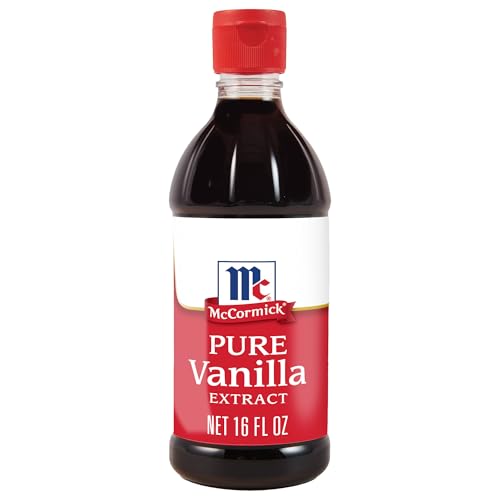
McCormick Pure Vanilla Extract 16 fl oz

Ann Clark Lemon Emulsion 4 oz

Dolce Flav Natural Anise Extract 8 oz

Ann Clark Clear Butter Flavoring 4 oz
Meet The Standout Selections
For bakers who want their vanilla to look the part, this paste delivers those tiny dark flecks that signal real bean work went into the jar. The format sits somewhere between liquid extract and ground beans, so it folds into cake batter, custards, and buttercream without the gritty texture you’d get from scraping whole pods.
The 4-ounce twin pack stretches across multiple projects, and the slow extraction process is designed to pull forward the deeper, rounder notes you want in cookies, panna cotta, or a holiday Bundt. Compared to a basic clear extract, you trade a little cost for visible authenticity.
A Few Highlights
- Visible bean specks add a homemade, premium look to frostings and ice cream bases
- Thicker consistency blends smoothly into batter without thinning delicate bakes
- Two-jar format covers a holiday baking season without reordering mid-project
- Slow extraction process aims for layered, warm flavor rather than one-note sweetness
- Works as a direct substitute for extract in most recipes at equal volume
Trade Offs
- You may find the jar runs out faster than a thin extract during heavy baking weeks
- The dark flecks can discolor very pale frostings if you prefer a snowy white finish
Feature Snapshot
Whose Shelf It Belongs On
Home bakers chasing that visible-bean, gift-worthy look in custards, frostings, and pound cakes will appreciate this paste most.
Look Elsewhere When
Anyone who needs a large, no-frills workhorse bottle for everyday cookies and pancakes should reach for the McCormick Pure Vanilla Extract 16 fl oz instead.
This two-piece set covers the dynamic duo of cookie baking: vanilla and cinnamon, paired in one shipping box. The vanilla is a double-strength baking blend designed to hold up through high heat and the freezer, while the ground cinnamon comes in a tin that keeps the spice fresh on the shelf.
Together, the pair handles snickerdoodles, coffee cakes, and pancake batters without needing two separate orders. For someone outfitting a first kitchen, this pair pulls double duty across sweet breakfasts and weekend baking.
What Works In Its Favor
- Bundled format simplifies a starter pantry with one order
- Double-strength vanilla is engineered to survive baking and freezing without fading
- Tin packaging for the cinnamon helps block light and air that dull spices
Points To Note
- No specialty flavors included, so adventurous bakers will still need to supplement later
- The cinnamon tin can dent if dropped on a hard counter, so a cabinet shelf is the safer home
Feature Card
Built With In Mind
New bakers setting up a starter pantry, or anyone outfitting a vacation rental kitchen, will find the two-bottle format especially practical.
Skip It When
Cooks who already have a beloved vanilla and only need a stand-alone cinnamon or specialty flavor will find more flexibility in single-bottle options like the Nielsen-Massey Pure Vanilla Bean Paste 4 oz.
Nielsen-Massey has a long reputation in professional kitchens, and this paste slots in as a stepping stone between everyday extract and the look of whole beans. The thick texture folds into meringues, ganache, and homemade ice cream without watering them down.
For bakers tackling a layer cake or a fruit tart where vanilla is the headliner, the consistency and flavor depth justify the upgrade. Unlike the lighter Watkins set, this is a single-flavor specialty product aimed at precision projects.
Benefits That Matter
- Thick paste consistency holds its character in whipped cream and ganache
- Visible flecks add visual appeal without requiring whole-bean prep work
- Trusted brand heritage in restaurant and bakery settings
- Multiple size options available for those who bake at different volumes
Honest Caveats
- Premium positioning means a higher cost per ounce than basic extracts
- Small jar can empty quickly during a holiday baking marathon
Key Specs
Made For
Confident bakers working on celebration cakes, panna cottas, and custards where vanilla carries the show will get the most out of this jar.
Consider Something Else When
Casual bakers who only need vanilla for boxed cake mixes and quick breads will find simpler value in the Watkins All Natural Baking Vanilla and Cinnamon Set.
For the household that runs through vanilla like water, a 16-fluid-ounce bottle keeps the pantry stocked through cookie season. McCormick leans on Madagascar vanilla beans, which give the extract its warm, sweet, familiar character in pancakes, cakes, and frostings.
It’s the bottle you grab without thinking, a workhorse that goes into everything from birthday cake batter to French toast. Compared to the pastes above, this is a thin, free-flowing extract designed for sheer volume, not visual flair.
Practical Pluses
- Generous 16 fl oz size covers months of standard home baking
- Free-flowing liquid measures cleanly into wet and dry ingredients alike
- Versatile enough for sweet bakes and savory dishes like glazes and seafood
- No corn syrup formula suits households watching added sugar sources
Some Limits To Know
- Large bottle takes up notable shelf space in compact kitchens
- Once opened, the flavor can fade faster than a paste sealed in a smaller jar
Best Suited To
Active households baking several times a week, or anyone who bakes for a crowd, will appreciate the long-lasting supply.
Not Your Match When
Bakers who want that dark, flecked visual in their finished dessert will find the Vanilla Bean Project Organic Vanilla Bean Paste 4 oz a better visual fit.
Lemon emulsion (a water-based flavoring with suspended citrus oils) gives you bright, zesty lemon character without hauling out a microplane or fishing for seeds. This 4-ounce bottle drops into cake batter, cookie dough, marinades, and cocktails with a few shakes, no juicing required.
Where vanilla extract adds warmth, this brings lift. It’s the bottle you reach for when summer berries need a partner or a buttercream needs a citrus snap.
What Pays Off
- Concentrated lemon flavor cuts down on juicing and zesting prep time
- Works across sweet and savory recipes, from scones to vinaigrettes
- Stable emulsion format holds up better in high-heat baking than some alcohol-based extracts
- Pairs naturally with vanilla for a lemon-vanilla layer cake that tastes like spring
Less Ideal Details
- Citrus intensity means a heavy pour can overpower delicate bakes like shortbread
- Bottle should be stored away from the stove to preserve the bright top notes
Quick Facts
The Right Fit
Bake-sale regulars, lemonade-stand parents, and anyone who loves a lemon-poppy seed muffin will lean on this bottle often.
A Better Fit Elsewhere
Those chasing warm, spicy depth rather than bright citrus will want the Dolce Flav Natural Anise Extract 8 oz on hand instead.
Anise extract is a love-it-or-leave-it flavor, but for bakers working on biscotti, pizzelle, or Italian Easter bread, it’s a must. The oil-soluble formula (meaning the flavor blends cleanly into butter, oil, and chocolate rather than separating) gives this Dolce Flav bottle a clear edge in fat-heavy recipes.
The licorice-like note carries through baking, frosting, and even homemade liqueur projects. For most backyards, this is a specialty pick, but for the right baker, it pulls serious weight.
Good Reasons To Consider
- Oil-soluble base blends smoothly into buttery doughs and chocolate batters
- 8-ounce size suits heavy seasonal bakers who reach for anise year after year
- Sugar-free formula lets you control sweetness in biscotti and frostings
- Kosher certification accommodates households with specific dietary needs
Worth Bearing In Mind
- Anise is polarizing, so this is not a beginner swap-in for vanilla
- The strong flavor means a little goes a long way, and overpouring will dominate a whole batch
Perfect Match For
Bakers committed to Italian, Greek, or Scandinavian traditions will find this extract a quiet workhorse for holiday cookies and sweet breads.
Reach For A Different Pick When
Anyone baking kid-friendly cupcakes or fruit-forward layer cakes will find the Ann Clark Lemon Emulsion 4 oz a more universally appealing choice.
Sometimes a recipe calls for that nostalgic bakery butter note without the dairy, and this clear flavoring steps into that gap. It’s alcohol-free, so the finish stays neutral in dairy-free frostings, sugar cookies, and pancakes, and the clear formula won’t tint pale batters.
Compared to the lemon emulsion earlier in this list, this is a quiet supporting player rather than a showstopper. It deepens the background flavor of any butter-forward bake without taking over.
Points In Its Favor
- Concentrated butter aroma adds richness without altering batters or frosting color
- Alcohol-free formula works for households avoiding alcohol-based extracts
- Useful in dairy-free baking where real butter flavor is hard to replicate
- Drops neatly into cookies, cakes, frostings, and pancake batter alike
Soft Spots
- Specialty product, so most casual bakers will use it slowly over many months
- Doesn’t replace actual butter in bakes where structure and fat content matter
Spec Overview
Who Will Love This
Dairy-free bakers, families avoiding alcohol-based extracts, and anyone chasing that warm bakery butter smell in sugar cookies will get the most out of this bottle.
Where Another Pick Suits Better
Cooks who want a true all-purpose daily driver will still reach for the McCormick Pure Vanilla Extract 16 fl oz as the main workhorse.
What Matters Most Before Choosing Extracts For Baking
Flavor Form And Concentration
Extracts, pastes, and emulsions are not interchangeable. A standard extract is alcohol-based and thin, which makes it easy to measure but quick to fade in high heat. Pastes carry ground bean matter or oils, so they add visual texture and deeper aroma at the cost of a higher price per ounce. Emulsions are water-based flavorings where oils are suspended, often brighter and more stable in buttery or acidic bakes. For cookies, cakes, and frostings, a thin extract like McCormick is the easiest workhorse. For premium custards and ice cream, a paste earns its place. For non-bake applications like glazes or fillings, emulsions often win on stability and shine.
Dietary And Lifestyle Fit
Households avoiding alcohol, corn syrup, gluten, or animal products benefit from reading the label carefully. Watkins leans into the non-GMO and gluten-free territory, while the Ann Clark butter flavoring is alcohol-free for those who prefer that approach. Sugar-free options like the Dolce Flav anise extract let you control sweetness in doughs and frostings from scratch. In a small kitchen, you may find that one well-chosen, label-friendly bottle beats three conflicting specialty products.
Volume, Storage, And Shelf Life
Larger formats like the 16 fl oz McCormick are economical for frequent bakers, but they also take longer to finish, and flavor slowly fades once opened. Smaller 4-ounce bottles stay fresher through a single season but cost more per ounce. Pastes, sealed tight, tend to hold their aromatic intensity better than thin extracts exposed to air. Storing bottles away from the stove and direct sunlight helps any extract last longer, regardless of brand.
What The Higher Tier Buys In Extracts For Baking
Where Shoppers Go Wrong
A common slip is buying the largest bottle on the shelf without checking the source. Corn-syrup-based vanilla in a giant format is cheap per ounce, but the flavor often tastes flat compared to a smaller extract sourced from real beans. Another misstep is assuming paste and extract are direct one-to-one substitutes; pastes are thicker and more concentrated, so swapping them blindly can throw off the moisture of delicate bakes. People also tend to overlook storage, leaving bottles next to a hot oven, which shortens the aromatic life of any extract.
When Paying More Pays Off
Premium vanilla pastes earn their higher cost when the recipe centers vanilla flavor, like custards, panna cottas, and celebration cakes. A single teaspoon of a quality paste can carry more aroma than a whole tablespoon of generic extract, so the cost-per-bake often evens out. Specialty flavors like anise or lemon emulsion also justify their niche price for bakers committed to specific traditions. For everyday cookies and pancakes, however, a sturdy extract at a fair price covers the job without overspending.
Frequently Asked Questions
How Long Do Extracts For Baking Stay Fresh?
Most sealed extracts last a few years in a cool, dark pantry, but once opened, their bright top notes gradually fade over 12 to 24 months. Pastes and emulsions tend to hold their aroma longer because they’re less exposed to air.
Can Extracts For Baking Replace One Another In A Recipe?
You can swap extracts in a 1:1 ratio when they share the same flavor family, but pastes are thicker and pastes with visible flecks change the look of pale frostings. Strong flavors like anise or lemon should be used more sparingly than vanilla to avoid overpowering the bake.
Are Alcohol-Free Extracts Better For Baking?
Alcohol-free versions work well for households avoiding alcohol and for recipes where the alcohol note can clash, like delicate custards or kid-friendly frostings. They behave slightly differently in no-bake fillings where alcohol normally helps preserve and carry flavor.
Do Organic Or Single-Origin Vanilla Extracts Taste Different?
Single-origin vanilla, particularly from Madagascar, tends to have a warm, sweet, creamy character. Organic certifications mostly signal farming practices, but some bakers notice a cleaner, less processed flavor profile compared to mass-market blends.
Should Extracts For Baking Be Refrigerated After Opening?
Refrigeration isn’t required and can actually introduce moisture and condensation into the bottle. A cool, dark cabinet away from the stove is the safer home for most extracts, pastes, and emulsions.
Closing Thoughts
A well-stocked baking shelf is really a toolkit: a dependable vanilla for daily cookies, a citrus or butter specialty for weekend projects, and a higher-end paste for the celebrations that matter. Start with the workhorse your routine demands, then layer in flavors that match the recipes you actually bake. From there, the right extracts for baking earn their space one batch at a time.
