

Swapping flours is one of those kitchen skills that looks simple until your cake sinks, your cookies crumble, or your pizza base turns to cardboard. Between gluten-free needs, low-carb goals, and a growing interest in alternative grains, your pantry probably needs more than one bag of all-purpose to keep up. This roundup looks at ten flours and blends that handle real baking jobs, from Neapolitan-style pizza to almond cookies, with notes on who each one actually suits.
An Overview Of The Picks

Anthony’s Vital Wheat Gluten 4 lb

Bob’s Red Mill Gluten Free 1-to-1 Baking Flour 22oz (4 Pack)
King Arthur 00 Pizza Flour 3 lb Bag

Nature’s Eats Blanched Almond Flour 64 oz

King Arthur Gluten Free Pizza Flour 32 oz

King Arthur Measure for Measure Gluten-Free Flour 3 lb
Nature’s Eats Pecan Flour 16 oz

King Arthur Gluten-Free All-Purpose Flour 24 oz

Nature’s Eats Cashew Flour 32 oz

King Arthur Gluten-Free Bread and Pizza Mix 18.25 oz
Inside Each Recommended Option
Vital wheat gluten is the extracted protein from wheat, sold as a fine tan powder. Anthony’s four-pound bag is the workhorse add-in for home bakers who want to stretch whole-grain or rye flours without losing the chewy rise that white wheat brings.
You typically stir one to two tablespoons per cup of low-gluten flour to strengthen dough for bagels, artisan loaves, and seitan (a high-protein meat substitute popular in plant-based cooking). It’s also handy for binding crumbly cookie doughs. If you only bake occasional quick breads, a four-pound bag is generous and stores well in a sealed container for over a year, so it’s a smart pantry staple for anyone baking several loaves a month.
Real-World Strengths
- Lifts the chew and rise of whole-grain loaves where wheat protein alone falls short.
- Big four-pound bag suits frequent bakers and seitan cooks without constant reordering.
- Plant-based and vegan, which fits meat-alternative recipes like homemade seitan.
- Mixes in easily with a whisk and doesn’t change the flavor of most bakes.
Trade Offs
- Not suitable for anyone with celiac disease or wheat sensitivity, since it is pure wheat protein.
- Easy to overdo; too much gluten can make bread tough and rubbery in texture.
Whose Shelf It Belongs On
Whole-grain bakers and seitan cooks who want stronger structure from their everyday doughs.
Swap It Out When
Anyone avoiding wheat entirely should reach for the Bob’s Red Mill Gluten Free 1-to-1 Baking Flour instead.
Bob’s Red Mill’s 1-to-1 blend is built so you can swap it cup for cup in recipes that call for wheat flour, which removes the worst math problem of gluten-free baking. The four-pack format gives you 88 ounces total, enough to ride out a long baking streak without reordering.
The blend already contains xanthan gum (a plant-based thickener that mimics gluten’s binding power), so most cookie, cake, and muffin recipes translate with only minor tweaks. For pancake, quick-bread, and brownie fans, the swap is nearly invisible. If you’ve been burned by gritty or sandy gluten-free flours in the past, this is a more forgiving, accessible starting point.
Positive Takeaways
- One-to-one cup replacement means fewer recipe conversions and missed measurements.
- Already includes xanthan gum, so cookies and cakes hold together without extra binders.
- Produced in a dedicated gluten-free facility, a real plus for celiac households.
- The 22-ounce, four-pack format trims per-ounce cost compared to single boxes.
Minor Gripes
- Not built for yeasted breads, which often need a stronger, higher-protein blend like the King Arthur Gluten-Free Bread and Pizza Mix.
- Four sealed bags take up more pantry space than a single pouch of all-purpose flour.
Key Specs
Who It Suits Best
Everyday gluten-free bakers making cookies, cakes, brownies, and pancakes for a household.
Consider Something Else When
Pizza night regulars will get a more authentic chewy crust from the King Arthur Gluten Free Pizza Flour.
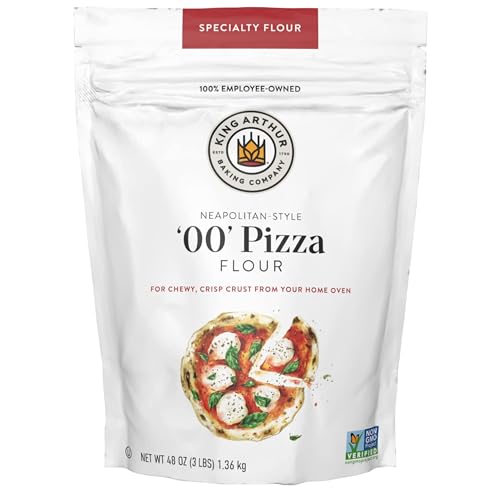
“00” refers to an Italian milling grade that produces an especially fine, soft flour, finer than typical all-purpose. King Arthur’s version is milled from American-grown wheat to that 00 standard, giving you a powder that hydrates smoothly and rolls out into the kind of thin, foldable base used in Neapolitan pizzerias.
For home cooks chasing a leopard-spotted crust on a baking steel, this is one of the more reliable American-made 00 options. The 3-pound bag handles two to three medium pizzas, and the fine grind means dough comes together with less kneading time. Anyone baking mostly cakes, cookies, or quick breads will find a coarser all-purpose more useful, so think of this as a specialty bag rather than a daily driver.
Benefits That Matter
- Fine 00 grind hydrates fast and rolls out thin without tearing.
- American-grown wheat supports a short, traceable supply story.
- Develops the chewy, blistered crust associated with Neapolitan pizza.
- Non-GMO Project Verified, helpful for shoppers who track that label.
Worth Noting
- Specialized for pizza and flatbread, so it isn’t an efficient everyday baking flour.
- Low protein relative to bread flour, which limits its use for tall, structured loaves.
Made For
Home pizzaiolos chasing a Neapolitan-style crust on a baking stone or steel.
Look Elsewhere When
Gluten-free pizza nights call for the King Arthur Gluten Free Pizza Flour instead.
Blanched almond flour is made from almonds with the skins removed, then ground into a pale, fine meal. The 64-ounce bulk format is the working-bag option for anyone baking keto cookies, macarons, or low-carb cakes every week.
Almond flour behaves very differently from wheat: it browns fast, needs extra eggs or binders, and burns if you bake it past 325°F without watching closely. Once you learn its rhythm, a bag this size pays for itself on a per-cookie basis. Keep it sealed and refrigerated after opening since the natural oils go rancid faster than wheat flour’s.
Real Benefits
- Four-pound bulk bag suits regular keto, paleo, or gluten-free bakers.
- Blanched (skin-off) texture gives baked goods a clean look and finer crumb.
- High protein and natural fats make it filling for low-carb recipes.
- Works in cookies, quick breads, and coatings for proteins.
Room For Improvement
- Not safe for anyone with tree nut allergies, a serious concern in shared kitchens.
- Goes rancid faster than wheat flour, so plan to use or freeze it within a few months.
Feature Snapshot
Best Suited To
Low-carb and keto home bakers who go through almond flour by the batch.
A Better Fit Elsewhere
Nut-free households will find the Bob’s Red Mill Gluten Free 1-to-1 Baking Flour a safer daily alternative.
Gluten-free pizza flour is a tougher ask than regular pizza flour because you need a blend that stretches, holds toppings, and crisps without the gluten network doing the work. King Arthur’s version combines sorghum flour, gluten-free wheat starch, and xanthan gum to recreate that chewy-crisp balance.
The 32-ounce box is sized for a few pizza nights a month and mixes into a dough that rolls out thinner than many rice-based recipes. You will still want a hot oven or steel for the best blister pattern, but the dough is forgiving and doesn’t require extra psyllium or binder hacks to behave. If anyone in the house avoids wheat, this is the closest mainstream option to the classic 00 experience covered earlier.
The Practical Payoff
- Engineered blend delivers chewy, crispy pizza without the gritty mouthfeel common to rice-only flours.
- Already contains xanthan gum, so you skip the extra binder step.
- Sorghum and wheat-starch combo gives good browning on a hot baking surface.
Small Caveats
- Wheat starch means it isn’t safe for people with celiac disease who react to wheat-based starches.
- Smaller batch (32 oz) than the regular King Arthur 00 Pizza Flour, so heavy pizza nights will run out fast.
Perfect Match For
Gluten-sensitive home cooks who still want real pizza night once or twice a month.
Skip It When
Anyone with full celiac or wheat-starch sensitivity should reach for the Bob’s Red Mill Gluten Free 1-to-1 Baking Flour and add their own pizza recipe on top.
Measure for Measure is King Arthur’s answer to the gluten-free bakers who want to keep their favorite wheat-flour recipes intact. The blend swaps one-to-one in non-yeasted bakes like cookies, muffins, pancakes, and cakes, which makes it a low-friction option for converting family recipes.
The 3-pound bag is a comfortable mid-size that fits a typical kitchen cabinet. The blend is fortified with iron, calcium, and vitamin B, which softens the nutritional gap you sometimes see when wheat is removed. For yeasted breads or pizza, the protein structure isn’t strong enough, so you’ll want to keep a specialty flour like the gluten-free pizza or bread mix on hand for those jobs.
Well-Handled Touches
- Cup-for-cup swap removes the most common friction in gluten-free baking.
- Added iron, calcium, and B vitamins help round out daily nutrition.
- Non-GMO and Kosher certified, useful if either matters to your shopping list.
- Mid-size 3-pound bag fits a regular pantry rotation without bloat.
Honest Caveats
- Not formulated for yeasted breads, so don’t expect tall sandwich loaves from it.
- Per-pound cost runs higher than bulk all-purpose wheat flour.
Spec Overview
Who Should Grab It
Gluten-free bakers who want to convert favorite wheat recipes without learning new ratios.
Not Your Match When
Strict keto bakers will prefer the Nature’s Eats Blanched Almond Flour’s high-fat, low-carb profile.
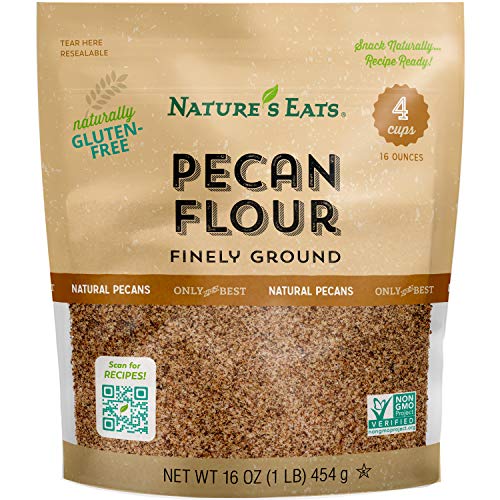
Pecan flour is the most aromatic option in this lineup, with a buttery, slightly sweet edge that carries through to the bake. Nature’s Eats’ finely ground 16-ounce bag is built to blend smoothly into batters without the gritty mouthfeel some coarser nut meals leave behind.
Most home cooks use it as a partial flour swap, mixed with almond flour or a gluten-free blend, rather than as a 1:1 stand-in. It shines in pecan pie crusts, shortbread, pancakes, and anything where the toasty nut flavor is the point. The smaller 16-ounce bag is actually a plus here since pecans are pricey and you want to use this fresh rather than let it linger in the pantry.
Notable Upsides
- Deep, buttery pecan flavor adds character even when used as 25% of the total flour.
- Fine grind blends into batter without leaving a coarse, sandy texture.
- Gluten-free, grain-free, and vegan, covering several diet styles at once.
Practical Considerations
- Strong flavor means it can dominate delicate vanilla or lemon bakes.
- Tree nut ingredient, so it’s not appropriate for nut-free homes or schools.
- Higher cost per ounce than the almond and cashew flours in this list.
Who Will Love This
Bakers chasing authentic pecan flavor in pie crusts, shortbread, and specialty cookies.
Another Choice May Suit
Nut-free households get a similar buttery crumb from the King Arthur Gluten-Free All-Purpose Flour with a touch of butter added.
This is King Arthur’s original gluten-free blend, made without xanthan gum so scratch bakers can control the binder themselves. The base is a mix of white rice flour, whole-grain brown rice flours, tapioca starch, and potato starch, which gives it a neutral, non-gritty taste.
The 24-ounce bag is the smaller, test-the-waters size before committing to a larger format. If you prefer a thinner crumb in cookies and pancakes and want to add your own xanthan, psyllium, or egg-based binders, this gives you that freedom. For thicker cakes and breads, you typically need to add a binder the recipe calls for, so it rewards cooks who like to dial in texture.
Noteworthy Benefits
- No xanthan gum included, so bakers can fine-tune binding to taste and recipe.
- Blend of rice flours, tapioca, and potato starch avoids the gritty texture common to single-grain GF flours.
- Non-GMO Project Verified and Kosher certified for shoppers who track labels.
Things To Consider
- Recipe results depend on adding the right binder, which is a learning curve for new GF bakers.
- Smaller 24-ounce bag means frequent bakers will reorder often.
Core Details
Right Fit For
Gluten-free scratch bakers who want to control the binder level recipe by recipe.
Where A Sibling Pick Shines
Anyone who just wants a swap-and-go experience should consider the Bob’s Red Mill Gluten Free 1-to-1 Baking Flour with xanthan already in the mix.
Cashew flour sits in the middle of the nut-flour family: milder than pecan, slightly sweeter than almond. The 32-ounce bag from Nature’s Eats is finely ground, which helps it dissolve into batters without leaving the slight grain you can get with coarser nut meals.
It works well in pancakes, light cakes, sauces thickened with a gluten-free base, and as a partial replacement for almond flour in cookies. The natural fats in cashews also produce a soft, tender crumb that holds moisture longer than wheat. Cashew flour has a richer mouthfeel than almond, so a small swap often goes a long way.
What Stands Out
- Mild, slightly sweet flavor that won’t compete with vanilla, citrus, or chocolate.
- Finely ground for smooth, non-gritty batters and sauces.
- Non-GMO Project Verified, matching label-conscious shopping lists.
Points To Watch
- Tree nut ingredient, off the table for nut-free kitchens and most schools.
- Higher natural fat content can make cookies spread more than expected.
- Costs more per ounce than almond flour, so use it where its flavor pulls the most weight.
Built With In Mind
Home cooks after a tender crumb in pancakes, light cakes, and gluten-free sauces.
Reach For A Different Pick When
Bake sales and school-friendly recipes are safer with the Bob’s Red Mill Gluten Free 1-to-1 Baking Flour.
Yeasted gluten-free baking is the hardest category to crack because doughs need to rise without wheat’s natural elasticity. King Arthur’s mix handles that complexity in the bag, so you add water, yeast, oil, and eggs, then mix and bake.
The 18.25-ounce pouch is a single batch, which keeps things approachable for first-timers. The finished loaf slices cleanly and the pizza base crisps up without a chalky finish. If you have a stand mixer, you’ll get a better crumb on the bread, but hand mixing still works for the pizza. After a successful trial, moving up to the King Arthur Gluten Free Pizza Flour for a more hands-on dough is a natural next step.
Useful Highlights
- Just-add-water (and a few basics) workflow removes the trickiest parts of GF yeast baking.
- Produces a sliced loaf with a traditional look and no gritty aftertaste.
- Fortified with iron, calcium, and B vitamins to help round out the meal.
- Non-GMO and Kosher certified for shoppers who track those labels.
Less Ideal Details
- Single-batch size means more frequent reordering for bread-eating households.
- Mixes cost more per finished loaf than scratch GF flours once you master ratios.
Feature Rundown
Who It Suits Best
New gluten-free bakers who want a reliable first loaf and pizza night without learning flour ratios.
Not Your Match When
Confident scratch bakers will get more value from the King Arthur Gluten-Free All-Purpose Flour plus their own binder routine.
Matching Flour Substitutes To Your Real Baking Goals
Choosing between these flours gets easier once you anchor the choice to the recipe and the eater, not the bag. The protein content, the presence of binding agents, and the dietary restrictions on the table shape the final pick more than brand names do.
Protein And Structure Decide Yeast Performance
Yeasted doughs need a flour that can trap gas and hold a rise. Wheat-based flours like the King Arthur 00 Pizza Flour and the Anthony’s Vital Wheat Gluten lead here because gluten proteins form an elastic network. Gluten-free options need either a binding gum (the xanthan in the Bob’s Red Mill 1-to-1 blend) or a starch-and-gum mix (the sorghum blend in the King Arthur Gluten Free Pizza Flour) to mimic that structure.
The trade-off shows up in crumb texture: gum-bound GF doughs slice cleanly, while starch-heavy doughs can feel tight. For most home bakers making pizza or sandwich loaves, the King Arthur Gluten-Free Bread and Pizza Mix is a low-friction starting point. Once you bake through a few batches, moving to a pure flour like the gluten-free pizza or all-purpose blend gives you control over the result.
Non-Yeast Recipes Reward Direct Swaps
Cookies, muffins, pancakes, quick breads, and cake-style bakes don’t rely on a long rise, so a one-to-one swap is usually safe. That’s where the Bob’s Red Mill Gluten Free 1-to-1 Baking Flour and the King Arthur Measure for Measure shine, since both already include the binding agents most recipes need. You trade a tiny amount of crumb refinement for the gift of not having to recalculate ratios.
Nut Flours Open Low-Carb And Flavor Doors
Almond, cashew, and pecan flours are grain-free and work for low-carb eating, but they’re not interchangeable with wheat at 1:1. They brown faster, need more binder, and behave best in cookies, crusts, and batters where a tender, slightly dense crumb is welcome. The Nature’s Eats Blanched Almond Flour in 64 ounces is the bulk option for high-volume bakers, the cashew flour brings a creamy neutral base, and the pecan flour is the flavor specialist for pie crusts and shortbread.
Labels And Allergens Narrow The List Quickly
Cross-contact is a real concern for anyone with celiac disease. Blends made in dedicated facilities (like the Bob’s Red Mill GF 1-to-1) offer more peace of mind than flours milled in shared spaces. Tree nut flours rule out nut-free households and school bake sales, regardless of how well they bake. Vegans and vegetarians get more flexibility across the list, since most of the wheat-based and nut-based options fit plant-based diets without changes.
Key Considerations Across These Picks
Pitfalls Shoppers Hit
The most common error is treating a specialty flour as a 1:1 wheat replacement, especially with almond, cashew, and pecan flours. They need more binder, lower oven temperatures, and a different bake time, otherwise the result turns dry or sandy. Another slip is buying a small bag of an expensive nut flour for a recipe that calls for two cups, then running out mid-batch. The bulk 64-ounce almond flour exists for that exact reason.
Skipping the dedicated-facility note is a subtler mistake. Wheat-starch-based GF blends and rice-based blends are not the same level of cross-contact risk, so anyone with a serious reaction should read the label closely. Finally, don’t store nut flours in the pantry for six months expecting them to stay fresh; refrigerate or freeze them after opening.
Where The Extra Money Goes
Higher-tier blends in this category buy three things: dedicated gluten-free facilities, added nutrients, and more consistent milling. The Bob’s Red Mill 1-to-1 and King Arthur Measure for Measure both add iron, calcium, and B vitamins, which costs more but closes a real dietary gap. The fine-grind nut flours cost more because the milling process discards the coarser particles.
The 00 pizza flour costs more than all-purpose because of the specialized milling grade. The gluten-free pizza flour from King Arthur is pricier than the 1-to-1 blend because it solves a harder problem (yeast structure) in a single bag. For casual weeknight bakers, the everyday blends are plenty. For households baking several times a week, the upgrade pays off in fewer recipe failures and more reliable results.
Frequently Asked Questions
What is the easiest flour substitute for baking if I’m new to gluten-free?
The Bob’s Red Mill Gluten Free 1-to-1 Baking Flour and the King Arthur Measure for Measure are both built for direct swaps in cookies, muffins, pancakes, and cakes. Pick whichever brand you can find consistently in your area.
Can I use almond flour in place of regular flour cup for cup?
Not for most recipes. Almond flour lacks gluten, absorbs liquid differently, and browns much faster, so it usually replaces only 25 to 50 percent of the wheat flour in a recipe, or needs a tested almond-flour recipe to work at all.
What is the best flour substitute for baking pizza at home?
For wheat-based pizza, the King Arthur 00 Pizza Flour delivers a fine-milled dough that crisps well. For gluten-free pizza, the King Arthur Gluten Free Pizza Flour is designed specifically for that job and avoids the gritty texture of rice-only blends.
Do I need to add xanthan gum if my flour already contains it?
No, skip it or the dough will turn gummy. If the flour does not include xanthan gum (like the King Arthur Gluten-Free All-Purpose Flour 24 oz), add the amount your recipe specifies.
How should I store nut flours so they stay fresh?
After opening, move almond, cashew, and pecan flours to an airtight container in the fridge or freezer. The natural oils go rancid faster than wheat flour’s, and cold storage adds months to the usable life.
Final Verdict
Start by clarifying the real question behind your search: low-carb, gluten-free, better pizza crust, or just a better everyday bake. The most useful pantry for most home cooks is a pair, one gluten-free blend like the Bob’s Red Mill 1-to-1 plus one specialty flour for the job you bake most often. Once that base is set, adding a nut flour for weekend experiments rounds out a kit that can handle just about anything a recipe throws at it.
