

Walk down the baking aisle and you’ll find a dozen flour bags promising perfect cakes, but your recipe and your dietary needs decide which one earns shelf space. The right protein level, milling style, and blend make the difference between a tender crumb and a tough layer. Home bakers who bake a few times a month benefit from a versatile all-purpose, while dedicated cake makers may want a dedicated low-protein option. Specialty diets push the search toward gluten-free blends that still behave like wheat.
The Choices Worth Comparing

Wheat Montana Natural White Flour 2-Pack 5lb

Bob’s Red Mill Gluten Free 1-to-1 Flour 22oz (4 Pack)

Bob’s Red Mill Super-Fine Cake Flour 3lb
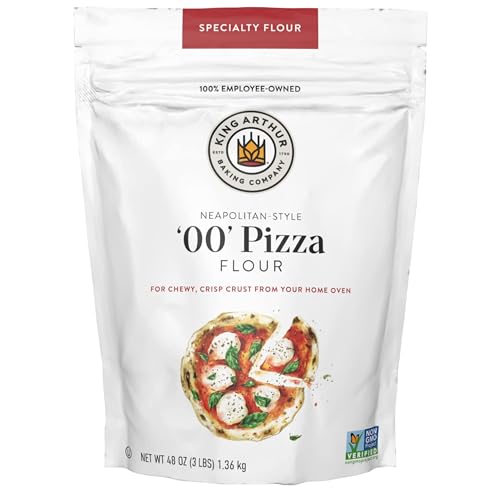
King Arthur 00 Pizza Flour 3 lb

Antimo Caputo Chef’s Flour 2.2 LB (Case of 10)

King Arthur Measure for Measure GF Flour 3 lb

King Arthur GF Bread Flour 2 lb

Bob’s Red Mill Self-Rising Flour 3 lb

King Arthur GF All-Purpose Flour 24 oz

Bob’s Red Mill High Fiber Flour 3 lb
Inside Each Recommended Option
A straightforward unbleached all-purpose from a farm-to-table miller, this two-bundle gives most households plenty of runway before a restock. For bakers who churn out layer cakes, cookies, and quick breads every week, the 10-pound total keeps a single purchase relevant across months of weekend projects.
Compared to Bob’s Red Mill options later in the list, this is a simpler, no-frills workhorse without specialty positioning. For a household that wants one dependable bag for everything, it earns its place.
Practical Advantages
- Unbleached and unbromated, with no additives or preservatives for a cleaner ingredient list.
- Two 5-pound bags provide enough volume for multi-recipe weekends and large birthday cakes.
- Kosher certified and non-GMO, fitting a range of household dietary preferences.
- Resealable packaging helps keep the flour fresh between bakes, reducing the risk of pantry pests.
Trade Offs
- Ten pounds takes up meaningful pantry space, so smaller kitchens may struggle to store it.
- No specialty grind, so it won’t match the ultra-fine texture of a dedicated cake flour for delicate sponges.
Feature Snapshot
Right Fit For
Active home bakers who want a clean, reliable all-purpose with enough volume to avoid running out mid-recipe.
Consider Something Else When
You bake primarily delicate sponge or chiffon cakes, where Bob’s Red Mill Cake Flour will give you a lighter crumb.
This blend stands out for households that need a true drop-in replacement for wheat flour in everyday cake and cookie recipes. The four-bundle gives committed gluten-free bakers a meaningful stockpile, which matters because specialty flours tend to disappear from pantries faster than they expect.
For a celiac household baking birthday cakes, this blend removes the guesswork from converting a family recipe. The xanthan gum is already built in, so the swap feels closer to standard baking.
The Case For It
- Pre-blended with xanthan gum, so recipes don’t require extra binders.
- Made in a dedicated gluten-free facility, reducing cross-contamination concerns.
- Four-bundle format keeps gluten-free households stocked through months of baking.
Where It Is Less Suited
- Recipes calling for yeast may need the more specialized bread blend, since this 1-to-1 leans toward non-yeasted bakes.
- Smaller 22-ounce bags may not suit someone wanting one large container for a busy kitchen.
Made For
Gluten-free bakers who want minimal recipe adjustments for classic cookies, cakes, and brownies.
A Better Fit Elsewhere
Someone baking yeasted gluten-free breads should reach for King Arthur Gluten-Free Bread Flour instead.
When a recipe specifically asks for cake flour, this product is what you want sitting in the pantry. The extra-fine milling helps batters stay smooth and produces the tender crumb associated with bakery-style sponges and chiffons.
For bakers tackling angel food cakes or layered vanilla sponges where a light, airy structure matters, the lower protein content delivers reliably. Most general-purpose flours cannot replicate this lift.
The Upside
- Super-fine grind promotes even mixing and smooth batters in delicate cakes.
- Lower protein content supports the soft, tender crumb cake flour is known for.
- Three-pound bag suits moderate-frequency home bakers without going stale.
A Few Limitations
- Not designed for bread or chewy baked goods, so it won’t replace your everyday all-purpose.
- Once opened, the bag should be used within a few months to preserve that fresh-milled quality.
Quick Facts
Best Suited To
Bakers who regularly make sponge, chiffon, or angel food cakes and want authentic results.
Look Elsewhere When
You mainly bake quick breads and cookies, where Wheat Montana Natural White Flour handles the job at a friendlier price point.
Built for pizza crusts but milled fine enough to serve a curious cake baker. The 00 designation (an Italian grading system referring to the finest grind level) gives you an exceptionally soft flour that some bakers borrow for ultra-tender cake layers.
Outside of pizza, this is a specialty pick for people who enjoy experimenting with textures. For everyday cake baking, it works but feels like an expensive detour.
Advantages To Know
- Made from American-grown wheat, milled to a very fine 00 standard for smooth hydration.
- Non-GMO verified, fitting households that track ingredient sourcing closely.
- Three-pound bag is a manageable size for a curious baker testing specialty textures.
Points To Keep In Mind
- Not formulated for cake work specifically, so most bakers reserve it for pizza nights.
- Fine milling means it absorbs liquid differently, requiring a recipe adjustment for standard cake batters.
Who Will Love This
Home cooks splitting time between pizza and cake who want a versatile specialty flour on the shelf.
Not Your Match When
You want a proven cake specialist, where Bob’s Red Mill Cake Flour is purpose-built for the job.
This case pack makes sense for serious home cooks and small pizzerias. The Italian-style soft wheat works beautifully for long-fermentation doughs and for bakers who want to stretch their supply across many projects.
Twenty-two pounds total, packaged in ten smaller bags, helps preserve freshness as you open each one. For a small restaurant, this format reduces how often you reorder.
Positive Takeaways
- Case pack format with individually sealed 2.2 lb bags keeps each portion fresh until use.
- Soft wheat 00 flour designed for long fermentation, giving more flexibility for slow-rise doughs.
- Total 22 lb weight offers better unit value for kitchens baking several times a week.
Points To Note
- Ten separate bags take up more shelf space than a single 22 lb sack would.
- Designed primarily for pizza and pasta, not optimized for tender cake baking.
Key Product Details
Right Fit For
Pizza and pasta enthusiasts who bake frequently and want a reliable bulk supply of soft Italian-style flour.
Reach For A Different Pick When
Cake baking is your main interest, where King Arthur 00 Pizza Flour offers similar quality in a more household-friendly size.
For a gluten-free baker who still wants to make traditional cookies, cakes, and pancakes, this blend keeps recipes simple. The “measure for measure” name means you swap it in cup-for-cup for wheat flour without rebalancing every ingredient.
Where the Bob’s Red Mill 1-to-1 focuses on a wide GF range, this one adds fortification, which helps offset the nutrient gap that comes with avoiding wheat.
Where It Delivers
- 1:1 substitution for wheat flour in non-yeasted recipes, simplifying recipe conversions.
- Enriched with iron, calcium, and B vitamins to support nutritional balance.
- Non-GMO and Kosher certified, fitting a range of dietary and religious preferences.
Some Limits To Know
- Not formulated for yeasted bakes like bread or pizza dough, where a specialized blend performs better.
- Three-pound bag may run out quickly in a household baking multiple times a week.
Perfect Match For
Gluten-free bakers making cookies, cakes, and muffins who want simple ingredient swaps.
Skip It When
You want to bake yeasted gluten-free bread, where King Arthur Gluten-Free Bread Flour is engineered for stronger rise.
Gluten-free bread is one of the trickiest bakes because yeasted doughs need structure to trap gas. This blend pairs gluten-free wheat starch (wheat where the gluten protein has been removed) with sorghum and xanthan gum to give doughs the chew and lift they’re missing.
For bagel and artisan boule projects, this is the option that most closely mirrors the behavior of traditional bread flour. The 2-pound bag suits someone trying a few loaves before committing to a larger format.
The Helpful Details
- Designed for yeasted recipes, including bagels, cinnamon rolls, and burger buns.
- Blend of sorghum flour, wheat starch, and xanthan gum supports proper dough structure.
- Works as a 1:1 replacement for wheat bread flour, so you don’t need to recalculate hydration.
Honest Caveats
- Two-pound bag fills a small loaf or two, so frequent bakers go through it quickly.
- Not a fit for those avoiding wheat starch entirely, since the base still uses it.
Technical Reference
Right Fit For
Gluten-free bakers making yeasted breads, bagels, and rolls who want reliable structure and rise.
Where A Sibling Pick Shines
For non-yeasted cakes and cookies, King Arthur Measure for Measure is the more practical everyday option.
Self-rising flour is flour pre-mixed with baking powder and salt, designed to skip a few measuring steps on busy mornings. Biscuits, pancakes, and quick muffins all work nicely with it.
For a household that bakes these breakfast-style treats often, a bag of this stuff means less counter clutter and faster cleanup. It isn’t ideal for most standard cake recipes, since those typically call for specific leavening amounts.
Everyday Wins
- Pre-measured baking powder and salt simplify weeknight baking.
- Three-pound bag is a sensible size for families who bake biscuits and pancakes regularly.
- Consistent rise across batches, removing one variable from quick bread results.
Trade-Offs To Consider
- Pre-added leavening limits control in recipes that call for precise baking powder amounts.
- Not suited for yeasted doughs or delicate cake recipes that need separate leavening management.
Made For
Households that bake biscuits, pancakes, and quick muffins often enough to appreciate faster prep.
Another Choice May Suit
For everyday layer cakes, Wheat Montana Natural White Flour gives you full control over leavening.
Unlike most gluten-free blends, this one is made without xanthan gum, leaving the binder choice to the baker. For a scratch cook who likes to fine-tune recipes, that freedom is meaningful.
White rice flour, whole grain brown rice flour, tapioca starch, and potato starch form a neutral base that doesn’t leave the gritty aftertaste some GF blends struggle with. You will need to add a binder when a recipe expects it.
The Practical Payoff
- Made without xanthan gum, so bakers control the binder themselves.
- Blend of white rice, brown rice, tapioca, and potato starch delivers a neutral flavor.
- Non-GMO and Kosher certified for households that track those specifics.
Worth Bearing In Mind
- No xanthan gum means adding it separately in most recipes, which is one more step.
- 24-ounce bag is smaller than the other King Arthur options, so it disappears faster in a busy kitchen.
Best Suited To
Gluten-free scratch bakers who want full control over binders and prefer to adjust recipes by hand.
Where Another Pick Suits Better
For simpler one-step swaps, Bob’s Red Mill Gluten Free 1-to-1 has the binder already included.
This blend sneaks extra fiber into bakes using resistant starch, a carbohydrate that resists digestion and feeds beneficial gut bacteria. For nutrition-conscious households, that’s a meaningful upgrade over standard all-purpose without changing the recipe format.
For muffins, flatbreads, and everyday cakes, the texture lands close to all-purpose. Heavier or more delicate bakes may need a recipe adjustment to balance moisture.
What Works In Its Favor
- Adds 6 g of fiber per serving through resistant starch, a prebiotic fiber source.
- Behaves like all-purpose flour in most recipes, so adjustments stay minimal.
- Three-pound bag fits comfortably in a standard pantry without crowding.
Where It May Fall Short
- Not designed for high-rising yeasted bakes that need more gluten structure.
- Recipes relying on a very light crumb may need extra leavening to compensate.
Who Should Grab It
Health-conscious bakers who want extra fiber in everyday bakes without overhauling their recipes.
Swap It Out When
You want a traditional all-purpose with maximum versatility, where Wheat Montana Natural White Flour is the simpler choice.
What to Weigh Before Picking Your Next Bag of Flour
Protein content drives most flour behavior. All-purpose and bread flours sit in the 10–12% range, while cake flour lands closer to 7–9% for a tender crumb. Higher protein means more gluten development, which helps breads and pizza doughs trap gas; lower protein keeps cakes soft and delicate.
Milling style shapes hydration. Fine 00 flour absorbs liquid differently than coarser all-purpose, so swapping between them usually needs a recipe adjustment. For a baker sticking to one or two flour types, the variance rarely causes problems, but adventurous bakers should expect a small learning curve.
Dietary needs matter too. Gluten-free blends vary widely in how well they mimic wheat behavior, and some skip xanthan gum to let the baker add it themselves. Reading the ingredient list helps match a blend to the recipes you actually bake, not just the label on the bag.
Key Considerations Across These Picks
Common Slip Ups When Buying Flour for Cakes
The most frequent mistake is grabbing an all-purpose when the recipe calls for cake flour, or reaching for bread flour when tenderness matters. Those small protein differences can turn a delicate sponge into a dense loaf. Checking the bag for “cake” or “pastry” on the label saves a lot of frustration.
Another trap is ignoring storage. Flour lasts longer in a cool, dry pantry and benefits from a sealed container once opened. Buying a giant 10-pound bag without a plan to use it within a few months can mean stale flour by the bottom of the bag.
Where the Extra Money Goes in Premium Flours
Higher-tier flours usually cost more because of finer milling, dedicated gluten-free facilities, or specialty grain sourcing. A 00 flour reflects the extra steps needed to mill that finely. A dedicated GF facility costs more to maintain, which shows up in the price.
The upgrade is worth it when the recipe depends on a specific texture, like a delicate chiffon cake that needs fine-milled cake flour, or a gluten-free bake that needs a trusted facility. For everyday cookies, the premium may not show up in the result, so a simpler all-purpose often does the job.
Frequently Asked Questions
What flour is best for baking cakes? Cake flour is ideal for tender cakes due to its lower protein content, which produces a soft crumb. All-purpose flour works well for sturdier cakes like pound cake or chocolate cake where you want a bit more structure.
Can I substitute all-purpose flour for cake flour? Yes, though the result will be slightly denser. Many bakers use all-purpose when cake flour isn’t available, while adjusting leavening to keep the texture light. For very delicate recipes, cake flour still produces the best result.
Is gluten-free flour good for baking cakes? Gluten-free blends like Bob’s Red Mill 1-to-1 or King Arthur Measure for Measure are designed specifically for baking, including cakes. They include binders like xanthan gum to mimic the structure gluten provides in wheat-based recipes.
How long does flour last once opened? All-purpose flour typically stays fresh for 6–12 months in a sealed container in a cool, dry pantry. Whole grain flours have a shorter shelf life, usually 3–6 months, because the natural oils in the bran can go rancid.
Do I need cake flour if I already have all-purpose? For most standard cake recipes, all-purpose produces a perfectly fine result. Cake flour becomes valuable when you want an exceptionally light and tender crumb, like in angel food or chiffon cakes, where protein content really matters.
Wrap Up
The flour that fits your shelf depends on what you bake most often, the dietary needs of your household, and how much space your pantry can spare. A versatile all-purpose handles most projects, while specialty flours earn their place when a recipe asks for specific results. Browse the list, match it to your habits, and let your next bake taste the difference.
