

Fresh milled flours have moved from niche farm-table curiosity to everyday staple, and the category now spans cookbooks, specialty grains, and pantry workhorses. Home bakers weighing a mill purchase, an ancient grain, or simply a better all-purpose bag will find genuine variety in 2026’s catalog. The list below pairs instructional books with the flours those books reference, so your reading and your pantry finally line up.
The Main Contenders

Fresh Milled Flour Bible: A Practical Guide to Perfect Breads & Pastries

Einkorn for Novice Bakers: Guide to the World’s Oldest Wheat

The Busy Kitchen Sourdough Discard Cookbook
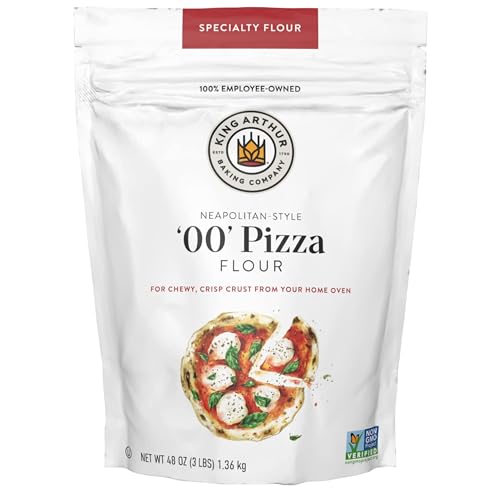
King Arthur 00 Pizza Flour, 3 lb Bag

Antimo Caputo Chef’s Flour 00 (Case of 10)
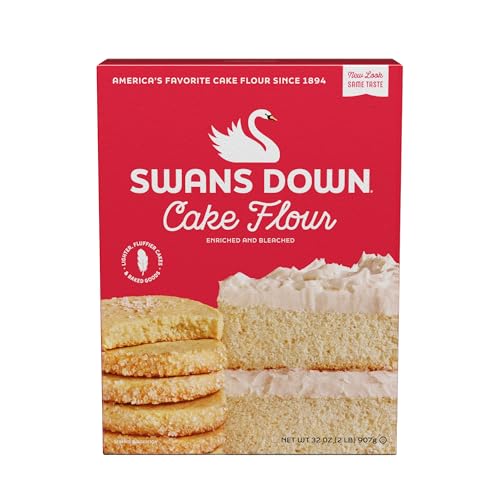
Swans Down Regular Cake Flour, 32 oz

King Arthur Bread Flour, Unbleached, 5 lb
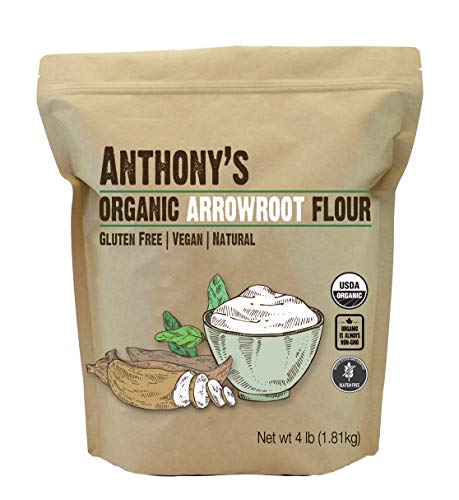
Anthony’s Organic Arrowroot Flour, 4 lb

Gold Medal All Purpose Flour, 3 lb Resealable Bag

King Arthur Premium Semolina Flour, Coarse 3 lb
More Details On Our Top Picks
Anita Miller’s Fresh Milled Flour Bible lands first because it tackles the single biggest barrier for new millers: not the grinding, but everything that comes after. The book walks through choosing grains, picking a mill, and adjusting favorite recipes for the way fresh flour absorbs water and behaves in a dough.
You get grain-by-grain insight on flavor, rise, and texture, which is genuinely useful if you’re standing in front of three wheat varieties wondering which one to try first. The science-based framing keeps it grounded, and the inclusion of pastries alongside bread means a single volume covers a lot of weekend baking.
Useful Strengths
- Translates whole-grain science into plain language for first-time millers.
- Helps adapt existing bread recipes to fresh flour without the usual dense, flat results.
- Covers pastries as well as loaves, so a single book spans most home-baking needs.
- Includes grain comparison notes on flavor, absorption, rise, and gluten behavior.
Things To Consider
- Reading time stacks up; budget several evenings before the first bake.
- Recipe indexes in newer self-published cookbooks can run thin, so expect to dog-ear pages.
Who It Suits Best
First-time millers and curious bakers who want a single guided volume before investing in hardware or bulk grain.
Where Another Pick Suits Better
Bakers already committed to sourdough should reach for The Busy Kitchen Sourdough Discard Cookbook instead, since it focuses on a narrower day-to-day routine.
Einkorn behaves differently from modern wheat, and Einkorn for Novice Bakers leans into that gap rather than glossing over it. Where the Fresh Milled Flour Bible covers the broad category, this title narrows in on one ancient grain and the quirks that come with it.
You get guidance on reading the dough, mastering a slow rise, and converting family recipes to whole grain. For cooks drawn to heritage wheats, the focused scope is a feature rather than a limit, since each chapter is built around real einkorn behavior, not generic whole-wheat advice.
The Practical Payoff
- Explains why einkorn turns sticky and how to keep doughs workable.
- Teaches a slow-rise method that suits the grain’s gentler gluten profile.
- Walks through converting go-to family recipes so favorites can travel with you to a new flour.
- Frames the swap from all-purpose to whole grain in approachable language.
Points To Note
- Narrow focus means einkorn is the only grain covered in real depth.
- Most value unlocks after you’ve actually sourced einkorn berries, which can be a hunt depending on region.
Feature Snapshot
Whose Shelf It Belongs On
Bakers exploring heritage wheats and looking to convert everyday recipes to a single specialty grain.
Look Elsewhere When
Bakers wanting a broad grain-milling foundation should pick up the Fresh Milled Flour Bible instead, since this title focuses on one grain only.
The Busy Kitchen Sourdough Discard Cookbook treats the jar of discard on your counter as a feature, not waste. Where the einkorn title teaches patience, this one is about speed, turning the byproduct of your starter into pancakes, pretzels, pizzas, and brownies in roughly the time it takes to preheat an oven.
It also solves the two questions sourdough households hit most often: how to balance acidity, hydration, and flavor, and why discard crackers sometimes go soft by morning. That’s the kind of granular troubleshooting that turns a casual baker into a steady one.
Real Benefits
- Uses sourdough discard quickly, cutting down on kitchen waste between feeds.
- Explains discard-to-flour ratios in plain numbers, so a recipe survives scaling.
- Spans sweet and savory, including pizzas and brownies for variety beyond rolls.
- Includes a “Flavor Library” system for adjusting taste without reworking ratios.
Worth Bearing In Mind
- Most useful only once a sourdough starter is already established.
- Some discard recipes (especially crackers) can lose crispness overnight in humid kitchens.
Made For
Sourdough households with extra discard on hand who want fast, varied bakes between feedings.
Skip It When
You don’t yet maintain a starter, in which case the Einkorn for Novice Bakers guide is a better entry point into specialty baking.
King Arthur’s 00 Pizza Flour is milled finely enough to support the leopard-spotted crusts you see in Neapolitan pizzerias, yet it behaves predictably in a home oven. The 3 lb bag fits small-counter kitchens and stays fresh through a few pizza nights.
Made entirely from American-grown wheat and verified non-GMO, it answers a common shopper question about where the flour comes from. Compare it to the Caputo entry further down, which ships in a much larger case, and you’ll see this bag is aimed at weekend bakers rather than daily pizzaiolos.
Real-World Strengths
- Extra-fine grind supports the bubbly, lightly charred crust associated with Neapolitan pies.
- Sourced from 100% American-grown wheat, helpful for shoppers tracking origin.
- Smaller 3 lb bag stays usable longer than bulk options for low-volume kitchens.
Trade Offs
- Not a general-purpose flour; behaves poorly in cakes or cookies that need lower protein.
- Smaller bag means repurchasing more often for households that bake weekly.
Quick Facts
Best Suited To
Weekend pizza makers who want an authentic crust without committing to a 22 lb case.
Consider Something Else When
You bake pizza often enough to burn through a small bag weekly, in which case the Antimo Caputo Chef’s Flour case may suit you better.
The Caputo case is built for bakers who have already decided that pizza is a regular habit. Ten 2.2 lb bags total 22 lb of soft-wheat 00 flour, the variety Caputo has produced in Italy since 1924, and the one that supports long-fermentation doughs and stretchy Neapolitan bases.
The case format suits small pizzerias, food trucks, and household cooks who stretch, ball, and chill dough on a weekly cycle. The texture is softer than King Arthur’s pizza flour above, so the resulting crust tends toward tender, foldable slices rather than crackery ones.
Points In Its Favor
- Soft-wheat 00 grind tailored for long-fermentation doughs and tender slices.
- Case of 10 keeps a steady pantry supply for frequent pizza nights.
- Long-running heritage brand associated with pizzeria-style results.
Honest Caveats
- 22 lb total is a lot of flour for casual weekend bakers; storage space matters.
- Soft 00 isn’t a substitute for bread flour when you want an open, chewy crumb.
Spec Overview
Perfect Match For
Frequent pizzaiolos and small pro kitchens that work through flour steadily and want a soft, long-fermentation-friendly grind.
Reach For A Different Pick When
You’re a casual home baker, where the King Arthur 00 Pizza Flour 3 lb bag is easier to store and finish in time.
Swans Down has been the cake-flour reference for American bakers for a long time, and the 32 oz box is the size most home kitchens want. Made from soft winter wheat, it produces the fine, tender crumb that layer cakes, cupcakes, and delicate cookies depend on.
It contains no baking powder or salt, which actually matters: that gives you full control over leavening and seasoning, especially when adapting recipes for altitude or alternate sweeteners. The 32 oz box, or a four-pack for heavier use, suits most households without dominating the pantry.
Practical Pluses
- Soft winter-wheat base produces a fine, tender crumb in cakes and cupcakes.
- No added leavening or salt, so bakers control the rise and seasoning directly.
- Available in 32 oz single boxes and four-packs for higher-volume kitchens.
Small Caveats
- Wrong choice for yeast breads; protein is too low for proper rise.
- Some bakers prefer a larger box if they bake layer cakes often.
Right Fit For
Bakers chasing tender layer cakes, cupcakes, and delicate cookies that need a low-protein flour.
Swap It Out When
You’re baking yeasted loaves, where King Arthur Bread Flour delivers the protein punch this flour can’t.
King Arthur’s unbleached bread flour is the workhorse for anyone who bakes yeasted loaves at home. The protein content is a full point higher than most national competitors, which translates into a stronger rise and the kind of open, chewy crumb sandwich loaves and boules need.
Unbleached matters too, since the flour hasn’t been chemically lightened, and the result tastes slightly more wheaty and less neutral. Available in 32 oz and 80 oz bags, it scales from small loaves to weekly sandwich routines. Compared to the all-purpose entry below, this is the better choice when gluten strength is the priority.
Standout Benefits
- Higher protein content supports taller rises and a chewier crumb.
- Unbleached, so the flour keeps a more pronounced wheat flavor.
- Bag sizes cover both small loaves and heavy weekly routines.
- Versatile enough for bread, rolls, and pizza dough in a single bag.
Points To Keep In Mind
- Too much protein for tender cakes; Swans Down handles that job better.
- Higher protein can toughen cookies if substituted one-for-one into recipes built for all-purpose.
Feature Card
Who Will Love This
Sourdough and yeasted bread bakers who want a reliable, high-protein base for hearty loaves.
A Better Fit Elsewhere
Bakers focused on tender cakes should grab Swans Down Regular Cake Flour instead, since this flour overpowers delicate batters.
Arrowroot is technically a starch, not a flour, but it earns its place in a flour roundup for one reason: it thickens, binds, and crisps in ways that wheat flours cannot. Anthony’s version is batch-tested gluten-free, certified organic, and comes in a 4 lb bag that lasts a long time in a closed pantry.
It’s a useful sidekick rather than a headliner. Toss a spoonful into gluten-free bakes for structure, use it to thicken sauces, or roll it onto proteins for a light crust. In a list dominated by wheat options, this is the choice for allergen-aware cooking.
What It Does Well
- Thickens sauces and gravies without the cloudiness cornstarch can leave.
- Adds structure to gluten-free bakes, especially cookies and quick breads.
- Batch-tested gluten-free and organic, useful for allergen-aware kitchens.
- 4 lb bag covers long-term thickening and baking needs without frequent repurchase.
Some Limits To Know
- Cannot replace wheat flour one-for-one in yeasted bread recipes.
- Becomes gummy in dairy-based sauces if used past its thickening capacity.
Who Should Grab It
Gluten-free and allergen-aware cooks who want a versatile thickener and baking aid on hand.
Not Your Match When
You’re baking yeasted loaves, where King Arthur Bread Flour provides the gluten structure this starch can’t.
Gold Medal’s all-purpose flour is the everyday bag for households that don’t want to think too hard about which flour to grab. The resealable 3 lb bag keeps it fresh on the shelf, and the formulation is balanced enough to span cookies, pancakes, quick breads, and even some yeasted doughs.
It won’t outperform specialty flours, and that’s the point. For a household that bakes a bit of everything, an all-purpose bag removes the friction of choosing. Pair it with a high-protein bread flour on the side when loaves need extra lift, and a single bag handles the rest.
Well-Handled Touches
- Resealable bag keeps flour fresh between uses.
- Versatile enough for cookies, cakes, pancakes, and lighter yeasted doughs.
- Available in 3 lb and larger 68 oz sizes for different household volumes.
- Solid performance at a value-tier positioning in the pantry category.
Trade-Offs To Consider
- Protein level sits between cake and bread flour, so it can’t match either at the extremes.
- Specialty bakes may need a second flour to reach peak texture.
Built With In Mind
Everyday bakers and busy kitchens that want one reliable bag to cover a wide mix of recipes.
Another Choice May Suit
You bake mostly yeasted loaves, where King Arthur Bread Flour’s extra protein delivers a stronger rise.
Semolina is the coarse, high-protein flour behind traditional pasta, and King Arthur’s version uses 100% USA-grown durum wheat in a 3 lb resealable bag. The coarse grind gives pasta that slightly toothsome bite, and the pale yellow color carries over into the finished dough.
It pulls triple duty: pasta, pizza, and bread, with a slightly nutty sweetness that all-purpose flour doesn’t bring. Compared to the 00 pizza flour above, semolina has more chew and more protein, so it complements softer doughs as a dusting or a partial blend rather than a full substitute.
Noteworthy Benefits
- Coarse durum grind gives pasta a toothsome, traditional bite.
- High protein content supports chewy pizza and enriched breads.
- Resealable 3 lb bag keeps the coarser grind fresh on the shelf.
- Kosher and 100% USA-grown durum, helpful for shoppers tracking sourcing.
Where It Is Less Suited
- Coarse texture doesn’t behave like all-purpose in delicate batters.
- Distinct yellow color changes the look of cookies or cakes that expect a pale crumb.
Details At A Glance
Right Fit For
Fresh pasta makers and home cooks who want a coarse, high-protein flour with a nutty flavor profile.
Consider Something Else When
You bake mostly cookies and cakes, in which case Gold Medal All Purpose Flour is the friendlier everyday choice.
What Matters Most Before Choosing Fresh Milled Flours
Match The Flour To The Bake You Actually Make
The biggest decision is whether you bake mostly yeasted bread, delicate cakes, pizza, pasta, or a mix. Yeasted loaves benefit from higher protein, so a bread flour like the King Arthur 5 lb bag typically outperforms all-purpose for open crumb structure. Cakes and tender cookies need low-protein soft wheat, which is what makes Swans Down a specialist choice rather than a general one. Pizza and pasta sit in their own lanes: 00 flour gives the soft Neapolitan feel, semolina gives pasta its bite, and the choice often comes down to which style of bake your household prefers. Picking the flour that matches your most common bake saves a lot of trial loaves.
Think About Pantry Scale And Storage
Flour loses quality once a bag is opened, especially whole-grain and freshly milled versions. Smaller bags like the 3 lb King Arthur 00 or Gold Medal all-purpose fit low-volume kitchens and finish before freshness fades. Larger cases like the Antimo Caputo 10-pack make sense only when you can work through 22 lb before it goes stale. If your climate is humid, plan on a sealed container rather than the original bag, and consider how often you bake before committing to bulk.
Know The Difference Between Fresh Milled And Commercial
Freshly milled flours, the ones the books above teach you to make at home, retain more of the grain’s germ and bran, which translates to stronger flavor and more nutrients, but also shorter shelf life. Commercial flours like the ones in this list are milled to last, often bleached or heat-treated, and consistent bag to bag. Many home bakers run a hybrid: commercial bread or all-purpose flour for daily baking, plus a small mill for weekend specialty loaves. Either path is valid; the books and the flours in this list simply support different parts of the routine.
Key Considerations Across These Picks
Mistakes Worth Dodging
The most common slip is buying flour for a bake you rarely make. A 22 lb case of 00 pizza flour looks efficient, but it ages fast in a household that bakes pizza twice a year. Another trap is assuming all-purpose covers everything; protein levels vary between brands, and that difference shows up in sandwich loaves. A related issue is grabbing bread flour for cookies or cakes, which produces a tough, chewy result where a tender crumb was wanted. Read the recipe’s flour call before you buy, and resist the urge to over-specialize too early.
Where The Extra Money Goes
Higher-tier flours like the Antimo Caputo case or specialty products like organic arrowroot charge a premium for three things: provenance, grind consistency, and packaging. Italian 00 flour from a long-running mill commands a markup because the wheat blend and milling standards are tightly controlled. Organic and batch-tested certifications raise the cost of arrowroot meaningfully. For most home bakers, the upgrade is worth it when the bake you’re making depends on the difference, Neapolitan pizza, fresh pasta, or allergen-friendly cooking, and not worth it when an everyday all-purpose will do.
