

Homemade pizza night should feel rewarding, not like a chemistry project. The right dough, mix, or flour blend decides whether you pull a leopard-spotted crust from the oven or a pale, gummy disc. This guide covers nine pantry-friendly picks that cover gluten-free baking, classic wheat flour swaps, almond-and-cauliflower shortcuts, and finishing seasonings that make a simple pie taste like it came from a wood-fired shop.
A Side-By-Side Look
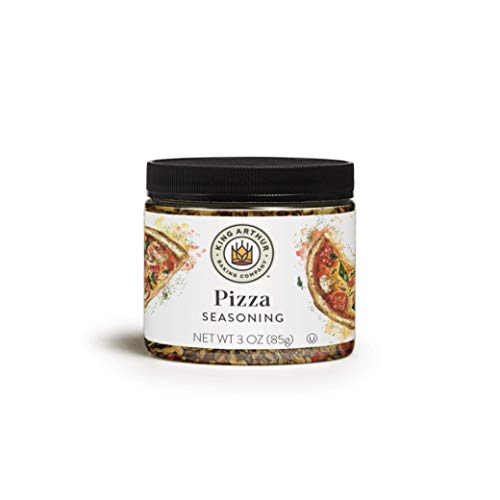
King Arthur Pizza Seasoning, 3 Ounces

King Arthur Gluten Free Pizza Flour 32 Oz

King Arthur Measure for Measure GF Flour 3 lb

King Arthur Gluten-Free Bread Flour 2 lb

King Arthur Gluten-Free Brownie Mix 17 Oz
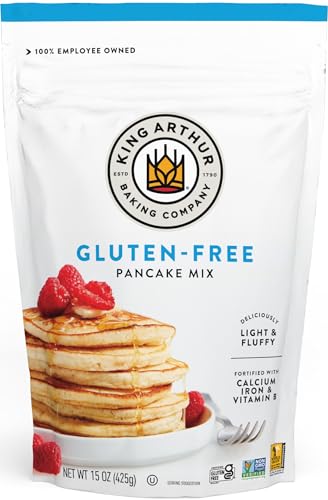
King Arthur Gluten-Free Pancake Mix 15 Oz

King Arthur Gluten-Free All-Purpose Flour 24 Oz

King Arthur Gluten-Free Bread and Pizza Mix 18.25 Oz

Simple Mills Cauliflower Pizza Dough Mix 6-Pack
More Details On Our Top Picks
A finishing sprinkle can rescue a pie that tastes flat, and this King Arthur blend is built for that final moment. It leans Italian with onion, garlic, basil, and oregano, but the red pepper flakes add a slow-building heat that plain Italian seasoning does not bring. For a weeknight margherita or a take-and-bake shortcut, a light dusting right out of the oven perks everything up.
You get a 3-ounce tin, which is plenty for a few months of weekly pizza nights. The blend is certified kosher and made in the USA, and you may find the heat level lands a touch high for kids if you go heavy-handed.
The Upside
- Brings real aroma and color to a finished pie with no chopping or mincing.
- Built on familiar Italian herbs plus a red pepper kick that plain oregano lacks.
- Tiny 3-ounce tin stores easily in a spice drawer or pantry shelf.
- Certified kosher and made in the USA, which matters to some households.
Things To Consider
- Red pepper flakes mean sensitive palates may want a lighter hand than the recipe suggests.
- Best as a finishing touch rather than a dough ingredient, so it does not replace dried herbs in the crust.
Right Fit For
Home cooks who buy plain dough or take-and-bake pizzas and want a quick flavor upgrade without buying five separate spice jars.
Look Elsewhere When
You want to bake from scratch and need a flour blend instead, in which case the King Arthur Gluten Free Pizza Flour is a better fit.
If celiac disease or gluten sensitivity rules out wheat flour, this King Arthur blend is the closest thing to a classic Neapolitan-style crust you can pull from a box. It is built around sorghum flour, a gluten-free wheat starch, and xanthan gum, a plant-derived thickener that gives gluten-free doughs the chew and structure they usually lack.
Compared with the seasoning in pick 1, this is a true dough base, so you still get to add your own yeast, water, and olive oil. The result is a thin, crisp-bottomed crust that holds wet toppings without going soggy, which is the most common complaint about homemade gluten-free pies.
Notable Upsides
- Designed specifically for pizza, so the rise and chew land closer to a wheat-based crust.
- 32-ounce box makes several mid-size pies, stretching your pizza budget nicely.
- Stays in a sealed pantry for months, ready for a spontaneous Friday pie.
- Celiac-friendly formulation that does not require a separate flour for crusts and another for sauces.
Worth Noting
- Contains gluten-free wheat starch, so it is not safe for people with a wheat allergy, only gluten sensitivity or celiac-friendly tolerance.
- Dough can feel stickier than wheat dough, so a well-floured peel and parchment help during transfer.
Quick Facts
Who Will Love This
Gluten-sensitive home cooks chasing a thin, crispy pie who are comfortable working with a slightly tackier dough.
Consider Something Else When
You want a one-step shortcut with no yeast handling, in which case the King Arthur Gluten-Free Bread and Pizza Mix handles the rise for you.
Measure for Measure is the workhorse flour in a gluten-free pantry, swapping in cup-for-cup for wheat flour in most non-yeasted recipes. The 3-pound bag covers cookies, muffins, pancakes, quick breads, and a perfectly serviceable pizza dough when you add yeast and oil.
Where the dedicated pizza flour in pick 2 is tuned for a thin Neapolitan shell, this one trades a touch of that crispness for total flexibility. The bag is enriched with iron, calcium, and vitamin B, and carries kosher certification.
Noteworthy Benefits
- 1:1 swap for wheat flour means no recipe math, even when you adapt old favorites.
- One bag covers sweet bakes, savory bakes, and pizza night, simplifying the pantry.
- Enriched with iron, calcium, and vitamin B to round out a gluten-free diet.
Trade Offs
- Less specialized than the dedicated pizza flour, so a thin crust may need a longer bake for crispness.
- Best for low-rise doughs, so yeasted loaves and pizza benefit from added structure or a longer proof.
Best Suited To
Bakers who want one gluten-free flour for everything from cookies to pizza and do not want to juggle three half-empty bags.
Skip It When
Your main goal is a Neapolitan-style thin crust, since the King Arthur Gluten Free Pizza Flour is purpose-built for that finish.
This is the bag to reach for when yeasted gluten-free baking is the goal. The blend is built for stretch and rise, which is what gives artisan boules, bagels, cinnamon rolls, and pizza that real chew instead of a dense, crumbly bite.
Unlike the Measure for Measure flour in pick 3, this one is tuned to feed yeast properly. The 2-pound bag is also offered in 32-ounce single, 2-pack, and 4-pack formats, so you can size up if pizza night turns into a regular habit.
The Practical Payoff
- Designed to handle active yeast, which trips up most all-purpose gluten-free flours.
- Works across multiple yeasted projects, not just bread, so one bag covers bagels, rolls, and pizza.
- Sturdy enough to stand up to a stand mixer, helpful during longer kneads.
- Available in multi-pack formats that lower the cost per bake for regulars.
Small Caveats
- Contains gluten-free wheat starch, similar to pick 2, so it is not suitable for a wheat allergy.
- Yeasted doughs need accurate hydration, so weighing ingredients is more reliable than cup measures here.
Feature Snapshot
Whose Shelf It Belongs On
Confident bakers making yeasted gluten-free bread, bagels, and pizza who want real oven spring and chew.
Reach For A Different Pick When
You mostly bake cookies, cakes, and muffins, in which case the Measure for Measure flour in pick 3 is a friendlier all-purpose choice.
Not every pick on this list belongs on a savory pie, and this brownie mix earns its spot as a dessert finisher. A 17-ounce box yields about sixteen 2-inch squares, which is a useful scale for a household or a small dinner party.
It is certified gluten-free, non-GMO verified, and kosher certified. The mix also comes in a 2-pack and 6-pack if you keep dessert on rotation.
Advantages To Know
- Skip the flour measuring for a reliable, fudgy gluten-free brownie.
- Backed by King Arthur’s testing, so results tend to be consistent from batch to batch.
- Multiple pack sizes let you stock up for a few weeks of dessert.
Points To Keep In Mind
- Requires eggs, melted butter or oil, and water, so it is not a single-bowl shortcut.
- Yields a richer, fudgier square than a cake-style brownie, so texture expectations matter.
Made For
Gluten-free households that want a dependable dessert option alongside the savory pizza lineup.
Swap It Out When
You came here strictly for dough or flour, in which case the King Arthur Gluten Free Pizza Flour is a tighter fit.
Weekend breakfasts and pizza nights often share the same shopping list, so a gluten-free pancake mix earns a place on this roundup. The 15-ounce box turns out a tall stack with a light, fluffy crumb that holds up under maple syrup and berries.
Like the brownie mix in pick 5, it is certified gluten-free, non-GMO verified, and kosher certified. The 6-pack format is a useful option for big families or shared vacation kitchens.
Features That Help
- Quick breakfast solution for gluten-free households, no flour blending required.
- Consistent results whether you make a small batch or a crowd-size stack.
- Non-GMO verified, which matters to shoppers who read labels closely.
Honest Caveats
- Requires eggs, milk or a non-dairy swap, and oil, so a true single-bowl pancake this is not.
- Storage: a sealed container in a cool pantry keeps the mix fresh between weekend uses.
Perfect Match For
Gluten-free families who treat Saturday morning pancakes and Friday pizza night as a matched set.
A Better Fit Elsewhere
Anyone focused only on dough and flour should steer to the King Arthur Gluten-Free Bread Flour in pick 4 for yeasted projects.
The classic King Arthur gluten-free all-purpose flour is a blend of white rice flour, whole grain brown rice flours, tapioca starch, and potato starch, with no xanthan gum in the bag. That last detail is the differentiator: scratch bakers who want full control over their binder can add xanthan gum by the quarter-teaspoon until the dough feels right.
It is non-dairy, non-GMO verified, and kosher certified, with no grittiness or aftertaste when baked. The 24-ounce bag is also offered in a 2-pack for heavier users.
What Pays Off
- No xanthan gum included, so you set the texture instead of working around a pre-set blend.
- Rice-and-starch base delivers a neutral flavor that does not fight sweet or savory recipes.
- Works across cookies, quick breads, pancakes, and a basic pizza dough.
Room For Improvement
- Without xanthan gum, yeasted doughs need a binder added separately, which is an extra step for beginners.
- Commonly reported behavior: dough hydrates faster, so you may need to scale back the liquid slightly versus wheat recipes.
Quick Technical Notes
Who Should Grab It
Scratch bakers who already understand gluten-free binders and want control over every quarter-teaspoon of xanthan gum.
Not Your Match When
You want a one-step pizza dough, because the King Arthur Gluten-Free Bread and Pizza Mix in pick 8 does the heavy lifting for you.
This is the entry point for anyone dipping a toe into gluten-free baking. The mix handles the flour blend, the binder, and the leavening, so you add yeast, water, and oil, then shape and bake. The 18.25-ounce bag is also offered in a 2-pack for repeat bakers.
Unlike the scratch flour in pick 7, the mix is fortified with iron, calcium, and vitamin B. The result is a loaf or pizza crust that looks and slices like a traditional wheat version, with no grittiness or aftertaste.
What It Does Well
- Removes the guesswork from gluten-free baking, ideal for first-timers.
- Doubles as both a bread and pizza base, so one box covers two projects.
- Fortified with iron, calcium, and vitamin B to round out a gluten-free diet.
- Certified gluten-free, non-GMO verified, and kosher certified.
Some Limits To Know
- Mix behaves differently from a scratch blend, so swapping in your own flour changes the result.
- Storage tip: seal the bag tightly or move the mix to an airtight container, since humidity can clump the leavening.
Built With In Mind
First-time gluten-free bakers and busy households who want a reliable shortcut without the math.
Where A Sibling Pick Shines
Bakers chasing a Neapolitan-style thin crust will prefer the King Arthur Gluten Free Pizza Flour in pick 2 for that finish.
The only non-King Arthur pick on this list, and it earns its slot by doing something different. The dough mix is built on almond flour and cauliflower, which gives a tender, slightly nutty crust with far fewer carbs than a wheat or rice-flour base.
The 6-pack format keeps the pantry stocked for several weeks, and each 9.8-ounce box makes a personal-size pizza. The mix is also offered in a 3-pack if you want to try it first.
Bright Spots
- Almond and cauliflower base offers a different nutrition profile from rice-based gluten-free flours.
- Six boxes in a single order cut down on restocking for regular pizza nights.
- Personal-size crusts are useful for varied appetites in a shared household.
Where It May Fall Short
- Crust texture is softer and more delicate than a wheat or rice-flour shell, so transfer takes a gentle hand.
- Almond flour means this pick is not a fit for nut-free kitchens.
- Heavier toppings can weigh the crust down, depending on how thickly you spread sauce and cheese.
Feature Rundown
Right Fit For
Veggie-forward eaters and home cooks curious about a lower-carb pizza base who are comfortable handling a softer dough.
Another Choice May Suit
You want a thin, crispy wheat-style crust, in which case the King Arthur Gluten Free Pizza Flour in pick 2 is a closer match.
What To Weigh Before Picking Your Frozen Pizza Doughs
Crust Style Comes First
Decide whether you want a thin, crispy shell, a thicker chewy bite, or a softer veggie-forward base. The King Arthur pizza flour in pick 2 lands thin and Neapolitan, the gluten-free bread flour in pick 4 brings real chew, and the Simple Mills mix in pick 9 sits softer. Matching the dough to your usual pizza night style matters more than chasing a generic “best” option.
Gluten-Free vs. Wheat-Style Formulation
Gluten-free blends rely on binders like xanthan gum, a plant-derived thickener that replaces the stretch of wheat gluten, or on starches that lighten the crumb. If anyone at the table has celiac disease, check for the dedicated gluten-free certification on the bag. For wheat allergies specifically, watch out for blends that include gluten-free wheat starch, since those still trigger a wheat reaction.
Mix vs. Scratch Flour
A complete mix, like the bread and pizza mix in pick 8, removes measurement guesswork and suits beginners. A scratch flour, like the all-purpose bag in pick 7, gives you control over hydration, binder, and rise but expects a little baking fluency. Pick the level of involvement that matches the night you have ahead.
Pack Size and Storage Habits
Larger boxes lower the per-bake cost but only pay off if the bag gets sealed airtight and used within a few months. Smaller boxes and multi-packs offer more flexibility for occasional pizza nights or trial runs before committing to a flour you bake with every week.
Key Considerations Across These Picks
Common Shopping Slip Ups
Picking a wheat-based flour for a gluten-free household is the most obvious miss, and grabbing a “gluten-free” flour that still contains wheat starch is a close second. Always scan the ingredient line for the words “wheat starch” if a true wheat allergy is in play. Another trap: buying a big 3-pound bag of a flour your household has not tested, only to discover the flavor is off. A smaller 24-ounce bag is a safer first step.
What The Higher Tier Buys
A higher-tier gluten-free flour or mix usually adds a tuned blend of starches, sorghum, and binders that support real rise and chew, instead of just removing wheat. The payoff shows up in texture: a thinner, crispier bottom, a chewier cornicione (the puffy outer edge of a pizza crust), and a crust that holds wet toppings without turning to mush. For weekly pizza nights, that extra spend is usually worth it. For an occasional pie, a simpler mix is a sensible compromise.
