

Baking without wheat used to mean dense loaves and gritty muffins, and the shelf at the store can feel like a wall of nearly identical bags. The right flour depends on what you’re actually making, whether your household is strictly celiac, and how much you want to fuss with add-ins like xanthan gum. This shortlist covers everything from a versatile all-purpose blend for everyday cookies to a dedicated 00-style mix for crispy pizza night, so you can match a bag to the recipe instead of the other way around.
How The Shortlist Stacks Up

Anthony’s Vital Wheat Gluten (4 lb)

Bob’s Red Mill 1-to-1 Baking Flour (22 oz, 4-Pack)
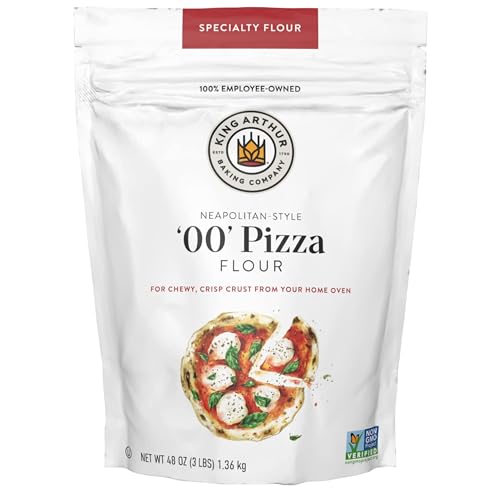
King Arthur 00 Pizza Flour (3 lb)

King Arthur GF Chocolate Cake Mix (22 oz)

King Arthur Measure for Measure GF Flour (3 lb)

King Arthur GF Bread Flour (2 lb)

King Arthur GF Pizza Flour (32 oz)

King Arthur GF Fudge Brownie Mix (17 oz)

King Arthur GF All-Purpose Flour (24 oz)

King Arthur GF Bread and Pizza Mix (18.25 oz)
The Picks, Examined More Closely
Vital wheat gluten is the extracted protein from wheat, sold as a fine tan powder that bakers stir into low-gluten flours to bring back the chew and structure wheat naturally provides. Anthony’s 4-pound bag sits at the working end of the category: large enough to fuel steady seitan projects and high-protein loaves, plain enough to disappear into any recipe calling for a percentage boost.
For anyone who bakes both gluten-free and wheat-based, keeping a tin of this on the shelf unlocks a wide range of texture tweaks. The bulk size means you’re not rationing teaspoons for special occasions, and the brand keeps the ingredient list short and recognizable.
A Favorable Mix
- The 4-pound pouch covers dozens of bread or seitan sessions before you worry about running out.
- Stir a tablespoon or two into rice or oat flour to mimic the gluten network wheat flour builds on its own.
- Works as a base for homemade seitan if you cook a lot of plant-based proteins at home.
- One bag, multiple jobs: pizza, sandwich loaves, pretzels, and rolls all benefit from a small boost.
Things To Consider
- This isn’t a standalone gluten-free flour on its own, so it has to be paired with a base flour to bake anything from scratch.
- The bag is plain kraft paper, which calls for a clip and an airtight container to keep moisture out of a humid pantry.
Who It Suits Best
Confident bakers who already mix their own blends and want a reliable protein boost on hand.
Where Another Pick Suits Better
If you want a one-step bag that handles cookies and pancakes without extra measuring, Bob’s Red Mill 1-to-1 takes that job and skips the math.
The 1-to-1 promise here is the selling point: this blend is engineered to swap cup-for-cup into a recipe that calls for standard wheat flour, no mental gymnastics required. Bob’s Red Mill builds the mix from gluten-free flours, starches, and xanthan gum (a fine powder that thickens and binds in place of gluten), all processed in a dedicated facility. The 22-ounce bags come four to a pack, which suits a household that bakes weekly instead of on holidays.
For anyone transitioning a recipe library from wheat to gluten-free, this is the path of least resistance. Pancakes, cookies, and quick breads behave predictably, and you skip the trial-and-error of balancing starches yourself.
Practical Pluses
- One-to-one substitution means old recipe cards stay usable, which matters when you’re converting a family binder of favorites.
- The 4-pack format lowers the per-bag cost and keeps the pantry stocked for several months of routine baking.
- Dedicated facility handling is the kind of detail that matters in a household where cross-contamination is a real concern.
- Works across sweet and savory, from banana bread to biscuits, with no extra binders on the shopping list.
Worth Noting
- The four bags arrive as a stack, so plan a shelf or bin for them rather than letting them tumble around the pantry.
- Yeasted loaves can struggle without a stronger protein base, so very ambitious bread bakers may need a dedicated bread flour alongside it.
Key Specs
Made For
Home cooks converting a familiar recipe library to gluten-free without rewriting every measurement.
Look Elsewhere When
If you bake sandwich loaves every weekend, King Arthur GF Bread Flour handles yeast dough with more confidence.
“00” refers to the Italian grading system for how finely a flour is milled, and this bag targets that powdery, sift-like texture prized for Neapolitan pizza. King Arthur builds it from a proprietary mix of hard and soft American-grown wheat, and the result is a flour that handles high-heat oven decks with a chewy center and a blistered edge. Worth flagging up front: this is a wheat-based product, not a gluten-free one, so it earns its spot only if wheat is back on your menu.
Pizza night enthusiasts who want pizzeria-style leopard spotting without sourcing imported flour will appreciate the fine grind. The 3-pound bag is a comfortable size for a few rounds of dough in a home kitchen.
Real Benefits
- Fine milling helps the dough hydrate evenly, which translates to easier stretching and fewer tears on the peel.
- Built for high-heat baking, so a home oven cranked to its top setting can still produce a respectable char.
- American-grown wheat and a clean ingredient list make sourcing straightforward for shoppers who track origin.
Trade Offs
- This contains wheat, so it does not fit strict gluten-free or celiac households, even though it appears in a gluten-free roundup for context.
- It’s a single-purpose flour, so don’t expect it to handle cookies, cakes, or muffins the way an all-purpose blend does.
Best Suited To
Pizza-first cooks chasing Neapolitan texture at home and comfortable with wheat in their kitchen.
Not Your Match When
Anyone avoiding wheat entirely should reach for the King Arthur GF Pizza Flour further down the list instead.
A box mix earns its place when it removes the guesswork, and this one aims at showpiece desserts that need to look as good as they taste. The 22-ounce pouch yields two 8-inch or 9-inch rounds, a 9-by-13 sheet, or two dozen cupcakes, so it scales to whatever the occasion calls for. Non-dairy and non-GMO labels add a layer of flexibility for households juggling multiple restrictions.
For birthday baking or potluck contributions, the box delivers the kind of rich, moist crumb that’s hard to coax from scratch on the first try. Think of it as the safety net for the day you cannot afford a flat, dry cake.
Why It Works Well
- Generous batch size covers a classroom party or a layered celebration cake from a single box.
- Non-dairy formulation opens the door for guests who skip milk, without swapping in a separate recipe.
- Box-mix reliability means you can hand the bowl to a less experienced baker and still expect a good-looking result.
Points To Note
- Box mixes still call for fresh eggs, oil, and water, so check the pantry before promising a finished cake in 30 minutes.
- The chocolate flavor is deep but sweet, so taste-test before piling on extra frosting for kids’ parties.
Whose Shelf It Belongs On
Anyone who wants a celebration cake on standby without keeping three different flours in the pantry.
Swap It Out When
Brownie lovers get more mileage from the King Arthur GF Fudge Brownie Mix, which doubles down on fudgy texture.
Measure for Measure is King Arthur’s answer to the everyday cook who wants to convert non-yeast recipes without grabbing a calculator. The 3-pound bag is enriched with iron, calcium, and B vitamins, which helps the flour do double duty as a quiet nutritional backstop in baked goods that replace wheat in a family diet. The ratio is a straight cup-for-cup swap in cookies, cakes, muffins, and pancakes.
For non-yeast baking, the blend handles common recipes with little fuss, and the fortifications matter for households relying on fortified grains as part of a balanced diet. It’s a sensible middle ground between specialty bread flours and basic rice flour.
Practical Advantages
- Added iron, calcium, and B vitamins give baked goods a small nutritional lift that plain rice or oat flour can’t match.
- The 1:1 swap works across cookies, quick breads, and pancakes, so one bag covers a wide range of weeknight recipes.
- Kosher certification is a useful filter for shoppers who keep a kosher kitchen or shop accordingly.
Some Limits To Know
- The swap is engineered for non-yeast doughs, so a yeasted sandwich loaf will likely fall short without a stronger flour in the mix.
- The 3-pound bag is bulkier than a 24-ounce option, so smaller households may take months to finish it before it sits past peak freshness.
Feature Snapshot
Who Should Grab It
Family bakers who want a single bag to span cookies, muffins, and pancakes without rebalancing flours.
Another Choice May Suit
Strictly scratch bakers who want full control over binders should look at King Arthur GF All-Purpose Flour, which leaves xanthan gum out of the bag.
Yeasted gluten-free dough is a different beast from quick breads, and this blend is engineered for it. King Arthur builds the mix from gluten-free wheat starch, sorghum flour (a nutty, ancient-grain flour with mild sweetness), and xanthan gum, which gives the dough the structure and rise it needs to bake into a real sandwich loaf. The 2-pound bag is the smallest in this roundup, which fits a household that bakes bread deliberately rather than daily.
Artisan boules, bagels, and cinnamon rolls are all within reach when the flour is doing the heavy lifting. Compared with the all-purpose blends above, this one trades versatility for a tighter focus on doughs that need to climb.
Where It Excels
- Built specifically for yeasted recipes, so a basic sandwich loaf has a real chance of holding together for slicing.
- The sorghum base adds a subtle flavor that pairs well with both sweet and savory breads, from burger buns to cinnamon rolls.
- Xanthan gum is already balanced in, sparing you the guesswork of adding binders by the quarter-teaspoon.
Honest Caveats
- It’s not a one-bag-does-all flour, so cookies, pancakes, and cake still need a separate all-purpose on the shelf.
- Gluten-free wheat starch is highly refined and not safe for people with celiac disease, so check the label against your household’s tolerance.
Quick Facts
Right Fit For
Home bakers committed to yeasted loaves and bagels who want a flour that does the structural work for them.
Skip It When
Strictly celiac households may prefer the sorghum-heavy King Arthur GF Pizza Flour, which uses a different formulation.
Pizza is the project that exposes weak gluten-free flour the fastest, because the dough has to stretch thin, hold sauce, and crisp without cracking. This blend combines sorghum flour, gluten-free wheat starch, and xanthan gum, and the formulation is built around giving the crust a real rise instead of a cracker-like snap. The 32-ounce box fits a few rounds of pies in a home oven.
Compared with the wheat-based 00 flour earlier in this list, this one trades the leopard-spotted chew of Neapolitan dough for a crust that celiac households can actually eat. The honest read is that it’s a different animal from a true pizzeria crust, but a satisfying one for family pizza night.
Strengths Worth Knowing
- The sorghum-plus-wheat-starch combo delivers a softer, more bread-like crust than the typical rice-flour pizza base.
- Pre-balanced binders save a step, and the dough holds its shape during stretching more than a rice-flour dough tends to.
- The 32-ounce box covers multiple pizza nights, which makes the per-pie cost reasonable for repeat use.
Potential Drawbacks
- Pizza is a single-purpose flour, so don’t expect it to handle cookies, pancakes, or cake with the same grace as an all-purpose blend.
- Some pizza chefs report the crust needs a slightly lower hydration than wheat dough, so a recipe built for wheat may need tweaking.
Built With In Mind
Families who want real pizza on a celiac-friendly ingredient list without committing to a different flour every week.
Reach For A Different Pick When
Anyone baking wheat-based pizza and chasing Neapolitan texture should stay with King Arthur 00 Pizza Flour instead.
Boxed brownies earn a place in the pantry when they go from box to cooling rack without drama, and this one is built for that kind of easy weeknight baking. The 17-ounce pouch makes about sixteen 2-inch squares, the right size for a bake sale tray or a Sunday dessert. The ingredient list is short and the format is friendly, and the recipe calls for the usual eggs, melted butter or oil, and water.
For households avoiding gluten, this is the kind of mix that lets you keep dessert on the table without a separate shopping run for specialty flours. The result is a fudgy, dense square that holds its own next to a wheat-based brownie on a shared plate.
The Practical Payoff
- One bowl, one pan, sixteen squares: a low-fuss recipe that works for first-time bakers and tired parents alike.
- Certified gluten-free processing and a non-GMO label give the box a trustworthy profile for label-reading households.
- Yields a genuinely fudgy texture rather than the cakey crumb some gluten-free mixes lean toward.
Small Caveats
- You’ll need eggs and butter (or oil) on hand, so check the fridge before committing to brownies tonight.
- The sweetness level is generous, so consider a sprinkle of flaky salt on top if you’re baking for grown-up palates.
Perfect Match For
Anyone who wants brownies in the oven before the oven finishes preheating, without driving to a specialty store.
A Better Fit Elsewhere
Bakers who want a real celebration centerpiece should grab the King Arthur GF Chocolate Cake Mix for something more layered.
This is the bag for cooks who want to control the binder themselves, because King Arthur deliberately leaves xanthan gum out of the blend. The mix combines white rice flour, whole-grain brown rice flours, tapioca starch, and potato starch, and the source is famous for producing baked goods without the grittiness or aftertaste that haunts cheaper rice-flour blends. A 24-ounce bag is a comfortable starter size for someone new to gluten-free scratch baking.
For cooks who already know they want to add psyllium husk, extra xanthan, or eggs depending on the recipe, this flour gives them a clean base. It’s the kind of bag that rewards a bit of know-how and a willingness to tweak.
The Helpful Details
- No xanthan gum in the bag means you decide how much binder each recipe gets, which is exactly what some scratch bakers want.
- The blend is engineered to avoid the gritty or chalky aftertaste common in plain rice flour.
- Non-GMO and Kosher labels match the rest of the King Arthur gluten-free line, which keeps shopping consistent across the pantry.
Where It May Fall Short
- Beginners without a binder on hand can find the dough fragile, since the gum is left out by design.
- The 24-ounce bag is on the smaller side for households that bake several loaves a week.
Feature Rundown
The Right Fit
Confident scratch bakers who want a clean base flour and full control over binders and add-ins.
Consider Something Else When
Brand-new gluten-free bakers may want Measure for Measure or the 1-to-1 blend, which already include the binder for them.
One box that does both jobs is a quietly useful thing for a household still figuring out what kind of gluten-free baking it actually wants. This 18.25-ounce mix is fortified with iron, calcium, and B vitamins, and the formula is tuned to slice like a traditional wheat loaf without grittiness or aftertaste. The same bag becomes pizza dough with a small change in liquid, which keeps the pantry simple.
For newcomers, the bag is a low-commitment way to try both bread and pizza without buying two specialty flours on day one. The trade-off, of course, is that it does neither job with the precision of a single-purpose flour.
Key Advantages
- Two recipes in one bag reduces pantry clutter while a household is still deciding what it bakes most.
- Fortified with iron, calcium, and B vitamins to support a balanced gluten-free diet.
- Non-GMO and Kosher certifications line up with the broader King Arthur gluten-free line.
Things To Weigh
- Jack-of-both-trades means pizza crust texture won’t match the dedicated GF Pizza Flour, and bread may not rise like the GF Bread Flour blend.
- The 18.25-ounce box runs through quickly if a household bakes both loaves and pizza in the same week.
Whose Kitchen It Belongs In
New gluten-free households stocking a pantry for the first time and wanting to try a bit of everything.
Skip It When
Bakers who already know they want artisan loaves should jump straight to the dedicated GF Bread Flour for better rise.
Matching The Right Flour To The Job At Hand
Gluten-free baking rewards a clear match between flour and recipe, so the bag you reach for should reflect the kind of cooking you actually do. All-purpose 1:1 blends (flours engineered to swap directly for wheat in standard recipes) like Bob’s Red Mill 1-to-1 and King Arthur Measure for Measure are the safe default for cookies, muffins, pancakes, and quick breads, because the binders are already balanced for you. If your weeknight rotation is heavy on baked goods but light on yeasted dough, either one will keep the pantry simple.
For loaves and yeasted projects, look for a flour built for that workload. King Arthur GF Bread Flour pairs sorghum and gluten-free wheat starch with xanthan gum so doughs can climb, and King Arthur GF Pizza Flour is tuned to stretch and crisp on a hot stone. Pizza night devotees chasing true Neapolitan leopard spotting and who are comfortable with wheat in the kitchen can stay with King Arthur 00 Pizza Flour, which is finely milled for high-heat decks. Anthony’s Vital Wheat Gluten slots in as a booster for high-protein loaves or seitan projects, and the King Arthur GF All-Purpose Flour leaves the binder out for scratch bakers who want to fine-tune each recipe.
Box mixes earn their keep on busy weeks. The Chocolate Cake Mix handles birthdays and potlucks, while the Fudge Brownie Mix keeps dessert on the table in under an hour. A newcomer still finding a rhythm can lean on the GF Bread and Pizza Mix to sample both projects from one bag before committing to specialty flours.
Key Considerations Across These Picks
Mistakes Worth Dodging
The most common slip in gluten-free baking is reaching for a single bag and expecting it to do everything. All-purpose blends handle cookies and quick breads well, but yeasted loaves and pizza need a dedicated flour with the right starch and gum balance to rise. Treat the bag as a tool for a specific job, not a stand-in for wheat flour in every recipe.
A second trap is ignoring binder math. Some blends include xanthan gum, others leave it out for the baker to add, and assuming a recipe carries over from one bag to another often ends in crumbly, dry, or sunken results. Read the back of the bag before swapping a bag mid-recipe.
When Paying More Pays Off
Premium gluten-free flours tend to cost more because they’re milled in dedicated facilities and tuned to skip the grit and aftertaste that cheaper rice-flour blends leave behind. For households baking several times a week, the upgrade is usually worth it in taste alone. Specialty bags for bread and pizza also earn their price tag when the alternative is a flat, dense loaf or a cracker-like crust, because the right starch blend genuinely changes what your oven can produce.
Frequently Asked Questions
What’s the easiest gluten-free flour to start with for everyday baking?
A 1:1 all-purpose blend like Bob’s Red Mill 1-to-1 or King Arthur Measure for Measure is the most forgiving starting point, because the binders are pre-balanced and the bag swaps cup-for-cup into familiar recipes.
Do I need to add xanthan gum if my flour already has it?
If the bag lists xanthan gum in the ingredients, you can usually skip adding more, since the blend is already tuned for binding. Recipes that call for extra gum on top should be followed as written, and small batches are the safest place to test a reduction.
Can I bake yeast bread with a regular gluten-free all-purpose flour?
Most all-purpose blends handle quick breads and cookies well, but yeasted loaves and pizza are where they tend to fall short, because the dough needs more structure to climb. A flour built for yeasted recipes, like King Arthur GF Bread Flour, gives the dough the support it needs.
Is vital wheat gluten safe for someone with celiac disease?
Vital wheat gluten is extracted from wheat and is not safe for people with celiac disease or a wheat allergy. It’s a useful booster for cooks avoiding gluten by choice rather than medical necessity, and it works well in seitan and high-protein loaves.
How should I store gluten-free flour to keep it fresh?
Most gluten-free flours keep well in a cool, dry pantry in a sealed container, and the bag is usually the weakest link. Transferring the flour to an airtight bin or jar helps prevent moisture intrusion and keeps insect pests out, especially in humid climates.
The Takeaway
The best bag on the shelf is the one that matches the recipe in front of you, and the rest of the pantry can fill in around it. Start with an all-purpose blend for everyday baking, add a specialty flour for bread or pizza if those projects actually happen in your kitchen, and keep a box mix on standby for the weeks when the oven is the last thing you want to think about.
