

Great gluten-free pizza starts with the right flour, and not all blends behave the same. Some lean chewy, others crack at the fold, and a few only really sing when paired with a specific hydration level. The picks below cover classic Neapolitan-style mixes, all-purpose 1:1 substitutes, and a few useful supporting items that round out a gluten-free pizza kitchen.
A Fast Comparison Of The Options

Anthony’s Vital Wheat Gluten, 4 lb

Bob’s Red Mill Gluten Free 1 to 1 Baking Flour 22oz (4 Pack)
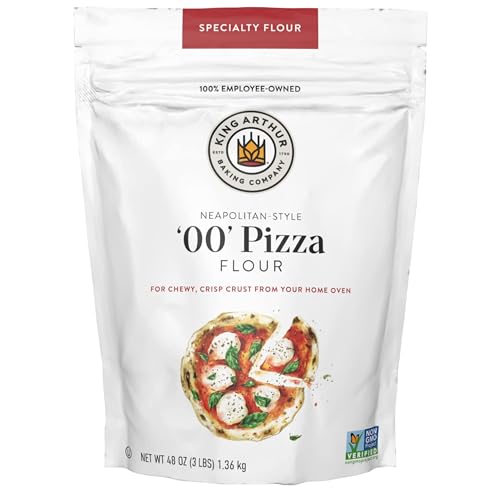
King Arthur 00 Pizza Flour, 3 lb Bag

King Arthur Measure for Measure Gluten-Free Flour, 3 lbs

King Arthur Gluten-Free Bread Flour, 2 lb

King Arthur Gluten Free Pizza Flour, 32 oz

King Arthur Gluten-Free Fudge Brownie Mix, 17 oz
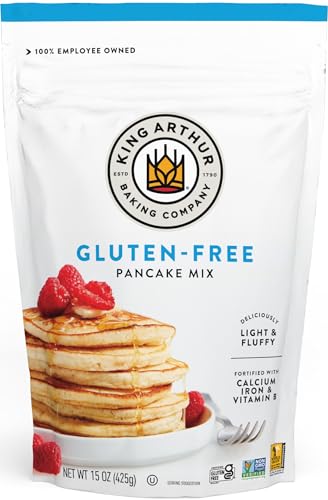
King Arthur Gluten-Free Pancake Mix, 15 oz

King Arthur Gluten-Free All-Purpose Flour, 24 oz

King Arthur Gluten-Free Bread and Pizza Mix, 18.25 oz
Inside Each Recommended Option
Worth flagging up front: Anthony’s Vital Wheat Gluten is a wheat-derived protein, not a gluten-free flour on its own. Its place on this list comes from how often home bakers fold a small amount into homemade gluten-free blends to add chew and structure, especially on pizzas where the crust tends to crumble without some help.
You sprinkle a tablespoon or two into your own rice, tapioca, or sorghum mix to mimic the elasticity (the stretchy, spring-back quality) that gluten normally provides. The 4 lb bag is generous enough that you can experiment across multiple pizza sessions without rationing.
The Case For It
- Concentrated wheat protein that adds real chew to homemade GF blends
- Larger 4 lb size suits frequent pizza bakers who tweak ratios
- Useful in seitan and other meat alternatives, so the bag rarely goes to waste
- Lets you customize a blend rather than commit to one brand’s profile
Things To Consider
- Not safe for anyone with celiac disease or wheat sensitivity on its own, since it is pure wheat protein
- Owners commonly store it in an airtight container to keep moisture out, and you may find the bag flap hard to reseal after a few uses
- Adding too much can make dough rubbery, so small adjustments matter
Made For
Confident home bakers with no wheat allergy who like dialing in their own gluten-free blend.
Consider Something Else When
Anyone with celiac disease should reach for King Arthur Gluten Free Pizza Flour instead, since that blend is purpose-built and entirely wheat-free.
Bob’s Red Mill Gluten Free 1 to 1 Baking Flour comes in a four-pack of 22 oz bags, which adds up to a serious stockpile for anyone who bakes weekly. The 1:1 swap ratio (use the same amount as wheat flour by volume) makes it a low-fuss option when you don’t want to recalculate recipes for pizza dough.
It’s processed in a dedicated gluten-free facility, which gives peace of mind for households managing celiac disease. For pizza, you may find it works best in thin-crust or pan styles where a softer crumb plays to its strengths.
Key Advantages
- 1:1 substitution means old wheat recipes convert with minimal math
- Four-pack format offers bulk savings for regular bakers
- Dedicated gluten-free facility supports strict celiac households
- Doubles as an all-purpose flour for cookies, pancakes, and muffins
Points To Note
- Not designed specifically for pizza, so very high hydration doughs may need a binder
- Four bags take up real pantry space, and you’ll want airtight storage to keep them fresh
- Texture leans more cake-like than chewy, which can feel different from traditional pizza
Best Suited To
Families baking gluten-free pizza, pancakes, and cookies on rotation who want one dependable bag.
Look Elsewhere When
You specifically want a chewy, pizzeria-style crust. King Arthur Gluten Free Pizza Flour is dialed in for that texture instead.
King Arthur 00 Pizza Flour is the wheat-based counterpart to the gluten-free version a few picks down. It uses a proprietary blend of American-grown hard and soft wheat milled to a fine 00 standard, which is the texture grade prized for Neapolitan-style crusts with those signature leopard-spotted char marks.
Included here as a reference point for gluten-free bakers, since it shows exactly what a finely milled pizza flour can do. Anyone without a wheat restriction who wants the real Neapolitan experience at home will appreciate how this flour stretches thin and crisps up at high heat.
Positive Takeaways
- Exceptionally fine 00 grind delivers classic pizzeria texture
- Non-GMO verified and uses 100% American-grown wheat
- 3 lb bag covers a few pizza nights without quick turnover
Worth Noting
- Contains wheat, so it’s not safe for celiac or gluten-sensitive eaters
- Best results require a very hot oven (ideally 800°F+), which most home ovens can’t reach without a steel or stone
Quick Facts
Whose Shelf It Belongs On
Home pizzaiolos without gluten restrictions chasing that soft, blistered Neapolitan bite.
Reach For A Different Pick When
You need an actual gluten-free option. King Arthur Gluten Free Pizza Flour takes the same concept and reshapes it for celiac-friendly kitchens.
King Arthur Measure for Measure is designed to swap cup-for-cup with wheat flour in non-yeasted recipes, which makes it a low-effort pick for casual gluten-free pizza nights. The blend is fortified with iron, calcium, and vitamin B, so you get a bit of nutritional insurance in every bake.
It’s a useful all-rounder for the household that needs one bag to cover cookies, pancakes, and an occasional thin-crust pizza. For thicker or longer-fermented doughs, you may need to tweak hydration, since this blend absorbs liquid a bit differently than wheat.
Real-World Strengths
- 1:1 substitution keeps recipe conversion simple
- Fortified with iron, calcium, and vitamin B for better nutritional value
- Kosher certified and non-GMO verified for stricter households
Room For Improvement
- Better suited to non-yeasted bakes; high-rise doughs can come out denser
- Owners commonly note a slight graininess in very thin crusts if hydration is low
Perfect Match For
Casual home cooks who want one all-purpose bag that handles most gluten-free baking beyond pizza.
Where Another Pick Suits Better
Bakers chasing serious pizza rise should pick up King Arthur Gluten-Free Bread Flour, which is built for yeasted doughs.
King Arthur Gluten-Free Bread Flour is the yeasted-recipe cousin to Measure for Measure, and it pulls double duty for thick-crust pizzas, bagels, and rustic boules. The blend uses sorghum flour and xanthan gum (a binder that mimics gluten’s stretch) along with a starch component, which gives the dough real backbone when it needs to rise and hold shape.
For pizza, that translates to a thicker, chewier slice reminiscent of pan or Detroit-style pies. You’ll want to give the dough a longer rest than wheat dough, since the hydration takes more time to absorb evenly.
Advantages To Know
- Formulated specifically for yeasted doughs, so rise and chew are reliable
- Works for bagels, buns, cinnamon rolls, and artisan loaves too
- 1:1 replacement ratio simplifies recipe scaling
Less Ideal Details
- Not the best match for thin, Neapolitan-style pies where you want a lighter crumb
- 2 lb bag runs out fast on pizza nights since yeasted doughs take more flour per batch
Feature Snapshot
Who Should Grab It
Home bakers focused on thick, chewy, yeasted pizza styles like pan, Detroit, or stuffed crust.
A Better Fit Elsewhere
For a lighter, crispier Neapolitan-style GF crust, King Arthur Gluten Free Pizza Flour is the closer match.
King Arthur Gluten Free Pizza Flour is the only blend on this list engineered from the ground up for GF pizza. It combines sorghum flour, gluten-free wheat starch, and xanthan gum to deliver the airy interior and crispy bottom that gluten-free pies usually struggle to hit.
The 32 oz box is a single-purpose pantry item, which is both its appeal and its limitation. If you bake pizza weekly, this becomes the workhorse. If pizza is a once-a-month project, an all-purpose blend stretches further.
The Value In It
- Specifically formulated for GF pizza, including Neapolitan-style crispness
- Safe for celiac households when handled in a clean environment
- 32 oz size is generous for a specialty flour
- Removes the trial-and-error of blending your own mix
Honest Caveats
- Single-use flour, so it doesn’t double as a cake or cookie base
- Still benefits from a pizza steel or stone to hit maximum crispness
Who Will Love This
Gluten-free home cooks who bake pizza often and want a purpose-built mix that nails the texture.
Skip It When
You bake a wide variety of gluten-free goods and want one flexible bag. King Arthur Gluten-Free All-Purpose Flour covers more ground.
Not a flour in the traditional sense, but dessert pizza needs a base, and this fudge brownie mix delivers one with very little effort. You add eggs, melted butter or oil, and water, then bake into a tray that becomes a sweet pizza crust once topped with fruit, chocolate, or mascarpone.
It’s a low-stress way to round out a gluten-free pizza menu for kids’ birthdays or casual gatherings. The 17 oz box yields around sixteen 2-inch squares, so it works for small groups without much leftover.
What Earns Its Place
- Just-add-wet-ingredients prep keeps things simple
- Certified gluten-free and non-GMO for ingredient transparency
- Doubles as both a brownie and a dessert pizza base
Soft Spots
- Not a savory pizza flour, so it only fits dessert applications
- Some owners report the mix clumping if your butter is too hot, so room-temperature ingredients work better
Built With In Mind
Parents and casual hosts who want a fuss-free gluten-free dessert option for pizza night extras.
Swap It Out When
You’re focused on a traditional savory pizza. King Arthur Gluten Free Pizza Flour belongs on your shelf, not this mix.
King Arthur Gluten-Free Pancake Mix rounds out the breakfast side of gluten-free pizza, since leftover dough and toppings often pair with a stack. It’s a useful second box to keep on hand when you’re already committed to King Arthur products for their consistency.
The 15 oz box is compact enough for a small kitchen and uses non-GMO ingredients. It’s a supporting player on this list, but it pulls its weight on weekend mornings when the family wants variety.
Practical Advantages
- Compact 15 oz size fits easily in smaller pantries
- Non-GMO and certified gluten-free for ingredient-conscious households
- Quick prep, with a fluffy result that complements sweet or savory toppings
Points To Keep In Mind
- Single-use mix, so it doesn’t extend to dinner baking
- You’ll want to reseal the inner pouch tightly, since opened pancake mix loses freshness faster than flour
Right Fit For
Gluten-free households that want a quick, reliable pancake option for weekend brunch alongside pizza night.
Not Your Match When
You only want savory pizza ingredients on hand. King Arthur Gluten-Free All-Purpose Flour is the better multi-use pick.
King Arthur Gluten-Free All-Purpose Flour is the original King Arthur GF blend, built from white rice flour, whole grain brown rice flours, tapioca starch, and potato starch. It’s marketed to scratch bakers who want a clean ingredient list and the freedom to adjust binders themselves.
Unlike Measure for Measure, this blend doesn’t include xanthan gum, so you’ll add it separately for pizza dough. That extra step is a trade-off: more control, slightly more work. For pizza specifically, you may find a touch of psyllium husk helps with elasticity.
Why It Works Well
- Short, recognizable ingredient list appeals to clean-label bakers
- Versatile across cookies, muffins, pancakes, and pizza
- Lets you dial in your own binder ratios for advanced recipes
Where It Is Less Suited
- No xanthan gum included, so recipes need binder additions for yeasted dough
- Less forgiving for beginners who want a true 1:1 swap
Key Product Details
Made For
Scratch bakers comfortable adding their own binders who want ingredient transparency in their GF flour.
Where A Sibling Pick Shines
Beginners who want a one-step dough should reach for King Arthur Measure for Measure Gluten-Free Flour instead.
King Arthur Gluten-Free Bread and Pizza Mix arrives as a complete mix plus yeast packet, so you skip the binder math entirely. That convenience is its main draw for first-timers and anyone easing into gluten-free baking.
The 18.25 oz pouch is mid-sized, with a fortified blend that adds iron, calcium, and vitamin B. For pizza, the resulting dough slices cleanly without the grittiness that plagues some gluten-free recipes.
Real Benefits
- Yeast included, so you just add water, oil, and a couple of eggs
- Fortified with iron, calcium, and vitamin B
- Works for both loaf bread and pizza crust from the same box
- Non-GMO and certified Kosher
A Few Limitations
- Yeast packet is fixed, so you can’t easily turn it into a longer-fermentation dough without sourcing extra yeast
- Texture leans more sandwich-bread than pizzeria-crust, depending on hydration
Who It Suits Best
Anyone new to gluten-free baking who wants one box that covers a loaf and a pizza night.
Another Choice May Suit
Experienced bakers chasing chewy pizzeria-style crust will find more flexibility with King Arthur Gluten-Free Bread Flour.
What To Weigh Before Picking Your Gluten Free Pizza Flour
Match The Flour To Your Crust Style
Thin and crispy Neapolitan pies need a finely milled blend with strong starches to crisp without crumbling. Thicker pan or Detroit-style crusts benefit from a yeasted dough flour with more structure. Knowing the style you bake most often makes the choice easier, since each flour on this list has a comfort zone.
Check The Ingredient Build
Most gluten-free pizza blends lean on a base of rice flour or sorghum, with starches like tapioca or potato adding lightness. Binders, especially xanthan gum, are the difference between a dough that stretches and one that tears. If you want full control, an unflavored base without xanthan lets you adjust the texture yourself.
Mind Hydration And Rest Times
Gluten-free doughs generally need more water and a longer rest than wheat dough. You may find your first attempt feels too wet before resting, then firms up beautifully after 20 to 30 minutes. Budget for that extra time when planning pizza night.
Balance Versatility And Specialization
A specialty pizza flour nails texture but won’t help with cookies tomorrow. A multi-purpose blend trades a little pizza performance for everyday flexibility. Think about how often you bake gluten-free beyond pizza, since a single versatile bag can replace two or three specialty ones in a small pantry.
Key Considerations Across These Picks
Common Shopping Slip Ups
Treating every gluten-free flour like a 1:1 wheat swap leads to dense, crumbly results. Each blend has its own hydration sweet spot, and assuming one behaves like another sets you up for disappointment. Cross-checking the bag’s recipe and starting with a bit less liquid than listed gives you room to adjust.
Where The Extra Money Goes
Premium blends like the dedicated pizza flour cost more per ounce because the milling and starch ratios are tuned for a specific texture. For occasional bakers, that price is hard to justify. For anyone making gluten-free pizza weekly, the consistency and time saved usually balance the higher cost over a few months of use.
Frequently Asked Questions
What Is The Best Gluten Free Flour For Pizza Crust?
For a Neapolitan-style crispy crust, a purpose-built GF pizza blend with sorghum, rice starch, and xanthan gum delivers the best texture. For thicker or yeasted crusts, a GF bread flour gives the dough more backbone to rise and hold together.
Can I Substitute Regular Gluten Free Flour For Pizza Dough?
Yes, with caveats. An all-purpose 1:1 blend works for thin, simple crusts, but it often needs added xanthan gum or psyllium to mimic the chew of wheat. Specialty GF pizza flour saves the adjustment step.
Do I Need To Add Xanthan Gum To Gluten Free Pizza Dough?
Most purpose-built GF pizza blends already include it, so additional xanthan isn’t needed. With an all-purpose GF flour that excludes xanthan, you’ll typically add about one teaspoon per cup of flour to get proper dough structure.
How Long Should Gluten Free Pizza Dough Rest?
A rest of 20 to 30 minutes at room temperature lets the starches fully hydrate, which improves stretch and reduces grittiness. Longer cold ferments work for some blends, though they require more planning.
Is Gluten Free Pizza Flour Healthier Than Wheat Flour?
Not necessarily. It often contains added starches to replace gluten’s structure, and the nutritional profile depends on the specific ingredients. Fortified versions add iron, calcium, and B vitamins, which can be helpful for anyone cutting back on enriched wheat products.
Closing Remarks
The right gluten-free flour depends less on marketing claims and more on your crust style, your patience for hydration tweaks, and how often you actually bake. Start with one versatile bag, run a few test pies, and let the results guide your next purchase. The picks above cover most paths into gluten-free pizza, so trust your kitchen rhythm more than the loudest label.
