

A good roux is mostly a math problem: equal parts fat and starch, whisked over steady heat until smooth. The starch part is where gluten-free cooking gets interesting, because wheat flour’s gluten network is what normally gives a béchamel its body and a velouté its silk. Without it, you’re leaning on blends of rice flour, tapioca starch, sorghum, and binders like xanthan gum to do the same job. In a home kitchen, that choice matters more than most people expect, since the wrong blend turns gravy gluey and gumbo pasty. This lineup breaks down ten gluten-free flours and mixes that handle hot-liquid suspensions, including a few designed for thickening and several baking blends that work in a pinch. The picks lean on what each product brings to a saucepan, not what it does in an oven.
A Side-By-Side Look

Bob’s Red Mill Gluten Free 1 to 1 Baking Flour 22oz 4 Pack
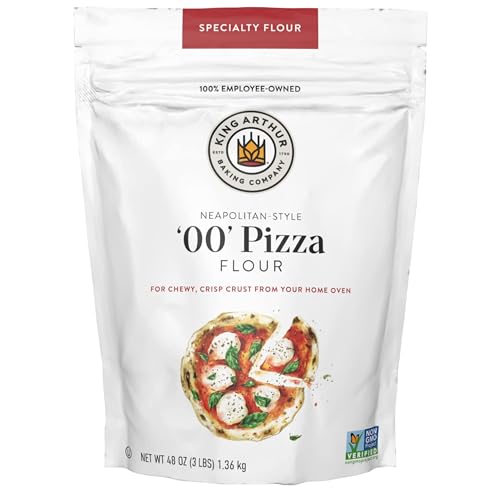
King Arthur 00 Pizza Flour 3 lb Bag

King Arthur Gluten Free Chocolate Cake Mix 22 oz

King Arthur Measure for Measure Flour 3 lb Bag

King Arthur Gluten-Free Bread Flour 2 lb

King Arthur Gluten Free Pizza Flour 32 oz

King Arthur Gluten-Free Fudge Brownie Mix 17 oz

King Arthur Confetti Cake Mix Gluten Free 18 oz

King Arthur Gluten-Free All-Purpose Flour 24 oz

King Arthur Gluten-Free Bread and Pizza Mix 18.25 oz
A Deeper Look At The Lineup
Bob’s Red Mill’s 1-to-1 blend has earned its place in many gluten-free pantries because it behaves like wheat flour in a saucepan. The 22-ounce four-pack solves the storage problem that single bags often create, since you go through a surprising amount of flour thickening a stew or a pot of gravy. For a classic blonde roux, the ratio holds up to a 1:1 swap by weight with all-purpose wheat, which keeps recipe math simple on a busy weeknight.
The blend carries xanthan gum (a binder that mimics some of gluten’s elasticity), so the finished sauce holds together without the broken, watery look that plain rice flour can produce. In a busy home kitchen where you’re building mac-and-cheese or turkey gravy from scratch, that insurance matters.
Features That Help
- Pre-portioned four-pack keeps the pantry stocked for months of sauce work
- Behaves as a 1:1 replacement in non-yeasted recipes, so existing béchamel recipes translate cleanly
- Built-in xanthan gum reduces the need to add extra binders mid-whisk
- Produces a glossy, lump-free finish in cream sauces when whisked over medium heat
Things To Consider
- Bulk packaging needs a sealed container after opening, since xanthan gum blends can clump in humid kitchens
- The finished roux is slightly darker than wheat-based versions, which matters for pale veloutés
At A Glance
Made For
Home cooks who thicken a wide range of dishes from a single pantry staple and want a forgiving blend that doesn’t punish small mistakes.
Where Another Pick Suits Better
Cooks chasing the silkiest possible cream sauce for a fancy dinner should look at King Arthur’s 00 Pizza Flour, whose finer grind handles dairy-heavy work with extra polish.
King Arthur’s 00 flour is milled so fine it almost floats when you scoop it. That ultra-fine grind is the real reason it earns a spot in this lineup: in a roux, smaller starch granules hydrate faster, which means fewer lumps and a smoother finish in a béchamel or country gravy. The 3-pound bag suits cooks who reach for flour often, since 00 doesn’t clump the way coarser blends can in a humid pantry.
Outside of sauces, the flour is built for Neapolitan-style pizza, so it tolerates higher oven heat than a typical gluten-free all-purpose. That’s a quiet bonus for anyone searing a roux in a screaming-hot pan before whisking in stock.
Everyday Perks
- Ultra-fine milling dissolves quickly into warm fat, reducing whisking time
- 3-pound size fits the rhythm of weekly batch cooking without constant restocking
- Blends from hard and soft American-grown wheats, giving the dough a forgiving texture
Worth Noting
- It is a wheat-based 00 flour and not suitable for anyone avoiding gluten entirely
- The fine grind can drift out of an open bag, so a tight-closing container is a sensible upgrade
Whose Shelf It Belongs On
Cooks who do not have celiac disease but prefer a gentler starch in cream sauces and want one bag that handles both pizza night and a holiday gravy.
Skip It When
Strict gluten-free households should step over this pick and reach for the King Arthur Measure for Measure blend instead, which is built for true 1:1 wheat-free swaps.
A cake mix is a strange place to look for roux flour, until you remember how many dessert sauces start with a sweetened starch base. King Arthur’s chocolate cake mix, built for moist single-layer cakes, also produces a thick, glossy chocolate sauce when whisked into warm cream and butter. That’s handy for ganache, hot fudge, or a quick pour-over for ice cream on a weeknight.
The non-GMO, kosher, and non-dairy credentials widen the audience, since vegan cooks can swap in plant milk without worrying about hidden dairy. For a dessert-leaning kitchen, this mix doubles as both cake and sauce base, which is the kind of overlap that actually saves cabinet space.
Practical Advantages
- Pre-portioned mix means no measuring flour, sugar, and cocoa separately for dessert sauces
- Non-dairy formula opens dessert-sauce work to vegan cooks and lactose-sensitive households
- Bakes into two 8-inch rounds, one 9-by-13 sheet, or 24 cupcakes, so leftovers can stretch into sauce duty
Honest Caveats
- The mix is already sweetened, so any savory use is off the table
- Cake-formulated starches can break down faster under long whisking than purpose-built sauce flour
Best Suited To
Bakers who keep one box around for birthdays and want a shortcut to chocolate sauce without hauling out a half-dozen ingredients.
Look Elsewhere When
Anyone thickening a savory gravy or béchamel will find Bob’s Red Mill 1-to-1 a far more versatile everyday tool.
Measure for Measure lives up to its name by letting you swap it cup-for-cup into almost any non-yeasted wheat recipe. For a roux, that means the béchamel recipe your grandmother wrote on a card can stay exactly as written, with this blend standing in for the all-purpose. The 3-pound bag also stretches farther than smaller boxes, which matters for kitchens that thicken large pots of soup or stock.
Nutrient enrichment with iron, calcium, and vitamin B is a quiet perk, since gluten-free eaters sometimes miss out on fortification that wheat flours receive. For a family cooking multiple sauces a week, that built-in nutrition adds real value.
Useful Touches
- Cup-for-cup substitution removes the math from converting old family recipes
- Fortified with iron, calcium, and vitamin B for daily nutritional coverage
- 3-pound bag fits grocery-store stockpiling habits for batch cooks
Small Caveats
- It is best in non-yeasted sauces, so it is less suited to enriched doughs that need extra structure
- The 1:1 convenience can lead to lumping if you add cold dairy to a hot roux without whisking briskly
At A Glance
Perfect Match For
Family cooks running a tight pantry who want one bag to cover gravies, béchamels, and quick pan sauces on autopilot.
A Better Fit Elsewhere
Anyone rolling out yeasted pizza dough or enriched breads should step up to King Arthur Gluten-Free Bread Flour for the structural support yeasted recipes demand.
Gluten-free bread flour carries more structural backbone than an all-purpose blend, thanks to sorghum and xanthan gum doing the work that gluten would normally handle. In a roux, that extra body helps a sauce hold together through a long simmer, which is exactly what you want when building a gumbo or a pot of beef stew. The 2-pound bag is compact, so it fits smaller cabinets without crowding out other staples.
Where it really earns its place is in yeasted applications like bagels and burger buns, which means one bag covers both thickener and bread baker in the same household. For a kitchen that tackles both jobs, the crossover value is hard to beat.
Where It Excels
- Sorghum-and-xanthan formula keeps sauces cohesive through long simmers
- 1:1 replacement for yeasted recipes expands a single bag’s role beyond sauces
- Built for artisan boules, bagels, and rolls, so it tolerates high-heat searing for darker roux
Points To Note
- The sturdier starch profile can feel chewy in delicate cream sauces where a finer grind is preferable
- 2-pound bag runs out faster in a busy kitchen than larger options like Measure for Measure
At A Glance
Right Fit For
Cooks simmering gumbos, stews, and pan gravies who want a robust flour that doesn’t fall apart under extended heat.
Another Choice May Suit
For lighter béchamels and pale cream sauces, Bob’s Red Mill 1-to-1 produces a softer finish without the chewy pull this bread flour can leave behind.
King Arthur’s gluten-free pizza flour is engineered to survive very hot ovens, which gives it an unusual advantage in a saucepan. Sorghum flour, gluten-free wheat starch, and xanthan gum work together to keep the flour from breaking down under sustained heat, so a tomato-based sauce thickened with this blend won’t turn watery halfway through simmering. The 32-ounce box suits households that run a regular rotation of pizza nights alongside sauce work.
For anyone avoiding gluten strictly, the celiac-friendly formulation removes the guesswork. That same reassurance shows up in sauces, where the flour’s structure holds tight through a long braise.
Points In Its Favor
- Formulated for high-heat performance, so sauces tolerate longer cooks without thinning
- Celiac-friendly blend removes anxiety for strict gluten-free households
- 32-ounce box covers both pizza dough and a stretch of sauce making
Trade Offs
- Specialty blend commands a higher per-ounce cost than basic all-purpose options
- Its pizza-tuned starch profile can lend a slight grain feel in very thin cream sauces
Who Should Grab It
Gluten-free households running weekly pizza nights who also want a dependable flour for tomato sauces, meat sauces, and pan gravies.
Reach For A Different Pick When
Cooks focusing purely on dairy-heavy béchamels will find Measure for Measure a more forgiving flour at a friendlier price point.
Brownie mix in a roux roundup? It earns its spot because a fudgy chocolate sauce is just a brownie batter cooked with extra dairy. King Arthur’s gluten-free brownie mix brings sugar, cocoa, and a tested starch blend into one box, which is the kind of shortcut a busy weeknight cook appreciates when company is twenty minutes out. The 17-ounce size yields about sixteen 2-inch squares, so leftovers can slide straight into a saucepan.
For celiac households, the certified-gluten-free label removes any second-guessing. Pair it with warm cream and butter for a pourable hot-fudge sauce that beats most jarred options.
The Practical Payoff
- One-box solution cuts dessert sauce prep down to whisking, warming, and pouring
- Certified-gluten-free label gives celiac households a clear safe option
- Non-GMO and kosher certifications widen the audience for shared kitchens
Room For Improvement
- Pre-sweetened mix blocks any savory use, limiting its role to dessert-only work
- 17-ounce size is smaller than typical flour bags, so a heavy dessert habit can run through it quickly
Built With In Mind
Home bakers who want a fast chocolate sauce and a tray of brownies from the same box, especially when entertaining on a tight timeline.
Swap It Out When
Anyone needing an unsweetened thickener for gravy or béchamel will want Bob’s Red Mill 1-to-1 in the cabinet instead.
Confetti cake mix does double duty as both a birthday cake and the dry base for a vanilla custard sauce. The 18-ounce box bakes two 8-inch rounds or 24 cupcakes, which means a half-box can pivot into a sauce for a special brunch. The GFCO (Gluten-Free Certification Organization) certification takes the worry out of hosting gluten-sensitive guests.
Where this pick stands out is its versatility in celebration cooking. Layer cakes, sheet cakes, and a quick pastry cream base all draw from the same box, which keeps the shopping list trim.
What It Does Well
- GFCO certification confirms a strict gluten-free standard for sensitive guests
- Multi-format yield covers layer cakes, sheet cakes, and cupcakes from one box
- Doubles as a pre-sweetened base for vanilla pudding or pastry cream
Worth Bearing In Mind
- Colorful flecks mean any sauce made from the mix will be speckled, which matters for a smooth white béchamel
- Pre-sweetened and cake-specific, so it cannot serve as a general thickener
Who It Suits Best
Entertainers who love baking celebration cakes and want a tested gluten-free mix they can also lean on for a quick vanilla sauce.
Consider Something Else When
Cooks making a plain white sauce should skip the confetti and reach for King Arthur Measure for Measure, which keeps the color and flavor neutral.
King Arthur’s original gluten-free all-purpose is the closest thing to a scratch baker’s blank canvas in this category. The blend pulls from white rice flour, whole-grain brown rice flours, tapioca starch, and potato starch, which gives sauces a clean flavor and no gritty aftertaste. For cooks who like to dial in their own ratios and avoid pre-added binders, the absence of xanthan gum in this formula is a feature, not a gap.
The non-dairy and non-GMO labels cover a broad set of dietary preferences. For roux work, you may want to add a small amount of xanthan gum yourself if a very thick, glossy finish is the goal.
The Good Stuff
- No xanthan gum in the bag, so scratch bakers control the binding level
- Multi-flour blend (rice, brown rice, tapioca, potato) creates a clean flavor base
- Non-dairy and non-GMO formulation fits most dietary restrictions
Soft Spots
- Without xanthan gum, sauces may separate more easily without an added binder
- 24-ounce size is smaller than the Measure for Measure bag, so frequent users repurchase more often
At A Glance
Who Should Grab It
Scratch cooks who like to fine-tune their own roux recipes and prefer to add binders only when a specific sauce needs them.
Not Your Match When
Anyone wanting a one-step 1:1 swap without adding extra binders should pick Measure for Measure instead, since it ships with xanthan gum already mixed in.
One bag, two jobs, fewer trips to the store. King Arthur’s bread and pizza mix is a hybrid blend that bakes into a sandwich loaf and a flatbread without changing formulas, and it doubles as a serviceable thickener for pan sauces and gravies. For a small kitchen where shelf space is at a premium, that overlap is a real perk.
The mix carries added iron, calcium, and vitamin B, which helps gluten-free eaters maintain the fortification wheat eaters get automatically. The 18.25-ounce size is a friendly middle ground between single-use and bulk bags.
The Case For It
- Single mix covers bread, pizza, and a basic roux in one bag
- Enriched with iron, calcium, and vitamin B for daily nutritional coverage
- 18.25-ounce size sits comfortably between single-use and bulk packaging
Less Ideal Details
- Not a stand-alone thickener, so very thick gravies may need an extra starch boost
- Hybrid blend cannot match a dedicated bread flour for lofty yeasted loaves
The Right Fit
Small-kitchen cooks who want a single bag to cover both weeknight sauce thickening and an occasional loaf of bread or pizza.
Where A Sibling Pick Shines
Anyone baking yeasted breads regularly will find King Arthur Gluten-Free Bread Flour a more focused tool, with a stronger structure for taller loaves.
What To Weigh Before Choosing A Gluten Free Roux Flour
A gluten-free roux behaves differently from its wheat counterpart, and the difference comes down to which starches and binders are in the bag. Rice flour hydrates fast and stays neutral in flavor, while tapioca starch adds gloss and stretch, and sorghum brings a faintly sweet, almost nutty backbone. Blends that include xanthan gum hold suspensions together more reliably, which matters when you’re whisking hot milk into butter and flour for a béchamel. The trade-off is that heavy-handed xanthan can turn a sauce gummy if you overshoot the ratio.
Think about the cooking window. A quick pan gravy benefits from fine-milled flours that disperse in seconds, while a long-simmered stew or gumbo wants a blend that holds its structure for forty minutes or more. Recipes that add dairy call for a flour that tolerates a temperature swing without breaking, since cold milk hitting a hot roux is where most lumps form. The kitchen environment matters too: humid climates tend to clump bagged flour, so sealed containers earn their keep.
Key Considerations Across These Picks
Where Shoppers Go Wrong
Treating gluten-free flour like a single category is the most common slip, since rice flour, tapioca starch, and sorghum all behave differently in a hot pan. Buying a one-pound bag of unknown origin often leads to gritty sauces, since cheaper blends skip the milling steps that remove larger granules. Storing opened flour in its original paper bag invites humidity damage, so a tight-closing plastic or glass container is a small upgrade that pays off. A bigger mistake is skipping the whisk once dairy goes in: gluten-free roux demands more attention because the starches hydrate at different rates than wheat.
When Paying More Pays Off
The premium tier in this category typically buys a finer grind, more rigorous testing, and added nutrients like iron, calcium, and vitamin B. For households avoiding gluten entirely, that extra coverage can matter, since wheat flours are usually fortified and gluten-free alternatives are not. Higher-end blends also tend to perform better under sustained heat, which is the difference between a sauce that stays cohesive through a long braise and one that thins out halfway through. Paying up makes the most sense for anyone thickening sauces multiple times a week, since the per-use cost evens out quickly.
Frequently Asked Questions
Can you use gluten-free all-purpose flour for a roux?
Yes, most gluten-free all-purpose blends work in a roux, especially those with xanthan gum included. Whisk the flour into melted butter over medium heat and cook for one to two minutes before adding liquid.
How does a gluten-free roux differ from a wheat roux?
A gluten-free roux relies on starches and added binders rather than gluten to thicken, so it can break more easily under temperature swings. Whisking constantly and adding dairy gradually helps prevent separation.
How long should you cook a gluten-free roux?
Cook it for one to two minutes for a blonde roux, three to four minutes for a nutty brown roux. The blend’s starches can scorch faster than wheat flour, so medium heat is safer than high.
Can gluten-free flour replace wheat flour cup-for-cup in a roux?
Blends labeled as 1:1 substitutes can, especially for non-yeasted sauces. Pure rice flour or single-grain flours usually need a binder like xanthan gum added separately.
Does gluten-free roux thicken the same as wheat?
In most cases, yes, though some blends need slightly more flour to reach the same thickness. Let the sauce rest for a minute after thickening, since gluten-free starches can firm up as they cool.
The Takeaway
A reliable gluten-free roux comes down to matching the flour to the sauce, since a fine-milled blend handles delicate béchamels while a sturdier bread-style flour carries a long-simmered stew. Stocking one versatile 1:1 blend covers most weeknight cooking, and adding a specialty flour for pizza or dessert opens up more ambitious projects. With the right bag in the cabinet, the difference between a grainy, broken sauce and a silky one is mostly a matter of whisking technique.
