

Feeding a sourdough starter on a gluten-free diet takes a different kind of pantry. Most wheat-based starters depend on gluten proteins (the elastic network in wheat flour that traps gas during fermentation) to build structure, so a GF starter needs flours and starches that mimic that stretch without the wheat. This roundup pairs versatile gluten-free flours with two rye-based dehydrated cultures, giving home bakers a complete launch pad for GF sourdough. Each pick was chosen for what it actually brings to a starter jar or a loaf, not for a marketing claim.
The Main Contenders
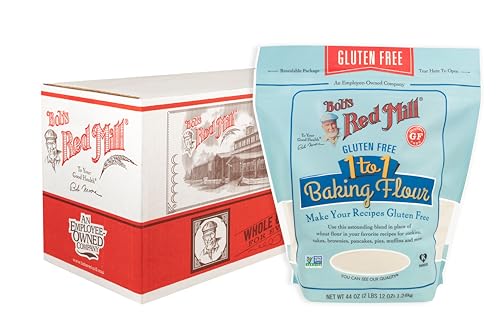
Bob’s Red Mill Gluten Free 1 to 1 Baking Flour 44oz 4 Pack
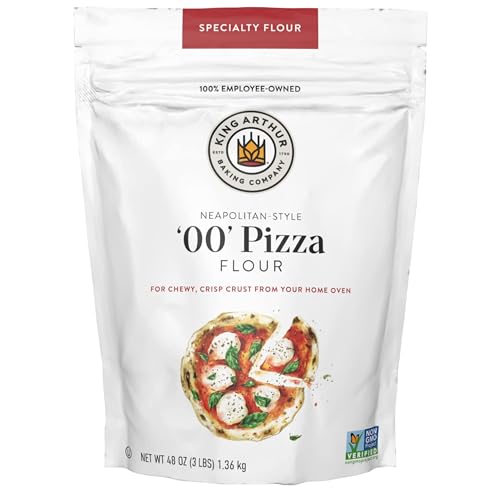
King Arthur 00 Pizza Flour 3 lb Bag

King Arthur Measure for Measure Gluten-Free Flour 3 lbs

King Arthur Gluten-Free Bread Flour 2 lb

King Arthur Gluten Free Pizza Flour 32 oz

Cultures For Health Artisan Sourdough Starter
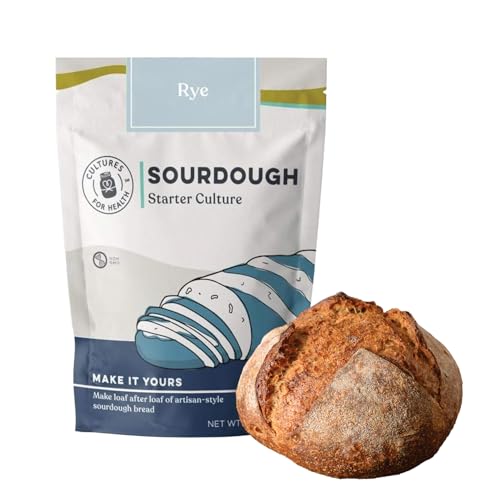
Cultures For Health Rye Sourdough Starter
A Deeper Look At The Lineup
Bob’s Red Mill built this blend for bakers who want one bag to cover most jobs, and the 1-to-1 ratio keeps recipes from needing a math degree. The 44-ounce four-pack format suits a household that cycles through cookies, pancakes, and the occasional loaf without burning through stock. For a gluten-free starter, this flour works best when paired with a more flavorful grain like millet or sorghum for the actual feeding, since the blend leans on rice flour and starches for structure.
The xanthan gum already mixed in is the small detail that makes weeknight baking easier. Cookies hold together, muffins don’t crumble, and pancakes flip without falling apart. One thing worth considering: the mild rice flavor can come through in rustic breads, so a sourdough loaf built entirely on this flour may taste lighter than expected.
Features That Help
- The 1:1 swap ratio keeps recipe conversions painless for cookies, cakes, and quick breads.
- Bulk four-pack format lowers per-bag cost for frequent bakers.
- Pre-mixed xanthan gum saves a pantry step and reduces ingredient drift between batches.
- Functions as a neutral base flour for both sweet and savory bakes.
Things To Consider
- The rice-forward profile gives baked goods a mild sweetness that not everyone wants in crusty bread.
- Storing four opened bags at once may push smaller kitchens past their pantry space.
Quick Facts
Right Fit For
Gluten-free households that need one versatile flour to cover cookies, pancakes, muffins, and quick breads without a special shopping run.
Reach For A Different Pick When
Bakers chasing a sturdier, yeasted crumb should reach for the King Arthur Gluten-Free Bread Flour, which is engineered for that load.
King Arthur’s 00 pizza flour earns its spot here as a reference point rather than a GF solution. The ultra-fine grind (called “00” because the flour passes through the finest mesh sieve Italian millers use) gives a silky dough that stretches thin without tearing, which is why Neapolitan-style pizza bakers reach for it. The 3-pound bag is sized for repeat pizza nights rather than occasional baking.
Worth knowing up front: this is a wheat flour, so it does not belong in a gluten-free starter jar. It earns inclusion because understanding what 00 achieves helps bakers contrast it with the GF pizza flour reviewed later. For households that mix GF and traditional baking, it covers the non-GF side of the kitchen.
Where It Delivers
- Extra-fine milling produces a smooth, elastic dough for thin-crust pizza.
- Non-GMO Project Verified sourcing gives ingredient-conscious shoppers a clear label.
- American-grown wheat shortens the supply chain from field to bag.
Worth Noting
- Not suitable for gluten-free diets since it is 100% wheat.
- Highly specialized for pizza, so it leaves the rest of the pantry looking for a general-purpose flour.
Made For
Traditional bakers building a dedicated pizza station and using a separate flour for everything else in the kitchen.
Swap It Out When
Anyone managing celiac or gluten sensitivity at home should swap this for the King Arthur Gluten Free Pizza Flour, which targets the same Neapolitan-style goal without the wheat.
Measure for Measure is King Arthur’s answer to the “just swap it in” question that trips up most GF conversions. The 3-pound bag is the right size for a household that bakes a few times a week, and the 1:1 ratio means existing family recipes can convert by weight without rebalancing liquids. Compared to Bob’s Red Mill blend reviewed first, this one skews slightly more neutral and bakes a touch drier, which is a real asset in cookies.
The trade-off shows up in yeasted dough. This blend was built for non-yeasted bakes, so a long sourdough bulk fermentation can leave the crumb tight. For a feeding flour used straight in the starter jar, that does not matter much; for the final dough, blending with a protein-rich flour like sorghum usually improves the rise.
Strengths Worth Knowing
- Reliable 1:1 swap keeps recipe math simple.
- Kosher certified, which matters for shoppers who keep a kosher kitchen.
- Works across cookies, cakes, muffins, and pancakes without flavor takeover.
Small Caveats
- Long fermentations can produce a tight crumb unless blended with a protein-rich GF flour.
- Slightly more expensive per ounce than the Bob’s Red Mill four-pack format.
Feature Snapshot
Best Suited To
Gluten-free bakers who mostly work in cookies, cakes, and quick breads and want minimal recipe adjustments.
Look Elsewhere When
Someone baking a tall yeasted loaf every weekend will do better with the King Arthur Gluten-Free Bread Flour, which was built for that lift.
For yeasted sourdough, this is the bag the rest of the line gets measured against. The blend leans on sorghum and gluten-free wheat starch, then finishes with xanthan gum to mimic the chew wheat flour gives a traditional loaf. At 2 pounds, the bag is sized for a baker who treats bread as a deliberate project rather than a daily habit.
The honest read is that this flour finally makes a tall boule feel possible in a GF kitchen. A long, cold retard still works, and bagels pull apart with a real interior structure. You may find a single bag vanishing faster than expected once bagel and cinnamon roll projects start lining up, so a 4-pack may be the smarter move for committed GF bakers.
Positive Takeaways
- Engineered for long fermentations and tall rises.
- Sorghum-forward profile adds a toasty, bread-like flavor that rice-based blends miss.
- Works for bagels, burger buns, and cinnamon rolls in addition to loaves.
Honest Caveats
- Smaller bag means frequent restocking for households that bake weekly.
- Single-origin feel in the crumb may not suit bakers who want a softer sandwich loaf.
Spec Overview
Who It Suits Best
Gluten-free bakers committed to artisan loaves, bagels, and yeasted treats who want a flour that handles long ferments without collapsing.
A Better Fit Elsewhere
Bakers who mostly make quick breads and pancakes will find a friendlier fit in King Arthur Measure for Measure, which trades some chew for a softer crumb.
Pizza is where gluten-free baking usually falls apart, and this blend is the closest the lineup gets to a Neapolitan-style crust without wheat. The mix pairs sorghum with gluten-free wheat starch and xanthan gum, which is the same backbone as the bread flour, just dialed toward a thinner, crispier end. The 32-ounce box is enough for several pizza nights without aging out.
Coming from the bread flour, the difference is real: this dough rolls thinner and browns harder under a hot oven. The 00 flour earlier in the list sets the texture bar for traditional pizza; this flour sits in the same neighborhood for GF cooks. Celiac households finally get a Friday night pizza that holds its own in the hand.
Where It Helps
- Targets a thin, crispy Neapolitan-style crust in a home oven.
- Reuses the sorghum and xanthan gum backbone from the bread flour.
- Celiac-friendly formulation that does not require a separate starter.
Factors To Consider
- Single-purpose flour, so it does not justify shelf space for non-pizza bakers.
- Crisp crust texture can feel brittle without enough hydration in the dough.
Details At A Glance
Who Should Grab It
Gluten-free households that refuse to give up pizza night and want a flour engineered specifically for the job.
Where Another Pick Suits Better
Bakers who want one flour to handle bread and pizza should look at the King Arthur Gluten-Free Bread Flour, which is more flexible across baked goods.
Once a gluten-free starter is on the counter, it needs a culture to call home. This dehydrated starter ships dry in unbleached rye flour, which is a smart move because rye ferments vigorously and forgives a lot of feeding mistakes. For someone who has never kept a starter alive, the powder format skips the “borrow a jar from a friend” step entirely.
Reviving a dehydrated culture takes patience, usually a week of steady feedings before the first bake. Anyone with a regular routine (a morning feed before coffee, an evening stir) will find this routine easy. The trade-off is that rye-flour base means a deeper, slightly tangier flavor than a white-flour starter, which is a feature for rustic loaves and a slight adjustment for mild-flavored sandwich bread.
Everyday Perks
- Skip-the-scrounge format is friendlier than chasing down a friend’s starter.
- Rye base ferments quickly, shortening the time to a usable culture.
- Additive-free ingredient list keeps the starter’s flavor clean.
Points To Note
- Initial revival takes about a week of consistent feedings.
- Strong rye tang may dominate lighter sandwich loaves if used at high percentages.
Feature Rundown
Whose Shelf It Belongs On
First-time sourdough keepers who want a reliable, well-documented culture to launch a gluten-free starter without borrowing one.
Skip It When
Anyone wanting a more neutral-flavored starter for sandwich bread should skip this and look at the Cultures for Health Rye Sourdough Starter, which offers a similar profile but a longer-tracked heritage.
The rye culture from Cultures for Health has been a workhorse for years, and the heirloom-style lineage (a continuously maintained culture passed from batch to batch rather than re-isolated each run) gives it the kind of stability that survives a missed feeding. Like the Artisan starter reviewed above, it ships dehydrated, so it sits on a shelf until a new baker is ready to commit. It also doubles beyond bread: pancakes, English muffins, noodles, and waffles all take a sourdough twist with this culture.
For a gluten-free starter, rye is the smart carrier because it lacks the gluten proteins that cause trouble for celiac households yet still ferments with vigor. Most bakers in our view will appreciate the forgiving nature of this culture during the first month, when feeding rhythms are still being learned. The honest read is that experienced bakers may want to transition the culture onto a GF flour once it is fully active, since rye contains trace gluten that some celiac households prefer to avoid in the starter itself.
Where It Excels
- Heirloom-style lineage that forgives the occasional missed feeding.
- Works across bread, English muffins, pancakes, and waffles.
- Non-GMO profile suits ingredient-conscious kitchens.
Practical Considerations
- Initial revival timeline runs about a week of consistent feedings before first bake.
- Rye base contains trace gluten, so strict celiac households may need to transition the culture onto a certified GF flour for long-term use.
The Main Details
Perfect Match For
Gluten-free bakers who want a long-lived, forgiving rye culture to feed weekly and convert to a GF flour over time.
Not Your Match When
Anyone wanting a culture that already lives in a fully gluten-free flour from day one will find a closer fit in the Cultures For Health Artisan Sourdough Starter, which uses the same carrier approach with a slightly newer formulation.
What Matters When Picking Gluten Free Flours For A Sourdough Starter
A gluten-free starter is a different animal from a wheat one, and the flour behind it does most of the heavy lifting. Rye flour is a popular carrier because it ferments vigorously and lacks the gluten proteins that celiac households need to avoid, but brown rice, sorghum, and teff also build active cultures. The texture and tang of the final loaf trace back to the flour feeding the starter, so a strong, flavorful grain tends to produce a more interesting bake.
For the final dough, blends that pair starches with a protein-rich flour (sorghum or millet) tend to trap fermentation gas better than rice-only blends, which is what gives a GF boule its open crumb. Xanthan gum acts as the elastic stand-in for gluten, holding the dough together through long, cold bulk ferments. The trade-off is flavor: more gum gives more structure but can make the crumb feel bready in a different, slightly gummy way.
Storage and freshness matter more than most bakers expect. Whole-grain GF flours go rancid faster than refined wheat flour, so a smaller bag rotated quickly usually beats a giant bulk bag. A cool, dark pantry and an airtight container extend the useful life, and most opened bags benefit from being used within a few months for the cleanest flavor.
Key Considerations Across These Picks
Where Shoppers Go Wrong
Picking a general-purpose gluten-free flour and expecting it to feed a sourdough starter well is the most common stumble. All-purpose blends work for cookies and muffins, but starter cultures thrive on whole, enzymatically active grains. Another trap is treating xanthan gum as optional, since doughs without it often pancake into a dense disc during a long ferment. Reaching for the cheapest bag also tends to backfire when the flour has been sitting on a warehouse shelf long enough to lose its leavening lift.
What The Higher Tier Buys
The premium flours in this lineup (the bread flour and pizza flour) charge more because they invest in the sorghum and starch ratios that make yeasted doughs hold structure. That extra engineering shows up as taller loaves, crispier pizza, and bagels that actually pull apart. For occasional bakers, a general-purpose blend covers the job. For weekly bakers committed to tall boules and chewy bagels, the premium tier pays for itself in fewer failed bakes and a more honest final crumb.
Frequently Asked Questions
Can you feed a sourdough starter with gluten-free flour?
Yes, but the starter behaves differently. Gluten-free starters often rise faster and fall faster than wheat starters because the dough lacks gluten’s structure. Expect a looser, sometimes runnier starter and adjust hydration downward if the culture is hard to handle.
What is the best gluten-free flour to keep a starter active?
Whole-grain options like brown rice, sorghum, and rye (if tolerated) tend to keep a culture vigorous. Refined white rice flour works but produces a milder rise, and most bakers blend it with a whole grain for stronger fermentation.
How long does it take to build a gluten-free starter from scratch?
Most bakers see consistent doubling within 5 to 10 days of daily feedings. A dehydrated culture shortens that window, often producing a usable starter in about a week.
Do gluten-free sourdough loaves need xanthan gum or psyllium?
Most recipes rely on one of these binders to replace gluten’s stretch. Psyllium husk powder is popular in artisan loaves for its open crumb, while xanthan gum is easier in smaller bakes like muffins and pancakes.
Is a rye sourdough starter safe for celiac households?
Rye contains trace gluten, so strict celiac bakers often transition an active rye culture onto a certified gluten-free flour for several feedings before baking. Less sensitive households may tolerate a rye-fed starter without issue.
Closing Remarks
The right gluten-free sourdough setup is really a two-part purchase: a flour blend that handles your style of baking, and a culture that fits your routine. Rye-based starters give the most reliable fermentation, and a sorghum-forward bread flour carries that activity into a real loaf. Match the flour to the bake you make most often, and the rest of the lineup falls into place. Your starter jar will tell you within a week whether the pairing works.
