

Regular panko brings an airy crunch that ordinary breadcrumbs cannot match, and you don’t have to give that up on a gluten free diet. The trick is finding crumbs that stay light and crisp after frying or baking, not the dense, sandy texture that ruins a good cutlet. After digging through specs, ingredient lists, and pack sizes, this roundup sorts ten panko options worth your pantry space. Some lean traditional wheat-based, a few offer honey-sweetened variety, and one stands out as the only confirmed gluten free formula in the group.
An Overview Of The Picks

Kikkoman PANKO Bread Crumbs 8oz 2-Pack

Lobo Panko Japanese Bread Crumbs 2.2lb

Sushi Chef Panko Bread Flakes 8oz 6-Pack

Kikkoman Panko Japanese Style Bread Crumbs 8 Oz

Kikkoman Panko Toasted Bread Crumbs 2.5lb

Shirakiku Honey Panko 10.58 Oz

J-BASKET Panko Bread Crumbs 12oz 6-Pack

Sushi Chef Panko Bread Crumbs 8 OZ
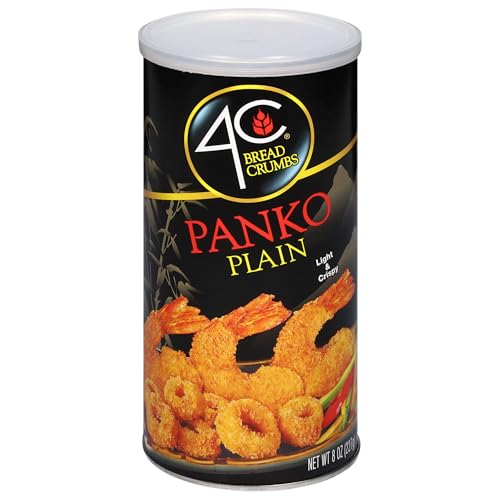
4C Premium Panko Plain Bread Crumbs 8 Ounce

Aleias Gluten Free Panko Crumbs 12oz 3-Pack
The Details Behind The Selections
Kikkoman’s classic Japanese-style crumbs arrive here in a two-pack that suits the way most home cooks actually shop: a little extra on the shelf so you’re not scrambling when the first box runs out mid-recipe. Panko differs from regular breadcrumbs in its flaky, jagged texture, which traps air and oil differently during frying to produce a lighter, crunchier crust. For weeknight chicken katsu or a casserole topping, that texture is the whole point.
The 8-ounce size hits a sweet spot for households that bread a few times a month without going full food-service. Storage is straightforward: keep the sealed boxes in a cool, dry pantry, and reseal between uses to guard against staleness. If you cook for one or two, you may find two boxes a touch more than you need before they go stale.
Key Advantages
- Two-pack format means a backup box stays sealed and fresh on the shelf
- Classic Kikkoman panko texture, the same flake-style crumb used in Japanese cooking
- Versatile across frying, baking, and casserole topping applications
- 8-ounce box is manageable for typical home portions, not industrial volume
Points To Keep In Mind
- Contains wheat, so not suitable for gluten free diets
- Two boxes at once may sit longer than a single-person household can use before freshness fades
Right Fit For
Family cooks running through a box of panko every few weeks on cutlets, casseroles, and the occasional fry night.
Consider Something Else When
You need a strictly gluten free formula; in that case the Aleias Gluten Free Panko Crumbs are the dedicated option on this list.
Lobo scales up to a 2.2-pound food-service bag, the kind of supply you’d pull down for a dinner party with ten cutlets on the menu or a small catering run. The ingredient list is stripped down: no MSG, no preservatives, no artificial colors added, which matters when the crumb is the dominant flavor in something like a simple fried shrimp. Made primarily from wheat flour, the texture stays consistent batch to batch.
For a home cook, a 2.2-pound bag is a commitment. Once opened, transferring the contents to an airtight container is the practical move to keep moisture out. If your breading habit is modest, you’ll likely see this bag on the shelf for a while.
Reasons It Performs
- 2.2-pound food-service size fits catering, parties, and large-batch cooking
- Clean label with no MSG, preservatives, or artificial colors added
- Wheat-flour base delivers the classic jagged panko flake
- Works across Japanese dishes and creative coatings alike
Trade Offs
- Bag size may exceed what a small household can use before staling becomes a risk
- Contains wheat, so not appropriate for gluten free diets
Feature Snapshot
Made For
Entertainers, caterers, and home cooks running a heavy breading rotation who want one bag that lasts.
Skip It When
You live in a two-person household; the Kikkoman 8oz box is a more manageable size for lighter weekly use.
Six 8-ounce boxes stack up to 48 ounces of crumb, which is the kind of supply that lets a household stop thinking about running out. Sushi Chef makes these flakes in Japan from traditional Japanese bread, and the marketing claims they are lighter and crunchier than standard breadcrumbs. The flake structure is finer than some competitors, so coatings lay down a bit more delicate than chunky.
Storing six boxes means dedicating real pantry space, and rotating through them in FIFO order (first in, first out) keeps the supply fresh. The finer flake is a real advantage on something like a lightly breaded fish, where you want the coating to feel crisp without being heavy.
Where It Helps
- Six-box format means months of supply before reordering
- Made in Japan from traditional Japanese-style bread
- Lighter, more delicate flake than many competitors
- Each 8-ounce box is easy to grab for single recipes
Things To Consider
- Total 48-ounce volume requires dedicated pantry space
- Contains wheat, so not suitable for gluten free diets
- Finer flake may feel too delicate for chunky coatings like croquettes
Best Suited To
Home cooks who want to set-and-forget their panko supply for months at a time and prefer individual smaller boxes.
Look Elsewhere When
You want a chunkier panko for hearty cutlets; the Lobo 2.2-pound bag is built for bigger, rougher coatings.
Single 8-ounce box, the entry point most people reach for when they’re curious about panko without committing to a multi-pack. The crumb comes from bread that has been custom baked to make airy, crispy pieces, which is what gives the coating that signature shattering crunch. Use it the same way you’d use any standard breadcrumb: dredge, pan-fry, bake, or sprinkle over a casserole.
For first-timers, a single box removes the pressure of overbuying. The trade-off is that you’ll likely reorder sooner than with the 2-pack or 6-pack options, so per-ounce cost is higher.
Real Benefits
- Low-commitment 8-ounce size for trying panko without overbuying
- Custom-baked bread base produces airy, crispy flake texture
- Works as a fried coating, bake topping, or casserole binder
- Recognizable Kikkoman brand backed by decades of Japanese pantry staples
Points To Note
- Per-ounce cost is higher than multi-pack or food-service sizes
- Wheat-based formula, so not appropriate for gluten free diets
Feature Snapshot
Who Should Grab It
First-time panko cooks who want a small box to learn the texture before committing to a larger supply.
Reach For A Different Pick When
You already know you love panko and want fewer reorders; the Sushi Chef 6-Pack spreads the supply across smaller boxes.
Where the single 8-ounce box whispers, this 2.5-pound food-service pack shouts. The “toasted” in the name refers to a deeper color and a more developed flavor than standard panko, which is a quiet difference on a fried pork cutlet but a real one. Fish, seafood, poultry, vegetables, steaks, chops, cutlets, patties, fritters, and dessert toppings all fall inside the use case list, which is broad because toasted panko is fundamentally flexible.
Like any large bag, the practical move after opening is to decant into airtight containers. Zero grams of trans fat keeps the nutrition profile clean, though the calorie and sodium content of finished dishes still depends on what you bread and how.
Useful Strengths
- 2.5-pound pack suits restaurant, catering, or weekly prep routines
- Toasted profile brings deeper color and flavor than standard panko
- Versatile across proteins, vegetables, and sweet toppings
- Zero grams trans fat per serving
Honest Caveats
- Large bag requires airtight decanting after opening to preserve crunch
- Contains wheat, so not appropriate for gluten free diets
Key Product Details
Who It Suits Best
Cooks running multiple breaded proteins a week who want a toasted profile and minimal packaging waste.
Swap It Out When
You only need a light sprinkle of panko; the Shirakiku Honey Panko brings a smaller bag and a sweet twist.
This is the one panko on the list that isn’t pretending to be neutral. Shirakiku infuses the crumb with a light honey sweetness that moves the flavor toward the dessert end of the spectrum. Think a katsu-style chicken with a honey-mustard glaze, or a sweet-crust topping on a baked mac and cheese. The coarse, jagged texture still gives you the airy crunch that defines panko, just with a built-in sugar note.
On a savory cutlet with no glaze, the honey can read as slightly out of place, so it pays to match the crumb to the dish. The 10.58-ounce size is a moderate single-bag option for households that want to experiment without committing to a giant supply.
Notable Upsides
- Honey infusion adds built-in sweetness for glazes and dessert applications
- Coarse, jagged panko texture preserves the airy crunch
- 10.58-ounce size is a moderate single-bag commitment
- Works as a casserole topping or a sweet-savory fried coating
Worth Bearing In Mind
- Honey flavor can clash with strictly savory dishes that expect a neutral crumb
- Wheat-based formula, not suitable for gluten free diets
Perfect Match For
Cooks building honey-glazed katsu, sweet-crust casseroles, or dessert-style fried dishes who want built-in flavor.
Where Another Pick Suits Better
You need a strictly neutral coating for a classic tonkatsu; the Kikkoman 8oz box is the safer pick for savory-only menus.
J-BASKET’s six-pack delivers 12-ounce bags, slightly larger than the typical 8-ounce boxes in this category, which makes it a comfortable middle ground between single-box and food-service formats. The crumb is positioned as a deep-fry coating, and the lighter flake structure does the same job as competitors: airy crust, less oil absorption, satisfying snap on the bite.
The six-bag format means you can keep one open and the rest sealed, which extends overall shelf life compared to opening a large bag. Per-bag usability is a real plus for a household that bread occasionally rather than constantly.
Where It Delivers
- Six 12-ounce bags total 72 ounces of supply
- 12-ounce size is a useful middle ground between single and food-service
- Individual bags let you keep unopened stock sealed for freshness
- Per-ounce cost tends to be lower than single-box options
Potential Compromises
- Contains wheat, so not appropriate for gluten free diets
- Six-bag commitment may sit longer than an occasional breader needs
Whose Shelf It Belongs On
Budget-focused households that bread frequently enough to rotate through six bags but want to avoid food-service packaging.
A Better Fit Elsewhere
You want a single-box try-it; the 4C Premium Panko Plain 8 Ounce is the small-format dependable option.
A single 8-ounce box of Sushi Chef panko, the same brand as the larger 6-pack earlier on this list, but in a tester-friendly size. This version is labeled as a product of Thailand, a different sourcing region from the Japan-made 6-pack. The natural designation suggests a minimal ingredient approach, and the smaller box keeps things simple for a one-recipe commitment.
For cooks who want to compare flake structure between brands without committing to a large supply, a single box at this size is the lowest-friction entry point. The trade-off is the same as the Kikkoman single box: per-ounce cost runs higher than multi-pack formats.
The Value In It
- Single 8-ounce box keeps the commitment low for curious cooks
- Natural ingredient profile with minimal processing
- Sushi Chef brand carries weight in Japanese pantry staples
- Same flake-style texture as the larger 6-pack format
Possible Sticking Points
- Wheat-based formula is not gluten free
- Per-ounce cost is higher than multi-pack alternatives on this list
Right Fit For
Small-batch home cooks who want to try Sushi Chef panko in a single recipe before deciding on a larger format.
Another Choice May Suit
You want a longer supply of the same brand; the Sushi Chef 8-Ounce 6-Pack keeps the brand consistent at higher volume.
4C has been making breadcrumbs since 1935, a long track record that gives the brand a kind of pantry-staple familiarity. The panko plain version carries a balanced crunch-to-texture ratio that the brand has tuned over decades, and the format is offered in 8-ounce, 13-ounce, and 6-pack configurations depending on how much you want on hand.
For a household that wants one reliable brand across both standard breadcrumbs and panko, 4C simplifies the shopping list. The 8-ounce single box is the low-commitment entry, while the 6-pack version covers heavier use.
What Earns Its Place
- Established brand with decades of breadcrumb experience
- Available in multiple sizes including single 8oz and 13oz boxes
- Plain, neutral flavor profile works across savory dishes
- Balanced crunch designed for everyday coating tasks
Small Caveats
- Wheat-based formula, not suitable for gluten free diets
- Plain panko may feel less distinctive than branded Japanese-style alternatives
Best Suited To
Home cooks who want a familiar American brand with a long track record and flexible size options.
Not Your Match When
You want a uniquely airy Japanese-style flake; the Kikkoman 8oz box delivers a more pronounced panko texture.
This is the one entry on the list that earns its place by what it leaves out. Aleias builds its panko without wheat, which means celiac households, gluten sensitive eaters, and anyone cooking for mixed-diet families can finally get that airy crunch on a breaded chicken or a casserole topping. The original flavor keeps a neutral profile, so it does the work of standard panko without the gluten.
The 3-pack of 12-ounce bags totals 36 ounces, a meaningful supply for a household that goes through coatings weekly. Gluten free crumbs can sometimes feel denser than wheat panko, so the real test is how the flake holds up after frying or baking, which depends on your cooking technique as much as the brand.
Noteworthy Benefits
- Dedicated gluten free formula opens panko to celiac and sensitive diets
- Original flavor profile stays neutral across savory dishes
- 3-pack of 12-ounce bags covers regular weekly use
- Functions as a 1:1 substitute for wheat panko in most recipes
Less-Strong Areas
- Per-ounce cost is higher than wheat-based alternatives
- Texture may feel slightly denser than traditional wheat panko, depending on cooking method
Feature Snapshot
Who It Suits Best
Gluten free households, mixed-diet families, and celiac-sensitive eaters who want a panko-style crumb without the wheat.
Where A Sibling Pick Shines
You’re not avoiding gluten; the Kikkoman Panko 8oz 2-Pack offers the classic wheat panko texture at a lower per-ounce cost.
What To Weigh Before Choosing Gluten Free Pankoes
Texture And Flake Size
Panko’s defining trait is the jagged, airy flake. Larger flakes trap more air and produce a lighter crust, while finer flakes lay down a more delicate coating. For a thick katsu cutlet, reach for a chunkier flake; for a thin fish fillet, a finer flake works better. The Sushi Chef flakes run finer, while Kikkoman and Lobo sit in a more traditional middle range.
Ingredient Cleanliness
Some brands lean clean: Lobo skips MSG, preservatives, and artificial colors, while 4C emphasizes decades of refinement. Honey-sweetened options like Shirakiku change the flavor profile entirely, which is a feature for sweet-savory dishes and a downside for strictly savory menus. Read the ingredient list if you have specific dietary preferences beyond gluten.
Pack Size And Storage
The single 8-ounce box is the lowest-commitment entry, but per-ounce cost runs higher. Multi-packs and food-service sizes save money if you rotate through them quickly. Once opened, transfer to an airtight container to keep moisture out, which is the most common reason panko loses its crunch on the shelf.
Dietary Requirements
This list includes one strictly gluten free formula, the Aleias panko. The rest are wheat-based. For celiac or gluten-sensitive households, that single Aleias option is the only safe pick here. If you need gluten free plus another dietary filter (low sodium, no preservatives), reading the actual label on the Aleias bag is the final step.
Key Considerations Across These Picks
Where Shoppers Go Wrong
A common slip is buying a giant food-service bag for a small household, then watching the crumbs go stale before you can use them. Panko degrades faster than people expect once the bag is open, because the flake structure invites moisture. Another trap is assuming all panko flakes are interchangeable: a honey panko does not behave like a neutral one in a savory recipe, and a fine flake does not give the same shatter as a coarse one on a thick cutlet. Match the crumb to the dish and the bag size to your actual cooking rhythm.
What The Higher Tier Buys
Multi-pack and food-service panko typically cost less per ounce, but the real value depends on how quickly you cook through it. Paying more for the Aleias gluten free formula buys dietary access, not just crumbs. Paying more for Shirakiku’s honey panko buys a built-in flavor shortcut. The honest read is that premium picks in this category earn their cost by solving a specific problem: dietary need, flavor need, or volume need, not by being universally “better” than the basic options.
