

A good gluten free pizza night used to mean a flat cracker or a sad, gummy center. That’s changed, and the shelves reflect it. Whether you’re baking for celiac family members, entertaining mixed-diet friends, or just exploring lighter dough, the right mix sets the tone for everything that follows. These ten picks cover the main paths home bakers actually take: dedicated pizza flours, all-purpose blends, bread mixes that double for pizza, and a few specialty crusts for when you want something different.
The Choices Worth Comparing

King Arthur Measure for Measure Gluten-Free Flour: 1:1 Substitute

King Arthur Gluten-Free Bread Flour 2 lb

King Arthur Gluten Free Pizza Flour 32 oz

Chebe Pizza Crust Mix (4 Pack)

King Arthur Gluten-Free Fudge Brownie Mix 17 oz
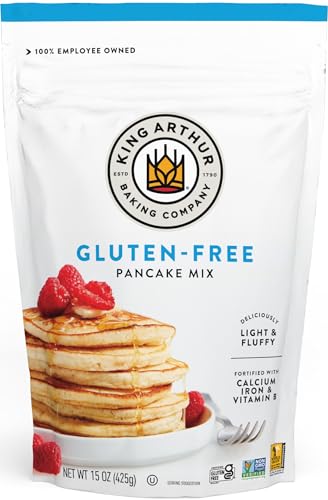
King Arthur Gluten-Free Pancake Mix 15 oz

King Arthur Gluten-Free Scone Mix 12 oz

King Arthur Gluten-Free All-Purpose Flour 24 oz

King Arthur Gluten-Free Doughnut Mix 15 oz

King Arthur Gluten-Free Bread and Pizza Mix 18.25 oz
What Each Pick Brings To The Table
Most gluten free pizza doughs ask you to adapt your technique. This one asks you to adapt almost nothing. The 1:1 swap means a recipe calling for two cups of wheat flour takes two cups of this, no math required. Bakers juggling cookies on Tuesday and pizza on Friday find that consistency freeing.
The 3 lb bag covers a stretch of mixed baking without dominating the pantry. Because it’s non-GMO and Kosher certified, it slides into households with layered dietary needs. For first-timers dipping a toe into gluten free baking, this is a forgiving starting point.
The Value In It
- 1:1 substitution keeps recipe conversion painless, which matters when adapting family favorites.
- 3 lb bag handles roughly a dozen medium pizzas plus cookies, pancakes, and quick breads between fills.
- Non-GMO and Kosher certifications cover common household restrictions.
- Works in non-yeasted doughs without adding separate gums or starches.
Small Caveats
- Yeasted doughs rise less aggressively here than with a dedicated bread blend, so deep, airy crusts may need help from the next pick.
- Bag size feels large for small households baking only once a month; storage in a cool, dry spot is essential to prevent the flour from clumping.
Who It Suits Best
Home cooks splitting baking energy across many recipes, not just pizza, and who want a single pantry bag that handles cookies one night and flatbread the next.
Where Another Pick Suits Better
King Arthur Gluten-Free Bread Flour is the better choice for serious bread bakers chasing tall, chewy loaves that need extra yeast lift.
Gluten free bread flour earns its name by tackling what plain blends can’t: long, slow yeasted rises. The sorghum flour and xanthan gum pairing here builds structure, which is why thick-crust pizzas, bagels, and cinnamon rolls all work without collapsing in the oven. For ambitious weekend bakers, that’s the difference between a dense disc and a springy, sliceable crust.
The 2 lb pack sits in a comfortable middle ground, large enough for several pizza sessions or a bread-and-roll marathon. It’s a narrower tool than the Measure for Measure blend, so it earns its space in pantries that already handle pizza frequently.
Key Advantages
- Sorghum and xanthan gum build the structure yeasted doughs need to rise and hold shape.
- Pulls double duty across bagels, buns, and pizza, replacing several specialty flours at once.
- 2 lb pack is right-sized for households baking weekly without going stale.
Honest Caveats
- Smaller window of recipe fit than the all-purpose blend above, so it won’t sub into every cookie recipe.
- Owners commonly report that humidity affects the dough’s hydration needs, requiring small water adjustments by climate.
Feature Snapshot
Made For
Intermediate bakers tackling thick-crust pizzas, focaccia-style pies, or yeasted bagels who need real structure in their dough.
Consider Something Else When
King Arthur Gluten Free Pizza Flour is a more direct path for anyone focused purely on thin, Neapolitan-style pies.
When pizza is the only goal, a general-purpose flour is doing extra work. This blend skips the guesswork by leaning on a fine-textured 00-style grind (a soft, low-protein Italian flour prized for tender yet crisp doughs) alongside sorghum and xanthan gum, designed specifically for that crispy, airy Neapolitan feel. The result is a crust that bubbles on the bottom and slices clean on top, which is what pizza night is really chasing.
The 32 oz box covers about four to six medium pies, depending on thickness. It also tends to win households where celiac-safe eating is a hard requirement and pizza is a weekly ritual.
The Practical Payoff
- Formulated specifically for pizza, so the texture lands closer to a wheat-flour Neapolitan than a generic substitute.
- Sorghum, wheat starch, and xanthan gum balance structure with a light, crisp finish.
- 32 oz box stretches across several pizza nights without going stale quickly.
Worth Noting
- Not a multi-recipe workhorse like the Measure for Measure flour, so it earns its space only in pizza-focused kitchens.
- The 00 grind behaves differently in a stand mixer; bakers may need a touch of trial to lock in hydration for their oven setup.
Best Suited To
Pizza-first households who bake pies weekly and want a dedicated flour that takes the recipe-tuning out of the evening.
Not Your Match When
Chebe Pizza Crust Mix is a friendlier starting point for anyone intimidated by scratch dough and prefers a faster prep.
Chebe does something the other picks don’t: it skips yeast entirely. The crust is built from manioc (tapioca) flour, modified manioc starch, and a small hit of oregano, onion, and garlic, so the dough comes together in minutes and bakes up chewy, breadstick-style. The 4-pack format keeps a few months of weeknight pizzas within reach without restocking trips.
Where the King Arthur flours invite slow weekend bakes, this one is built for the 6 p.m. crowd. It’s a useful counterpoint for anyone who finds yeasted gluten free dough unpredictable on the first try.
A Few Highlights
- Tapioca-based dough skips yeast, rising time, and the rest of the yeasted routine.
- Built-in oregano, onion, and garlic season the crust so plain oil-and-cheese pies still taste like something.
- Four-pack format stretches nicely across a month of casual pizza nights.
Things To Consider
- Chewy, bready texture differs from the crispy Neapolitan style the King Arthur pizza flour targets, so it isn’t a 1:1 swap for thin-crust fans.
- Owners commonly note that the dough is stickier than wheat dough and benefits from oiled hands or parchment during shaping.
Who Will Love This
Weeknight cooks and yeast-averse beginners who want a reliable crust in under 30 minutes without the rise-and-poke routine.
A Better Fit Elsewhere
King Arthur Gluten Free Pizza Flour is the right call for slow bakers chasing a traditional thin-crust slice.
Pizza night sometimes needs a sweet finish, and this mix keeps that second course inside the same dietary lane. The 17 oz box yields about sixteen 2-inch squares, enough to feed a small dinner party or stretch across two family nights. The prep is light: eggs, melted butter or oil, water, and a short bake.
It earns its spot on a pizza roundup because gluten free entertaining tends to hit both courses at once. Brownies, doughnuts, scones: the King Arthur dessert mixes keep celiac-safe diners included through the whole menu.
A Few Strong Suits
- Yields roughly sixteen 2-inch squares, a useful portion for hosting or for splitting across a couple of nights.
- Certifications cover the same dietary layers as the savory mixes, simplifying a shared kitchen.
- Fast prep keeps dessert from feeling like a second project after pizza.
Soft Spots
- Texture leans fudgy and dense, which won’t appeal to anyone who prefers cake-style brownies.
- Pan size matters: an undersized pan leads to a thick middle that bakes unevenly.
Perfect Match For
Hosts planning a full gluten free menu, from pizza to dessert, who want minimal extra planning for the sweet course.
Look Elsewhere When
King Arthur Gluten-Free Doughnut Mix is a more memorable choice for a special-occasion breakfast the morning after.
Pizza on Friday and pancakes on Saturday is a familiar rhythm in many households. This 15 oz mix keeps that pattern intact for gluten free kitchens. Fluffy, reliable pancakes come together with just water, eggs, and oil, so brunch doesn’t require a separate shopping run.
Non-GMO and Kosher certifications match the rest of the King Arthur gluten free shelf, which keeps the pantry easy to manage across categories.
Positive Takeaways
- Streamlines brunch prep with a short ingredient list and predictable texture.
- Certifications align with the rest of the lineup, simplifying multi-diet households.
- 15 oz size handles several weekend breakfasts without going stale.
Points To Note
- Outside the pizza category, but earns a place as the morning-after complement to a heavy dinner.
- Owners commonly report that the batter rests best for 5 to 10 minutes before pouring, so the timing takes a small adjustment.
Whose Shelf It Belongs On
Households that treat pizza night as a two-day event, with Saturday brunch built into the routine.
Reach For A Different Pick When
King Arthur Gluten-Free Scone Mix is a sturdier pick for a hosting-style brunch with jam and clotted cream.
When pizza night stretches into a hosting weekend, scones round out the spread without forcing a second shopping trip. This 12 oz box yields about 10 scones, and the mix invites add-ins like dried blueberries, chocolate chips, or cranberries at roughly a quarter cup per batch.
It doubles nicely as a savory-adjacent side, since the plain base pairs with sweet jams, lemon curd, or even a slice of pizza-night leftover for a creative next-morning toast.
Standout Benefits
- About 10 scones per box, a tidy portion for small gatherings.
- Quarter-cup add-in window keeps flavor swaps simple without risking the dough balance.
- Toppings range from sweet jams to fruit and whipped cream, which suits a hosting menu.
Less Ideal Details
- Smaller box than the pancake or brownie mix, so it isn’t built for everyday breakfasts.
- Dough is drier than expected on the first try; cold butter and a light hand prevent crumbling at the shaping stage.
Who Should Grab It
Entertainers who already keep a savory pizza plan and want a sweet, gluten free side dish that feels intentional without much extra work.
Swap It Out When
King Arthur Gluten-Free Pancake Mix is a more everyday-friendly choice for families that don’t host brunch often.
Scratch bakers tend to want fewer additives, and this blend delivers on that front. The ingredient list skips xanthan gum, leaning instead on white rice flour, whole grain brown rice, tapioca starch, and potato starch. The trade is a slightly grainier texture in delicate bakes, but the result is a cleaner-flavored crust that lets toppings shine.
The 24 oz pack is a comfortable size for ongoing scratch work, and the certifications match the broader King Arthur shelf.
Everyday Wins
- No xanthan gum in the bag, which appeals to bakers who prefer to control that addition themselves.
- Blend of white and brown rice flours with tapioca and potato starch yields a neutral flavor base.
- Non-GMO and Kosher certifications align with the rest of the King Arthur lineup.
Room For Improvement
- Without xanthan gum, baked goods can turn gritty or crumbly in cookies and cakes, so a touch of binder helps.
- Requires more scratch baker attention than the Measure for Measure blend, which may overwhelm beginners.
Feature Card
Built With In Mind
Scratch bakers who want to control the binders and adjust hydration, rather than rely on a flour that does it for them.
Where A Sibling Pick Shines
King Arthur Measure for Measure Gluten-Free Flour is the easier entry for anyone who doesn’t want to manage binder levels in every recipe.
Doughnuts aren’t a typical pizza roundup pick, but they belong here for the same reason as the brownies and scones: gluten free entertaining tends to stack across courses. This 15 oz box yields about 12 baked doughnuts, and the bake-not-fry format keeps the kitchen calmer than a stovetop oil situation would.
The mix is forgiving for first-timers, and the resulting doughnut holds glaze or a cinnamon-sugar toss without falling apart.
Why It Works Well
- About 12 doughnuts per box, enough for a small family or a weekend treat.
- Baked rather than fried, simplifying cleanup and keeping the routine kitchen-friendly.
- Holds up under glaze, cinnamon sugar, or a chocolate dip without crumbling.
Worth Bearing In Mind
- Texture is more cake-style than yeasted, so doughnut-traditionalists may find it lighter than expected.
- A doughnut pan is required, which is a separate small purchase for anyone starting from scratch.
The Right Fit
Hosts who already plan a pizza-centric menu and want a memorable, gluten free dessert that feels a step above brownies.
Skip It When
King Arthur Gluten-Free Fudge Brownie Mix is a more practical choice for everyday treat nights without extra equipment.
Small kitchens don’t always have room for a separate bread flour and a pizza flour. This hybrid blend tackles both jobs, slicing into a traditional-style loaf on Sunday and rolling out a thick-crust pizza by Wednesday. Fortified with iron, calcium, and vitamin B, it brings a bit more nutritional support to the table than a plain rice-based mix.
The 18.25 oz box handles one loaf plus two to three pizzas, depending on thickness. For minimalists, that single-bag efficiency matters more than specialized performance.
Benefits That Matter
- Doubles as both bread and pizza mix, reducing pantry clutter for small kitchens.
Trade-Offs
- As a hybrid, it doesn’t match the dedicated bread flour on tall yeasted loaves or the pizza flour on thin-crust pies.
- Lower protein structure means longer rise times, so a warm spot in the kitchen helps on cold days.
Quick Facts
Who It Suits Best
Minimalist bakers and small-kitchen households who’d rather keep one bag on the shelf than two specialty flours.
Another Choice May Suit
King Arthur Gluten-Free Bread Flour is the right call for anyone who bakes yeasted bread often enough to want a dedicated blend.
Choosing The Right Gluten Free Pizza Doughs For Your Kitchen
Match The Dough To Your Style
Thin and crispy fans will lean toward a dedicated pizza flour with a fine 00-style grind, while thick-crust lovers chasing sliceable structure get more from a yeasted bread blend. Quick weeknight bakers tend to prefer a tapioca-based mix that skips rise time entirely. The honest read: your usual pizza style matters more than the brand name on the bag.
Consider Hydration And Yeast Behavior
Gluten free doughs absorb water differently than wheat doughs, and humidity shifts the recipe by a tablespoon or two. Yeasted versions need a longer, warmer rise and sometimes a touch of sugar to feed the yeast. For first attempts, expect a small adjustment window.
Think Beyond The Pie
Most pizza nights in mixed households also need a sweet or savory side. A box of pancake mix, scone mix, or brownie mix from the same brand keeps certifications consistent and saves a second shopping trip. If you entertain gluten free guests often, that lineup is genuinely useful.
Watch The Ingredient List
Clean-label options without xanthan gum appeal to scratch bakers willing to manage binders themselves. Blends with gum included are friendlier to beginners, but they trade away control. Pick the one that matches how involved you want to be in the kitchen.
Mistakes Worth Dodging And Where The Upgrade Pays Off
Common Shopping Slip Ups
The biggest miss is reaching for a generic all-purpose gluten free flour and expecting pizza results. Cookies, sure. Pizza, less so, because the texture leans dense. Yeast handling trips people up next: long, slow rises matter more in gluten free doughs. Skipping the rest period or pulling the dough too early leaves a gummy center. The fix is patience and a slightly warmer spot in the kitchen.
What The Higher Tier Buys
Specialized pizza flours cost a bit more than a multipurpose bag, but they save the time spent tuning hydration and rise. For households baking pizza weekly, that tradeoff pays off fast. For occasional bakers, a versatile blend like the Measure for Measure or the hybrid Bread and Pizza mix delivers more value per dollar.
Frequently Asked Questions
What is the best gluten free flour for pizza crust?
A dedicated gluten free pizza flour, like King Arthur’s Neapolitan-style blend, gives the closest texture to traditional thin-crust pizza. For thick or yeasted crusts, a gluten free bread flour handles the rise better.
Can you use all-purpose gluten free flour for pizza?
Yes, especially 1:1 substitute blends. The texture leans a bit denser and less crispy than a pizza-specific flour, so plan for a slightly shorter bake and a thinner roll-out.
Do gluten free pizza doughs need yeast?
Some do, some don’t. Tapioca-based mixes like Chebe skip yeast entirely and bake up chewy. Yeasted blends build a more traditional, airy crust but require a longer rise.
How long should gluten free pizza dough rest?
Yeasted versions rest at least 30 to 45 minutes, often longer, in a warm spot. Non-yeasted versions typically need just 5 to 10 minutes for the starches to hydrate before shaping.
Are gluten free pizza doughs safe for celiac diets?
Most certified gluten free mixes are processed in dedicated facilities and labeled accordingly. Always check the packaging for current certification details, since manufacturing practices can change.
Final Verdict
A reliable gluten free pizza night starts with the right flour on the shelf. Bakers chasing traditional thin-crust texture will find the most authentic result in a dedicated pizza blend, while weeknight cooks and yeast-averse beginners will appreciate the speed of a tapioca-based mix. Pair the right dough with toppings you love, and Friday pizza becomes a routine worth keeping.
