

There’s a real gap between the green tea bags in most kitchen cabinets and the bright, slightly grassy ceremony-grade matcha whisked in tiny bowls. You probably want both, and you want them without wading through every brand on the shelf. This roundup focuses on green tea matcha brands that consistently deliver, from crowd-pleasing bagged greens to small-batch Japanese powders worth your attention.
How The Shortlist Stacks Up

Lipton Decaffeinated Green Tea Bags 240 Count

Republic of Tea SuperGreen Organic Immunity Green Tea 36 Count

Bigelow Tea Earl Grey Green Tea 20 Count 6 Pack

Kiyo Matcha Signature Grade Shuga Ceremonial Uji Matcha 40g

Naoki Matcha Superior Blend Matcha 40g

Naoki Matcha Superior Blend Matcha 50g

Naoki Matcha Superior Blend Matcha 100g

Kiyo Matcha Classic Grade Hatsumukashi Ceremonial Uji Matcha 40g

Kiyo Matcha Organic Classic Grade Chiba No Shiro Matcha 40g
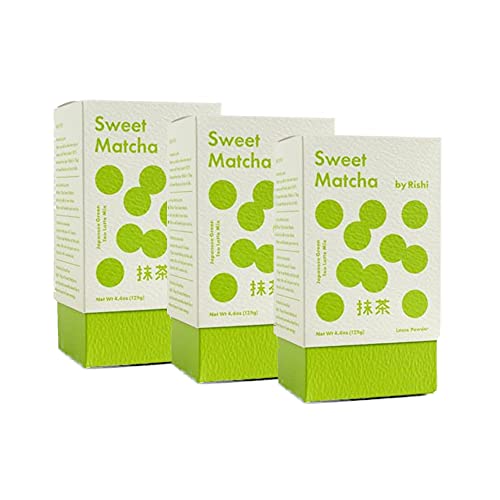
Rishi Tea Sweet Matcha Japanese Green Powder 3 Pack
The Details Behind The Selections
Lipton’s decaffeinated green tea lands the opening slot for a reason. Six packs of 40 bags each give you 240 servings for an office pantry, a household of multiple drinkers, or anyone who likes a hot cup after 7pm without lying awake.
The leaves carry Rainforest Alliance certification, which matters if you want a supply chain that tracks back to specific farms. Steeping is the easy two-minute routine: boil, pour, wait, sip, or pour over ice for a faster cold glass. Compared with the loose-leaf Japanese options later in this list, Lipton trades nuance for convenience, and that is exactly the deal most casual drinkers want.
Where It Excels
- Six 40-count boxes keep the cupboard stocked for months
- Decaf formula opens up evening drinking without sleep loss
- Works equally well for hot cups and iced pitchers
- Rainforest Alliance certified leaves give a traceable backstory
Things To Consider
- Flavor is mild and clean rather than grassy or complex
- Bagged format sacrifices the slow-steeping ritual of loose leaf
Feature Snapshot
Built With In Mind
Caffeine-sensitive drinkers and households that want one reliable decaf green tea bag on hand for morning, afternoon, and evening alike.
Where Another Pick Suits Better
For drinkers who want more layered botanical character, The Republic of Tea SuperGreen Organic Immunity Green Tea brings a matcha-spiked blend with stronger herbal notes.
Republic of Tea’s SuperGreen line bridges the gap between plain green tea and ceremonial matcha. Each bag carries a curated blend of Japanese matcha and green leaf, layered with herbs aimed at the immune system.
The cup pours smooth, not bitter, and the caffeine sits light enough for a mid-afternoon break. Steeping is forgiving: just shy of boiling for one to three minutes, which is the kind of flexibility that works for both first-timers and seasoned tea drinkers. Where Lipton’s decaf from the first pick leans utility, this one leans functional flavor.
Real Benefits
- Real matcha adds richer color and deeper umami than standard bagged greens
- Immunity-focused herbs broaden the appeal beyond plain tea drinkers
- Light caffeine lift avoids the jittery spike of coffee
Points To Note
- 36-count tin runs out faster than the Lipton’s 240-bag bulk pack
- Herbal mix may not suit drinkers who prefer straight green leaf
Right Fit For
Health-oriented drinkers who want a matcha-infused bagged green tea with functional botanicals built into the daily ritual.
Swap It Out When
For drinkers chasing a pure bergamot-citrus profile instead, Bigelow Tea Earl Grey Green Tea delivers a more focused flavor direction.
Bigelow’s Earl Grey Green pulls a clever switch on the classic bergamot tea. Instead of a black tea base, you get a green leaf with Calabrian bergamot oil, which keeps the caffeine and the bright citrus character but softens the heaviness.
One hundred and twenty individually wrapped bags spread across six boxes means the foil pouches keep the bergamot aroma locked in until you actually brew. That detail matters: bergamot fades quickly when bags are exposed to air, and the individual wrap is what keeps the second cup tasting like the first. For drinkers who find plain green tea too grassy, this is a friendly bridge into the category.
The Value In It
- Bergamot oil from Calabria adds a recognizable citrus note
- Individual foil pouches preserve aroma between cups
- 120-bag total supply across the six-pack format
Honest Caveats
- Bergamot fans who want a stronger hit may need to double-bag
- Greener base feels lighter than a traditional Earl Grey
Quick Facts
Whose Shelf It Belongs On
Citrus-leaning drinkers who want a more interesting green tea bag than a plain leaf and a sturdy supply to keep within reach.
Look Elsewhere When
For drinkers chasing pure ceremonial-grade Japanese matcha, Kiyo Matcha Signature Grade Shuga offers a traditional Uji profile instead.
Kiyo’s Signature Grade targets drinkers who already know the difference between a flat green mug and a properly whisked bowl. Sourced from Uji, the historic Japanese region for shaded tea cultivation, this tin sits in the refined tier above casual cooking powders.
The small-batch production approach keeps each release tighter than mass-market alternatives, and the 40-gram tin (about 20 servings at two grams per cup) is sized for daily drinkers, not occasional visitors. Compared with Kiyo’s own Classic Grade later in the list, the Signature option brings more umami depth and a cleaner finish that holds up to a thin chasen (bamboo whisk) routine.
Useful Highlights
- Uji-region sourcing connects to traditional Japanese growing heritage
- Small-batch production supports fresher powder in each tin
- Strong umami character rewards traditional preparation methods
Some Limits To Know
- Premium positioning puts it well above the Lipton decaf budget
- Flavor profile rewards a proper sifter and whisk for full effect
- 40-gram tin runs out faster for households with two or more drinkers
Spec Overview
Made For
Drinkers who already own a bamboo whisk and want a Uji-sourced ceremonial grade that rewards the ritual rather than shortcuts.
A Better Fit Elsewhere
For drinkers who want a larger 100-gram format to cut down on reordering, Naoki Matcha Superior Blend in the 3.5-oz tin serves a heavier daily routine.
Naoki’s Superior Blend lands as a friendly on-ramp for drinkers who keep hearing about matcha but are not ready to commit to a $40 tin. The 40-gram size gives about 20 servings, enough to find a routine before scaling up.
Sourced from Ujitawara, the Kyoto area famous for shaded tea, this blend leans balanced rather than bold. The flavor profile is sweet-leaning and forgiving, which makes it forgiving for early whisking attempts that produce more clumps than crema. It is the same Naoki family you’ll meet again in the 50-gram and 100-gram formats, so the upgrade path stays open without relearning a new brand.
Notable Upsides
- Approachable flavor profile eases newcomers into ceremonial matcha
- 40-gram tin is a reasonable commitment for first-time drinkers
- Ujitawara origin keeps it tied to traditional Japanese growing regions
Where It Is Less Suited
- Not as layered in umami as the Kiyo Signature Grade reviewed earlier
- Air-tight freshness is shorter once you crack the seal, so plan a steady routine
Best Suited To
First-time matcha drinkers who want a Uji-region tin at an accessible entry point before stepping up to a larger format or higher tier.
Not Your Match When
For drinkers who want a sweetened latte powder they can stir straight into milk, Rishi Tea Sweet Matcha skips the bitter-edge experimentation.
The 50-gram Naoki Superior tin lands in a sweet spot. It is the same Ujitawara-sourced blend as the 40-gram pick above, just with enough extra powder to make the reorder cycle feel less frequent.
At roughly 25 servings per tin, daily drinkers get about a month of morning matcha without constantly watching the bottom of the canister. The 50-gram also tends to feel like a useful step for drinkers who started at 40 grams and confirmed they actually want a daily ritual. Compared with the Lipton decaf from the first pick, this is a wholly different world: powdered leaf, whisked in a bowl, rather than a teabag dropped in a mug.
Bright Spots
- Larger format trims down on reordering frequency
- Same balanced flavor profile as the smaller 40-gram Naoki
- Works for both traditional usucha (thin tea) and casual lattes
Practical Considerations
- Once opened, color and aroma fade within weeks, so consume steadily
- Larger tin takes longer to finish in a single-drinker household
Who It Suits Best
Regular morning matcha drinkers who want a mid-size Uji tin that bridges the gap between a starter portion and a heavy-use bulk format.
Reach For A Different Pick When
For drinkers who want to compare against an organic entry-level option, Kiyo Matcha Organic Classic Grade Chiba No Shiro is the clean-label counterpart worth a look.
Naoki’s 100-gram Superior tin is the heavy-use format. At about 50 servings per package (two grams per cup), it is sized for households where two or more people drink matcha most mornings.
Same Ujitawara-sourced blend as the smaller Naoki siblings, so the flavor stays familiar across the size range. Bigger tins demand more attention to storage: once the seal breaks, oxygen and light both work against the powder, and the larger volume means a longer window to use it. For a single daily drinker, this is more than needed, so it earns its spot specifically as a shared or high-volume option.
Everyday Advantages
- 50-serving capacity keeps heavy drinkers stocked across multiple weeks
- Lower cost per gram than the 40-gram starter tin
- Same balanced profile as the smaller Naoki siblings
Details To Watch
- Larger opening exposure accelerates freshness loss after first use
- Single-drinker households may not finish the tin before quality fades
Made For
Multi-drinker households, office pantries, or anyone who works through a tin of ceremonial matcha every few weeks without pause.
Where A Sibling Pick Shines
For solo drinkers, the Naoki 50-gram tin keeps the powder fresher with a faster finish, and the flavor profile is identical.
Kiyo’s Classic Grade is the brand’s most accessible ceremonial Uji matcha. The “Hatsumukashi” label signals first-harvest leaves, which is the early-spring pick prized for brighter color and gentler bitterness, and the 40-gram tin is the same compact size as the Signature Grade earlier in the list.
This is the tin to reach for when you are still figuring out whether the whisking ritual suits you. The flavor profile is balanced rather than deep, so any clumping or over-steeping you produce early on won’t punish you as harshly as a high-end umami blend would. Compared with the Lipton decaf pick in the first slot, this is a real jump in ceremony and complexity, without the cost jump of a Signature tier.
Standout Benefits
- First-harvest leaves offer a brighter cup at a beginner price
- Compact 40-gram size keeps the commitment manageable
- Uji origin ties the tin to traditional growing heritage
Trade-Offs
- Umami is lighter than the Kiyo Signature Grade reviewed earlier
- Some drinkers prefer a sifter to avoid clumps with this grade
Key Product Details
Who Should Grab It
Newcomers who want a real ceremonial-grade Uji matcha without paying for the top tier, especially those still building their preparation routine.
Consider Something Else When
For drinkers who specifically want organic labeling, Kiyo’s Organic Classic Grade Chiba No Shiro is the clean-label sibling in the same tier.
Kiyo’s Organic Classic Grade brings the same approachable ceremonial Uji profile as the Classic tin reviewed just before, but adds an organic certification that clean-label shoppers prioritize.
It works particularly well for entry-level drinkers who want to learn the basics of umami, bitterness, and astringency without a punishing flavor profile. The Chiba No Shiro leaf is a versatile cultivar that handles usucha, cold brew, and latte preparations with similar grace. Compared with the Republic of Tea blend in the second pick, this is a step up in ingredient integrity but a step down in ready-to-drink convenience.
Practical Pluses
- Organic certification matches clean-label household priorities
- Versatile leaf performs well across multiple preparation styles
- Entry-level profile forgives the inevitable early whisking mistakes
Points To Keep In Mind
- Organic sourcing can add a slight premium over the standard Classic Grade
- Same freshness window as other tins once the seal breaks
Made For
Clean-label shoppers who want a versatile organic ceremonial matcha that they can drink straight, brew cold, or whisk into a latte.
Skip It When
For drinkers who want the absolute brightest, deepest umami in the Kiyo line, the Signature Grade Shuga tin delivers more of the layered character that connoisseurs chase.
Rishi’s Sweet Matcha is the most accessible pick on the list. The blend combines Japanese matcha with pure cane sugar, so you get a sweetened, ready-to-mix powder for barista-style drinks at home without hunting down a sifter or a whisk.
It dissolves into hot milk, cold milk, or a lemonade pitcher with equal ease, which makes it a strong fit for busy mornings or office pantries. Each 4.4-ounce package is sized for roughly ten lattes, and the 3-pack keeps a household stocked for a season. Compared with the unsweetened ceremonial Uji tins above, this is a different product category: convenient, sweet, and friendly to drinkers who would never whisk a traditional bowl.
Positive Points
- Pre-sweetened blend removes the need for added sugar
- Quick dissolution works for hot, iced, and lemonade preparations
- Three-pack format keeps the kitchen stocked for weeks
Some Limits To Know
- Sweetness level won’t suit drinkers who want unsweetened leaf
- Pre-blended format sacrifices the ritual of traditional whisking
- Less umami depth than the ceremonial Uji options above
Perfect Match For
Quick-service home drinkers and office kitchens that want an iced matcha latte or a sweetened cup without extra equipment or sweetener steps.
Where Another Pick Suits Better
For drinkers who want the unsweetened ceremonial ritual, Naoki Matcha Superior Blend in any size delivers the traditional Uji profile without added sugar.
What Matters Most Before Choosing Green Tea Matcha Brands
Format Shapes The Daily Ritual
Bagged green tea, loose-leaf green tea, and powdered matcha all live in the same family but behave very differently in the kitchen. Bags win on speed and tolerance for a busy morning, while loose-leaf and matcha reward a more deliberate ritual with stronger flavor and aroma. You may find the bagged approach fits a weekday routine while a tin of ceremonial matcha covers a slower weekend cup.
Grade And Origin Set The Ceiling
Ceremonial grade (a top-tier category reserved for shaded, stone-ground Japanese leaf) is generally reserved for drinking, while culinary grade matcha tolerates heavy mixing into recipes. Sourcing from Uji or Ujitawara, both historic Kyoto regions, often signals traditional shaded cultivation. You will see those names across this list, and they are worth noticing as shorthand for quality tea culture.
Sweetness And Caffeine Are Personal
Decaf options like Lipton from the first slot open up evening drinking, while sweetened powders like Rishi’s Sweet Matcha serve drinkers who want a barista-style cup without the sugar step. Matcha carries a different caffeine curve from steeped green tea: a slower lift, less of a spike, fewer jitters. Matching the format to your own energy needs avoids the most common regret.
Storage And Freshness Drive Real-World Use
Once opened, matcha oxidizes fast. Smaller tins finish before quality drops, while larger 100-gram formats need a tight seal and steady use. Keeping tins in a cool, dark cabinet and away from the stove is the single most useful habit for any matcha owner, and it applies to the Naoki 100g and Kiyo Signature tins alike.
Key Considerations Across These Picks
Pitfalls Shoppers Hit
A common slip is buying a large ceremonial tin before knowing the daily routine. Open matcha fades within weeks, and a half-finished 100-gram tin loses the brightness that made it appealing in the first place. Another trap is grabbing any green tea bag and expecting matcha flavor, since bagged greens use a different leaf entirely. Starting with a smaller tin or a 36-count bagged blend lets you build the habit without a wasted investment.
Where The Extra Money Goes
Higher-tier tins like the Kiyo Signature Grade and the larger Naoki formats are priced for shading, first-harvest picking, and small-batch grinding. The payoff shows up as color, umami depth, and a smoother finish that holds up to traditional preparation. The upgrade is worth it once the daily ritual is real; it is a costly experiment when the routine is still uncertain.
