

A solid grocery store coffee bean can quietly rescue your morning espresso routine. You don’t need a fancy roaster subscription or a trip across town to get a balanced, crema-friendly shot. These nine whole bean options cover everything from mellow daily-drinker blends to single-origin Ethiopians, and they all live in the same retail aisles you already shop.
Your Options, Compared
Your Options, Compared

Lavazza Espresso Whole Bean Coffee, Medium Roast, 100% Arabica, 2.2 lb Bag (Pack of 2)
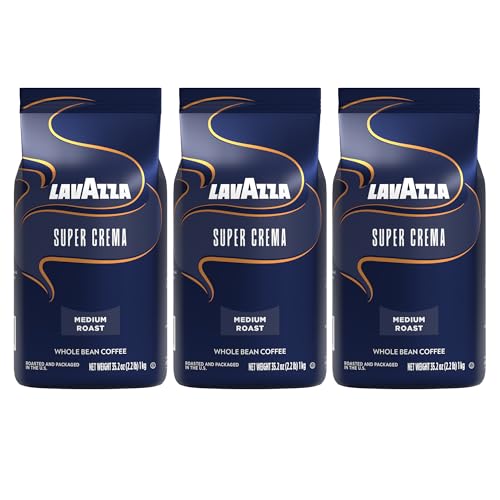
Lavazza Super Crema Whole Bean Coffee, Medium Espresso Roast, 2.2 lb Bag (Pack of 3)

Café Santo Domingo Whole Bean Coffee, Medium Roast, 16 oz (Pack of 2)
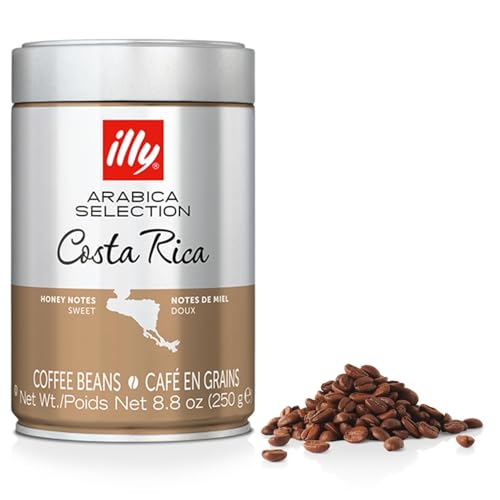
illy Whole Bean Coffee, Costa Rica Medium Roast, 8.8 Ounce

Coffee Bean Direct Italian Roast Espresso, Whole Bean, 5lb Bag
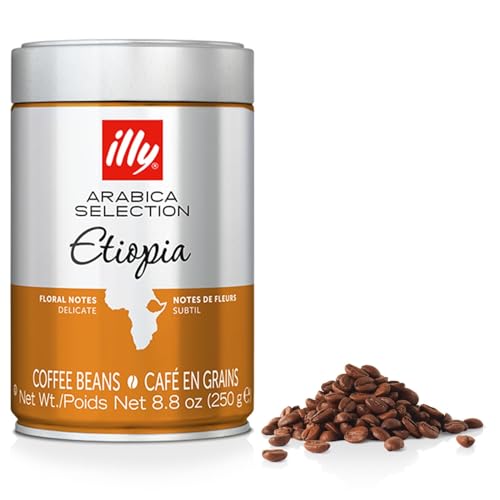
illy Arabica Selections Ethiopia Whole Bean Coffee, Light Roast, 8.8 Ounce Can

Coffee Bean Direct Decaf Penny Pincher’s Dark Roast, Whole Bean, 5lb Bag

Coffee Bean Direct Ethiopian Yirgacheffe, Whole Bean, 5lb Bag

Lavazza Super Crema Espresso Medium Roast, 2.2-pound Bag 2-pack
A Deeper Look At The Lineup
You open the bag expecting the usual Italian dark-roast thump, and what you get instead is something gentler. The 100% Arabica blend sits at a true medium roast with an intensity rating of 5 out of 10, so the cup reads more honeyed than burnt. In a home espresso setup pulling 18 to 20 gram baskets, the shots land somewhere between a ristretto-leaning macchiato base and a forgiving milk-drink backbone. Compared to the Super Crema picks later on, this one skips the Robusta entirely, which means less of that thick, tiger-striped crema but a cleaner, more tea-like finish.
The 2.2 pound bags arrive as a two-pack, giving a small household roughly a month of daily pulls at standard dosing. Whole beans hold up nicely in a countertop canister, though you’ll want to drink through them within three to four weeks of opening for the most expressive aromatics.
What Stands Out
- 100% Arabica gives a smoother, less bitter baseline than Robusta-heavy espresso blends.
- Medium roast profile (intensity 5/10) keeps acidity gentle for milk-based drinks.
- Two 2.2 lb bags offer strong value for couples or small offices running one to two shots a day.
- Versatile enough for drip, moka pot, or entry-level espresso machines.
Soft Spots Worth Knowing
- Crema tends to be thinner than Robusta-forward blends like Lavazza Super Crema.
- You may find the aromatics fade faster once the bag is opened, so smaller-batch drinkers might prefer a single-bag option.
Quick Facts
Who It Suits Best
Beginner home baristas and casual milk-drink fans who want a forgiving, easy-drinking espresso bean without the bite of darker Italian roasts.
Where Another Pick Suits Better
Crema obsessives chasing that thick, syrupy top layer will find a more satisfying pull from Lavazza Super Crema (Pack of 3).
Super Crema has earned a loyal following for one simple reason: it pulls a textbook Italian-style shot without demanding much from your grinder. The blend mixes Arabica and Robusta beans sourced from 15 coffee-growing regions, and that global mix shows up in the cup as a full-bodied, creamy espresso with a bold finish. The Robusta portion is what gives you that dense, golden crema layer, the kind that holds up under a layer of steamed milk in a latte.
Three 2.2 pound bags give you roughly 6.6 pounds of beans, which works out to a healthy two to three months for most home baristas pulling two shots a day. The medium roast sits a touch darker than the pure Arabica option above, so you get more caramelization and a richer mouthfeel without sliding into smoky territory.
What Helps Most
- Arabica-Robusta blend produces thick, long-lasting crema on properly pulled shots.
- 15-country sourcing creates a balanced, crowd-pleasing flavor that hides grind inconsistencies well.
- Pack of 3 keeps a busy kitchen stocked for months at a time.
- Forgiving on entry-level machines and pressurized portafilter baskets.
Things To Consider
- The Robusta content means slightly more caffeine and a more assertive bite than pure Arabica options.
- Three-bag bulk format takes up significant pantry space, which smaller households may find unwieldy.
Feature Card
Made For
Households that run an espresso machine daily and want a forgiving, crema-forward blend that works across latte, cappuccino, and straight shot preparations.
Consider Something Else When
Anyone sensitive to caffeine or preferring a lighter, fruitier cup should look at the illy Ethiopia Light Roast instead.
Café Santo Domingo reads like a familiar handshake in a lineup of louder options. The medium roast leans into caramel and vanilla notes without any added flavorings, so the sweetness comes purely from the bean development. In a home espresso machine, it pulls a smooth, balanced shot that plays especially well in cappuccinos and flat whites, where you want the milk to soften the coffee rather than fight it.
Two 16 ounce bags keep things manageable for smaller households, and the bags tend to reseal well, which helps the second bag stay fresh while you work through the first. The smaller format also makes this a friendly choice for couples or single drinkers who don’t want a 5-pound bag aging on the counter.
Standout Benefits
- Natural caramel and vanilla notes give milk drinks a dessert-like quality without syrup.
- Smaller 16 oz bags stay fresh faster than bulk options.
- Medium roast body works across espresso, drip, and French press.
Honest Caveats
- No added flavors means the sweetness is subtle, and folks expecting a flavored-coffee punch may want something else.
- Per-ounce cost runs higher than the larger Lavazza or Coffee Bean Direct bags.
Best Suited To
Solo sippers and couples who want a sweet-leaning, easy-drinking espresso bean in a manageable package size.
Not Your Match When
Shoppers brewing for a busy household or office will get more mileage from a 5-pound bag like the Coffee Bean Direct Italian Roast.
illy’s Costa Rica single-origin is the kind of bag that quietly overdelivers in a small package. The 100% Arabica beans show off notes of honey, vanilla, and citrus, with hints of caramel and dried fruit showing up as the cup cools. In an espresso context, that translates to a bright but balanced shot that doesn’t need sugar, and a pour-over that highlights the origin character more than any of the blended picks on this list.
At 8.8 ounces, the tin is on the smaller side, which actually suits this style well. Single-origin coffees lose their nuance faster once opened, so drinking through it in two to three weeks keeps the honey-citrus profile intact. illy’s preservative-free approach is a nice fit for clean-cup drinkers.
Bright Spots
- Single-origin Costa Rica beans let the honey-vanilla-citrus character come through cleanly.
- No preservatives and 100% Arabica make for a clean ingredient list.
- Smaller tin encourages faster turnover, which preserves aromatics.
Points To Keep In Mind
- Per-ounce cost sits well above the bulk options on this list.
- Single-origin flavor is more delicate, so grinder and water quality noticeably affect the cup.
At A Glance
Whose Shelf It Belongs On
Home baristas who already own a decent grinder and want to explore single-origin flavor without committing to a full pound.
Skip It When
Value-focused shoppers stocking a busy kitchen will get far more mileage from Lavazza Super Crema at a lower per-ounce cost.
Coffee Bean Direct’s Italian Roast is built for volume. The 5 pound bag suits a small office, a multi-drinker household, or anyone running a moka pot daily. The dark roast profile brings deep chocolate notes, a hint of nuttiness, and a heavy body with medium acidity, which all translates to a syrupy, full-flavored espresso that holds its own in milk.
Because dark roasts lose aromatic complexity faster than medium roasts, you’ll want a sealed canister and a reasonable consumption rate. Drinkers pulling four or more shots a day will finish this in about three weeks, which keeps the bag inside its peak window.
What Pays Off
- 5 lb bulk format drops the per-ounce cost dramatically.
- Dark Italian roast delivers rich chocolate character that pairs well with milk.
- Heavy body holds up in lattes, mochas, and even drip brewing.
Worth Bearing In Mind
- Dark roast can read as bitter to drinkers used to medium or light profiles.
- 5 lb bag demands a proper airtight canister to keep the second-month beans from going flat.
Who Will Love This
Heavy-volume home baristas, shared workspaces, and anyone who wants a pantry-staple espresso bean without paying boutique prices.
Look Elsewhere When
Single-origin explorers chasing bright, fruity notes will enjoy the Coffee Bean Direct Ethiopian Yirgacheffe more.
Ethiopia is where the coffee world goes when it wants perfume, and illy’s Arabica Selections Ethiopia is no exception. The 100% Arabica, light roast brings delicate jasmine aromatics to the cup, with a soft, almost tea-like body. Pulled as espresso, it shows up as a brighter, more floral shot than anything else on this list, which is the whole point.
The pressurized 8.8 ounce can keeps the beans well sealed, which matters for a light roast that loses its aromatic top notes quickly. You’ll want a grinder that handles slightly lighter, more brittle beans without producing too many fines. The cup rewards slow sipping more than milk drowning, so a lungo or small flat white plays to its strengths.
Practical Advantages
- Light roast preserves the jasmine and floral aromatics that define Ethiopian coffees.
- Sealed can format keeps oxygen out better than a typical bag with a tin tie.
- All-natural with no preservatives.
Practical Considerations
- Light roast behaves differently in a standard espresso machine, so dialing in takes patience.
- Jasmine and floral notes can read as “too subtle” to drinkers used to Italian dark roasts.
Key Product Details
Perfect Match For
Curious home baristas who already experiment with pour-over and want to see what a light-roast espresso can taste like at home.
A Better Fit Elsewhere
Drinkers chasing a thick, milk-friendly crema layer will find Lavazza Super Crema (Pack of 3) more aligned with their daily routine.
Decaf often gets a bad rap, and Penny Pincher’s exists to argue against that. The dark roast brings notes of dark chocolate, molasses, and black cherry, all backed by moderate acidity and a balanced body. In an espresso machine, the shot lands heavy and satisfying, which is exactly what a late-afternoon decaf drinker is after.
The 5 pound bag makes sense for households where multiple people are switching to decaf in the evening, or for anyone who simply doesn’t want to keep restocking every few weeks. Decaf beans tend to lose vibrancy faster than their caffeinated siblings, so a sealed canister and steady consumption keep the chocolate notes from drifting toward cardboard.
Noteworthy Benefits
- 5 lb decaf bag is one of the most affordable ways to keep an evening espresso routine going.
- Dark chocolate and molasses notes make it a strong fit for milk drinks after dinner.
- Moderate acidity keeps the cup from feeling heavy on the stomach.
Soft Spots
- Decaf flavor is inherently flatter than the caffeinated Penny Pincher’s blend, which some drinkers notice right away.
- 5 lb format requires decent pantry space and a good storage canister.
Right Fit For
Late-day espresso drinkers and households that rotate between caffeinated morning beans and decaf after 2 p.m.
Another Choice May Suit
Coffee lovers who drink decaf only occasionally will find the smaller Café Santo Domingo pack easier to finish before staleness sets in.
Yirgacheffe is one of those names that signals “origin character” before you even brew the bag. Coffee Bean Direct’s 5 pound version leans into the region’s signature profile: bright citrus, floral aromatics, and a wine-like undertone, all backed by a smooth body and medium acidity. The light roast keeps those delicate notes intact, so the cup smells more like a tea shop than a doughnut shop.
Where this bag gets interesting is in the espresso machine. Light-roast Yirgacheffe pulls a shot that breaks the rules of what “espresso” tastes like, and that can be the whole appeal for home baristas tired of the same dark-roast routine. Pour-over drinkers get an even more vivid expression of the bean’s character.
Where It Helps
- 5 lb format makes a single-origin Ethiopian unusually affordable for the category.
- Bright citrus and floral notes add variety to a kitchen that usually defaults to dark roasts.
- Light roast plays beautifully through V60, Chemex, and AeroPress.
Worth Weighing
- Light roast asks more of your grinder and water quality than a forgiving dark blend.
- 5 lb of light roast will lose aromatic punch by week five unless storage is airtight.
Specs Snapshot
Who Should Grab It
Curious brewers who want to keep a single-origin Ethiopian on hand for pour-overs and the occasional lighter espresso pull.
Swap It Out When
Anyone whose daily routine is built around milk-forward drinks may prefer the darker body of Coffee Bean Direct Italian Roast.
The two-pack Super Crema is essentially the same dependable blend you saw in pick #2, just in a smaller total volume. Two 2.2 pound bags give a small household about six to eight weeks of daily pulls, which is a friendlier format than the three-bag version for drinkers who want to rotate stock and keep beans closer to the roast date.
The Arabica-Robusta blend pulls a creamy, full-bodied shot that holds up under steamed milk, and the medium roast keeps the cup from sliding into ash territory. It’s a low-fuss choice that just works, day after day, in most home machines.
Reasons It Performs
- Two-pack format strikes a balance between bulk value and fresh rotation.
- Arabica-Robusta blend produces reliable crema in pressurized and non-pressurized baskets.
- Versatile enough for drip, moka pot, and espresso alike.
Possible Compromises
- Per-ounce cost sits above the 3-pack Super Crema option.
- Robusta content means more caffeine than the pure-Arabica Lavazza option.
Who This Is Built For
Two-person households or solo drinkers who want a Super Crema stash without committing to a six-and-a-half-pound order.
Where A Sibling Pick Shines
High-volume households brewing multiple milk drinks a day should grab the Lavazza Super Crema 3-pack for better per-ounce value.
What To Weigh Before You Buy
Roast level sets the foundation for any espresso choice. Dark roasts (like the Coffee Bean Direct Italian Roast and the Decaf Penny Pincher’s) bring chocolate and caramelized notes, thicker body, and an easier time cutting through milk. Medium roasts (Lavazza Espresso, both Super Crema options, Café Santo Domingo, and illy Costa Rica) balance sweetness, body, and acidity, which is why they show up so often in home espresso machines. Light roasts (illy Ethiopia and Yirgacheffe) show off origin character but ask more of your technique.
Blend composition matters as much as roast. Pure Arabica coffees tend toward smoother, sweeter, more tea-like cups. Adding Robusta, as Lavazza does in both Super Crema options, brings denser crema, more body, and a touch more caffeine. Drinkers who find straight espresso too sharp usually do well with a 60/40 or 70/30 Arabica-Robusta mix.
Package size is a practical concern that most people underestimate. A 5 lb bag is only a bargain if you actually finish it within four to five weeks of opening, and an 8.8 ounce tin of single-origin coffee stays vibrant for about two to three weeks. Match the bag size to your household’s actual weekly consumption, and keep an airtight canister within reach.
Single-origin versus blended is more of a flavor question than a quality one. Single-origin beans like the illy Costa Rica and Coffee Bean Direct Yirgacheffe showcase one region’s character, which can be thrilling on a V60 and surprisingly subtle in espresso. Blends like Lavazza Espresso and Super Crema are engineered to taste the same batch after batch, which is what most daily drinkers actually want.
Things Most Shoppers Miss
Pitfalls Shoppers Hit
Buying a 5 lb bag to “save money” is one of the most common mistakes in this category. Beans staling in a half-empty bag taste worse than fresh beans at full price, and dark roasts go flat especially fast. Match the bag to your consumption.
Another slip is assuming a “light roast” bag will behave the same way as a “dark roast” bag in the same machine. Light roasts are denser and trickier to dial in, so the same grind setting that pulls a perfect Lavazza Super Crema shot may choke on a Yirgacheffe. Give a new bag at least a few pulls before deciding the beans are wrong.
When Paying More Pays Off
The premium tier in this list (illy Costa Rica, illy Ethiopia, smaller single-origin tins) costs more per ounce, and that gap is real. The payoff shows up in aromatic complexity, more transparent origin character, and often cleaner ingredient lists with no preservatives. You don’t need to buy premium every day, but rotating one or two pricier bags into a mostly bulk-blend routine is a smart way to expand your palate without breaking the budget.
Frequently Asked Questions
What roast level is best for espresso at home?
A medium roast is the most forgiving starting point for home espresso machines, because it balances sweetness, body, and crema. Dark roasts offer thicker body and more chocolate notes, while light roasts showcase origin character but require more dialing in.
Are whole beans really better than pre-ground for espresso?
Whole beans stay fresh significantly longer than pre-ground, and espresso is especially sensitive to grind age. A basic blade grinder plus whole beans usually outperforms an expensive pre-ground option.
Can I use these beans in a moka pot or French press?
Yes. Most of the picks on this list work across brew methods. Lavazza Super Crema, Lavazza Espresso, and Coffee Bean Direct Italian Roast all perform well in moka pots, while single-origin options like illy Costa Rica shine in French press and pour-over.
How long do whole coffee beans stay fresh?
Unopened, most bags stay near peak for four to six weeks past the roast date. Once opened, you’ll get the best flavor by finishing the bag within three to four weeks and storing it in an airtight container away from light and heat.
Is Robusta in an espresso blend a bad thing?
Not at all. Robusta adds crema density, body, and a small caffeine bump, which is why traditional Italian espresso blends include it. Drinkers sensitive to caffeine or who prefer a cleaner cup can stick with the 100% Arabica options on this list.
The Takeaway
The best grocery store coffee bean for your espresso setup is the one that matches your machine, your drinking style, and how fast you actually finish a bag. Start with a versatile medium roast like Lavazza Super Crema if you want a low-fuss daily driver, branch into a single-origin like Yirgacheffe when you want variety, and let your own palate guide the rest.
