

Picking the right nutritional support for a growing child can feel like guesswork, especially when appetites swing between ravenous and completely shut down. A short, picky-eating week can leave parents wondering whether their kid actually got enough protein, calcium, or vitamin D. Health drinks designed for child growth step into that gap, offering a measurable boost between meals without turning snack time into a negotiation. This roundup covers shakes, powders, and gummy supplements that aim to support height, weight gain, bone strength, or general nutrition, with options for toddlers, school-age kids, and teens. Each pick below is evaluated for what it actually delivers, who it suits, and where another option on the list might be a better fit.
A Snapshot Of The Selections

NUTREN JUNIOR Vanilla Brikpaks 24 x 250 mL Case
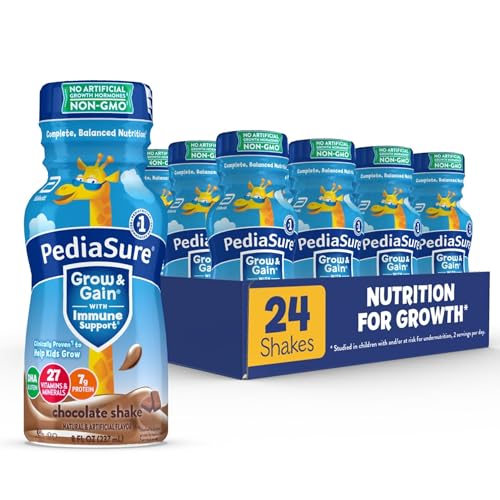
PediaSure Grow & Gain Chocolate 24 Pack

PediaSure SideKicks Chocolate 24 Pack

PediaSure Grow & Gain Vanilla 6 Pack

Similac Go & Grow 360 Sensitive Powder 23.3-oz

Youngevity Cheri-Mins Liquid Trace Minerals 32 oz

PediaSure Grow & Gain with 2′-FL HMO Vanilla 24 Count

TruHeight Sleep Gummies Mixed Berry Ages 4+

TruHeight Kids Bone Growth Gummies Strawberry Ages 2+

TruHeight Growth Protein Shake Chocolate Whey Ages 4+
A Breakdown Of The Leading Choices
Pediatric formulas occupy a different lane from typical kids’ shakes, and NUTREN JUNIOR Vanilla Brikpaks sit firmly in that medical-adjacent space. Whey protein, which is the fast-digesting milk fraction often used in clinical nutrition, makes up half the protein content, a ratio that tends to support easier tolerance in younger digestive systems. Each 250 mL Brikpak is shelf-stable and ready to drink, which matters when a child needs reliable calories between medical appointments or therapy sessions. Parents working with dietitians on a catch-up growth plan will likely recognize this format faster than a casual shopper would.
Compared to the ready-to-drink PediaSure options later in this list, NUTREN JUNIOR leans more clinical and less snack-friendly. Vanilla keeps it palatable without leaning sweet, though some older kids may find the flavor thinner than chocolate alternatives. Storage is straightforward, and the 24-pack format handles a couple of weeks of daily servings for a single child. It’s a sensible bridge when regular food intake alone isn’t covering nutritional needs.
The Upside
- Whey-dominant protein profile suited to sensitive digestion
- Shelf-stable 250 mL Brikpaks need no mixing or refrigeration until opened
- Designed to serve as complete nutrition, useful in catch-up growth plans
- Subtle vanilla flavor avoids the dessert-like sweetness some kids reject
- Multi-pack format simplifies daily routines for caregivers
Trade Offs
- Flavor profile reads more clinical than mainstream kids’ shakes
- Single 250 mL serving may be too small for older children needing larger portions
- Not positioned as an everyday snack, so labeling may confuse casual shoppers
Right Fit For
Caregivers coordinating with a pediatrician or dietitian for a child who needs a medical-grade nutritional supplement.
A Better Fit Elsewhere
Families wanting a tastier, mainstream chocolate shake should reach for PediaSure Grow & Gain Chocolate 24 Pack instead.
The classic chocolate PediaSure is the reference point most parents already know, and the Grow & Gain version delivers 7 grams of protein per serving alongside a roster of vitamins and minerals aimed at everyday growth support. It fits ages 2 through 13, which covers the bulk of a child’s nutritional tightrope: the school years when lunch boxes come home half-eaten and after-school hunger doesn’t always match what dinner will provide. Antioxidants, or nutrients that help protect cells from everyday oxidative stress, show up here alongside vitamin D and zinc to round out the immune-support angle.
You can hand one to a kiddo in the car on the way to soccer practice, and the bottle format eliminates any measuring or cleanup. Compared to the PediaSure SideKicks pick coming up, this version prioritizes balanced everyday nutrition over maxed-out protein. For most families starting out, it’s the most forgiving entry point because the flavor is widely accepted and the format is familiar.
Reasons It Performs
- 7g of protein per serving for muscle and tissue development
- Includes vitamin D, zinc, and antioxidants to support immune function
- Chocolate flavor tends to land well with picky eaters
- Ready-to-drink bottles slot easily into a school-bag or travel routine
- Suited to a wide age window, simplifying household shopping
Points To Keep In Mind
- Lower protein than the PediaSure SideKicks option in this list
- Contains added sugars that some households prefer to limit
- Chocolate flavoring is artificial, which matters for clean-label shoppers
Feature Snapshot
Made For
School-age kids who need a calorie and protein top-up between meals without changing their regular routine.
Skip It When
You want maximum protein per bottle, in which case PediaSure SideKicks Chocolate 24 Pack is the better match.
Where the standard Grow & Gain shake focuses on balanced daily nutrition, SideKicks pushes the protein number up to 10 grams per bottle. That bump matters for active kids, athletes in training, or children whose meals tend to lean carb-heavy. The label calls out four specific nutrient gaps common in kids’ diets: vitamin D, calcium, fiber, and potassium, which covers the usual suspects pediatricians flag during routine checkups.
The positioning is less “catch-up growth” and more “fill what lunch missed,” which you can see in the lighter formulation compared to the classic Grow & Gain above. Most kids will still reach for the chocolate flavor happily, and the bottles slide into a backpack the same way. For families who already know the PediaSure taste and want a step up in protein without going to a teen-oriented product, this is a sensible middle ground.
Practical Pluses
- 10g protein per serving exceeds the standard Grow & Gain offering
- Targets four common nutrient gaps in a single bottle
- Fiber content helps with satiety between meals
- Same ready-to-drink convenience as the classic PediaSure format
Where It Is Less Suited
- Not formulated for catch-up growth, so underweight kids may need a more calorie-dense option
- Chocolate flavor carries added sugar, similar to other mainstream shakes
- Lacks the immune-support antioxidant blend featured in the original Grow & Gain
Best Suited To
Active, generally well-nourished kids whose parents want a protein-forward daily shake rather than a recovery product.
Look Elsewhere When
Your child is genuinely behind on weight, in which case the original PediaSure Grow & Gain Chocolate 24 Pack is the better tool.
The vanilla variant of Grow & Gain earns its place by solving a different problem than the 24-pack chocolate version: trying it out. A 6-pack lets you test whether your child will actually drink a nutritional shake before committing to a bulk case, and it works equally well for travel days when packing a 24-bottle haul isn’t practical. The nutritional profile mirrors the chocolate version with 7 grams of protein, plus the same vitamin and mineral lineup aimed at growth and immune support.
Vanilla tends to be the safer flavor for kids who bounce off chocolate, and it pairs well with breakfast cereal or a quick smoothie if your child refuses to drink it plain. You won’t get the variety of the larger pack, and the per-bottle cost is higher, but that’s the trade-off for flexibility. For grandparents’ houses, weekend trips, or just dipping a toe in, this format earns its slot.
Useful Touches
- Smaller 6-pack lowers the commitment for first-time users
- Vanilla flavor suits kids who reject chocolate-dominant products
- Same 7g protein and nutrient profile as the 24-pack version
- Portable format fits easily in a carry-on or weekend bag
Honest Caveats
- Per-bottle cost runs higher than bulk 24-pack options
- Vanilla can taste thin if the child expects dessert-level sweetness
- Still contains added sugars, like most mainstream kids’ shakes
Whose Shelf It Belongs On
Parents wanting to test a nutritional shake commitment-free, plus households needing a small travel supply.
Swap It Out When
Your child has already accepted the flavor and you need a longer-term supply, since the PediaSure Grow & Gain Chocolate 24 Pack offers better per-bottle value.
The transition out of infant formula often comes with digestive complaints, and the Go & Grow 360 Sensitive formula targets exactly that window. Marketed toward toddlers with lactose sensitivity, this powder version includes five different HMOs, which are human milk oligosaccharides, complex carbohydrate structures originally identified in breast milk that act as food for beneficial gut bacteria. That prebiotic angle is a meaningful differentiator from the PediaSure line, which focuses more on vitamins and minerals than gut-specific nutrition.
Powder format brings mixing and measuring back into the routine, but it also stretches further per dollar than ready-to-drink shakes. The 23.3-ounce can covers several weeks of daily servings for a single toddler. Parents who already trust the Similac ecosystem from the infant stage will find the brand continuity helpful, and the sensitive formulation is positioned to soothe rather than challenge an unsettled tummy.
Standout Benefits
- Five HMOs support the gut microbiome, a notable edge over most kids’ shakes
- Lactose-sensitive formulation eases digestion for sensitive toddlers
- Powder format stretches further per serving than ready-to-drink options
- Includes DHA, a fatty acid that supports brain and eye development
Things To Weigh
- Not intended as a sole nutrition source, so it works alongside meals
- Requires mixing, which adds cleanup compared to ready-to-drink shakes
- Toddler-focused, so older kids may outgrow the formulation quickly
Quick Facts
Who It Suits Best
Toddlers moving off infant formula whose families want a gentle, gut-friendly nutritional bridge.
Where Another Pick Suits Better
For older kids needing a convenient grab-and-go shake, PediaSure Grow & Gain Chocolate 24 Pack is a more practical format.
Liquid mineral supplements take a completely different approach than ready-to-drink shakes, and Cheri-Mins leans into the plant-derived angle. The 32-fluid-ounce bottle is meant to be measured out in small servings and mixed into juice or water, which makes dosing flexible but requires a bit of routine. The “Cheri” branding reflects its positioning toward children, with a flavor profile tuned to be palatable rather than medicinal, which matters when the audience is a skeptical eight-year-old.
Unlike the calorie-and-protein-heavy PediaSure and NUTREN options earlier in this list, this product focuses on trace minerals without delivering meaningful macronutrients, meaning it complements a regular diet rather than replacing a meal. For families already eating well and just wanting to round out the mineral side of things, the small daily dose slips into a routine quickly. It also comes in multi-pack options if one bottle proves popular.
The Helpful Details
- Plant-derived mineral blend appeals to clean-label households
- Liquid format allows flexible dosing for different ages
- Mixed into juice or water, the flavor is generally well-tolerated
- 32-oz bottle covers an extended period at small daily servings
Where It May Fall Short
- Doesn’t deliver the protein or calories that growth-focused shakes provide
- Requires daily measuring and mixing, which adds a step to the routine
- Trace minerals alone won’t address a child who’s behind on weight gain
Perfect Match For
Families with a balanced diet who want a daily mineral topper rather than a meal-replacement-style shake.
Consider Something Else When
You need actual protein and calories, in which case the PediaSure Grow & Gain Chocolate 24 Pack delivers a more complete nutritional package.
The newer PediaSure Grow & Gain formulation adds a 2′-FL HMO prebiotic, which is a single specific human milk oligosaccharide structure chosen for its research base, alongside 32mg of DHA omega-3. The product is positioned for kids who are behind on growth curves and need to gain weight, and the labeling emphasizes a more complete nutrient package than the standard version. For parents willing to pay a little more for a formulation that reads closer to a premium product, the value calculation gets easier.
The vanilla flavor avoids the chocolate-versus-vanilla split that often drives household preference, and the non-GMO labeling matters for families who shop that section deliberately. Compared to the original Grow & Gain in this list, the upgraded version is best viewed as a step up rather than a replacement. It depends on whether your child genuinely needs the extra prebiotic and omega-3, or whether the standard version already covers the bases.
What Pays Off
- 2′-FL HMO prebiotic supports gut health in a ready-to-drink format
- Includes 32mg DHA omega-3 for brain and eye development
- Non-GMO and gluten-free credentials broaden household fit
- 27 essential vitamins and minerals per bottle for comprehensive coverage
Potential Compromises
- Per-bottle cost runs higher than the standard Grow & Gain version
- Still contains added sugars despite the cleaner ingredient positioning
- Vanilla-only format may not satisfy chocolate-preferring kids
Key Product Details
Who Should Grab It
Parents of kids behind on growth curves who want a more complete, prebiotic-inclusive formulation than the standard PediaSure.
Reach For A Different Pick When
You don’t need the HMO and DHA additions, since the original PediaSure Grow & Gain Chocolate 24 Pack covers the basics at a lower cost.
TruHeight approaches the growth equation from a different angle: sleep quality. The Sleep Gummies bundle 1mg of melatonin with ashwagandha, L-theanine, and lemon balm, four ingredients often associated with relaxation and wind-down routines. The mixed berry flavor makes the chewable format feel more like a treat than a supplement, which can matter when bedtime battles are already a feature of life. For kids ages 4 and up, two gummies about half an hour before bed is the suggested routine.
This pick exists because growth happens during sleep, not just at the table, and the product label leans into that connection. It does not replace a meal or provide protein, so pairing it with one of the shakes earlier in this list is the realistic approach. For households where the actual roadblock is a child who won’t settle at night, the gummy format may earn its place in a way a shake never could.
What It Does Well
- 1mg melatonin dose is gentle and child-appropriate
- Ashwagandha and L-theanine add non-melatonin relaxation support
- Chewable gummy format removes pill-swallowing friction
- Mixed berry flavor encourages consistent bedtime compliance
Points To Note
- Contains sugar, so daily gummy use adds up over time
- Provides no protein or calories, so it’s not a meal substitute
- Bedtime supplements aren’t appropriate for every child, and caregivers should evaluate fit
Who Will Love This
Families whose child’s growth gap is tied more to restless sleep than to daily nutrition, and who want a low-dose, chewable option.
Where A Sibling Pick Shines
For protein-and-calorie support during the day, PediaSure Grow & Gain Chocolate 24 Pack addresses the nutritional side directly.
The TruHeight bone-focused gummy narrows in on the structural side of growth: calcium, vitamin D3, vitamin K2, and magnesium. Those four nutrients work as a coordinated group rather than independently, since D3 helps the body absorb calcium while K2 directs that calcium into bones rather than soft tissue. Magnesium rounds out the picture as a cofactor in bone formation. The strawberry gummy format is friendly for younger kids, with the age recommendation starting at 2.
Compared to the TruHeight Sleep Gummies earlier in this list, this pick targets daytime nutrition rather than bedtime. The gummy format trades comprehensive nutrient coverage for compliance, since a strawberry chewable is easier to remember than another pill or shake. It’s a solid complement to a balanced diet that may be light on dairy or fortified foods, and the multi-pack options help stretch the supply if the household includes more than one child.
The Good Stuff
- Four-nutrient bone support: calcium, D3, K2, magnesium
- Strawberry gummy format fits the youngest age range on this list
- Compact chewable removes the need for measuring or mixing
- Multi-pack options available for households with multiple kids
Things That May Matter
- No protein or calories, so it complements rather than replaces a meal
- Gummy supplements typically contain added sugars for palatability
- Bone-specific focus means other nutrients still need to come from food or other supplements
Built With In Mind
Toddlers and young kids whose diets are light on dairy and whose parents want a simple, chewable way to support bone development.
Not Your Match When
Your child needs broader nutritional support, in which case the PediaSure Grow & Gain with 2′-FL HMO Vanilla 24 Count covers more bases in a single bottle.
The TruHeight protein shake rounds out the list by targeting a specific pain point: picky eaters. Each serving delivers 16 grams of whey protein, a meaningful step up from the PediaSure options, alongside 18 vitamins and minerals, including calcium, magnesium, and vitamin D. The chocolate milk flavor aims to land like a treat rather than a clinical supplement, which can be the difference between compliance and a full glass going down the sink. It’s positioned for kids ages 4 and up, including teens.
Compared to the PediaSure Grow & Gain covered earlier, this product leans toward higher protein and lower sugar, which matters for households trying to keep added sugars in check. The trade-off is the brand’s smaller footprint in the pediatric nutrition space, so first-time users may need to test tolerance. For a child who flatly refuses to eat protein at meals, this shake can do heavy lifting in a small glass.
Advantages To Know
- 16g of whey protein per serving, the highest in this list
- Includes 18 vitamins and minerals covering daily essentials
- Lower sugar than many mainstream kids’ shakes
- Chocolate milk flavor typically appeals to picky eaters
Practical Considerations
- Whey protein may not suit children with dairy sensitivities
- Brand recognition is smaller than PediaSure in the pediatric space
- Higher protein load may feel heavy for younger or smaller kids
The Main Details
The Right Fit
Picky eaters and active kids ages 4 and up who need a protein-forward, lower-sugar daily shake.
Where Another Pick Suits Better
For dairy-sensitive children, the Similac Go & Grow 360 Sensitive Powder 23.3-oz is the more appropriate choice.
What To Weigh Before Choosing A Growth Drink
The first decision is age range, since toddlers, school-age kids, and teens have very different nutritional needs and tolerances. Toddlers often do best with gentler formulations like the Similac Go & Grow 360 Sensitive Powder 23.3-oz, which is designed for sensitive digestion during the transition off infant formula. School-age kids, the target audience for most of the PediaSure and TruHeight options in this list, tend to handle ready-to-drink shakes well, especially when lunch boxes come home half-eaten. Teens typically need higher protein per serving, which is where the TruHeight Growth Protein Shake Chocolate Whey Ages 4+ earns its position.
The next factor is what gap the drink is meant to fill. A child who struggles with weight gain needs calorie and protein density, not just vitamins. A child who eats well but sleeps poorly may benefit more from a sleep-supporting supplement like the TruHeight Sleep Gummies. A child who avoids dairy altogether may need a formulation that compensates for what milk normally provides, like the bone-focused TruHeight Kids Bone Growth Gummies Strawberry Ages 2+. The form factor also matters, since gummies, powders, and ready-to-drink shakes each come with different routines. A powder stretches further per dollar, while a ready-to-drink bottle removes every step except opening and handing over. Choose the format your household will actually use consistently.
Key Considerations Across These Picks
Mistakes Worth Dodging
Choosing a growth drink based on flavor alone skips over the more important question of nutrient profile. Chocolate is appealing, but a child who genuinely needs more protein may be better served by a higher-protein option like the TruHeight Growth Protein Shake than by another chocolate shake. Parents also tend to over-rely on a single product, treating it as a meal replacement when it’s actually designed to complement a regular diet. Most pediatric supplements work best alongside balanced meals, not in place of them, and reading the label’s intended use prevents that mistake.
Where The Extra Money Goes
Premium pricing in this category typically buys you specific upgrades rather than vague quality claims. The PediaSure Grow & Gain with 2′-FL HMO Vanilla 24 Count, for example, adds a researched prebiotic and DHA omega-3 over the standard version. The TruHeight growth shake adds higher protein and lower sugar compared to mainstream alternatives. When the upgrade maps to a genuine need (a child with a documented growth gap, a household keeping tight rein on added sugars), the extra cost is easier to justify. When the upgrade is purely cosmetic or flavor-based, the standard version usually does the same job.
Frequently Asked Questions
What age should my child start using growth drinks? Most products in this list are designed for ages 2 and up, though some, like the Similac Go & Grow 360 Sensitive Powder 23.3-oz, are specifically formulated for toddlers. School-age products like the PediaSure Grow & Gain Chocolate 24 Pack typically cover ages 2 through 13. Match the product’s age range to your child’s stage rather than pushing younger or older.
Can growth drinks replace regular meals? No, most nutritional shakes and supplements in this list are designed to complement a regular diet, not replace meals. Products like the Similac Go & Grow 360 Sensitive Powder 23.3-oz explicitly note they aren’t intended as sole-source nutrition. Use them to fill gaps between meals, not in place of them.
How do I know if my child actually needs a growth supplement? The most reliable signal is a pediatrician’s input, especially if your child is consistently tracking below growth curves or showing specific nutrient deficiencies. Products like the PediaSure Grow & Gain with 2′-FL HMO Vanilla 24 Count are positioned for kids who are behind on growth and need to gain weight, which is a clinical call rather than a parental hunch.
Are gummy supplements as effective as shakes? Gummies like the TruHeight Sleep Gummies Mixed Berry Ages 4+ and the TruHeight Kids Bone Growth Gummies Strawberry Ages 2+ are convenient but typically don’t deliver the protein and calories that shakes provide. They’re best paired with a balanced diet, or with a separate protein source, since compliance is their main advantage.
How long does a case of 24 shakes typically last? A 24-pack, like the PediaSure Grow & Gain Chocolate 24 Pack, usually covers about 12 days at two servings per day or 24 days at one serving per day. Usage depends on whether the product is meant to fill a daily gap or serve as an occasional top-up, and your child’s tolerance for daily shakes will set the practical pace.
Closing Remarks
The right growth drink depends less on the brand and more on the specific gap your household is trying to close, whether that’s calories, protein, sleep, or bone-strengthening nutrients. Shakes handle daytime nutrition best, while gummies fit a bedtime or supplement routine. Matching the format and nutrient profile to your child’s age and needs will get you further than chasing the longest ingredient list. A balanced diet remains the foundation, and these products work best when they fill the spaces between meals.
