

Packing food for the trail feels deceptively simple until you hit mile six starving and realize your snack choices were an afterthought. The right hiking foods do three jobs at once: they fuel your legs, survive a day in a pack without turning to mush, and actually taste good when you’re exhausted. This roundup pulls together practical staples that work for day hikes, multi-day treks, and everything in between, so your next outing starts with smarter choices in the bear canister.
The Leading Options At A Glance

Snow Peak Titanium Spork

humangear GoBites Uno

simplyFUEL Protein Balls Best Sellers Pack

simplyFUEL Protein Balls Ultimate Variety

Backpacker’s Pantry Granola Blueberries Almonds 6-Pack

simplyFUEL Protein Balls Chocolate Lovers
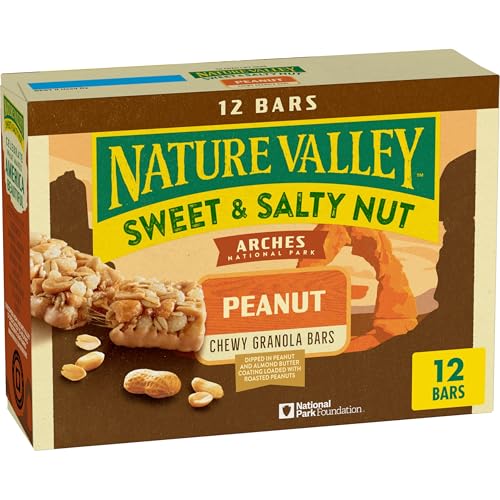
Nature Valley Peanut Sweet Salty Nut Granola Bars

Backpacker’s Pantry Lasagna

Backpacker’s Pantry Dark Chocolate Cheesecake
A Deeper Look At The Lineup
Eating on the trail only takes one tool, which is exactly why the Snow Peak Titanium Spork earns a spot in the lightest of packs. It’s a single utensil that scoops, forks, and scoops again, so there’s nothing extra to lose or wash.
Titanium is the headline feature here: a metal prized in outdoor gear for being strong yet barely tipping the scales. The spork slips into a side pocket or a mess kit, and it doubles as a backup if your main spoon ends up at a stream crossing. For hikers trimming ounces, this is the kind of small swap that adds up over a long route.
The Helpful Details
- Titanium build keeps weight low while resisting bending in a stuffed pack.
- Combined fork, spoon, and edge let you eat most trail foods without swapping tools.
- Compact profile fits cook kits, hip belt pockets, and ditty bags.
- Metal body wipes clean in seconds and dries fast after washing.
Small Caveats
- Titanium carries a higher cost than plastic or aluminum options.
- The matte finish can show scuffs over months of hard use.
- Single-piece design means there’s no folding storage for ultra-minimal kits.
Key Product Details
Whose Trail Kit It Belongs On
Ultralight backpackers and gram-counting thru-hikers who want one reliable utensil that disappears into a kit.
A Better Fit Elsewhere
Day hikers who want a tool that handles both trail lunches and desk lunches should consider the humangear GoBites Uno instead.
The humangear GoBites Uno handles fork, spoon, and serrated knife edges in a single titanium body. Unlike the stripped-down Snow Peak Spork, this tool splits the difference between a backcountry utensil and something you’d happily toss in a work bag.
Titanium keeps the weight manageable while the contoured handle gives more control than a basic spork. The Uno is part of a wider GoBites family, so you can scale up to multi-piece sets if your kitchen drawer needs them. For hikers who don’t want to baby their gear, the sturdy feel here is a quiet upgrade.
What It Does Well
- Three tools in one: fork, spoon, and serrated edge for trail cheese or hard salami.
- Titanium build balances light weight with everyday durability.
- Slim profile slides into a laptop sleeve or hip belt pocket without bulk.
- Curved handle offers better leverage than flat sporks when scooping thicker foods.
Trade-Offs To Consider
- More moving parts than a basic spork, so cleaning the serrated edge takes a few extra seconds.
- Titanium pricing sits above plastic options aimed at casual hikers.
Feature Snapshot
Made For
Commuters and casual hikers who carry one tool that needs to handle lunch at the desk and dinner at the campsite.
Swap It Out When
Thru-hikers shaving every gram should reach for the lighter Snow Peak Titanium Spork instead.
The simplyFUEL Whole-Food Protein Balls Variety Pack (Best Sellers) is aimed squarely at the snack window between breakfast and dinner. Each ball is built around real-food ingredients rather than the chalky protein bars that often sit at the bottom of a pack.
The format matters on the trail: bite-sized, individually portioned, and ready to eat without utensils. A resealable pouch helps when you only want a few at a time, and the small footprint slides into a hip belt or jacket pocket. Compared to the freeze-dried breakfast ahead on this list, this is more about quick energy than hot meals.
What Helps Most
- Pre-portioned bites give you controlled fuel without unwrapping or scooping.
- Resealable pouch keeps the rest of the pack from getting sticky.
- Whole-food base means real ingredient lists for label-reading hikers.
- Compact shape fits the small pockets on running vests and daypacks.
Points To Keep In Mind
- Pack weight adds up over a multi-day trek compared to bulk calorie sources.
- Soft texture can squish in a tightly packed bag on warm days.
- Sweet-leaning flavors may not appeal to hikers wanting savory midday fuel.
Best Suited To
Day hikers and trail runners looking for a quick, label-friendly snack between longer meal stops.
Look Elsewhere When
Backpackers planning multi-day routes may prefer the broader flavor spread in the simplyFUEL Protein Balls Ultimate Variety pack.
The simplyFUEL Whole-Food Protein Balls Variety Pack (Ultimate) expands on the Best Sellers version with a wider flavor rotation. That’s the real value proposition here: hiking food fatigue is real, and rotating flavors helps over a long trip.
You still get the bite-sized, resealable format that made the smaller pack work on the trail. Each ball is built on whole-food ingredients, so the label stays readable for ingredient-conscious hikers. When a three-day trip is on the calendar, the larger pack size spreads the cost across more servings and reduces the odds of flavor burnout by day two.
Practical Pluses
- Wider flavor lineup staves off snack fatigue over multi-day trips.
- Larger pack size lowers the per-serving cost for groups or longer routes.
- Same resealable pouch format keeps the pack clean in transit.
- Whole-food base supports hikers who prefer recognizable ingredients.
Worth Noting
- Bigger pack takes up more bear-canister or food-bag real estate.
- More flavors means more chances of landing on one you don’t enjoy.
- Sweet profile throughout may not satisfy salt-craving hikers at altitude.
Feature Card
Who Should Grab It
Weekend backpackers and section hikers who want flavor variety to keep eating interesting across multiple days.
Consider Something Else When
Chocolate-focused snackers may find the simplyFUEL Protein Balls Chocolate Lovers pack a more focused match.
Cold mornings call for something warm, and the Backpacker’s Pantry Granola with Blueberries, Almonds and Milk delivers just that without much fuss. This is a freeze-dried breakfast, meaning the moisture has been pulled out and you simply add water to bring it back to life in the pouch.
The 6-pack format is geared toward repeat trips or a hiking household that rotates through the pantry. Compared to the protein balls earlier on this list, this is a sit-down breakfast rather than something you eat on the move. It slots nicely into a multi-day plan where dinner is the freeze-dried entrée and breakfast is the lighter, faster option.
Well-Handled Touches
- Just-add-water format works with limited cook setups and cold stoves.
- Real blueberries and almonds give the meal texture beyond plain oats.
- Bulk 6-pack reduces per-serving cost for regular backpackers.
- Freeze-dried format keeps weight manageable compared to fresh ingredients.
Where It May Fall Short
- Needs boiling or cool water and a few minutes to rehydrate properly.
- Sweet-leaning flavor may not appeal to hikers craving savory breakfasts.
- Larger pack takes more pantry and pack space than single-serve options.
Right Fit For
Morning hikers who want a warm, spoonable breakfast before hitting the trail.
Reach For A Different Pick When
Fastpackers prioritizing no-cook mornings should look at Nature Valley Peanut Sweet and Salty Nut Granola Bars instead.
The simplyFUEL Protein Balls Variety Pack (Chocolate Lovers) is built for hikers who treat chocolate as a performance fuel, not a guilty pleasure. The pack leans into chocolate-forward flavors, which is the kind of focus the broader variety packs don’t always offer.
Like the other simplyFUEL options, these are bite-sized and packaged in resealable pouches. They sit alongside the lasagna later in this list as a dessert-leaning counterpoint to savory freeze-dried entrées. For morale boosts on long climbs, having a chocolate-flavored snack within reach is a small luxury that punches above its weight.
What Pays Off
- Focused chocolate lineup delivers a richer flavor than mixed packs offer.
- Same bite-sized, resealable format as the wider simplyFUEL range.
- Whole-food ingredient base keeps the label approachable.
- Mid-pack size fits a single long weekend without committing to the largest variety.
Honest Caveats
- Chocolate profile can melt or soften in hot weather if pressed in a tight pack.
- Narrower flavor range means faster burnout than the Ultimate variety pack.
- Sweet-only lineup doesn’t substitute for savory meal needs.
Who Will Love This
Hikers with a sweet tooth who want a chocolate-leaning snack without wading through non-chocolate options.
Not Your Match When
Hikers wanting broader flavor rotation should turn to the simplyFUEL Protein Balls Ultimate Variety pack.
Nature Valley’s Peanut Sweet and Salty Nut Granola Bars are the most familiar pick on this list, and that familiarity is part of the appeal. The 12-count box keeps a steady supply in the pantry, the car, or the gear closet for last-minute trail days.
The format skips rehydration entirely: tear the wrapper, eat, keep walking. That makes these bars a strong companion to a freeze-dried dinner plan, since they cover quick-energy gaps between hot meals. They also serve double duty as a desk snack, so they earn their keep even on recovery days.
Where It Delivers
- Individually wrapped bars stash easily in pockets, hip belts, and running vests.
- No cooking or rehydration required, ideal for fast-moving day hikes.
- Larger 12-count box feeds multiple trips or a hiking household.
- Sweet and salty balance works as a midday pick-me-up on long climbs.
Possible Compromises
- Wrapper waste adds up compared to resealable bulk snacks.
- Bar form factor can crumble in a tightly stuffed pack.
- Lower protein density than the simplyFUEL protein balls earlier on this list.
Quick Facts
Perfect Match For
Quick-loop day hikers and weekend warriors who want grab-and-go fuel without any prep.
A Better Fit Elsewhere
Hikers planning hot breakfasts on the trail should pair the Backpacker’s Pantry Granola with these bars instead of relying on bars alone.
The Backpacker’s Pantry Lasagna brings comfort food into the backcountry in freeze-dried form. This is the meal you break out at camp after a hard day, not the snack you reach for mid-route.
Like the granola earlier, you add water directly to the pouch and wait for the food to rehydrate. The single-serve pack is sized for one hungry hiker, and it pairs naturally with the dessert option that closes out this list. For backpackers tired of plain rice and pasta sides, lasagna is a small evening upgrade.
Bright Spots
- Comfort-style entrée gives tired hikers something familiar at camp.
- Single-serve pouch doubles as the cooking and eating vessel.
- Freeze-dried format trims weight compared to carrying fresh ingredients.
- Pairs well with the dessert option later on this list for a complete evening meal.
Where It Is Less Suited
- Needs boiling water and several minutes of waiting time to rehydrate fully.
- Single-serve size means a second pouch is required for big appetites.
- Cleanup requires packing out the used pouch on Leave No Trace routes.
Built With In Mind
Multi-day backpackers who plan a hot, hearty dinner as the anchor of each evening meal.
Where A Sibling Pick Shines
Hikers wanting a lighter, no-cook evening should consider the Backpacker’s Pantry Dark Chocolate Cheesecake as a swap.
The Backpacker’s Pantry Dark Chocolate Cheesecake closes out a long day the way few hiking foods can. It’s a freeze-dried dessert built around chocolate and cream-cheese flavors, rehydrated with water in the pouch just like the savory entrées.
This is a treat, not a calorie workhorse, and it works best as the punctuation mark after a savory dinner like the lasagna above. Sharing a pouch between two hikers is common, since the portion skews generous for a dessert. When morale matters more than macros, this is the kind of small indulgence that turns a tough trip memorable.
The Upside
- Dessert format adds a reward moment to multi-day trips when energy is low.
- Single pouch doubles as the mixing and eating container.
- Generous portion suits splitting between two hikers at camp.
- Freeze-dried format keeps weight low for the calorie count delivered.
A Few Limitations
- Requires hot or cold water and a few minutes to rehydrate properly.
- Sweet-only profile won’t satisfy hikers craving a salty evening snack.
- Used pouch still needs to be packed out on protected routes.
At A Glance
The Right Fit
Backpackers planning a full dinner menu who want a dessert to round out the evening.
Skip It When
Fastpackers prioritizing pure calorie density should leave the dessert behind and double up on the Backpacker’s Pantry Lasagna instead.
Picking The Right Trail Foods For Your Route
Calories per ounce matter more than label marketing on the trail. A good rule is to aim for at least 100 calories per ounce of food carried, since anything lighter than that usually means you’ll need bigger portions to keep your legs moving. Freeze-dried meals hit this comfortably, while nut-and-chocolate snacks can swing well above it. Weight-watchers on multi-day trips should treat every gram in their food bag the same way they treat gear weight.
Balance your macros across the day, not just at dinner. Protein helps recovery and steady energy, fats deliver long-burning fuel, and simple carbs give quick hits during steep climbs. The picks on this list lean into those different roles: protein balls and nut bars for protein and fat, granola for a carb-heavy start, lasagna for a mixed dinner, and cheesecake for a morale boost.
Think about water access and cooking setup before locking in a food plan. Just-add-water meals are forgiving on routes with limited fuel or no stove, while traditional entrées require boiling water and patience. Snacks that need no prep are the safest bet on fast days, even if they cost more per calorie. Match the format to your stove, your patience, and how much cleanup you’re willing to carry out.
Shelf life and packaging play a quiet role too. Resealable pouches help when food stretches over multiple days, and freeze-dried formats hold up better than anything with moisture in it. If your trip spans hot and cold weather, soft snacks can change texture in the pack, so plan for harder, wrapped options when the forecast climbs.
Mistakes Worth Dodging On The Trail Menu
Pitfalls Shoppers Hit
Underestimating calories is the most common slip up. Hikers regularly pack for desk-day appetites rather than trail-day burn, and end up hungry by mid-route. Plan on 3,000 to 4,500 calories per day for a moderate trek and adjust upward for elevation or heavy packs. Skipping variety is the second trap: eating the same bar for three days dulls your appetite faster than you’d expect, so rotate flavors and textures across meals.
When Paying More Pays Off
Premium options tend to earn their keep through real-food ingredients, lighter packaging, and better texture after rehydration. The higher tier also tends to include resealable formats, which reduce waste and keep the rest of your pack clean. For occasional hikers, a single premium entrée can be worth more than a bulk box of middling ones. For regular backpackers, the cost difference smooths out across a season of use.
Frequently Asked Questions
How many calories do you need on a day hike?
Most day hikers do well with 200 to 300 calories per hour of hiking, balanced between quick snacks and a real lunch. Adjust upward on hot days, big climbs, or heavy packs. Listen to your hunger cues and fuel before you bonk rather than after.
Are freeze-dried meals actually filling?
Yes, once rehydrated, they typically deliver 400 to 800 calories per pouch with a mix of carbs, protein, and fat. They’re especially useful on multi-day trips because they weigh far less than fresh food. Pair one with a snack or dessert for a fuller evening.
What hiking snacks travel best in a pack?
Hard, individually wrapped bars and resealable pouches tend to survive rough handling better than soft or unpackaged snacks. Items that don’t melt, crumble, or leak are the easiest to manage. Packing each snack in its own small bag also helps stop one crushed item from ruining the rest.
How do you keep food safe on the trail?
Store food in a sealed container or hang bag away from your sleeping area in bear country, and keep perishables insulated on hot days. Most of the picks on this list are shelf-stable, which reduces spoilage risk. Always pack out wrappers and used pouches to protect the route.
Can you build a hiking menu from grocery store food?
You can, and many hikers do, especially for shorter trips. Think nuts, jerky, dried fruit, hard cheese, tortillas, and instant oatmeal. Just check weights and packability, since whole foods can be heavier and less convenient than purpose-built hiking foods.
