

Hojicha sits in a quieter corner of the tea world than its bright-green cousin matcha, and that is exactly why it earns a regular spot in the pantry. Roasted green tea delivers a toasty, almost caramel-like warmth with far less caffeine and very little of the grassy edge that turns some people off ceremonial-grade greens. The powders covered here run the gamut from first-harvest single-origin jars to bulk pouches built for daily lattes, so picking the right one really comes down to how you plan to drink it and how much control you want over the roast depth.
The Essentials At A Glance
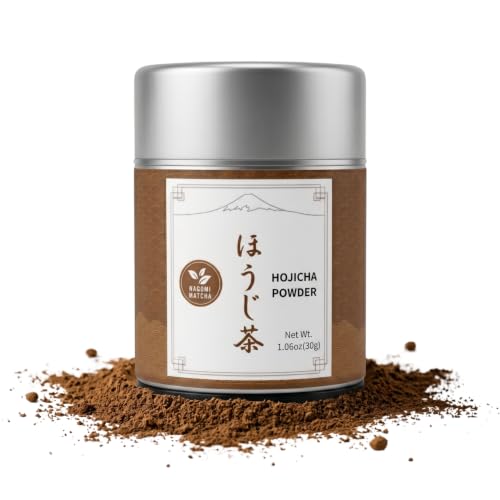
NAGOMI Hojicha Powder, First Harvest (30g / 1.06oz)

Harmony Leaf Hojicha Green Tea Powder, 4 oz

SOKYO Ceremonial Hojicha Powder, Shizuoka (30g)

Viccoky Hojicha Powder Japanese-Style for Latte (2.12oz)

Ocha & Co. Hojicha Powder, Organic (100g / 3.5oz)

Ocha & Co. Hojicha Loose Leaf, Organic (100g / 3.5oz)

Ocha & Co. Shizuoka Organic Ceremonial Matcha (100g)

FKRO Pinnacle Okumidori Matcha, Uji Kyoto (30g Tin)

FKRO Organic Hojicha Powder, Stone-Milled (100g)

FKRO Organic Gyokuro, Shade-Grown (100g Pouch)
A Deeper Look At The Lineup
The NAGOMI tin arrives in a small 30g cube that suits anyone easing into hojicha for the first time. It contains 100% Japanese green tea powder with no additives, which is rare at this compact size, and the first-harvest labeling suggests a fresher leaf base than bargain-bin blends.
You get a clean, single-origin-tasting cup with very little bitterness, which is the right introduction if you have been burned by harsh greens before. Brew it hot with a small whisk or stir it into warm milk, and the toasty notes come through without much fuss.
Where It Helps
- Allergen-free, single-ingredient list keeps the cup uncluttered for new drinkers.
- First-harvest claim means a fresher leaf base than typical supermarket tins.
- Low caffeine lets you swap a late-afternoon coffee without the jitters.
- Compact 30g size fits a small kitchen drawer and does not demand a long-term commitment.
Things To Consider
- At 30g, the tin runs out quickly if you drink hojicha daily, and you may need a backup pouch.
Made For
First-time hojicha drinkers who want a low-fuss introduction in a small format.
Consider Something Else When
If a 100g pouch for daily lattes sounds more practical, the Harmony Leaf Hojicha Green Tea Powder 4 oz will go further per dollar.
Where the NAGOMI tin whispers, the Harmony Leaf 4 oz pouch practically shouts “daily drinker.” A single pouch at roughly 113g produces over 50 cups at a standard 2g serving, which is the kind of math that makes weekday latte routines affordable.
The leaf is grown and packed in Japan, with nothing added, so the roasted character does the talking. The resealable pouch matters more than it sounds: hojicha loses its toasted snap once it sits open, and a tight seal keeps the second-month cup tasting like the first.
Practical Advantages
- 50+ servings per pouch works out to a low cost per cup.
- Single-ingredient roasted leaf, sourced and packed in Japan.
- Resealable pouch helps preserve aroma between uses.
- Mixes easily into hot or cold drinks with a whisk or frother.
- Versatile enough for plain tea, lattes, and recipe work.
Worth Noting
- The 4 oz size is bulkier to store than a small tin, so plan a cool, dark shelf spot.
- Flavor is a clean, classic hojicha rather than a deep, single-origin roast.
Key Specs
Who It Suits Best
Daily hojicha drinkers who run through a tin a week and want one pouch that lasts the month.
Look Elsewhere When
If you want a more pronounced single-origin character, the FKRO Organic Hojicha Powder, Stone-Milled brings a deeper roast profile to the table.
SOKYO leans into provenance with this one. The leaf is grown in Shizuoka Prefecture, where mountain water and volcanic soil shape the character of Japanese greens, and the roasting is handled with the kind of attention that pulls a fuller aroma out of the cup.
At 30g, the format is small and ceremonial, which encourages the slower, whisked style of preparation rather than rushed latte assembly. The V designation hints at the brand’s grading tier, and the cup you get leans warm and toasty without the bitter edge that some roasted teas carry.
Practical Pluses
- Single-region Shizuoka leaf offers a traceable origin story.
- Roasting preserves aromatic depth while keeping bitterness in check.
- Compact 30g tin suits traditional, small-cup preparation.
Trade Offs
- The 30g format is a small working amount, so cost per cup runs higher than a bulk pouch.
- Limited ingredient detail on the listing makes it harder to verify beyond the regional claim.
Best Suited To
Traditional tea drinkers who whisk a small daily cup and care about the regional origin of the leaf.
Skip It When
Daily latte drinkers who go through a tin a week will find the FKRO Organic Hojicha Powder, Stone-Milled a more efficient route.
Viccoky frames this powder for the home barista, and the language matches: slow-roasted in small batches, ground from premium sencha leaves, and labeled for a brew temperature below 80°C. That lower brewing ceiling is genuinely useful for hojicha, where boiling water flattens the aroma.
The grind is ultra-fine, which is what you want for steamed milk drinks and baking, since coarser powders can leave grit at the bottom of a latte. A 2.12oz tin sits in the middle of the lineup, not too precious, not a bulk sack, so you can experiment before committing to a 100g pouch.
Everyday Wins
- Slow drum-roasting pulls out mellow, nutty notes without harsh char.
- Fine texture dissolves cleanly in steamed milk, cold brew, and baking batter.
- Low caffeine makes it an easy afternoon swap-in for coffee.
- Plant-based, gluten-free, and free from additives, so the ingredient list stays simple.
Points To Note
- The recommended cap of 80°C / 175°F is stricter than boiling, so you may need a thermometer at first.
- 2.12oz runs out faster than a 100g pouch, so heavy drinkers will reorder often.
At A Glance
Who Will Love This
Home baristas who already use a thermometer and want a hojicha built for steamed milk drinks.
Another Choice May Suit
Shoppers prioritizing a certified-organic label should consider the Ocha & Co. Hojicha Powder, Organic instead.
Ocha & Co. takes a different angle by blending roasted sencha with kukicha, the twig tea, which yields a softer, slightly sweeter cup than a pure-leaf hojicha. At 100g, this is a working-sized tin that comfortably covers a month of weekday drinks.
The brand positions its full line as organic, and the pan-roasting process carries the smoky-sweet character that pastry and dessert makers tend to want. For bakers, that smoke holds up nicely against sugar, butter, and chocolate in cookies, financiers, and ice cream bases.
Positive Takeaways
- Sencha-kukicha blend produces a naturally sweet, low-bitterness cup.
- Organic positioning covers shoppers who only buy certified leaf.
- Smoky-sweet profile stands up well to baking and dessert recipes.
- 100g tin lasts through weeks of regular weekday drinks.
Room For Improvement
- The kukicha blend tastes softer than a single-origin leaf, so roast purists may want something punchier.
Quick Facts
Right Fit For
Organic-only shoppers who want a versatile 100g tin for both lattes and baking experiments.
Reach For A Different Pick When
If you want a stone-milled, single-origin profile for straight tea drinking, the FKRO Organic Hojicha Powder, Stone-Milled is a stronger fit.
The loose-leaf sibling of the Ocha & Co. powder is the right pick for anyone who wants the same sencha-kukicha blend but prefers steeping a traditional pot. The leaf opens up a rounder, more aromatic cup than a powder, especially when you give it space to unfurl in hot water.
A 100g pouch will stretch across many steepings if you keep it sealed, and the same smoky-sweet notes from the powdered version carry through. This is a smart pair-buy if you want a powder for lattes and a leaf for slow weekend tea.
The Value In It
- Loose-leaf format lets you control steep time and strength cup to cup.
- Same organic sencha-kukicha base as the powdered version.
- Golden yellow cup color signals a clean, even roast.
- Lower caffeine than standard green tea, friendly for evenings.
Some Limits To Know
- Loose leaf requires a strainer or teapot, which is an extra step for rushed mornings.
- Not ideal for espresso-style drinks, where the powder version mixes more cleanly.
Whose Shelf It Belongs On
Traditional tea drinkers who already own a strainer or kyusu and want the slow-brew version of Ocha & Co.’s hojicha.
Where Another Pick Suits Better
For a single latte-cup breakfast routine, the Viccoky Hojicha Powder Japanese-Style for Latte dissolves more conveniently.
This pick is technically matcha, not hojicha, but it earns its place for the hojicha-curious shopper who wants to keep both ends of the Japanese green tea spectrum in the pantry. The ceremonial grade is stone-milled in small batches from first-harvest leaf, which is the level matcha drinkers pay attention to.
It comes from the same Shizuoka region and the same organic farming ethos as the brand’s hojicha line, so the cup carries the same clean character, just with a brighter, umami-forward profile instead of roasted warmth. Keeping a 100g tin of this alongside a 100g hojicha pouch covers a wide range of moods.
Features That Help
- Ceremonial-grade, stone-milled from first-harvest leaf.
- Sourced from a single Shizuoka farm, giving the cup a traceable origin.
- Organic certification aligns with strict farming standards.
- 100g tin offers a serious working supply for regular matcha drinkers.
Potential Drawbacks
- Higher caffeine than hojicha, so the afternoon swap factor is lower.
- Flavor profile sits opposite to hojicha, which is the point but worth flagging.
- Once opened, matcha loses its vivid color quickly, so storage discipline matters.
Perfect Match For
Drinkers who want a ceremonial-grade green for mornings and a roasted hojicha for afternoons, all from one producer.
Not Your Match When
If roasted flavor is the whole point of your tea shelf, skip the matcha and grab the FKRO Organic Hojicha Powder, Stone-Milled instead.
Like the previous Ocha & Co. entry, this is a ceremonial-grade matcha rather than a hojicha, but it earns its slot for shoppers who keep both styles in rotation. The single-origin story is unusually tight: one farm, one cultivar, one first harvest per tin, all in Ujitawara, Uji.
The Okumidori cultivar produces a late-maturing leaf with deep umami and a softer sweetness, stone-milled in small batches. You can use it for traditional usucha, a thicker koicha, or whisk it into a latte when you want something more vivid than roasted tea.
Bright Spots
- Single-origin, single-cultivar tin offers a clear flavor signature.
- Shade-grown and hand-picked at first harvest for a more layered cup.
- Double organic certification in both the US and Japan.
- Resealable tin plus refrigeration keeps the color vivid longer.
Honest Caveats
- 30g tin runs out quickly, especially if you drink matcha daily.
- Recommended brew at 175°F means a thermometer or kettle with a temperature gauge helps.
Feature Snapshot
Built With In Mind
Ceremonial tea drinkers who want a clearly defined single-origin matcha and do not mind a smaller tin.
A Better Fit Elsewhere
For a roasted, low-caffeine cup with a similar single-origin feel, the FKRO Organic Hojicha Powder, Stone-Milled covers that brief.
FKRO’s hojicha is the roasted counterpart to its Uji matcha, and the production story is just as detailed: first-harvest Yabukita cultivar, roasted by a fourth-generation master, then stone-milled into a fine powder. The Yabukita base is the workhorse of Japanese tea, prized for its balanced aroma.
You get the deeper, sweeter side of hojicha here, with caramel-like undertones that come through in both straight tea and milk drinks. For a 100g supply, you also have enough powder to experiment with baking and ice cream without rationing the tin.
Benefits That Matter
- Single-origin Yabukita leaf provides a defined, repeatable flavor profile.
- Stone-milled texture dissolves cleanly in hot or cold drinks.
- Master-level roasting brings out caramel and smoky notes without char.
- Pesticide-free growing in the Tenryū mountain region of Shizuoka.
- 100g supply supports daily drinks plus cooking and baking use.
Small Caveats
- Single-origin sourcing means flavor is consistent but not the most complex on the list.
- A 100g tin is larger than most starter packs, so storage in a cool, dark spot matters.
Feature Rundown
The Right Fit
Roast-depth explorers who want a single-origin hojicha that can flex from straight tea to lattes to baking.
Where A Sibling Pick Shines
If you only want a small starter tin to taste-test, the NAGOMI Hojicha Powder, First Harvest covers that entry point.
The lineup closes with another non-hojicha tea, but gyokuro is a natural companion to a hojicha pantry: same producer family, different shade discipline, opposite flavor. This one is hand-picked and shaded for 21 days, which is what builds the deep, umami-rich profile gyokuro is known for.
You brew it slowly in cooler water, so it slots in for weekend mornings or quiet evenings when you want a more contemplative cup than a hojicha latte. The vacuum-sealed pouch helps the leaf arrive in good shape, which matters for a tea this delicate.
Noteworthy Benefits
- Hand-picked Saemidori cultivar from a Kagoshima award-winning farm.
- 21 days of shade coverage increases L-theanine for a smooth, umami cup.
- Vacuum-sealed in small monthly batches for fresher leaf.
- Organic certification supports strict farming standards.
Points To Keep In Mind
- Gyokuro is a slow, low-temperature brew, not a quick latte addition.
- 100g of premium leaf carries a higher per-cup cost than a bulk hojicha.
Who Should Grab It
Slow-brew tea drinkers who want an umami-forward, shade-grown leaf for weekend rituals alongside a daily hojicha.
Swap It Out When
If roasted warmth is the daily anchor and the green is the accent, the FKRO Organic Hojicha Powder, Stone-Milled is the better starting pick.
Picking The Right Roast For Your Cup
Hojicha sits in a surprisingly wide range of styles, and the right one depends on how you plan to drink it. Latte lovers tend to want a powder that dissolves cleanly in milk, while traditional tea drinkers usually prefer a smaller tin with a single-region story. The buying guide below covers the attributes that matter most before choosing.
Roast Depth and Leaf Source
Roast level shapes everything else: a lighter roast tastes nuttier and brighter, while a deeper roast pulls toward caramel and smoke. Single-origin hojicha (Yabukita, Okumidori, regional sencha) usually tastes more defined than a multi-region blend, but it also costs more per gram.
Form Factor: Powder vs. Loose Leaf
Powdered hojicha is built for speed. It mixes into hot milk, cold brew, and baking batter without a strainer, which makes it the everyday-drinker default. Loose leaf opens up a rounder, slower cup in a teapot, but it cannot be whisked into a latte without extra work.
Caffeine, Brewing Temperature, and Storage
Hojicha is naturally lower in caffeine than matcha or sencha, which makes it a friendly evening tea. Most roasts benefit from water below boiling, often under 80°C, so a kettle with a temperature gauge or a quick thermometer helps. After opening, keep tins sealed and stored away from sunlight to protect the roasted aromatics.
Key Considerations Across These Picks
Common Shopping Slip Ups
The biggest mistake is grabbing a bargain tin without checking the ingredient list, since some hojicha blends hide added sugar or flavoring. Another slip is brewing with boiling water, which scorches the roasted aromatics and turns a sweet cup sour. Finally, leaving the pouch or tin open on the counter drains the toasty smell within a week.
What The Higher Tier Buys
Premium hojicha tends to come from a single farm or cultivar, which produces a more defined cup than a multi-region blend. Stone-milled powders also tend to dissolve more cleanly in milk, which matters for barista-style drinks. For shoppers who drink tea every day, that consistency is what the higher tier is really buying.
Frequently Asked Questions
What does hojicha taste like compared to matcha?
Hojicha is a roasted green tea with a toasty, almost caramel-like profile and very little bitterness, while matcha tastes grassy, umami-rich, and slightly vegetal. Roasting the same green tea leaf changes the cup dramatically.
Is hojicha really lower in caffeine than other green teas?
Yes, the roasting step lowers the caffeine content compared to standard green tea, which makes hojicha a more evening-friendly option. Exact levels vary by leaf and brew strength.
Can I use hojicha powder in baking and desserts?
Absolutely. The fine powder dissolves into batters, cookies, and ice cream bases without leaving grit, and the roasted flavor holds up well against sugar, butter, and chocolate.
How should I store hojicha after opening?
Keep the tin or pouch tightly sealed in a cool, dark cabinet, away from sunlight and moisture. Refrigeration helps preserve delicate matcha, but most hojicha powders stay fresh in a sealed container at room temperature for several weeks.
Do I need a whisk to prepare hojicha?
A bamboo whisk (chasen) gives the smoothest cup, but a small kitchen whisk or electric frother works for everyday lattes. For loose-leaf hojicha, a teapot strainer or kyusu is the easiest route.
Closing Remarks
Hojicha rewards a little attention: lower water temperature, a tight seal on the tin, and a moment to let the roasted aroma settle in. Pick the form factor that matches your routine, lean toward single-origin when flavor matters most, and let the lineup above narrow the search. The honest read is that any of these ten will get you a noticeably better cup than the supermarket default.
