

The right bag of flour quietly shapes everything that comes out of your oven, from a leopard-spotted Neapolitan crust to a chiffon cake that barely holds its own weight. Italian flour isn’t a single product; it’s a family of closely milled wheats, each tuned for a specific job. Choosing between them gets confusing fast, especially when a recipe says “00” and a shelf offers five different versions of the same number. This guide walks you through ten widely available bags, weighed against real home-cooking situations: weeknight pizza, weekend bread, fresh pasta, and the occasional pan of biscuits. Skip the marketing copy and the assumptions that all imported flour behaves the same. The grind matters, the protein matters, and yes, the wheat variety matters more than most people think.
A Side-By-Side Look

Mulino Caputo 00 Pizzeria Flour 1kg (Pack of 4)

POLSELLI Italian Semola Flour 5 kg
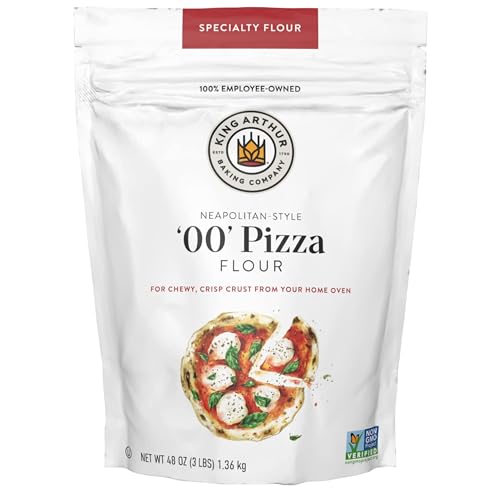
King Arthur 00 Pizza Flour 3 lb

Bob’s Red Mill Cake Flour 3 lb

Antimo Caputo Chef’s Flour Case of 10

King Arthur Bread Flour 5 lb

POLSELLI Organic Tipo 00 Flour 5 kg
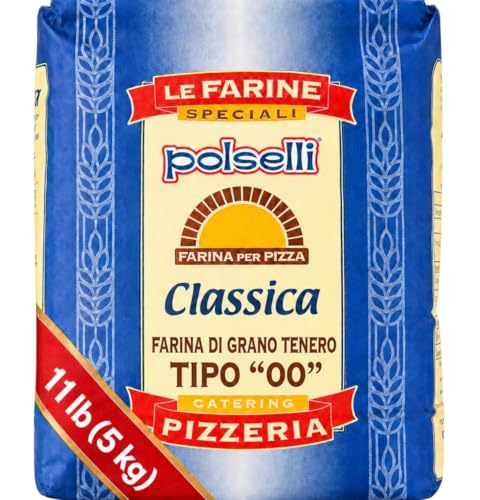
POLSELLI Classica 00 Flour 5 kg

Bob’s Red Mill Self-Rising Flour 3 lb

Bob’s Red Mill High Fiber Flour 3 lb
A Deeper Look At The Lineup
The Pizzeria blend from Mulino Caputo has been a fixture in Naples-style home kitchens for years, and the 1-kg pack of four keeps the bag rotation simple. The grind is fine enough to feel almost silky, and the dough hydrates cleanly without the stickiness that frustrates first-timers working with denser American all-purpose.
For a Friday night pizza, this is a confident choice. The crust puffs in a hot oven, develops the gentle char spots people look for, and slices without tearing. Compared with the King Arthur 00 Pizza Flour in slot 3, the Caputo tends to take on a slightly more tender chew thanks to its protein window.
Why It Works Well
- Four-bag case reduces how often you restock the pantry
- Soft wheat “00” grind pulls cleanly into a smooth, elastic dough
- Designed for high-heat home pizza ovens, so weekend cooks get consistent results
- Long-fermentation friendly, holding structure through cold rises in the fridge
- Reputation among pizzaioli gives first-timers a familiar starting point
Things To Consider
- Not a true all-purpose; baked goods outside of pizza and flatbread can turn out crumbly
- Five kilograms of flour needs dry, sealed storage in smaller households to stay fresh
Key Specs
Whose Shelf It Belongs On
Home bakers with a pizza stone or steel who want Naples-style results without sourcing from specialty importers.
Look Elsewhere When
You mostly bake yeasted sandwich loaves, where King Arthur Bread Flour in slot 6 will give you a better rise.
Semola rimacinata is a re-milled durum wheat flour, ground twice for a texture softer than coarse semolina but with the same golden color and firm gluten. POLSELLI’s bag in slot 2 is the one to reach for when a pasta recipe calls for that signature Italian bite. The five-kilo size makes sense for households that run a pasta machine most weekends.
Sprinkled across a work surface, it keeps extruded dough from sticking without the grittiness of raw cornmeal. A small percentage blended into bread dough adds a crisper, more flavorful crust. The protein level here runs higher than the soft-wheat 00s in slots 1 and 8, so the dough behaves differently and rewards patient kneading.
Features That Help
- Double-milled grind gives a fine, soft texture that kneads into a smooth sheet
- Durum wheat delivers the classic yellow tint and firm chew pasta lovers expect
- Five-kilo bag suits cooks who extrude pasta weekly and want fewer restock trips
- Doubles as a dusting flour for pizza peels and bread work surfaces
Worth Noting
- Not designed for tender cakes; the high gluten will toughen delicate batters
- Durum flavor comes through in everything it touches, so it can overwhelm subtle breads if overused
- Large bag needs airtight storage to avoid insect visits in warmer months
Right Fit For
Anyone running a hand-cranked pasta machine who wants the texture and color you’d find in a southern Italian kitchen.
Swap It Out When
You mainly bake sweet treats, where Bob’s Red Mill Cake Flour in slot 4 will give you the airy crumb you actually want.
If importing flour feels like overkill, King Arthur’s 00 is milled domestically from American-grown wheat. The grind still hits the 00 standard, and the protein blend is dialed in for crisp, chewy pizza crust without the sticker shock of a 5 kg import. The three-pound bag fits a small kitchen drawer or shelf without dominating the pantry.
Compared with the Caputo Pizzeria in slot 1, this flour pulls a touch tighter in the bowl. Some home bakers prefer that; it gives them more control on a stretch. Recipes written for imported 00 may need a small hydration tweak, so expect to adjust the first time you bake with it.
The Upside
- Sourced from American wheat, so shipping is shorter and the bag arrives fresh
- Fine 00 grind that still hits the texture targets of Naples-style pizza
- Three-pound size is friendlier for occasional bakers than the 5 kg imports
- Accessible price point for newcomers testing 00 flour for the first time
Trade Offs
- Hydration behavior differs from imported 00s, so recipes may need a small water adjustment
- Single-bag packaging means flour can stale faster once opened if not sealed well
Who Should Grab It
Cooks curious about 00 flour who want a familiar brand, smaller bag, and a lower entry point.
A Better Fit Elsewhere
You already have a pizza routine and want the classic Neapolitan character, where the Mulino Caputo Pizzeria in slot 1 pulls ahead.
Bob’s Red Mill leans into the finer end of the cake-flour category, producing an almost powdery grind that whips into meringue with minimal effort. The 3 lb bag is enough for a stack of birthday cakes without the flour sitting around long enough to lose freshness. The texture of batters made with this flour reads silky even before they hit the oven.
Stacked against the Italian 00s in slots 1, 3, 7, and 8, this is a different beast entirely. It’s milled for low protein, so you get the tender, airy crumb in chiffon, sponge, and angel food cakes that a stronger flour would never deliver.
Noteworthy Benefits
- Super-fine milling makes batters pour smoothly and bake evenly
- Low protein content creates the delicate structure sponge and chiffon cakes need
- Three-pound size fits a regular cake-baking household without going stale
- Versatile enough for cookies, pancakes, and quick breads that benefit from a soft crumb
Small Caveats
- Wrong choice for bread, pizza, or anything needing strong gluten development
- Loose texture means it clumps if your storage container isn’t airtight
Made For
Home bakers who keep a rotation of celebration cakes and want a flour that delivers reliable lift without weighing down the crumb.
Not Your Match When
You mostly work with yeasted dough, where the King Arthur Bread Flour in slot 6 is a much stronger fit.
The Antimo Caputo Chef’s Flour is the sibling to the Pizzeria blend, tuned for longer fermentations and a wider range of baking. The case-of-ten configuration, totaling 22 lb, is aimed at serious home bakers, classroom kitchens, and small pizzerias that push through a bag a week.
Compared with the 4 kg Caputo Pizzeria pack in slot 1, this flour tolerates a longer cold ferment in the fridge without collapsing. Stretching a dough ball for a pan pizza or shaping a focaccia both work well. Outside of Italian-leaning recipes, the same caveat applies: low protein means delicate bakes are not its strength.
Standout Benefits
- Case pack lowers the per-bag cost for high-volume bakers
- Soft wheat 00 supports long, cold fermentations without losing structure
- Versatile across pizza, bread, and pasta, reducing the number of bags you keep open
- Imported directly from Italy, with the brand heritage pizzaioli trust
Points To Keep In Mind
- Twenty-two pounds is a serious commitment for a casual home baker
- Requires cool, dry, sealed storage to keep ten bags fresh over months
Best Suited To
Frequent pizza makers, cooking teachers, or anyone hosting weekly pizza nights who wants to lock in supply.
Reach For A Different Pick When
You bake pizza once a month, where the smaller 4 kg Caputo pack in slot 1 avoids the storage challenge.
King Arthur’s unbleached bread flour is a workhorse, and the 5 lb bag covers several loaves plus a batch of rolls. Protein content sits noticeably higher than all-purpose, so doughs rise higher, hold their shape through long proofing, and slice with that open, even crumb bakers chase.
It’s not an Italian-style 00, so it won’t behave the same way as the Caputo or POLSELLI 00s in slots 1, 3, 7, and 8. Think pan loaves, sandwich bread, dinner rolls, and even a chewy Detroit-style pizza when you want a thicker crust. The unbleached treatment keeps the color a natural cream rather than chalky white.
What Helps Most
- Higher protein content delivers a stronger, more reliable rise in yeasted doughs
- Unbleached flour retains a natural color and flavor that bleached flours lose
- Five-pound bag covers a week of sandwich loaves and rolls comfortably
- Works across bread machines, stand mixers, and hand-kneaded recipes
Honest Caveats
- Not suited to delicate cakes or pastries, where lower-protein flours perform better
- Stronger gluten means denser cookies if swapped in by accident for all-purpose
Quick Facts
Who Will Love This
Beginner to intermediate bread bakers who want forgiving flour that holds up through long rises and shaping.
Where A Sibling Pick Shines
Your main project is thin-crust pizza, where the Italian 00 options in slots 1, 3, 7, or 8 are designed for the job.
For bakers who care about the source of their wheat, the POLSELLI Organic 00 brings USDA organic certification to the same Italian-style grind. No synthetic pesticides, no bleaching agents, and no bromates. The 5 kg bag keeps the per-bake cost reasonable for households that bake through flour quickly.
The grind behaves like other soft-wheat 00s, so dough hydrates smoothly and stretches without tearing. A touch less predictable than the Caputo Pizzeria in slot 1, depending on the hydration you prefer. You may find a recipe written for the imported 00 needs a small adjustment the first time around.
Useful Touches
- USDA organic certification gives clean-label bakers confidence in the wheat source
- Tipo 00 grind supports pizza, bread, and pasta without switching bags
- No additives or bleaching agents keeps the flavor profile close to the wheat itself
- Five-kilo bag lowers the per-bake cost for frequent bakers
Less Ideal Details
- Organic status can mean slight seasonal variation in dough behavior between batches
- Still a soft-wheat 00, so it’s not the right tool for tender cakes or delicate pastries
Perfect Match For
Home cooks committed to organic ingredients who want Italian-style flour without sourcing from specialty importers.
Skip It When
You bake mainly yeasted sandwich loaves, where King Arthur Bread Flour in slot 6 is a stronger, more reliable choice.
The Classica is POLSELLI’s all-purpose 00, the bag you reach for when you want one flour to do pizza, bread, and fresh pasta without thinking about it. The grind sits at the extra-fine end of the 00 spectrum, and the protein balance reads as a middle ground between the soft Caputo and a higher-gluten bread flour.
Next to the Caputo Pizzeria in slot 1, this flour is more forgiving across recipes but a touch less specialized for high-heat Neapolitan crust. The 5 kg bag is also a big commitment in a small kitchen, so weigh the volume against how often you actually bake.
Good Reasons To Consider
- Versatile grind covers pizza, bread, and pasta in a single bag
- Imported Italian 00 with the texture and behavior recipes written for 00 expect
- Five-kilo packaging keeps the per-bake cost down for steady bakers
- Forgiving for first-timers exploring Italian flour without buying multiple bags
Practical Considerations
- Five kilograms is more flour than many casual home bakers will use before it ages
- Not a specialist, so it doesn’t quite match the Caputo Pizzeria for true Naples-style pizza
The Right Fit
Cooks who want a single Italian 00 in the pantry rather than a stack of specialized bags for different jobs.
Where Another Pick Suits Better
You want a cake flour that produces a tender, airy crumb, where Bob’s Red Mill Cake Flour in slot 4 does the job better.
Self-rising flour is a convenience product, with leavening and salt already measured in. Bob’s Red Mill version has a consistent grind that turns out tender biscuits, fluffy pancakes, and quick muffins without dragging out the measuring cups. The 3 lb bag sits on a shelf without needing a special storage plan.
This is the furthest thing from the Italian 00s in the rest of the lineup. It’s a Southern-style biscuit flour at heart, and using it for pizza or pasta would produce disappointing results. Keep it on hand for the morning stack and the weeknight biscuits instead.
A Favorable Mix
- Built-in leavening and salt eliminate the need for separate baking powder and salt measures
- Consistent grind supports tender biscuits, pancakes, and muffins
- Three-pound size is right for a small household’s quick-bake rotation
- Reliable results reduce the guesswork for less experienced bakers
Points To Note
- Pre-mixed salt and leavening rule out most yeast recipes and any precise salt control
- Not interchangeable with all-purpose or Italian 00 in regular baking recipes
Built With In Mind
Anyone who wants a quick, dependable flour for biscuits, pancakes, and weeknight muffins without measuring multiple ingredients.
Consider Something Else When
You bake traditional Italian breads or pizza, where the soft-wheat 00s in slots 1, 3, 7, or 8 deliver the right texture.
High Fiber Flour leans on resistant starch, a prebiotic fiber that feeds beneficial gut bacteria, baked right into the grind. The result is a flour that behaves close to all-purpose in muffins, flatbreads, and quick loaves, while adding meaningful fiber to everyday bakes. For a household trying to add fiber without switching to whole wheat, this is a sensible middle ground.
It’s not a substitute for the Italian 00s in slots 1, 3, 7, and 8. Pizza dough and fresh pasta want a soft-wheat 00, and this blend doesn’t replicate that texture. Use it where you’d reach for all-purpose, and pair it with a dedicated Italian 00 for the Italian-leaning recipes.
Useful Highlights
- Resistant starch adds fiber without the heavier texture of whole wheat
- Behaves like all-purpose in muffins, flatbreads, and quick loaves
- Three-pound bag fits a normal family baking routine
- Simple swap for everyday bakes when fiber intake is the goal
Potential Compromises
- Not formulated for pizza or fresh pasta, where Italian 00s outperform
- Slightly different hydration than plain all-purpose, so recipes may need a small water tweak
Who It Suits Best
Home bakers focused on everyday nutrition who want an easy fiber boost without giving up tender baked goods.
Another Choice May Suit
You mostly want classic Italian-style pizza or pasta, where the Caputo Pizzeria in slot 1 is the dedicated tool for the job.
What Matters Most When Picking Italian Flour
Match the flour to the bake, not the other way around. A soft-wheat 00 is purpose-built for thin, tender crusts and silky pasta, while a high-protein bread flour pulls its weight in loaves and rolls that need structure. Start by naming the recipe you bake most, then pick the flour engineered for it.
The “00” on an Italian bag refers to the finest grind classification in the Italian system, not a specific protein level. Two 00 flours from different mills can have very different protein contents, so read the label rather than trusting the number alone. Imported Italian 00s are typically made from soft wheat, which produces a tender chew suited to pizza and pasta.
Storage matters more than most shoppers expect. Even the best Italian flour loses its character when it sits open to humid pantry air. Keep bags sealed, ideally in a container with a tight lid, and store the bulk in a cool, dry spot. For 5 kg bags, consider decanting a portion into a smaller working container and clamping the rest shut.
Protein content drives most of the behavior you’ll notice at the mixing bowl. Higher protein gives stronger gluten, which means loftier bread and chewier pizza. Lower protein gives a more tender crumb, which is what chiffon, sponge, and many Italian pastries need. Durum semolina sits at the high-protein end and adds color and bite to pasta and bread crusts.
Key Considerations Across These Picks
Pitfalls Shoppers Hit
The most common mistake is treating “00” as a single product. Two bags labeled 00 can have completely different protein levels and behave like different flours. A second slip is using Italian 00 for cakes, where its protein content produces a tough crumb, then deciding Italian flour doesn’t work. Each bag on this list has a job; matching the bag to the recipe avoids most frustration.
What The Higher Tier Buys
A premium 00 like the Caputo Pizzeria in slot 1 brings Italian heritage milling, consistent protein batches, and the texture Naples-style pizza is built around. The cost reflects controlled sourcing and a recipe that has been refined for decades. For bakers chasing a specific result, that consistency is worth the step up from a generic 00. For casual bakers, a domestic 00 like the King Arthur in slot 3 covers the basics at a friendlier entry point.
Frequently Asked Questions
What does “00” mean on an Italian flour bag? The 00 designation refers to the grind size, the finest level in the Italian classification system, not a specific protein content. Two 00 flours from different mills can have very different protein levels, so the bag’s grind is only part of the story.
Can I substitute 00 flour for all-purpose flour in any recipe? A soft-wheat 00 can stand in for all-purpose in pizza and some breads, but it has less protein, so yeasted doughs may turn out flatter. Cakes and delicate pastries work better with a low-protein cake flour, like Bob’s Red Mill in slot 4, rather than 00.
Which Italian flour is best for fresh pasta? Semola rimacinata, the durum wheat flour in slot 2, is purpose-built for extruded pasta. It gives pasta its golden color and firm bite, and it absorbs egg and water into a dough that holds its shape through cutting and drying.
Do I need different flour for bread and pizza? A soft-wheat 00 like the Caputo Pizzeria in slot 1 works for both pizza and many Italian-style breads, especially with a long fermentation. For taller sandwich loaves, a high-protein bread flour like King Arthur in slot 6 produces a stronger rise and a more open crumb.
How should I store a 5 kg bag of Italian flour? Keep the bag sealed and store it in a cool, dry spot, ideally in an airtight container. Decanting a working portion into a smaller canister and clamping the rest shut helps the bulk bag stay fresh across several months of regular baking.
Closing Remarks
The right bag of Italian flour is the one that fits the bake in front of you. Match the grind and protein to the recipe, store the bag well, and let the flour do the work. A few small choices up front save a lot of disappointment on bake night, and the lineup above gives you a starting point for pizza night, pasta Sunday, and everything in between.
