

Japanese matcha shows up in so many formats that the right pick depends less on brand loyalty and more on the cup you actually want in hand. This list gathers ten strong options across ceremonial tins, single-serve sticks, ready-to-drink bottles, and everyday tea bags, so you can match the format to the moment.
An Overview Of The Picks

SOKYO Ceremonial Matcha Series 1.05oz (Shizuoka)

Akira Matcha Organic Ceremonial Sticks (15 x 1.5g)

Republic of Tea Organic Double Green Matcha (100 Tea Bags)

ITO EN Oi Ocha Sugar Free Green Tea (6 x 2L)

Aiya Sweetened Matcha To Go Sticks (8 Count)

Kirkland Ito En Matcha Blend 100 Tea Bags (1.5g)

Kirkland Ito En Matcha Blend 100 ct Tea Bags

Jade Leaf Organic Culinary Matcha Powder 100g
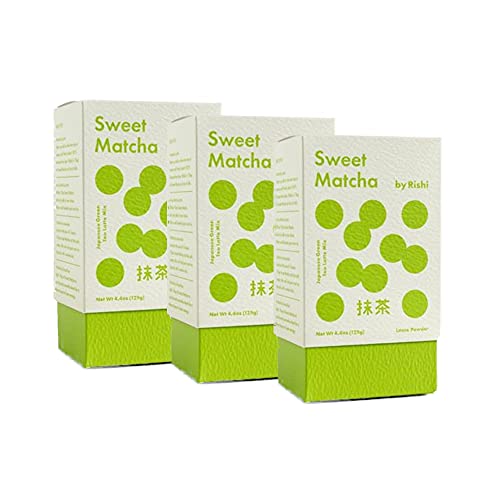
Rishi Tea Sweet Matcha 3-Pack (Makes 30 Lattes)

Kirkland Signature Ito En Matcha Blend 100 ct
More On The Choices That Made The List
SOKYO’s Shizuoka-grown ceremonial tin is built for the traditionalist who actually wants to whisk. Sourced from a single Japanese prefecture, the leaf is shade-cultivated, which is the farming method that pushes the plant to produce more chlorophyll and amino acids, lifting both color and umami on the palate. In practice, that translates to a deeper vegetal sweetness in the cup and a more vivid green foam when you whisk with a chasen (a bamboo whisk).
If you already own a proper bowl and sieve, this is the kind of powder that rewards the ritual. It’s not blended for latte sweetness, so the flavor profile leans grassy and savory rather than dessert-like. Compared with the sweetened Aiya sticks below, this one assumes you control the sugar.
The Value In It
- Single-region Shizuoka sourcing gives a traceable flavor identity.
- Shade cultivation lifts umami, which you can actually taste in a plain whisked bowl.
- Fine stone-ground texture dissolves smoothly with a chasen and hot water.
- The 1.05 oz tin keeps a steady supply on hand for daily morning bowls.
- Pairs well with plain water or a splash of dairy without needing added sugar.
Honest Caveats
- Ceremonial tins are typically priced above bagged or bottled options, so the per-cup cost climbs quickly.
- Once opened, owners commonly store it refrigerated to slow oxidation and preserve color.
Key Product Details
Whose Shelf It Belongs On
Anyone who already owns a bamboo whisk and a chawan (matcha bowl), and who wants the flavor of single-origin Japanese leaves in a plain bowl.
Swap It Out When
Pick the Jade Leaf Organic Culinary Matcha Powder 100g instead if you mostly make lattes and baked goods, where a bulk culinary tin costs less per gram.
Akira’s stick packs solve a real frustration with loose tins: you never measure, and the foil-sealed format keeps the powder from going stale between uses. Each 1.5 g stick is portioned for a single bowl, so you can toss a few in a work bag and skip the kitchen scale entirely. The tea itself is shade-grown, organic ceremonial grade, ground shortly before shipping.
For a regular traveler, the format is the main draw, since the taste is consistent from stick to stick. Compared with the SOKYO tin above, you trade the ritual of scooping and sifting for a tear-and-pour routine that fits a hotel room or office kitchen.
The Helpful Details
- Foil-sealed sticks lock in color and aroma far better than a frequently opened tin.
- Portion control removes the guesswork for new drinkers learning ratios.
- Organic and shade-grown leaf source matches the SOKYO standard.
- Lightweight for a week of travel without taking up much bag space.
Trade-Offs To Consider
- Sticks cost more per gram than the same grade in a bulk ceremonial tin.
- No tin to reuse, so the empty wrappers add a small amount of packaging waste.
Right Fit For
Commuters and travelers who want ceremonial-grade flavor in a single-serve format and don’t mind a slight premium for the convenience.
Consider Something Else When
Republic of Tea Organic Double Green Matcha (100 Tea Bags) is a better fit if you mostly brew at a desk and want a steeper cup without a whisk.
Republic of Tea’s hybrid approach pairs organic Japanese matcha powder with green tea leaves, then stuffs them into a standard tea bag. That single design decision is the whole pitch: you get the grassy character of matcha with the convenience of steeping. The refill format gives you 100 bags in a single box, which suits households that drink a cup every morning.
The trade-off shows up in flavor depth. A steeped bag won’t reach the layered umami of a whisked SOKYO or Akira bowl, but it does give a jade-colored cup with a light, clean finish. It’s the easiest on-ramp for someone who wants the buzz of green tea without buying a bamboo whisk.
What Stands Out
- Combines real matcha powder with green tea leaves for a hybrid cup.
- Steeping at 1 to 3 minutes keeps weekday mornings low-fuss.
- Organic certification on both the matcha and the leaf component.
- 100-bag count spreads the cost across months of daily brewing.
Points To Keep In Mind
- Flavor sits lighter than a whisked ceremonial bowl, so it won’t satisfy a traditionalist.
- Owners commonly report that bag freshness fades if the box sits open for long stretches.
Feature Snapshot
Best Suited To
Office drinkers and beginners who want a green tea with a matcha accent in a plain mug, no equipment required.
Not Your Match When
Reach for the SOKYO Ceremonial Matcha Series 1.05oz if you want the layered umami only a properly whisked bowl can deliver.
Oi Ocha is the everyday bottled answer to “I just want a green tea now.” The six 2-liter bottles land in your fridge and stay useful all week, with zero sugar and no artificial sweeteners in the ingredient list. It’s brewed, not powdered, so you won’t get the frothy foam of a whisked cup, but you also don’t need any gear to enjoy it.
The pitch is convenience, not ceremony. Compared with the Aiya sweetened sticks below, this is the unsweetened counterpoint that pairs with meals rather than a sweet snack break. For most fridges, it replaces the bottled water-and-tea habit.
Points In Its Favor
- Zero calories, no sugar, and no artificial sweeteners in the bottle.
- Six-bottle pack keeps a household supplied through the work week.
- Pour-and-go format requires no kettle, no whisk, and no cleanup.
- Bold green tea profile holds up next to salty or spicy food.
Less Ideal Details
- Once opened, the bottle wants refrigeration and a few days of use.
- Flavor sits one-dimension compared with a whisked ceremonial cup.
Made For
Anyone building a fridge-staple tea habit who wants cold green tea within arm’s reach at lunch and dinner.
A Better Fit Elsewhere
Try Rishi Tea Sweet Matcha 3-Pack if you want a flavored latte mix instead of a plain bottled brew.
Aiya’s sweetened sticks are the gentlest entry point on the list, since the sugar is already mixed in. You tear open a stick, stir it into hot water or milk, and drink. There’s no whisk to wash, no sieve to clean, and no taste of grass if you aren’t ready for plain matcha yet. The single-serve format is also vegan-friendly and gluten-free.
From a flavor perspective, expect a sweet cup first and a green tea note second. That profile is intentional: it’s designed for people who want the caffeine lift and the color without committing to the unsweetened ceremony. Compared with the Republic of Tea bags above, this is the powdered sweet version in a tear-and-pour stick.
Positive Points
- Pre-sweetened formula removes the need for a separate sugar jar.
- Single-serve sticks travel well in a work bag or carry-on.
- Vegan, non-GMO, and gluten-free formula fits common dietary preferences.
- Dissolves easily in both hot and cold milk without clumping.
Some Limits To Know
- Added sugar limits your control over the sweetness level per cup.
- Eight sticks run out quickly for daily drinkers, so you’ll reorder often.
Who Should Grab It
First-time matcha drinkers who want a sweet latte without buying a whisk or learning the traditional ratios.
Look Elsewhere When
Switch to SOKYO Ceremonial Matcha Series 1.05oz once you start craving a plain whisked cup with more control over the flavor.
This Kirkland offering is a Japanese sencha-and-matcha blend wrapped in oversized 1.5 g tea bags, packaged in a 100-count box. The bigger bag size means the leaf has more room to expand in the cup, which is the kind of detail that matters when you brew in a tall mug rather than a small pot. It’s positioned as a value pick for households drinking multiple cups a day.
What you get in the cup is a hybrid green tea: the sencha carries the body, while the matcha lifts color and gives a soft vegetal note on the finish. The flavor lands simpler than the Republic of Tea refill above, but the per-bag cost tends to run lower for a high-volume kitchen.
The Good Stuff
- 1.5 g bag size allows fuller leaf expansion during steeping.
- Bulk 100-count box suits shared kitchens, offices, and host households.
- Sencha-matcha blend gives a fuller-bodied cup than straight leaf green tea.
- Low per-bag cost compared with smaller specialty tea boxes.
Room For Improvement
- Box dimensions run tall, so storage on a shallow shelf can be tight.
- Flavor stays simpler than single-origin ceremonial matcha in a bowl.
Quick Facts
Perfect Match For
High-volume households and shared offices that brew several cups a day and want predictable cost per cup.
Where Another Pick Suits Better
Try ITO EN Oi Ocha Sugar Free Green Tea (6 x 2L) if you’d rather reach for a pre-brewed bottle in the fridge than steep a bag each time.
This listing shares the same Kirkland + Ito En blend story as the 1.5 g version, packaged for the same routine cup-by-cup use. The draw is reliability: a 100-count box of sencha-and-matcha tea bags that doesn’t need a description, since the brand combination has been on shelves for years. In a shared kitchen, that predictability is the point.
The honest read is that the cup lands squarely in the middle of this list. It’s a step up in flavor depth from the Oi Ocha bottle, but it doesn’t try to be a whisked ceremonial experience. In a small office, a single box can fuel the team’s morning rotation for a couple of weeks.
Everyday Wins
- Familiar sencha-matcha hybrid profile that doesn’t surprise anyone in a shared kitchen.
- Bulk 100-count format makes pantry planning simple.
- Steep in a mug with no prep work or extra tools.
Worth Noting
- Box dimensions run tall, so it needs a deep shelf or pantry spot.
Who Will Love This
Shared-space drinkers who want a known green tea blend in a bag, without chasing single-origin flavor.
Another Choice May Suit
Republic of Tea Organic Double Green Matcha (100 Tea Bags) is a stronger fit if you want a true matcha-leaf hybrid instead of a sencha-dominant blend.
Jade Leaf’s 100 g culinary pouch is built for kitchens, not tea tables. Culinary grade sits below ceremonial in leaf quality, but the trade-off is a friendlier price per gram, which makes it the right pick for daily lattes, smoothies, and baking recipes that call for larger amounts of powder. The resealable pouch helps slow the color fade that plagues bulk matcha.
If you whisk this in a bowl and drink it plain, you’ll notice a slightly more bitter edge than the SOKYO tin above. That’s expected for culinary grade, and it disappears in oat milk or a sweet baked good. From a cost perspective, the pouch stretches further than any single tin on this list, which matters if you cook with matcha often.
A Few Strong Suits
- 100 g bulk pouch lowers the per-gram cost for heavy daily use.
- Culinary grade is intentionally matched to latte and baking recipes.
- Resealable pouch slows the color loss that open tins suffer from.
- Organic certification covers the leaf source.
Softer Spots
- Plain whisked bowls taste a touch more bitter than ceremonial grade.
- Bigger pouch means longer finish time, so freshness tracking matters.
Feature Rundown
Built With In Mind
Home cooks and frequent latte makers who go through grams of powder a week and want the lowest cost per cup.
Reach For A Different Pick When
Pick the SOKYO Ceremonial Matcha Series 1.05oz if you mostly drink plain whisked bowls and want deeper umami in every sip.
Rishi’s Sweet Matcha is built for the café-style latte at home. The blend mixes Japanese matcha with cane sugar, so a single scoop already gives you the sweetened, balanced cup you’d otherwise order at a coffee shop. The 3-pack format stretches the value across many lattes, with each canister designed to make roughly ten drinks.
In the cup, the cane sugar carries the front of the sip, and the matcha shows up in the finish with a soft green note. Compared with the Aiya sweetened sticks, this one scoops from a canister instead of a tear-and-pour stick, so it works better for a kitchen counter than a travel bag. The blend dissolves cleanly in both hot and cold milk, which makes it versatile year-round.
Noteworthy Benefits
- Pre-sweetened blend removes the need for a separate sugar step.
- Dissolves easily in hot milk, cold milk, or water for iced versions.
- 3-pack format keeps the kitchen stocked for weeks of daily lattes.
- Certified Kosher and grown without synthetic pesticides.
A Few Limitations
- Fixed sweetness level means you can’t dial the sugar down for a plain cup.
- Canister format is less travel-friendly than a stick pack like Akira’s.
Best Suited To
Home baristas who want a café-style matcha latte without buying a separate sugar or syrup.
Where A Sibling Pick Shines
Akira Matcha Organic Ceremonial Sticks (15 x 1.5g) is a better fit if you want unsweetened ceremonial flavor in a portable single-serve pack.
Kirkland Signature’s take on the Ito En blend adds a small usability touch that office drinkers tend to appreciate: the bag tag has a slot pre-cut into the paper, so it hooks onto the edge of the cup without sliding into the brew. That sounds minor until you’ve fished a soggy tag out of a mug at 8 a.m. Inside the bag, the sencha-and-matcha blend runs slightly sweeter than some competing options, which is a real consideration if you drink it black.
The 100-count box keeps the cost per cup friendly, especially for shared kitchens. The nylon filter bag is also a small upgrade over standard paper, since it lets water flow more freely during steeping. In a home with multiple drinkers, this blend ends up being the default box that quietly disappears from the pantry.
Useful Highlights
- Pre-cut bag tag hooks onto a cup edge for hands-free steeping.
- Sweeter sencha-matcha profile suits drinkers who skip added sugar.
- Nylon filter bag improves water flow during the brew.
- 100-count box spreads the cost across many morning cups.
Where It Is Less Suited
- Box size runs tall, so a shallow shelf will not fit it well.
- Sweeter profile may not appeal if you prefer grassy, unsweetened green tea.
Who It Suits Best
Office kitchens and multi-drinker households that want a bagged green tea with matcha character and a clean, easy-to-remove tag.
Skip It When
Republic of Tea Organic Double Green Matcha (100 Tea Bags) is a stronger pick if you want a real matcha-leaf hybrid rather than a sweeter sencha-led blend.
Matching The Pick To Your Brewing Style
The shortest path to a satisfying matcha habit is matching the format to how you actually drink it. Matcha grade sets the tone: ceremonial grade (the SOKYO tin and the Akira sticks) is reserved for plain whisked bowls where you want layered umami, while culinary grade (the Jade Leaf 100 g pouch) trades that depth for a friendlier price in lattes and baking. Tea bags land in the middle because the leaf and the matcha share the cup, and they require no equipment beyond a mug and a kettle.
Packaging matters more than people expect. Single-serve sticks and bagged refills slow oxidation, which is the main reason ceremonial flavor fades in a frequently opened tin. If you brew daily and want the freshest cup, look for resealable pouches, foil-wrapped sticks, or boxes that close tightly after each use. Bulk tins reward drinkers who work through the powder quickly, since every opening costs you a little aroma.
Caffeine and sweetness are the two knobs most people forget to think about. Matcha carries more caffeine by weight than steeped leaf tea, but the actual lift depends on how much powder lands in your cup. Pre-sweetened options like the Aiya sticks and the Rishi 3-pack handle the sugar step for you, which is a real convenience if you don’t want to keep a sugar jar next to the kettle. Unsweetened drinkers should reach for the ceremonial tin, the Akira sticks, or a bagged sencha-matcha blend.
Key Considerations Across These Picks
Wrong Turns To Avoid
The most common slip is buying ceremonial-grade matcha for daily lattes. Ceremonial tins are priced and processed for plain bowls, so you end up overpaying for a flavor that gets buried under milk and sugar. Match the grade to the cup instead of the marketing copy.
Another trap is ignoring how fast a tin or pouch will actually be used. Bulk culinary pouches save money only if you’ll work through the powder in a few weeks. Otherwise, color and aroma fade before you finish the bag, and the savings quietly disappear into a flat-tasting cup.
Where The Extra Money Goes
The price gap between a bagged sencha-matcha blend and a single-origin ceremonial tin comes down to leaf selection, shade-cultivation time, and stone-grinding care. Higher-tier matcha spends longer under shade, which lifts both color and umami, and it is handled more gently after harvest. The cup payoff is a deeper, more complex flavor that holds up on its own, without sugar or milk.
For drinkers who only sweeten and steam their matcha, the upgrade doesn’t always show up. The case for spending more is strongest when you already enjoy a plain whisked bowl and want more nuance in the flavor.
Frequently Asked Questions
What is the difference between ceremonial and culinary grade matcha?
Ceremonial grade uses younger, shade-grown leaves chosen for plain whisked bowls where flavor stands alone. Culinary grade uses slightly older leaves intended for lattes, baking, and recipes, where the powder is mixed with other ingredients.
How should matcha powder be stored once opened?
An opened tin or pouch should be sealed tightly and kept in a cool, dark place, with refrigeration common for ceremonial tins to slow color loss. Avoid humidity, which clumps the powder and dulls the aroma.
Can you drink matcha every day?
Yes, most people drink matcha daily in moderate amounts as part of a balanced routine. If you have specific health concerns, talk with a qualified professional before making any big change to your caffeine intake.
Do I need a bamboo whisk to enjoy matcha?
A bamboo whisk (chasen) gives the smoothest foam in a traditional bowl, but a small kitchen whisk or a milk frother can also work. For tea bags and bottled options, no whisk is needed at all.
Is sweetened matcha still real matcha?
Yes, sweetened sticks and latte blends use real Japanese matcha powder with sugar mixed in. The flavor lands sweeter and less grassy than a plain bowl, which is the point of those formats.
Closing Remarks
The best Japanese matchas for your kitchen comes down to the cup you actually want to make tomorrow morning. Pick the format first, then the grade, and the rest of the list will narrow itself quickly. Whatever you choose, store it sealed, brew it fresh, and let the flavor do the work.
