

Green tea sits at the heart of Japanese tea culture, and the variety goes deeper than most people realize. Sencha, gyokuro, genmaicha, hojicha, and matcha each offer a different flavor, body, and ritual. Picking the right one matters whether you’re building a morning routine, exploring umami (the savory, brothy taste prized in Japanese cuisine) for the first time, or hunting a low-caffeine option for evenings.
This guide walks you through ten accessible picks that cover the main styles. Each one solves a different problem, from quick bagged convenience to traditional loose-leaf brewing to pantry staples like burdock root that round out a Japanese tea shelf. The goal is a clear, honest read on what fits your kitchen.
The Shortlist At A Glance

Republic of Tea Organic Immunity SuperGreen Tea Bags (100)

Hyleys Dandelion Root & Green Tea Bags (300 Count)

Ocha & Co. Organic Fukamushi Sencha (100g)
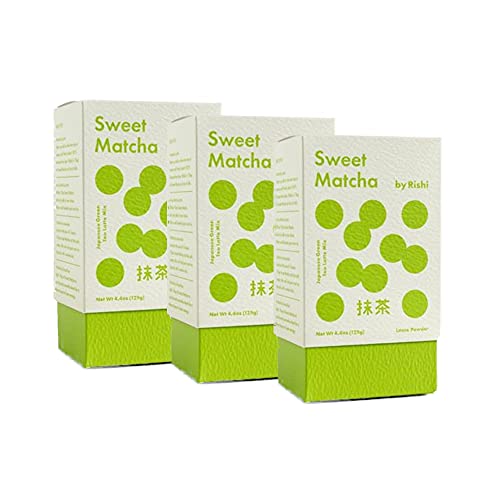
Rishi Tea Sweet Matcha Powder (3-Pack)

Ocha & Co. Organic Sencha Loose Leaf (100g)
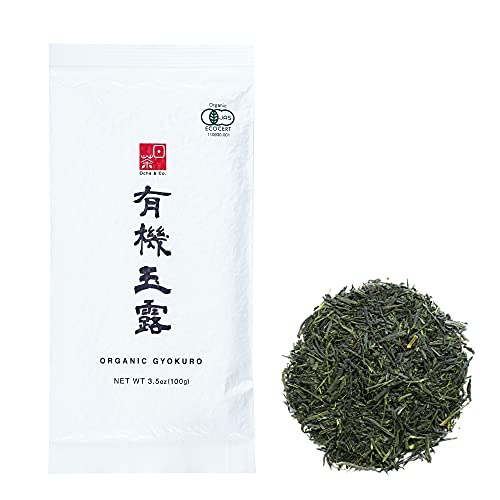
Ocha & Co. Organic Gyokuro Loose Leaf (100g)

Ocha & Co. Organic Kabusecha Loose Leaf (100g)

Ocha & Co. Hojicha Roasted Green Tea (100g)

Frontier Co-op Cut & Sifted Burdock Root (1 lb)

Ocha & Co. Organic Genmaicha Loose Leaf (100g)
The Details Behind The Selections
Bagged tea gets a bad rap among loose-leaf purists, but this blend sidesteps most of the usual complaints. The Republic of Tea combines Japanese matcha with green tea leaves and a curated herbal mix, landing somewhere between a straight green tea and a wellness infusion. The result steeps fast, travels well, and works in the office kitchen where loose-leaf gear isn’t practical.
You heat filtered water to just short of boiling, pour six ounces over a bag, and wait one to three minutes. That short window is forgiving on hectic mornings. You get a small lift of caffeine without the jittery spike coffee brings, and the antioxidant content from the matcha adds a layer you won’t find in a standard bagged green tea.
A Few Highlights
- Combines matcha with green tea for a fuller body than typical bagged green tea
- Steeps in one to three minutes, fitting into a rushed morning
- Refill pack of 100 bags reduces packaging waste and keeps a steady supply on hand
- Gluten-free and ready to brew without any teapot or infuser
- Modest caffeine level works as a mid-morning pick-me-up
Worth Noting
- Herbal additions shift the flavor away from a pure Japanese green tea experience
- Bags don’t allow the multiple short steeps that loose sencha drinkers tend to prefer
Who It Suits Best
Office workers and busy households who want a quick, reliable Japanese-style green tea without teaware.
Look Elsewhere When
You want a true single-origin experience; the Ocha & Co. Organic Sencha is a better fit for traditional loose-leaf brewing.
Three hundred tea bags in a single box answers a different problem than most picks on this list. The Hyleys blend uses small-leaf green tea from China as a base, then layers in dandelion root, milk thistle seed, and nettle leaves for a herbal-detox profile. It doesn’t claim a Japanese origin, so it sits at the edge of this category, but it works as an everyday wellness tea alongside your Japanese rotation.
The sheer bag count suits shared kitchens, small offices, and anyone who brews multiple cups a day. Storage takes a little planning since the box is large, but a sealed tin keeps the bags fresh. For folks who want a daily herbal-leaning green tea without restocking constantly, this is the practical workhorse.
Advantages To Know
- 300-count supply runs through months of regular brewing
- Herbal blend with dandelion and nettle suits a wellness routine
- Bagged format means zero cleanup beyond tossing the bag
- Antioxidant-rich green tea base complements the herbal additions
Things To Consider
- Green tea is Chinese, not Japanese, so the leaf character differs from sencha or gyokuro
- Large box needs a dedicated shelf or pantry bin
- Herbal elements may not appeal to drinkers who want pure green tea flavor
Feature Snapshot
Built With In Mind
High-volume drinkers and shared spaces where one box covers everyone’s morning cup for weeks.
Skip It When
You want a single-origin Japanese green; pick the Ocha & Co. Organic Sencha for a cleaner leaf profile.
Fukamushi, meaning “deep-steamed,” is a sencha style where the leaves steam longer than usual before drying. That extra steam breaks down the leaf structure, releasing more of the plant’s flavor and nutrients into the cup. Ocha & Co.’s organic version delivers a deep emerald brew with a richer, almost brothy body compared to a standard sencha. For drinkers who find regular sencha a bit thin, fukamushi fills out the mouthfeel without adding bitterness.
The trade-off shows up in the leaf appearance: fukamushi leaves look more like small green flakes than the needle-like strands of typical sencha. That visual difference is normal, not a sign of age. You can still see the leaf quality in the cup color, which leans darker and cloudier than lighter-steamed styles.
What It Does Well
- Deep-steamed process produces a fuller, richer cup than regular sencha
- Organic certification covers the full leaf sourcing
- 100g pouch lasts a regular drinker several weeks
- Forgiving on steep time, so experimentation is low risk
Points To Note
- Leaf appearance is more fragmented than needle-shaped sencha, which can surprise first-time buyers
- Flavor intensity may feel heavy if you usually drink lighter gyokuro or sencha
Made For
Sencha drinkers looking to step up the body and complexity without jumping to shade-grown territory.
Consider Something Else When
You want a lighter, more delicate cup; the Ocha & Co. Organic Sencha offers that cleaner, classic profile.
Most matcha drinkers accept that ceremonial-grade powder tastes grassy and requires a whisk, a bowl, and a few minutes of focus. Rishi’s Sweet Matcha trades some of that authenticity for convenience. The powder blends Japanese matcha with pure cane sugar, so it dissolves easily into hot milk, cold milk, or water without clumping. The three-pack format means you can stash a tin at home, one at the office, and one in a travel bag.
Each 4.4-ounce tin makes roughly ten lattes depending on how strong you like them. The sweetness is built in, which removes one step from your morning but also limits how much you can customize the sugar level. The blend is certified kosher and non-GMO, which matters if you shop with those standards in mind.
Noteworthy Benefits
- Pre-sweetened blend removes the added-sugar step from latte prep
- Dissolves into hot, iced, or lemonade drinks without whisking
- Three-pack supports multiple brewing locations
- Certified kosher and non-GMO for shoppers with those standards
Honest Caveats
- Built-in sugar means you can’t dial sweetness down for plain matcha or unsweetened drinks
- Not a ceremonial-grade matcha, so traditionalists may find the flavor thinner
Best Suited To
Latte and iced-matcha fans who want speed and built-in sweetness over traditional preparation.
Reach For A Different Pick When
You want unsweetened, ceremonial-grade matcha; consider a plain matcha from a Japanese tea specialist instead.
Sencha is the everyday green tea of Japan, grown in full sunlight rather than shade. That sun exposure boosts catechin and vitamin C content, giving the leaf a brighter, slightly more astringent profile than shade-grown styles. Ocha & Co.’s organic sencha steeps into a golden-green cup with a smooth, earthy character and a fragrance that doesn’t shout. It’s the workhorse green tea of this list.
The loose-leaf format requires an infuser or teapot, which adds a small step to your routine, but the leaves reward multiple short steeps. Most drinkers pull two or three rounds from the same portion. Compared to the Fukamushi sencha covered earlier, this one is gentler and more delicate, with less of that brothy body.
Bright Spots
- Classic sencha profile suits a daily drinking routine
- Organic sourcing covers the full leaf supply
- Multiple steep rounds stretch a 100g pouch across many cups
- Mild enough to drink without food pairing
Small Caveats
- Loose-leaf format needs an infuser or teapot, unlike bagged picks
- Lighter body may feel underwhelming if you’re used to fukamushi or hojicha
Key Specs
Whose Shelf It Belongs On
Regular green-tea drinkers who want a clean, classic sencha without the intensity of deeper-steamed styles.
Swap It Out When
You want richer umami; the Ocha & Co. Organic Gyokuro delivers a deeper, more savory cup.
Gyokuro sits at the top of the Japanese green tea hierarchy, and the reason is simple: shade. The tea plants are covered for roughly twenty days before harvest, which keeps sunlight out and forces the plant to produce more amino acids. Those amino acids translate into the deep umami flavor and almost-sweet finish that define gyokuro. Ocha & Co.’s organic version captures that profile in a deep emerald cup.
Brewing gyokuro takes more attention than sencha. You use cooler water (around 50 to 60 degrees Celsius, far below boiling) and steep for a longer window. That ritual is part of the appeal for enthusiasts, but casual drinkers may find the routine demanding. The flavor payoff, though, is a savory, almost seaweed-like richness you won’t find in any sun-grown green tea.
Useful Highlights
- Twenty-day shade growing produces the deepest umami among Japanese greens
- Smooth, sweet-leaning profile that drinks well on its own
- Organic leaf sourcing for shoppers who prioritize that
- Lower brewing temperature extracts the amino acids without bitterness
Trade Offs
- Brewing temperature and timing differ from regular green tea, requiring a learning curve
- Premium shade-grown leaf carries a higher cost per cup than sun-grown sencha
- Flavor profile is too savory for drinkers who prefer grassy or light green teas
Right Fit For
Green tea enthusiasts who want to explore shade-grown umami and don’t mind a slower brewing ritual.
A Better Fit Elsewhere
You want shade-grown character with less intensity; the Ocha & Co. Organic Kabusecha is a gentler entry point.
Kabusecha is a middle ground between sun-grown sencha and full-shade gyokuro. The plants are covered for about ten days before harvest, roughly half the gyokuro window. That shorter shade period lifts the amino acid content above sencha but doesn’t push it as far as gyokuro. The result is a tea that drinks smoother and sweeter than standard sencha, with a touch of the umami depth that defines its shaded cousin.
Ocha & Co.’s organic kabusecha pours a pleasing light green color, with a balanced cup that’s easier to brew than gyokuro. You can use slightly warmer water than gyokuro demands, which makes the daily routine simpler. For drinkers who find full gyokuro too savory but want more complexity than basic sencha, kabusecha lands in a useful sweet spot.
Where It Excels
- Ten-day shade growing adds umami without the full gyokuro intensity
- Sweeter, smoother profile than standard sencha
- More forgiving on water temperature than gyokuro
- Organic leaf sourcing for the full supply chain
Where It May Fall Short
- Umami depth still falls short of full gyokuro for enthusiasts chasing maximum savoriness
- Loose-leaf format requires a basic infuser setup
Who Should Grab It
Sencha drinkers curious about shade-grown tea who want a gentler intro than full gyokuro.
Where Another Pick Suits Better
You want the deepest umami in the lineup; the Ocha & Co. Organic Gyokuro delivers that fuller savoriness.
Hojicha breaks the green tea rules in a useful way. The leaves (a blend of kukicha, or stem tea, and sencha) are pan-roasted, which turns the cup a warm golden yellow and shifts the flavor profile away from grassy and toward something smoky, almost caramel-like. The roasting also lowers the caffeine content, which makes hojicha a go-to choice for late-evening drinkers who still want a warm cup.
Because the leaves are roasted rather than steamed, hojicha is more forgiving on water temperature. You can use fully boiling water without the bitterness that hits a sencha or gyokuro at high heat. The mild, aromatic cup pairs well with food and works as a digestif after dinner. The smoke note is gentle rather than overpowering, though you may find it polarizing if you prefer pure green tea character.
Standout Benefits
- Low caffeine level suits evening drinking
- Roasted, smoky sweetness is a different flavor lane from steamed green teas
- Forgiving on water temperature, so brewing is straightforward
- Organic leaf blend combines kukicha stems with sencha
Practical Considerations
- Smoky character may not appeal to drinkers who want a pure green tea taste
- Lower caffeine means it’s a poor choice for a morning energy boost
Feature Rundown
Perfect Match For
Late-day drinkers who want a warm, aromatic cup without the caffeine load of sencha or matcha.
Not Your Match When
You want a strong, grassy morning green; the Ocha & Co. Organic Sencha fits that classic profile better.
Burdock root isn’t a Japanese green tea, but it earns a place on a Japanese tea shelf. Used in Japan for centuries as both a food and a tea ingredient, the root carries a mild, earthy sweetness that pairs well with green tea blends and shows up in tonjiru (pork miso soup) and other traditional dishes. The cut-and-sifted format from Frontier Co-op gives you a versatile ingredient for both kitchen and teapot.
You can brew burdock alone for a caffeine-free herbal cup, or blend it with sencha or hojicha for an earthy twist. In the kitchen, it simmers into soups and sautés without needing much prep. The one-pound bulk size suits anyone who plans to use it regularly, though smaller kitchens may find the bag bulky.
A Strong Showing
- Cut-and-sifted format is ready to brew or cook without grinding
- Versatile for both tea blending and Japanese cooking
- Sustainably grown and kosher certified
- One-pound bulk supply covers months of use
Less Ideal Details
- Not a Japanese green tea, so it serves a supporting role rather than a daily brew
- Bulk bag needs a sealed container to keep the root fresh long-term
- Earthy, root-forward flavor may not suit every palate
Who Will Love This
Home cooks and tea blenders building out a Japanese pantry with versatile, traditional ingredients.
Another Choice May Suit
You want a standalone Japanese tea experience; any of the Ocha & Co. loose-leaf picks will serve that role more directly.
Genmaicha is the gateway green tea for most newcomers to Japanese tea. The blend pairs sencha with roasted brown rice and a touch of matcha, creating a nutty, slightly toasty cup that’s far more approachable than straight sencha. The roasted rice softens the grassiness and adds body, which makes the tea drink well with food or on its own. Ocha & Co. uses premium sencha as the base, which lifts the cup above the lower-grade genmaicha you’ll find in some blends.
The flavor is warm and savory, with the rice notes coming through clearly. The texture feels fuller than a pure sencha brew, almost like a light broth. For someone easing into Japanese green tea and not sure where to start, genmaicha is a friendly first step. You can move to a straight sencha or gyokuro once your palate adjusts.
Strong Points
- Nutty, approachable flavor suits first-time Japanese tea drinkers
- Premium sencha base lifts the cup above budget genmaicha
- Matcha addition adds a touch of color and body
- Organic sourcing for the full blend
- Pairs well with meals or drinks cleanly on its own
A Few Limitations
- Roasted rice softens the pure green tea character, so it doesn’t showcase the leaf alone
- Loose-leaf format needs a basic infuser
Feature Snapshot
Right Fit For
Newcomers to Japanese tea who want a smooth, nutty cup that doesn’t demand brewing expertise.
Consider Something Else When
You want pure green tea flavor without the rice blend; the Ocha & Co. Organic Sencha is a cleaner pick.
What Matters Most Before Choosing Japanese Teas
Leaf Format and Brewing Gear
Bagged, loose leaf, or powdered matcha each require different gear. Bagged options like the Republic of Tea SuperGreen and Hyleys Dandelion blend brew in any mug, no teapot needed. Loose-leaf sencha, gyokuro, kabusecha, genmaicha, and hojicha all need at least a simple infuser basket or a kyusu (a side-handled Japanese teapot). Matcha powder like Rishi’s Sweet Matcha dissolves directly into liquid, though traditionalists prefer a bamboo whisk and bowl. Match your gear to your daily routine rather than chasing ceremony you won’t use.
Flavor Direction: Grassy, Savory, Nutty, or Roasted
Japanese green teas split into clear flavor lanes. Sencha and fukamushi sit in the grassy, vegetal range. Gyokuro and kabusecha deliver savory umami from shade growing. Genmaicha leans nutty from the roasted rice. Hojicha goes smoky and caramel-like. Matcha powder can swing either grassy (ceremonial) or sweet (Rishi style). Pick the lane that matches what you already enjoy drinking; if you’re unsure, genmaicha is a safe starting point because the rice softens the green tea intensity.
Caffeine and Time of Day
Sencha, fukamushi, and most matcha contain a moderate caffeine level that suits mornings and early afternoons. Gyokuro, shaded longer, sits in a similar range. Hojicha’s roasting drops caffeine noticeably, making it the best evening option. Sweetened matcha like Rishi’s blends caffeine from the leaf with sugar, so it can feel like a treat drink rather than a focus aid. Align your selection with when you plan to brew, not just what sounds appealing.
Single-Origin vs. Blended
Pure single-origin teas (Ocha & Co.’s sencha, gyokuro, kabusecha, genmaicha) show off a specific leaf style clearly. Blended picks (Hyleys’ herbal mix, Rishi’s sweetened matcha, Republic of Tea’s matcha-and-herbal blend) combine ingredients for a different purpose, often wellness or convenience. Single-origin works when you want to learn the differences between styles. Blends work when you want a steady, repeatable cup without studying leaf character.
Key Considerations Across These Picks
Common Shopping Slip Ups
One trap is buying the cheapest bagged green tea and expecting it to taste like loose-leaf sencha; the leaf grade and processing differ enough that the cup won’t compare. Another is overlooking water temperature, since most Japanese greens turn bitter with fully boiling water. A third is choosing shade-grown gyokuro as a first purchase without realizing it needs cooler water and a longer steep, which can sour a new drinker on the style entirely.
Where The Extra Money Goes
Premium picks like gyokuro cost more because the plants are shaded for twenty days, reducing yield per harvest. Organic certification adds cost at the farming level, and small-batch sourcing from Japan carries import overhead. The cup delivers more umami and smoother sweetness, which justifies the cost for enthusiasts, but casual drinkers may find a good sencha at half the price suits their routine just as well.
Frequently Asked Questions
What is the difference between sencha and gyokuro?
Sencha is sun-grown, giving it a brighter, slightly more astringent flavor. Gyokuro is shade-grown for about twenty days, which increases the amino acid content and produces a deeper, savory umami taste.
Is matcha the same as green tea?
Matcha is a type of green tea, but you consume the whole leaf rather than steeping and discarding it. The plants are shaded before harvest, which lifts the chlorophyll and amino acid content.
How should I store loose-leaf Japanese green tea?
Keep it in an airtight container away from light, heat, and moisture. A sealed tin in a cool pantry works well. Avoid the fridge, since moisture and odors can transfer into the leaves.
Can I reuse Japanese green tea leaves?
Yes. Most loose-leaf Japanese greens, including sencha, gyokuro, kabusecha, and genmaicha, yield two or three short steeps from the same portion. The second and third rounds taste lighter and sweeter.
Is hojicha actually a green tea?
Technically yes, but the leaves are pan-roasted rather than steamed, which changes the color, flavor, and caffeine level. Hojicha is golden in the cup and tastes smoky rather than grassy.
Closing Remarks
Japanese tea is wide enough to cover every mood and moment, from a quick morning bagged brew to a slow evening hojicha ritual. The picks above give you a starting point across leaf styles, formats, and budgets. Start with the flavor lane that sounds closest to what you already enjoy, and let your palate guide the next step. A small tin of gyokuro or a pouch of genmaicha can open up a new daily habit without much effort.
