

A cup of well-made jasmine tea is one of those small, repeatable pleasures, hot or iced, mid-afternoon or after dinner. The challenge is that grocery shelves are crowded with options that look similar but taste nothing alike. Bag material, leaf size, jasmine quality, and how the leaves were scented all change the cup. This list breaks down eight accessible options for the home drinker who wants a real floral note without the guesswork.
Your Options, Compared

Republic of Tea Jasmine Jazz Green Loose Tea 3 oz
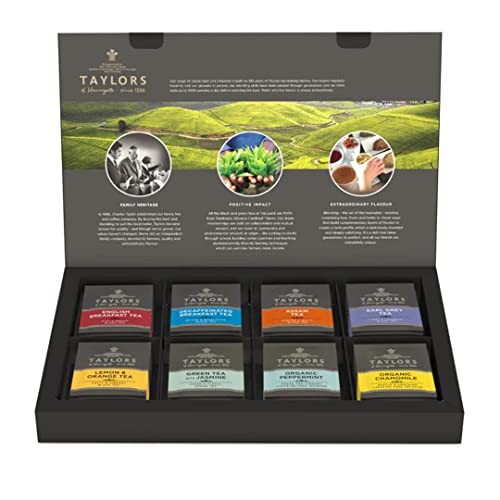
Taylors of Harrogate Assorted Tea Sampler 48ct

Lipton Jasmine Green Tea Bags 240-Count

Tealise Organic Jasmine Green Pyramid Tea Bags 60 ct

Uncle Lee’s Jasmine Green Tea 100 ct 2-Pack

Rishi Tea Jasmine Organic Sachet Bags 15ct
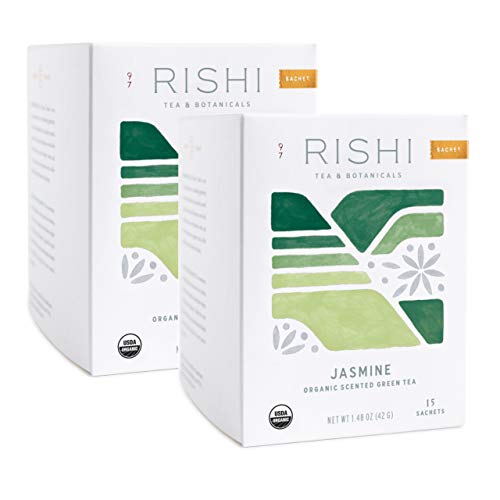
Rishi Tea Jasmine Green 2-Pack, 15ct each

Art of Tea Organic Jasmine Reserve 50 Sachets
A Closer Look At Each Pick
The Republic of Tea’s Jasmine Jazz lands at the top of the list because it does something most bagged options skip: it steeps as a real loose-leaf experience, just tucked inside a refill pouch rather than a single-serve sachet. The 3 oz tin-friendly pouch yields roughly 50 cups when measured at a teaspoon per steep, which suits slow weekend brewing or a small gathering. The leaves are Yin Hao-style, scented with real blossoms during evening hours when the flowers open, which is the traditional scenting method.
For readers who already own an infuser or a small teapot, this is the most aromatic option in the roundup and pairs well with a few quiet minutes. Compared to the bagged options below, it asks for slightly more prep but rewards you with a cleaner floral cup and far less waste.
A Few Strong Suits
- Scented with real jasmine blossoms using the traditional seven-step process, not synthetic flavoring
- Yields roughly 50 cups per pouch, which spreads out cost over weeks of daily brewing
- Brews a bright amber cup that stands up to light sweetening or a splash of milk
- Lower caffeine than coffee, useful for an afternoon lift without the jitters
Things To Consider
- Requires an infuser, basket, or teapot, which is an extra step for office kitchens
- Once opened, the pouch loses aroma faster than individually wrapped bags, so a clip is helpful
Key Product Details
Who It Suits Best
Weekend brewers and home drinkers with an infuser who want the most aromatic cup in the lineup.
Where Another Pick Suits Better
Office drinkers who need a no-fuss bag should look at the Lipton Jasmine Green 240-Count, which trades aroma for sheer convenience.
Taylors of Harrogate’s Specialty Variety Box isn’t a single-flavor pack, and that’s the point. It bundles 48 individually wrapped bags across several of the brand’s best-known black, green, and herbal styles, which makes it a low-risk way to find a personal favorite. The included jasmine option sits alongside breakfast black tea, Earl Grey, and a green tea or two, so you can compare floral, brisk, and malty cups side by side.
For someone new to loose-leaf adjacent bagged tea, or anyone buying for a shared household, the variety format saves you from committing to a 100-bag box of one style you might not love. Each bag is wrapped and tagged, which also keeps things tidy in a shared drawer.
Strong Points
- Six bags of each included flavor lets you actually compare across multiple brewing days
- Individually wrapped sachets stay fresh longer in an open kitchen drawer
- Brand carries Carbon Neutral and Rainforest Alliance certifications, useful for eco-focused shoppers
- Gift-ready format for housewarmings, hostess gifts, or office pantries
Points To Note
- Jasmine is only one of several styles, so this is a sampler, not a jasmine-heavy stash
- Flavor balance skews toward British black tea drinkers, so the floral pick may be a smaller share of the box than expected
Right Fit For
First-time jasmine tea drinkers and shared households who want a low-stakes way to test several styles at once.
Skip It When
Anyone committed to a daily jasmine routine should reach for the Republic of Tea refill or the Rishi single-origin sachet instead.
Lipton’s signature jasmine blend arrives as a six-box case totaling 240 tea bags, and that scale is its real story. Each bag contains a moderate 6 to 30 mg of caffeine along with 100 mg of flavonoids, so the cup functions more as a gentle daily ritual than a delicate ceremony. The bag itself is designed to brew hot or iced without turning cloudy or grassy at the bottom of the glass.
For office pantries, large families, or anyone who works through two or three cups a day, this case is the kind of refill that quietly disappears from the cabinet. The jasmine note is present but soft, more floral accent than centerpiece, which suits drinkers who want green tea with a hint of perfume rather than a fully floral cup.
What Pays Off
- 240-bag case runs for months under daily use without a reorder trip
- Brews cleanly as both hot tea and iced tea without bitterness
- Each bag delivers a measured 100 mg of flavonoids, useful for daily wellness routines
- Reliable, widely available grocery-tier flavor profile
Honest Caveats
- Jasmine intensity sits mild, so floral-first drinkers may find it too restrained
- Bag material is a standard paper sachet, which can flatten leaf character compared to pyramid styles like the Tealise or Art of Tea options
Feature Snapshot
Made For
Offices, large households, and frequent tea drinkers who want a steady jasmine-accented supply without reordering every few weeks.
Look Elsewhere When
Floral-first tea drinkers should look at the Art of Tea Jasmine Reserve 50 Sachets, which offers a more pronounced blossom aroma in a smaller format.
Tealise leans into two things at once: USDA organic certification on the leaf, and a pyramid sachet built from plant-based fibers instead of petroleum-derived mesh. Whole-leaf pieces go into each sachet rather than the dust and fannings common in mass-market bags, and that gives the cup a softer, less bitter finish. The 60-bag count is a comfortable middle ground between single-serve specialty packs and the 240-bag cases.
Plastic-conscious tea drinkers will appreciate the material choice, and the pyramid shape lets the leaves expand more freely than a flat paper bag. Compared to the flat-sachet Lipton option, the cup here is brighter and the jasmine reads as a clean floral accent on a green tea base.
Useful Strengths
- Plant-based, plastic-free sachets avoid microplastic exposure during steeping
- Whole-leaf pieces inside the pyramid expand more fully, producing a cleaner cup
- USDA organic certification on the green tea base
- Light body and gentle jasmine note suits drinkers who find standard green teas too grassy
Worth Bearing In Mind
- 60-bag count is smaller than bulk cases, so the per-cup cost runs higher than the Lipton 240-bag option
- Plant-based sachets can be slightly more delicate to handle when wet, so a careful lift with a spoon helps
Best Suited To
Plastic-conscious tea drinkers who want whole-leaf quality in a low-waste sachet format.
Consider Something Else When
Someone running through multiple cups a day on a tight budget will get more mileage out of the Uncle Lee’s 100-bag 2-pack.
Uncle Lee’s 2-pack delivers 200 individually wrapped bags across two boxes, which lands in a sweet spot for anyone who wants a serious daily stash without committing to a 240-bag case. The base is a young-leaf green tea scented with jasmine flowers, and the bags are wrapped individually so a torn outer box does not dry out the rest of the supply. The cup is mild, lightly grassy, with a soft floral lift on the finish.
For shared kitchens, shift workers, or anyone running a small office pantry, this 2-pack quietly disappears into the rotation. The jasmine here is gentle, so don’t expect a heavy perfumed cup, but the per-cup cost across 200 bags is hard to beat in this category.
Useful Highlights
- 200 bags across two boxes give you a long rotation without a single giant case
- Individually wrapped bags preserve aroma in a humid kitchen or shared fridge
- Light caffeine level suits a mid-afternoon cup without affecting sleep
- Antioxidant-forward young-leaf base supports a daily wellness habit
Small Caveats
- Jasmine intensity is on the lighter side, which may disappoint floral-first drinkers
- Bag material is a standard flat sachet rather than a pyramid, so the leaves have less room to expand
Who Should Grab It
Budget-focused daily drinkers and shared kitchens who want a steady jasmine-accented supply at a sensible per-cup cost.
A Better Fit Elsewhere
Anyone chasing a richer single-origin cup will find more aromatic depth in the Rishi Tea Jasmine Sachet Bags 15ct.
Rishi’s single-box 15-sachet pack is the smallest count on the list, and that is part of the appeal. It targets the curious taster who wants a single-origin Chinese green tea scented in the traditional style without a 200-bag commitment. Rishi sources from China and pairs the leaf with real jasmine blossoms rather than synthetic flavoring, and the cup is brewed at 175°F for three minutes for a clean, sweet, floral profile.
This is the kind of pack a tea drinker picks up to compare against their everyday jasmine and decide whether a single-origin upgrade is worth the higher per-bag cost. The sachet format is a small step up from a flat paper bag, and the brewing temperature guidance matters: too-hot water flattens the floral note quickly.
Real-World Strengths
- Single-origin Chinese green tea scented with real jasmine blossoms
- Compact 15-bag box is a low-risk way to test the brand before buying a larger pack
- Clear temperature guidance of 175°F protects the cup from bitterness
- Available in larger sizes for shoppers who convert to a daily drinker
Some Limits To Know
- 15-bag count is the smallest in the roundup, so the per-cup cost runs high if you drink daily
- Requires attention to water temperature, which is a small extra step for casual brewers
Quick Facts
The Right Fit
Curious single-origin tasters who want a small-batch tasting before committing to a daily drinker.
Another Choice May Suit
Daily drinkers should reach for the Rishi Jasmine Green 2-Pack 15ct, which doubles the supply at a similar per-box footprint.
This Rishi 2-pack doubles down on the single-origin 15ct box above and ships two boxes of 15 sachets, so you get 30 sachets total without committing to a giant case. Rishi’s broader sourcing program leans on organic certified estates, and the brand states that over 95% of its imported ingredients carry USDA NOP organic certification, which is a useful baseline for shoppers sorting through marketing claims. The cup is floral-forward, with a clean jasmine lift on a green tea base.
For organic-focused regulars, this 2-pack hits a middle ground between the 15ct taster box and a 200-bag case. It also works well as a gifting format, since two boxes present naturally as a paired set without needing extra packaging.
Everyday Wins
- 30 sachets across two boxes give a couple of months of regular use without a giant case
- USDA NOP organic sourcing on the leaf, useful for organic-focused shoppers
- Floral-forward cup with a real jasmine lift rather than a perfumed accent
- Two-box format works as a paired gift or split between home and office
A Few Limitations
- Per-sachet cost is still higher than the Lipton 240-Count and Uncle Lee’s 2-pack options
- Green tea base is on the delicate side, so oversteeping turns the cup bitter fast
Whose Shelf It Belongs On
Organic-focused regulars who want a small but steady stash of single-origin-style jasmine without a giant case.
Reach For A Different Pick When
Heavy daily drinkers should look at the Lipton Jasmine Green 240-Count, which trades floral intensity for raw supply.
Art of Tea’s Jasmine Reserve closes the list as the most premium pyramid option in the roundup. The 50-sachet count is mid-sized, and the pyramid shape gives the leaves room to unfurl in a way flat sachets cannot. The brand leans on a sweet floral aroma with grassy undertones, which produces a layered cup that reads closer to a teahouse pour than a typical grocery bag. The sachet is built to sit in a mug or a teapot without splitting mid-brew.
For weekend brewing, hosting, or a once-a-day moment of calm, this is the upgrade pick in the lineup. The per-sachet cost is the highest here, so this works best as a special-rotation tea rather than an everyday case, and it pairs naturally with the Republic of Tea refill as a slow-Sunday contrast to a daily workhorse.
The Helpful Details
- Reserve-grade pyramid sachets let leaves expand fully for a fuller cup
- Sweet floral aroma with grassy undertones produces a layered, teahouse-style pour
- 50-sachet count is mid-sized, useful for slow drinkers or special-rotation brewing
- Pyramid format holds up well in both mugs and teapots
Practical Considerations
- Per-sachet cost is the highest in the roundup, so this functions best as a special-rotation tea
- Pyramid sachets take a bit more counter space during steeping than flat bags, which matters in a small office kitchen
Core Details
Perfect Match For
Special-occasion tea drinkers and hosts who want a teahouse-style pour at home without the loose-leaf prep.
Swap It Out When
Everyday drinkers on a budget will get far more mileage out of the Uncle Lee’s Jasmine Green 100 ct 2-Pack.
What Matters When Choosing Jasmine Tea Bags
Scenting method sets the cup apart
Traditional jasmine teas are layered with fresh blossoms during evening hours when the flowers open, then the blossoms are sifted out. That repeated layering produces a softer, more natural floral aroma than synthetic jasmine flavoring. Look for products that mention real blossoms or a layered scenting process if you want a fuller cup, and treat “jasmine flavor” wording as a hint that the aroma may be lighter.
Bag material shapes both flavor and footprint
Flat paper sachets are quick and familiar, but they compress the leaf and limit expansion, which can flatten aroma. Pyramid sachets and whole-leaf formats give leaves room to unfurl, producing a brighter, less bitter cup. Plastic-free plant-based sachets, like the Tealise option, appeal to plastic-conscious drinkers, though they can be slightly more delicate to handle when wet.
Match the count to your actual drinking habit
A 240-bag case is wonderful for an office or a daily two-cup household, but it sits in the cabinet a long time once opened. Smaller 15- to 50-sachet packs suit casual drinkers and gifters, while 100- to 200-bag packs land in a balanced middle for steady home use. Buying a six-month supply of a tea you have never tasted is a common pitfall, so a smaller taster pack first is often the smarter move.
Caffeine and flavor intensity belong on the same checklist
Most jasmine tea bags use a green tea base, which carries a moderate caffeine level. Some blends push the jasmine note forward and the green tea back, while others do the reverse, so check both the leaf type and the floral intensity on the listing. If you drink a cup in the late afternoon, pay attention to the caffeine number, and pair a higher-caffeine option with morning brewing and a lower one with evening ritual.
Where Shoppers Go Wrong With Jasmine Tea Bags
Mistaking soft flavor for stale tea
A gentle jasmine note is normal for a well-made green tea base, so a faint aroma on opening does not mean the bag is past its date. Overbrewing is the more common cause of a flat cup, especially with green tea, which turns bitter and grassy past the four-minute mark. Treat the steeping time on the listing as a real instruction rather than a suggestion.
Why The Higher Tier Costs More
What the premium tier actually adds
Premium picks like Art of Tea’s Jasmine Reserve and Rishi’s single-origin sachet earn their higher per-cup cost through a few concrete steps. Whole-leaf pieces instead of dust, pyramid sachets that allow fuller expansion, traditional layered scenting with real blossoms, and smaller batch production that lets the brand control cup quality. For a once-a-day ritual or weekend brewing, the upgrade shows up as a more layered aroma and a cleaner finish. For a multi-cup daily habit, the case-size options below are usually a better fit.
Frequently Asked Questions
How long should you steep jasmine tea bags?
Two to four minutes is a safe window for most jasmine green tea bags, with three minutes as a clean middle. Going past four minutes pulls bitterness out of the green tea base and flattens the floral lift, so set a timer the first few times you dial in a new bag.
Are jasmine tea bags caffeinated?
Most jasmine tea bags use a green tea base, so they carry a moderate caffeine level that is generally lower than a standard cup of coffee. Some specialty blends remove the caffeine entirely, so check the listing if you are brewing a cup in the late afternoon.
Can you reuse jasmine tea bags?
A second short steep is fine for a milder cup, especially with a pyramid or whole-leaf sachet that has more leaf mass to give. The second cup will be lighter on both caffeine and floral aroma, so expect a softer pour rather than a repeat of the first brew.
How should you store jasmine tea bags once opened?
Keep them in a sealed container away from heat, light, and strong odors like coffee or spices, which absorb into the leaves quickly. Individually wrapped bags last longer in a humid kitchen, while loose refill pouches benefit from a clip and an airtight tin.
What is the difference between jasmine green and jasmine black tea?
Jasmine green tea uses a green tea base scented with jasmine blossoms, producing a lighter, more floral cup. Jasmine black tea uses a black tea base, which carries more malt and tannin alongside the floral note, producing a heartier brew that pairs well with milk or sweetener.
Closing Remarks
A good jasmine tea bag turns a quiet five minutes into something worth looking forward to, and the right pick depends mostly on how often you brew and how much ceremony you want. For an everyday workhorse, the Lipton 240-Count or Uncle Lee’s 2-Pack will outlast your supply list. For something closer to a teahouse cup, the Rishi sachets and the Art of Tea Reserve earn their place in the rotation. Start with the format that matches your drinking habit, and let the flavor follow.
