

Kopi Luwak carries a story most coffees can’t tell, from the wild civets of Indonesia to your morning cup. This category has a learning curve: wild vs. farmed sourcing, whole bean vs. pre-ground, light vs. dark roast, and packaging that ranges from plain kraft bags to elegant gift sets. The right pick depends on how you brew, how often you reach for something special, and how much you value the wild-harvested side of the story.
Below is a side-by-side look at nine options, with one wildcard single-origin peaberry at the end for a different flavor profile. Use the table to scan, then read the detailed reviews to match a pick to your taste, gear, and budget.
A Side-By-Side Look

Volcanica Kopi Luwak Whole Bean 16-oz
Volcanica Kopi Luwak Ground 16-oz

Monkey Business Wild Kopi Luwak Ground 1kg

Coctive Wild Kopi Luwak Civet Beans 8.8oz

Gate to Nature Kopi Luwak Dark Roast 10oz

Ksu Pom Wild Kopi Luwak Whole Bean 100g
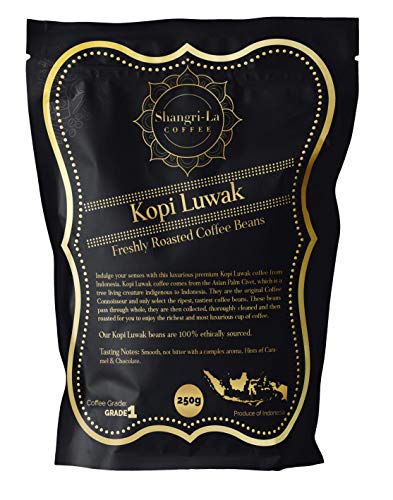
Shangri-La Wild Kopi Luwak Whole Bean 250g

Kaya Kopi Premium Kopi Luwak Arabica 50g

Volcanica Tanzania Peaberry Whole Bean 16oz
The Strengths Of Each Pick
Volcanica’s whole-bean entry is the most measured option in this lineup, aimed at people who already grind fresh. The 16-ounce bag is a comfortable middle ground: large enough to last a regular drinker several weeks, small enough to use before the aromatics fade.
The brand’s pitch leans on its safety protocol, and in a category with baggage around authenticity, that matters. The medium roast keeps the cup balanced rather than smoky, so the unusual flavor notes, sandalwood, apricot, plum, and a hint of chanterelle, come through clearly. For most people who already own a burr grinder, this is the easy starting point.
Practical Pluses
- Whole-bean format keeps aromatics intact until you brew, which protects the more delicate floral notes.
- Medium roast tends to flatter drip, pour-over, and French press equally well.
- The 16-ounce size is a reasonable trial commitment without a long-term storage problem.
- The complex, multi-note flavor profile rewards slow, attentive brewing.
Things To Consider
- You need a grinder to get full value, which adds cost if you don’t already own one.
- Once opened, the bag loses character fast; owners commonly report a noticeable dip in aroma after week three if not sealed carefully.
Key Specs
Made For
Home brewers with a grinder who want a balanced, mid-size bag and don’t mind paying for the full Luwak experience.
Where Another Pick Suits Better
Shoppers who just want to scoop and brew should look at Volcanica’s pre-ground version, which keeps the same safety testing without the grinder step.
Same Volcanica sourcing and lab testing as the whole-bean version, just pre-ground for people who skipped the grinder. The flavor profile is identical on paper: sandalwood, dark chocolate, a musky edge, and that mushroom-floral quality the brand leans into.
The convenience trade-off is real though, since pre-ground coffee loses its lift faster than whole bean. The honest read is that this works best for people who brew a pot within a week or two of opening, not those planning a months-long tasting arc.
Advantages To Know
- No grinder required, which lowers the barrier for first-time Luwak drinkers.
- Identical safety testing to Volcanica’s whole-bean sibling, so the lab-checked promise holds.
- Ground format plays nicely with standard drip machines and most pour-over cones.
Points To Keep In Mind
- Pre-ground beans start losing aromatic punch within days of opening, so buy what you’ll use quickly.
- Grind size is set, so espresso and Turkish-style drinkers won’t get the texture they want.
Right Fit For
Drip machine owners and pour-over users who want Lab-tested Luwak without owning a grinder.
Consider Something Else When
If you brew a single cup at a time and hate stale grounds, Volcanica’s whole-bean version will keep its character much longer in the bag.
The kilogram format is the rare thing in this category: a true bulk option for people who actually drink Luwak regularly. At over 2.2 pounds, this is a household-supply bag, not a tasting sample.
The brand keeps the cup simple. Smooth, low-bitterness profile with caramel and chocolate hints, and a softer aroma than the more eccentric Volcanica notes. Owners commonly report using it for office brews and weekend gatherings, where the bigger format starts to make sense.
What Pays Off
- The kilogram size lowers the per-cup cost dramatically for regular drinkers.
- A milder, more crowd-friendly flavor profile suits mixed households and guests.
- Ground format means no grinder, just scoop and brew.
Room For Improvement
- A 1kg bag is hard to finish at peak freshness unless you brew daily, so plan your pace.
- Milder flavor means the more adventurous tasters may want something more complex.
Best Suited To
Shared kitchens, small offices, and households that brew Luwak often enough to move through a kilogram before the aroma fades.
Skip It When
First-time tasters should start with Shangri-La Coffee’s smaller 250-gram bag, which gives you a more manageable entry.
Coctive positions this 8.8-ounce bag as the gifting entry into the Luwak category, and the packaging lives up to that. The cup itself is built around a silky, low-acid profile with chocolate undertones, and the brand markets it directly to people with sensitive stomachs.
Wild sourcing is the centerpiece of the pitch: free-roaming civets, small Sumatran farms, no cage operations. For shoppers who care about the supply chain story as much as the flavor, this lands in a different place than a generic grocery bag. The 8.8-ounce size is a deliberate “tasting and gifting” weight rather than a pantry staple.
The Practical Payoff
- Lower-acid profile is easier on sensitive stomachs, which expands the audience beyond dedicated coffee drinkers.
- Gift-ready packaging saves the step of rewrapping if you bring it to someone.
- Wild-sourced supply story gives ethical-minded shoppers a cleaner answer.
Honest Caveats
- Smaller bag size means a higher per-ounce cost than the bulk options above.
- Low-acid profile is a deliberate choice; fans of bright, sharp African coffees will find it mellow.
Perfect Match For
Gift-givers and people with sensitive stomachs who want a small, presentable bag and a low-acid cup.
Not Your Match When
Daily brewers should reach for Monkey Business Coffee’s kilogram bag instead, which delivers a lower per-cup cost and a more generous supply.
Gate to Nature leans into a darker, more roasted style with this Black Label bag, and that single choice reshapes the cup. Where lighter Luwak roasts highlight the floral and musky notes, this one pulls toward cocoa, roast, and a thicker body.
The 10-ounce clear bag is a small-batch format, and the brand frames production as deliberately limited. That makes it a fit for people who already know they prefer dark roast and want their Luwak to behave like a dark roast, rather than a delicate light.
Useful Highlights
- Dark roast profile suits espresso machines and moka pots that often flatten lighter Luwak cups.
- Smaller, single-batch format tends to arrive fresher than mass-produced alternatives.
- Clear bag lets you see the beans, which helps judge roast level before committing.
Soft Spots
- Dark roast masks the more unusual flavor notes, so adventurous tasters may feel they paid a premium for ordinary character.
- 10-ounce size is a small commitment that doesn’t benefit bulk drinkers.
Whose Shelf It Belongs On
Espresso and moka pot owners who want Luwak in a darker, more familiar style.
Swap It Out When
Drinkers chasing the floral, musky side of Luwak will be happier with Volcanica’s medium-roast whole bean, which preserves those notes more clearly.
Ksu Pom Humbang is a Sumatran cooperative, and the bag is the smallest in the lineup at just 100 grams (3.5 ounces). That tiny format is the point, since this is built for tasting, not stockpiling, and the cooperative-sourced story adds a different texture than corporate importers.
The cup leans earthy and bold, with the brand describing it as velvety rather than bright. For most people, the 100-gram size is a real limitation; the appeal is the supply story, not the format.
The Upside
- Cooperative sourcing gives a more traceable origin story than anonymous imports.
- Whole bean format preserves the more unusual earthy and mushroom-edged notes.
- Tiny 100-gram size lowers the entry cost for first-time tasters.
Points To Note
- 100 grams is the smallest option in this roundup, and the per-ounce cost runs high.
- Heavier, more savory flavor profile won’t appeal to drinkers who prefer clean, bright cups.
Who Should Grab It
First-time tasters who care about the cooperative origin and want a low-commitment entry.
Reach For A Different Pick When
Shoppers after a smoother, more dessert-leaning cup will find Shangri-La Coffee’s 250-gram bag a more inviting step up.
Shangri-La’s 250-gram bag (about 8.8 ounces) is a useful middle size, larger than the gift-sized Coctive entry, smaller than a pantry-staple kilogram. The cup sits in a comfortable middle ground: caramel and chocolate notes dominate, with a smoother, lower-bitterness profile.
The brand’s other weights and bean types are also available through the listing, which gives curious brewers room to step up or down without switching vendors. For most home brewers trying Luwak for the first or second time, this format and flavor balance is the most forgiving place to land.
Good Reasons To Consider
- 250-gram size is large enough to compare several brew methods, small enough to stay fresh.
- Smooth caramel-chocolate profile is approachable for non-Luwak drinkers.
- Whole bean format preserves aromatics until you grind.
A Few Limitations
- Smoother profile means less of the eccentric character that makes Luwak unusual in the first place.
- You need a grinder to get full value from the whole-bean format.
Built With In Mind
Weekend brewers and casual hosts who want a generous, accessible Luwak that won’t intimidate less adventurous guests.
A Better Fit Elsewhere
Drinkers after a darker, more intense cup will get more from Gate to Nature’s Black Label dark roast.
The 50-gram option from Kaya Kopi is genuinely tiny, the smallest sampler in this roundup, and the brand clearly built it for trial rather than regular use. The medium-roast Arabica format keeps the cup relatively gentle, with the fermentation-driven character the category is known for.
Smaller sizes are also listed if you want to step up, but the 50-gram version is the right entry for someone who wants to taste before committing to a 250-gram or 1-kilogram bag. The catch is per-ounce cost: tiny bags are efficient for trying, inefficient for daily use.
A Few Strong Suits
- Smallest possible entry point, ideal for a single sitting or shared tasting.
- Medium roast keeps the cup balanced rather than smoky.
- Available in several sizes if you decide to scale up later.
Things To Weigh
- 50 grams runs a high per-ounce cost, so it’s a tasting investment, not a value buy.
- Tiny format gives you very few brewing sessions to dial in the method.
The Right Fit
Samplers and gift-givers who want the smallest possible bag for a one-time tasting.
Where A Sibling Pick Shines
Anyone ready to commit to a longer-term bag should step up to Ksu Pom’s 100-gram cooperative-sourced option, which gives more room to explore.
The peaberry designation refers to a natural mutation where a coffee cherry produces a single rounded bean instead of two flat-sided ones, and peaberries are often sorted out and sold as a separate grade. This Mount Kilimanjaro offering is the same Volcanica safety protocol as the Luwak picks, applied to a different origin entirely.
The cup lands bright, acidic, and fragrant, a sharp contrast to Luwak’s earthy, fermented character. It earns its place in this roundup as the option for drinkers who want the Volcanica testing promise in a flavor profile that points in a completely different direction. It also serves as a useful reference pour next to any Luwak you choose.
A Strong Showing
- Bright, acidic, fragrant cup gives a clean contrast to fermented Luwak profiles.
- Same Volcanica safety and freshness testing as the Luwak picks above.
- Peaberry grade is a known quality marker for shoppers who track those distinctions.
Possible Compromises
- Not actually a Kopi Luwak, so shoppers strictly in the category should skip it.
- Bright acidity will feel harsh if you’ve trained your palate on darker, smoother cups.
Who It Suits Best
Single-origin peaberry fans who want the Volcanica safety story applied to a bright African coffee.
Look Elsewhere When
Anyone committed to a true Luwak experience should stick with Volcanica’s own whole-bean Luwak for a closer match to the category’s character.
What Matters Most When Choosing Kopi Luwak Coffees
Wild-Sourced Versus Farmed Sourcing
Kopi Luwak gets its flavor from a fermentation process that happens as the beans pass through a civet’s digestive tract. Wild-sourced versions rely on free-roaming animals leaving beans that farmers collect, which keeps the supply chain ethical but limits supply. Farmed operations produce more volume but raise welfare concerns. For most shoppers, the supply story is a real filter, and it shapes which bags feel worth the cost.
Whole Bean Versus Pre-Ground Format
Whole bean keeps aromatic compounds sealed inside the bean until you grind, so the cup is brighter and more nuanced. Pre-ground is convenient but starts losing lift within days of opening. Drip and pour-over brewers who brew daily can use either format; espresso drinkers almost always need whole bean to dial in the grind size.
Roast Level And Flavor Direction
Medium roasts highlight the more unusual notes, like the sandalwood, plum, and floral hints that show up in Volcanica’s whole-bean offering. Dark roasts pull toward chocolate, cocoa, and a thicker body, like the Gate to Nature Black Label. The right choice depends on which cup you actually want to drink in the morning.
Bag Size And Freshness
Coffee starts losing character the moment it’s roasted and exposed to air, so a smaller bag you finish in two or three weeks will almost always taste better than a bulk bag you nurse for two months. Match the bag to your pace: kilogram bulk for daily drinkers, 8 to 16 ounces for occasional treats, 50 to 100 grams for tasting.
Key Considerations Across These Picks
Common Shopping Slip Ups
The most common mistake is buying a farmed-source bag without checking the supply story, then discovering later that the welfare claims don’t match. Another is grabbing a kilogram bag “for value” without realizing you can’t finish it while it’s fresh. Pre-ground versions are also a frequent trap: the convenience is real, but the cup flattens within a week or two of opening.
Where The Extra Money Goes
Higher-tier Luwak prices reflect wild sourcing, lab testing, and small-batch roasting, not just the bean itself. The Volcanica lab safety protocol is a real differentiator, since the brand runs phytosanitary tests and mold screens on every batch. Spending up makes sense if those checks matter to you; it makes less sense if you’re only chasing flavor and don’t care about the supply story.
Frequently Asked Questions
Is Kopi Luwak safe to drink?
Kopi Luwak from reputable sellers goes through roasting at temperatures well above 400°F and often additional lab testing for mold and impurities, so the safety risk is comparable to other specialty coffees. The supply chain matters more than the bean itself.
Why is Kopi Luwak so expensive?
Kopi Luwak is expensive because wild-sourced beans are limited, the collection process is labor-intensive, and lab testing adds cost. Volume production is impossible without compromising the wild supply story.
Whole bean or pre-ground: which is better?
Whole bean is better for flavor, since aromatic compounds stay locked inside the bean until you grind. Pre-ground is more convenient and works well for drip brewers who finish the bag within a week or two of opening.
How should I store Kopi Luwak after opening?
Keep the bag sealed, stored in a cool, dark place, and used within two to three weeks of opening for the best cup. Avoid the fridge, since moisture and odors will transfer into the beans.
Can I brew Kopi Luwak in a regular drip machine?
Yes, a standard drip machine works fine with pre-ground Kopi Luwak, and the cup will be smoother and more balanced than espresso-style brews. Use a medium grind and clean water for the clearest flavor.
Closing Remarks
Kopi Luwak rewards shoppers who think about what they actually want: wild sourcing, fresh roast, the right format, and a bag size that matches their pace. Volcanica’s whole-bean entry is the most balanced starting point for most home brewers, while smaller bags like Ksu Pom’s 100-gram option give first-tasters a low-commitment way in. The Tanzania peaberry rounds the list out as a useful contrast pour. Match the pick to your gear, your habit, and your palate, and the cup takes care of itself.
