

Korean tea culture runs deeper than the green tea aisle suggests. From shade-grown matcha for mindful mornings to thick yuzu honey paste that doubles as a spread, the category spans loose-leaf, bagged, powdered, and concentrate formats. Choosing well means matching leaf grade, caffeine load, and preparation style to your daily routine rather than chasing the prettiest tin. This list sorts ten solid options across that spectrum, with notes on who each one really suits.
A Side-By-Side Look

Osulloc Wedding Green Tea (Floral & Sweet Muscat) 20 Pyramid Bags

Tea Forte Tea Sampler, 10 Pyramid Infuser Bags

Unha’s Korean Honey Yuzu Ginger Tea 2.2 lb
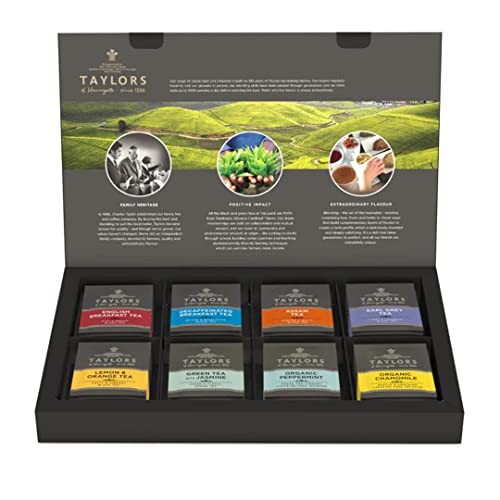
Taylors of Harrogate Assorted Tea Sampler 48ct

TEAZEN Lemon Kombucha Tea Sticks, 10 Count

TEAZEN Apple Cider Vinegar Powder Packets, 10 Count

TEAZEN Kombucha Sunset Bliss Variety Pack, 20 Packets

Encha Ceremonial Grade Matcha Powder 60g

Encha Latte Grade Matcha Powder 30g
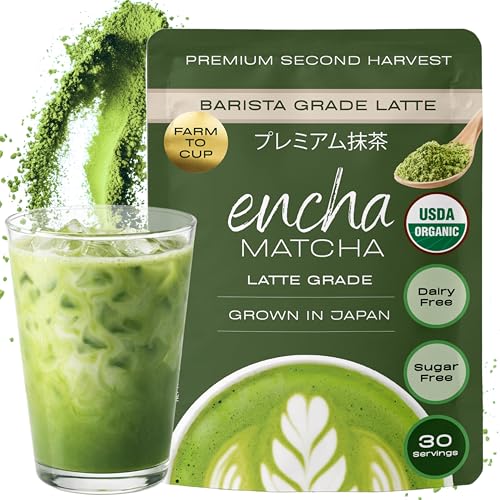
Encha Barista Grade Matcha Powder 30g
What Each Pick Brings To The Table
Osulloc has been a fixture of Korean tea since 1979, and the Wedding Green Tea pyramid bags lean on that pedigree with a sweeter, almost fruit-forward profile. The muscat note softens the green tea base, which makes this a friendly first cup for drinkers who usually find plain sencha grassy. The pyramid shape gives whole leaves room to unfurl, so the cup smells closer to loose-leaf than to a standard paper sachet.
For anyone new to Korean green tea, the format removes the usual anxiety around steeping time or leaf quantity. Drop a bag in, wait a few minutes, and the result is a clean, lightly floral infusion without bitterness. The 20-bag count works well for a couple of weeks of morning cups, and unlike the bulk sampler from Taylors of Harrogate covered later, this stays focused on a single flavor profile.
Key Advantages
- Muscat-scented profile makes the green tea approachable for drinkers who skip plain sencha.
- Pyramid mesh bags let whole leaves expand, which lifts aroma compared to flat paper sachets.
- Predictable steeping means no guesswork for office kitchens or shared homes.
- Compact 1.41 oz tin fits in small pantries and travels well in a work bag.
Worth Noting
- The muscat note is a stylistic choice, so traditionalists who want pure grassy green tea may find it sweeter than expected.
- Leaf residue can occasionally appear at the cup’s bottom since the bags are filled with broken whole leaves rather than fannings.
Who Will Love This
Beginners curious about Korean green tea, plus anyone who enjoys lightly sweet, floral cups without adding sugar or milk.
Look Elsewhere When
Drinkers who want a range of profiles in one box will get more mileage out of the Taylors of Harrogate Assorted Tea Sampler.
Tea Forte’s sampler borrows its flavor cues from a botanical garden collaboration, which translates to fruit-and-floral blends like Earl Grey, Jasmine Green, Peach Blossom, Blueberry Merlot, and Hibiscus Blossom. The handcrafted pyramid infusers are the real draw: each one is shaped to give leaves room to unfurl, similar in feel to the Osulloc pyramid bags but with a tighter, gift-box presentation. A built-in tasting guide turns the box into a small tasting flight rather than a random assortment.
Where this earns its premium framing is the gift angle. The presentation box feels closer to a confection than to a grocery tea purchase, so it works for hostess gifts, holidays, or a quiet evening when you want a small ceremony at home. Drinkers focused purely on traditional Korean profiles may find the lineup western-leaning, but the Jasmine Green bridges that gap nicely.
Strengths Worth Knowing
- Five distinct profiles cover morning black, afternoon green, and evening herbal moods in one box.
- Pyramid infusers deliver full-leaf aroma rather than the dusty character of lower-grade sachets.
- Presentation box doubles as a gift without any extra wrapping.
- Included tasting guide helps new drinkers learn what to notice in each cup.
Trade Offs
- Only 10 bags total, so the per-cup cost runs higher than bulk samplers like the 48ct Taylors box.
- Some flavor names lean more western than Korean, which may disappoint shoppers looking for a strictly regional lineup.
Key Specs
Best Suited To
Anyone shopping for a hostess gift, plus drinkers who want a guided tasting experience across several styles.
Skip It When
Traditionalists who want a specifically Korean ceremonial brew should look at the Encha Ceremonial Grade Matcha instead.
Yuja cha, the Korean citron tea built around preserved yuzu peel, ginger, and honey, is a winter ritual in many households. Unha’s version arrives as a thick 2.2 lb concentrate rather than a tea bag, so a spoonful dropped into hot water becomes a near-instant cup. The honey binds the citrus and ginger into a marmalade-like texture, and that same texture makes the jar pull double duty as a spread for toast or a topping for yogurt.
Versatility is the headline. The same jar handles cold brew drinks in summer, salad dressings, glazes for roasted pork or salmon, and even pancake toppings on a weekend morning. Caffeine-free, so the cup works for late evenings when most green teas would keep you up. Compared to the dry, single-flavor Osulloc pyramid bags, this is a more ingredient-driven, kitchen-shelf product.
Reasons It Performs
- Two-in-one format works as drink, spread, glaze, and dressing ingredient.
- Caffeine-free profile fits late-night tea rituals or family kitchens with kids.
- Large 2.2 lb jar handles months of regular use without running dry.
- Yuzu peel and honey add complexity without the need for added sugar in most recipes.
Small Caveats
- Honey base means the jar needs refrigeration after opening to prevent fermentation drift.
- Strong ginger note may dominate for drinkers who prefer gentler citrus-only profiles.
- Spooning the thick concentrate is messier than dropping a tea bag, so prep takes a few extra seconds.
The Right Fit
Home cooks and cold-weather tea drinkers who like the idea of a multi-use jar that lives next to the kettle rather than in a tea tin.
Another Choice May Suit
Minimalists who want a simple daily cup with no spooning will prefer the Osulloc Wedding Green Tea pyramids for a no-fuss morning routine.
The Taylors of Harrogate sampler is the workhorse of this list: 48 individually wrapped sachets covering a spread of black, green, and herbal styles. The British brand has built its reputation on consistent everyday blends, and the same logic applies here. The 48ct count is aimed at offices, shared kitchens, and households that want a single box to cover guests with different preferences rather than curating individual tins.
The drawback, depending on your goal, is that the lineup skews British rather than specifically Korean. Drinkers hunting for a distinctly Korean profile should look at Osulloc or the yuzu concentrate, but the sampler earns its place when you need volume and flexibility. Each bag is tagged and sealed, so the box stays fresh through weeks of casual use without a separate tin.
What Helps Most
- 48 individually wrapped sachets keep the box organized for offices and shared spaces.
- Six bags per flavor let you rotate through styles without committing to a single taste.
- Variety format helps households find their everyday favorite before buying a larger tin.
- Brand operates under Carbon Neutral, Ethical Tea Partnership, and Rainforest Alliance certifications.
Honest Caveats
- Flavor lineup leans British rather than specifically Korean, so the regional match is loose.
- Flat paper sachets produce a lighter cup than the pyramid infusers on the Osulloc or Tea Forte picks.
- Large box takes up more pantry real estate than a single-flavor tin.
Key Specs
Made For
Office pantries, host households, and anyone who wants a single box to satisfy different preferences in a shared home.
Swap It Out When
Drinkers who want an authentic Korean green tea in their cup should pivot to the Osulloc Wedding Green Tea pyramids instead.
TEAZEN built its name as Korea’s first kombucha powder tea, and the Lemon sticks keep that identity intact. Each stick dissolves into cold or room-temperature water, turning into a lightly fizzy drink with live probiotics and prebiotics. For office workers who would not otherwise bring a glass bottle of fermented tea to their desk, the powder format removes the usual barriers around kombucha.
Flavor sits at a tangy-but-not-sour middle ground, and the lemon profile reads more like a lemonade-stand finish than a vinegar bite. Sugar-free, so the cup functions as a hydration swap rather than a treat. The trade-off, much like other powdered drinks, is the texture: pour too fast and you will chase undissolved granules with the spoon.
Standout Benefits
- Powder sticks dissolve without brewing, which fits commute and desk-drinking routines.
- Sugar-free formula keeps calories low for daily hydration use.
- Live probiotics and prebiotics support a daily ritual beyond plain water.
- Single-serve sticks portion cleanly without measuring spoons.
Points To Keep In Mind
- Powder can clump if poured into water too quickly, so a quick stir is part of the routine.
- Lemon profile is one-note compared to the five-flavor Sunset Bliss variety pack.
- Each box only carries 10 sticks, which runs out fast for daily drinkers.
Right Fit For
Commuters, students, and anyone who wants a probiotic boost without brewing or refrigeration.
Reach For A Different Pick When
Households splitting one order between different palates will get more out of the TEAZEN Sunset Bliss variety pack than a single-flavor box.
The TEAZEN ACV sticks shift the focus from kombucha to apple cider vinegar, a different wellness tradition that has migrated into Korean functional drinks. Each packet delivers 1500mg of apple cider vinegar powder alongside postbiotics, and the whole stick is sugar-free at roughly 15 calories. Fermentation is built around Korean green apples, and the powder format mirrors the Lemon Kombucha sticks for easy morning use.
Where this earns its slot is the routine angle. A single stick stirred into a water bottle in the morning covers the ACV habit without the sharp liquid burn that puts some drinkers off raw vinegar. The trade-off is flavor: even with the apple and grape options, the vinegar character still reads clearly, and that taste is not for everyone. Pick this for the functional goal rather than for cozy sipping.
Practical Advantages
- 1500mg of ACV per packet gives a measurable daily dose without measuring liquid vinegar.
- Sugar-free, low-calorie formula fits cleanly into morning routines and intermittent fasting windows.
- Postbiotics are included alongside the vinegar, layering different functional ingredients.
- Single-serve packets travel in a gym bag or work tote without leaking.
Possible Compromises
- Vinegar flavor remains noticeable even in the fruit options, which can be off-putting for sensitive palates.
- Powder texture needs thorough stirring to avoid sediment at the bottom of the glass.
Whose Shelf It Belongs On
Routine-driven drinkers who want a daily ACV habit without handling liquid bottles, especially early-morning and pre-workout users.
Where A Sibling Pick Shines
Drinkers who want fizz and a more refreshing sip should turn to the TEAZEN Lemon Kombucha sticks for a lighter experience.
Sunset Bliss expands the TEAZEN kombucha idea into a five-flavor lineup: Peach, Mango-Guava, Strawberry-Kiwi, Citron, and Sicilian Pink Lemon. Twenty packets split across those profiles give a household enough room to figure out which flavor becomes the daily habit, rather than committing to a 10-stick box of one option like the Lemon pack. Citron is the flavor most directly tied to the Korean yuzu tradition, so the pack straddles both global fruit profiles and a regional nod.
The flavors are softer and fruitier than the standard Lemon stick, which makes the variety pack a more crowd-pleasing order. Sugar-free across the lineup, so the calorie math stays the same regardless of which packet you reach for. The honest read is that the variety format is the win here: if you already know you want Peach, the single-flavor boxes will serve you better than splitting the box with flavors you would not have chosen.
Positive Takeaways
- Five flavors in one pack let drinkers find a favorite before committing to single-flavor boxes.
- Citron flavor ties the variety to a recognizable Korean yuzu profile.
- Sugar-free, low-calorie formula stays consistent across all five flavors.
- Twenty packets stretch across two-plus weeks of daily use for one person.
Less Ideal Details
- Some flavor names lean generic, and the fruit character is mild compared to fresh juice.
- Powder clumps in cold water if not stirred quickly, similar to the single-flavor Lemon sticks.
Feature Snapshot
Who Should Grab It
Households sharing one order and new drinkers who want a sampler before committing to a single-flavor box.
Consider Something Else When
Drinkers who already know they love Peach or Citron will save money buying a single-flavor box instead.
Encha sources this ceremonial grade matcha from organic farms in Uji, Japan, with a first-harvest spring picking and a stone-ground finish. The 60g tin sits firmly in the traditional category: ceremonial grade means the leaf is young, vibrantly green, and best prepared with water rather than mixed into milk drinks. Compared to the Encha Latte and Barista grades covered below, this is the one you whisk in a small bowl for a focused, almost meditative cup.
For drinkers building a tea ritual, the ceremonial tin offers a more aromatic and slightly more umami-forward cup than the latte blends. The honest read is that ceremonial grade is not the right tool for sweetened iced matcha or baking, where the latte or barista grades will be more forgiving. Storage is the practical wrinkle: the tin stays fresh longer if you keep it sealed and out of direct light between uses.
Useful Highlights
- First-harvest leaf gives a brighter, more aromatic cup than later seasonal harvests.
- Stone-ground texture is fine enough to whisk smoothly in a traditional bowl.
- Direct-from-Japan sourcing and certified organic farming support a clean ingredient story.
- 60g tin handles weeks of daily use without running dry.
Trade-Offs To Consider
- Ceremonial grade is best with water only, so it is not the right pick for daily lattes.
- Once opened, the tin should be used within a few months to preserve aroma, so storage matters.
Built With In Mind
Ritual-focused drinkers who own a bamboo whisk and a small bowl, plus anyone building a slow morning practice around traditional preparation.
A Better Fit Elsewhere
Daily latte drinkers should pick the Encha Latte Grade Matcha, which is blended to stay smooth in milk.
The Latte Grade matcha keeps the same first-harvest Uji sourcing as the ceremonial tin but is blended specifically to hold up against milk. The result is a powder that stays smooth rather than turning bitter or chalky when whisked into dairy or plant-based milk, which is exactly the problem most beginners run into when they try ceremonial matcha in a latte. The 30g tin is a good size for daily home use without committing to a larger pouch.
Where this earns its slot is the routine angle: it bridges the traditional Japanese leaf with a modern drink format. Caffeinated, with the l-theanine companion compound that gives matcha its calm-focus reputation, so the morning cup reads more like a focused ritual than a jittery coffee swap. If you want a smoother sip in a milkier cup, the Barista grade below takes that idea one step further.
Benefits That Matter
- First-harvest leaf, unsweetened, and naturally smooth in milk without added sugar.
- Smaller 30g tin suits daily single-cup drinkers without overcommitting on quantity.
- Caffeine and l-theanine pairing supports a focused morning without the coffee crash pattern.
- Organic sourcing matches the ceremonial tin’s farm pedigree.
Things To Weigh Up
- Not a ceremonial-grade product, so traditionalists who drink matcha plain will prefer the 60g tin.
- Smaller tin means you may run out faster than expected for multi-cup households.
Perfect Match For
Daily latte drinkers who want a single tin that performs well in both hot and iced milk drinks.
Not Your Match When
Drinkers who want café-style foam and stronger milk masking should look at the Encha Barista Grade Matcha, which is built for that use case.
The Barista Grade is the most forgiving of the three Encha options, blended from summer and autumn harvests to stay smooth and balanced when mixed into dairy or plant-based milk. The 30g tin mirrors the Latte Grade size, but the texture is dialed in for café-style foam and milk-heavy drinks. For home baristas who steam milk or use a handheld frother, this grade keeps the green color vibrant without the chalky finish that ruins a milk drink.
Versatility is the real story. The same tin handles a morning latte, a baking batch of matcha shortbread, or a smoothie addition, and the profile holds up across all three. Newcomers who want to start with one tin rather than three will probably land here, since the powder tolerates mistakes in temperature and milk ratio better than the ceremonial leaf. The trade-off is that this is not the right tin for plain-water preparation, where the Latte or ceremonial grades will taste cleaner.
Well-Handled Touches
- Summer-and-autumn harvest blend produces a powder that stays balanced in milk without bitterness.
- Whisper-fine grind supports foam building for both espresso machines and handheld frothers.
- Versatile across lattes, baking, and smoothie recipes from the same tin.
- Beginner-friendly profile forgives slightly off temperature or milk ratios.
A Few Limitations
- Not intended for traditional water-only preparation, where the Latte or ceremonial grades taste cleaner.
- Smaller tin means heavy bakers will burn through it faster than expected.
- Organic and culinary-friendly format comes at a higher per-gram cost than a baking-only green tea powder.
Quick Facts
Who Should Grab It
Home baristas and bakers who want a single tin that handles lattes, baked goods, and smoothies without switching products.
Look Elsewhere When
Drinkers focused on a plain-water ceremonial practice should step up to the Encha Ceremonial Grade Matcha tin instead.
What Matters Most Before Choosing Korean Teas
Leaf grade sets the ceiling. Ceremonial, latte, and barista grades signal how a green tea powder is meant to be used, and picking the wrong grade for your drink style is the most common reason drinkers end up disappointed. Ceremonial is built for water-only bowls, latte grades hold up in milk, and barista grades stretch across lattes and baking.
Format changes the daily routine. Pyramid bags, single-serve sticks, tins of powder, and jars of concentrate each create a different habit. Bags and sticks travel well, powders dissolve in cold water without a kettle, and concentrates like yuzu paste become a kitchen ingredient rather than just a drink.
Caffeine and ingredient load matter for timing. Plain green teas and matcha carry caffeine and l-theanine, while yuzu, honey-ginger, and fruit-based options stay caffeine-free. Morning drinkers who want a focused cup should look at the Encha matcha tins, while evening tea rituals point toward Unha’s yuzu concentrate.
Sourcing ties to flavor consistency. Single-origin farms, first-harvest spring pickings, and certified organic operations tend to produce more predictable flavor across batches. The Encha matcha tins and Osulloc pyramid bags both lean on long-running farm relationships, which matters if you plan to reorder the same product monthly.
Key Considerations Across These Picks
Pitfalls Shoppers Hit
Picking the cheapest tin is tempting, but matcha grade quietly drives whether the cup tastes bright or bitter, and the same goes for kombucha sticks that promise flavor without delivering fizz. Read the grade line and the ingredient list before you commit, since “matcha” and “matcha latte blend” are not the same product. Another slip is buying a 48-count sampler when you actually wanted a specific flavor profile, which leaves you with bags you will not drink.
Where The Extra Money Goes
The jump from bulk samplers to ceremonial matcha and curated gift boxes is mostly about leaf grade, single-origin sourcing, and packaging. Higher-tier powders use younger first-harvest leaves, which carry more umami and color. Gift-box samplers pay for the presentation and curation, not just the leaves. The honest read is that the upgrade pays off when you drink the product daily, and matters less for occasional entertaining where volume matters more.
