

There’s a particular kind of quiet satisfaction that comes from a properly brewed pot of loose leaf black tea, the moment hot water meets whole leaves and the kitchen slowly fills with something warm and layered. Whether you’re rebuilding a morning ritual, stocking a small office kitchen, or simply tired of bags that never quite taste like the real thing, the right loose leaf makes the difference between a forgettable cup and one you remember at 3 p.m. This roundup collects eight solid options across breakfast blends, oolongs, whites, and hotel-style service, so you can match a tea to the moment rather than the other way around.
The Essentials At A Glance

Da Hong Pao Oolong Tea Loose Leaf – Authentic Wuyi Rock Oolong

Fairmont Hotels Empress Orange Pekoe (48)

Harney & Sons Classic Paris Black Tea 20 Sachets

Positively Tea Organic English Breakfast 16 oz

Positively Tea Organic Irish Breakfast 16 oz

Milk Oolong Tea Loose Leaf 1 lb

Positively Tea Organic Scottish Breakfast 16 oz
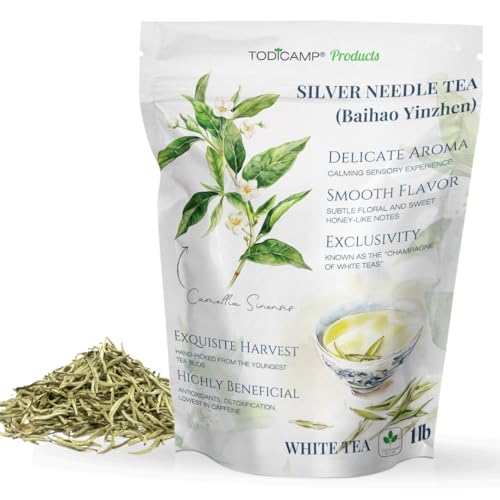
TODICAMP Premium Silver Needle White Tea 1 lb
What Each Pick Brings To The Table
Da Hong Pao, the famous “Big Red Robe” oolong, carries a depth that most everyday black teas simply cannot match. This loose leaf offering from TODICAMP draws on Wuyi Mountain traditions, where the mineral soil gives the leaves a distinctive roasted character that tea drinkers call “yan yun” or rock charm. The leaves come in a 3-ounce pack, which is plenty for daily gongfu sessions across several weeks for a single household.
Compared to the breakfast blends lower on this list, this is a slower, more contemplative cup. Brewing it requires a touch more attention, around 200°F water and short, repeated steeps, to keep the profile from sliding into bitterness. Most drinkers who take the time to dial it in find it rewards patience with caramel and stone-fruit notes that linger well after the cup is empty.
Where It Helps
- Charcoal-roasting produces deep caramelized undertones that pair well with an evening reading session
- Whole-leaf format means you can re-steep the same leaves several times, stretching a 3-ounce pack further than bagged tea
- Sourced from Wuyi, the historical home of the style, so the mineral “rock” character is genuine
- Works in a small teapot, gaiwan, or even a French press for those without traditional gear
Trade Offs
- Not a forgiving tea for casual brewing; water that’s too hot pulls out unwanted bitterness
- The 3-ounce pack feels modest if you’re used to buying 1-pound bags
- Roasted intensity may be too much if your usual routine leans toward light breakfast blends
Key Specs
Right Fit For
Curious drinkers who want to explore traditional Chinese oolong and are willing to slow their brewing routine a touch.
Swap It Out When
You’d rather reach for the Organic Positively Tea English Breakfast for a quicker, no-fuss morning mug instead.
Fairmont’s Empress Orange Pekoe is the blend you might recognize from afternoon tea service at a historic hotel, packaged for home use. The leaves are pre-portioned into two-cup sachets, sealed across two 24-packs so you can open one sleeve at a time and keep the rest fresh. It’s a smoother, lighter take on black tea, drawn from seasonal harvests across Kenya, Tanzania, South India, Assam, Sri Lanka, and China.
This is the pick to keep on the shelf when guests drop by or when you want your kitchen to feel a little more like a hotel lobby. Where TODICAMP’s Da Hong Pao asks for attention, this one brews clean and predictable in a standard pot. It’s also a sensible choice for office pantries where multiple people need a consistent cup without any fuss.
What Helps Most
- Two-cup sachets simplify portioning for a small group
- Sourced from a multi-region blend, which gives a more layered cup than single-origin options
- Packaged in two sealed sleeves, helping the second half stay fresh longer
- Branded for Fairmont, so it doubles as a small hospitality gesture when entertaining
Worth Noting
- Sachets mean you trade the multi-steep flexibility of true loose leaf
- 48 sachets adds up in cabinet space if storage is tight
- Lighter body won’t satisfy drinkers who want a heavy, malty mug
Feature Snapshot
Made For
Hosts and home entertainers who want a polite, reliable black tea that brews the same way every time.
Reach For A Different Pick When
You’d rather weigh out whole leaves and explore a single-origin style, in which case the TODICAMP Da Hong Pao is the more interesting route.
Harney & Sons designed Paris as a tribute to the elegant tea salons of France, and the result is a black tea that leans sweet and aromatic rather than bracing. The blend layers vanilla and caramel with a touch of bergamot (the citrus note that traditionally defines Earl Grey), giving each cup a softer, almost dessert-like finish. Inside the decorative tin, you’ll find 20 pyramid sachets, each one brewed to make a 12-ounce cup.
This is a tea for mid-afternoon rather than the first mug of the day. It’s the kind of cup that pairs well with a small pastry and a slower moment, and it makes a thoughtful gift in the reusable tin. Compared to the Fairmont sachet offering, Paris trades hotel-style consistency for a more curated flavor profile.
Everyday Wins
- Vanilla and caramel notes read as a “treat” cup without added sugar
- Bergamot hint adds a familiar Earl Grey character without going full citrus
- Pyramid sachets give whole-leaf space to expand, so flavor is fuller than standard paper bags
- Tin doubles as attractive kitchen storage and protects the remaining sachets from moisture
Honest Caveats
- Sweet flavor profile won’t appeal if you prefer plain, brisk breakfast tea
- 20 sachets is a smaller count than the Fairmont 48, so frequent drinkers run out faster
- Aroma can fade once the tin is opened, so sealing it promptly matters
Quick Facts
Best Suited To
Drinkers who want a sweet, fragrant cup to pair with a quiet afternoon break or a light dessert.
Look Elsewhere When
You need a sturdier, malty breakfast mug, in which case the Positively Tea Organic English Breakfast will suit better.
The Organic English Breakfast from Positively Tea is the kind of bag-in-a-tin that quietly anchors a household routine. A 16-ounce pouch of loose leaf gives you roughly 80 to 100 cups depending on how strong you like your brew, and the USDA Organic, non-GMO label reassures anyone keeping an eye on sourcing. The flavor lands squarely in classic English Breakfast territory: brisk enough to wake you up, smooth enough to take milk and a spoonful of honey.
Where the Harney & Sons Paris blend tilts sweet and aromatic, this one stays neutral and adaptable. It’s the cup that works with a rushed weekday morning just as well as it does with a lazy weekend breakfast, and most kitchens will find a 16-ounce bag lasts comfortably across a month or two of regular use.
Benefits That Matter
- 1-pound bulk format offers noticeably better per-cup value than sachets
- Organic certification helps shoppers who prioritize clean sourcing
- Flavor profile pairs cleanly with milk, sugar, or a splash of plant-based creamer
- Loose leaf cuts down on the paper-bag waste of standard breakfast tea
Room For Improvement
- Plain character can feel one-note next to more aromatic blends like Paris
- Loose leaf requires an infuser or strainer, an extra step for bag-only households
- Briskness can read as bitter if steeped too long or with water that’s too hot
Who It Suits Best
Everyday drinkers who want a dependable, organic morning cup and aren’t chasing novelty on the flavor front.
Consider Something Else When
You prefer your black tea to lean malty and bold, in which case the Positively Tea Organic Irish Breakfast is the natural step up.
Irish Breakfast is the heavier cousin of the English Breakfast, and Positively Tea’s take leans into that strength without tipping into harshness. The blend is built for the milk-and-sugar crowd, robust enough to hold its own against a splash of cream and a thick slice of buttered toast. You get the same 16-ounce pouch, organic and non-GMO, that defines the rest of the Positively Tea line, so once you’ve found a brand you trust, the swap is easy.
For drinkers who find English Breakfast just a touch too polite, this is the cup that finally feels like a proper morning wake-up. It also works as a base for chai-inspired drinks if you simmer the leaves with cinnamon, ginger, and a bit of honey on the stove.
Practical Pluses
- Strong, malty body stands up to milk and sugar without disappearing
- Organic certification matches the rest of the Positively Tea lineup
- Generous 1-pound bag keeps the per-cup cost low for daily drinkers
- Doubles as a base for homemade chai or spiced tea blends
Some Limits To Know
- Boldness can feel heavy on a warm afternoon or before bed
- Same infuser requirement as the English Breakfast, no shortcut for bag-only drinkers
- Less nuanced than single-origin or aromatic options like Paris or Da Hong Pao
At A Glance
Whose Shelf It Belongs On
Strong-tea drinkers who want a hearty breakfast cup that holds up to milk and a busy morning routine.
Not Your Match When
You want a lighter, more aromatic experience, where the Harney & Sons Paris blend fits the mood better.
Milk Oolong, sometimes called Jin Xuan, is the oolong that surprises people who think loose leaf tea means bitter. This 1-pound tin from TODICAMP delivers that signature creamy aroma without any added dairy, thanks to the way the leaves are processed after picking. The result is a smooth, almost buttery cup that drinks well in the late afternoon when coffee would feel like too much.
Stacked next to the brand’s Da Hong Pao, this pick trades roasted intensity for gentle, milky sweetness. It’s the easier sell for someone new to oolong, and the bulk 1-pound format makes it practical for a household that drinks a few cups a week. For most kitchens, a small scoop in a strainer and water just off the boil is all it needs.
Why It Works Well
- Creamy, natural aroma delivers a “milk tea” feel without any added dairy
- 1-pound tin format stretches across months for moderate drinkers
- Makes a smooth, low-caffeine alternative to a second coffee
- Whole loose leaves allow multiple short steeps for a longer session
Where It May Fall Short
- Flavor can read as too soft if you’re used to bracing English Breakfast
- Bulk 1-pound size requires airtight storage to keep the aroma intact
- Heavily processed character may not appeal to purists who favor greener oolongs
Perfect Match For
Drinkers who want a gentle, aromatic afternoon cup and are curious about oolong without the roasted intensity of a Da Hong Pao.
A Better Fit Elsewhere
You prefer bold, traditional breakfast tea, in which case the Positively Tea Organic Irish Breakfast is the right call.
Scottish Breakfast rounds out the trio of morning blends from Positively Tea, sitting somewhere between the English and Irish variants in terms of strength. It carries a full, malty body with a touch more briskness, designed historically to stand up to the soft Scottish water and a generous pour of milk. The 16-ounce organic, non-GMO pouch keeps the format consistent with the rest of the brand.
This is the cup for drinkers who bounce between English and Irish but want something in the middle. It also works as a small upgrade for anyone finding English Breakfast too mild but Irish Breakfast a step too far. Compared to the more aromatic options above, it’s a no-surprise mug that puts comfort first.
Where It Excels
- Mid-weight body bridges the gap between English and Irish Breakfast styles
- Organic, non-GMO sourcing matches the rest of the Positively Tea line
- 16-ounce bulk format offers good value for regular morning drinkers
- Malty backbone pairs well with milk, brown sugar, or a touch of honey
Soft Spots
- Less distinctive than the more aromatic picks like Paris or Milk Oolong
- Briskness can turn sharp if brewed with water that’s too hot
- Loose leaf format still requires an infuser for easy cleanup
Who Should Grab It
Drinkers who want a substantial morning cup with malty character and prefer a middle weight between English and Irish Breakfast.
Where Another Pick Suits Better
You want something more aromatic and dessert-like, in which case Harney & Sons Paris is the sweeter detour.
Silver Needle is the most delicate tea in this entire roundup, technically a white tea rather than a black one, but it earns its place for anyone who wants a lighter option to alternate with stronger morning cups. The 1-pound tin from TODICAMP features the downy, pale buds that give the style its name, brewed in cooler water to coax out a soft, slightly sweet infusion with very little caffeine.
For drinkers who find even English Breakfast too much in the evening, Silver Needle offers a quiet, low-key cup that won’t keep you up. It’s also a thoughtful choice for guests who prefer something gentler than black tea. Compared to the brand’s Milk Oolong, it’s lighter still, more of a slow-sipping tea than a flavorful statement.
What Works In Its Favor
- Low caffeine makes it suitable for late afternoon or evening drinking
- Delicate sweetness reads as “barely there,” a calm alternative to stronger black tea
- 1-pound tin offers a long-lasting supply for occasional sipping
- Whole buds expand beautifully in a glass teapot, making for a visual brew
Possible Compromises
- Flavor can feel thin to anyone expecting the body of a black tea
- Delicate leaves are sensitive to water temperature; boiling water ruins them
- White teas tend to cost more per ounce, even in a 1-pound format
Feature Overview
Built With In Mind
Drinkers who want a low-caffeine evening cup or a gentle alternative to their usual morning black tea.
Skip It When
You want a bold, full-bodied breakfast mug, where the Positively Tea Organic Scottish Breakfast does the job more reliably.
What Matters When Choosing Loose Leaf Black Teas
Loose leaf black tea is a wide category, and the right pick depends on the cup you want at the end of the day, not just what’s on the shelf. A few details tend to matter more than the rest, and they’re worth thinking through before settling on a single tin.
Style And Origin
Black tea spans a huge range, from brisk Ceylon and Assam to roasted Wuyi oolongs and softer Chinese reds. Breakfast blends (English, Irish, Scottish) aim for a sturdy body that takes milk, while oolongs and whites offer more aromatic, layered cups. Choosing the right style means deciding whether you want a wake-up mug or a slow-sipping one. If you drink tea mostly in the morning, a breakfast blend will likely get the most use.
Leaf Grade And Format
Loose leaf comes in several cuts: whole leaf, broken leaf, and fannings. Whole leaf expands fully in the pot and gives a cleaner, more nuanced cup, while broken grades brew faster and stronger. Pyramid sachets, like the Harney & Sons Paris or Fairmont Empress, offer a middle ground, full-leaf space with the convenience of a pre-measured portion. For a basic infuser and pot, whole or large-cut loose leaf is the easiest fit.
Caffeine, Sourcing, And Storage
Standard black tea runs roughly 40 to 70 mg of caffeine per cup, which is enough to matter for sensitive drinkers. Sourcing labels like USDA Organic or non-GMO, featured across the Positively Tea line, help shoppers who care about clean inputs. Airtight storage matters just as much; a sealed tin, like the ones TODICAMP and Harney & Sons use, will keep leaves fresher far longer than an open pouch on the counter.
Smart Habits When Buying Loose Leaf Black Teas
Common Shopping Slip Ups
The easiest mistake is buying a beautiful single-origin tea and then brewing it with boiling water, which scorches the leaves and leaves a bitter cup behind. A second common trap is stocking a 1-pound bag of breakfast blend when the household actually drinks a few cups a week, leaving the bottom half of the bag stale by month three. Smaller bags or a sealed tin generally stay fresher.
Where The Extra Money Goes
Premium loose leaf tends to cost more for a reason: whole, unbroken leaves, careful sourcing, and small-batch blending all add up. With options like the Harney & Sons Paris, you’re paying for a curated flavor profile and reusable packaging, not just tea. For most daily drinkers, the upgrade pays off when it means a cup you actually look forward to, rather than a generic mug you reach for out of habit.
Frequently Asked Questions
How much loose leaf black tea should I use per cup?
A general starting point is roughly one teaspoon of medium-cut leaves per 8-ounce cup, adjusted up for broken grades and down for large whole-leaf styles. Adjust to taste after a few brews.
Can I reuse loose leaf black tea leaves?
Most black teas and oolongs can be re-steeped at least two or three times if the leaves are whole and the first steep wasn’t too long. The second and third cups will taste lighter, which many drinkers enjoy as a slow afternoon session.
What’s the ideal water temperature for black tea?
Most black teas brew well just off the boil, around 200 to 212°F, while oolongs and white teas prefer cooler water closer to 175 to 195°F. Boiling water straight on the leaves is the fastest way to bitter a delicate cup.
Do I need a special teapot to brew loose leaf?
A basic infuser basket or ball inside any pot works for most of the picks in this roundup. A French press is a convenient stand-in, and a small gaiwan or glass teapot is worth the upgrade if you plan to drink oolongs regularly.
How should I store loose leaf tea to keep it fresh?
Keep leaves in an airtight container, away from light, heat, and moisture. The original tin, like the ones TODICAMP and Harney & Sons use, is usually a good choice, and most teas stay at their best for six to twelve months once opened.
Wrap Up
The right loose leaf black tea is the one that fits the moment, a sturdy breakfast blend on a rushed morning, a slow oolong in the afternoon, a delicate white tea as the evening winds down. Across this roundup, you have reliable breakfast workhorses, aromatic dessert-style cups, and traditional Chinese options, all from brands that take sourcing seriously. Pick the one that matches your day, and the cup you brew tomorrow will feel a little more intentional.
