

Masala chai sits in a different lane than your everyday breakfast black tea. It’s spiced, milky, and steeped in ritual, whether you’re boiling a stovetop pot of ginger-cardamom brew or steeping a single sachet on a rushed morning. The challenge isn’t finding chai. It’s finding one that matches your tolerance for spice, your time budget, and whether you want loose-leaf depth or instant convenience. The picks below span powdered concentrates, whole-leaf sachets, and classic tea bags, so you can match format to routine without sacrificing the warming, aromatic cup you’re after.
A Quick View Of The Lineup

Wagh Bakri Masala Tea Bags 100 Ct (Pack of 3)

Tea India Masala Chai Tea 4 Pack of 40 Bags

TAZO Organic Chai Latte Concentrate 32 oz 2-Pack

Stash Tea Chai Green Tea 20 ct 2 pk
Celestial Seasonings India Spice Chai K-Cups 96 ct

Girnar Instant Chai Premix Cardamom 10 Sachets

Blue Lotus Chai Golden Masala Powder 3 oz

Blue Lotus Chai Rooibos Masala Powder 2 oz

Blue Lotus Chai Traditional Masala Powder 3 oz
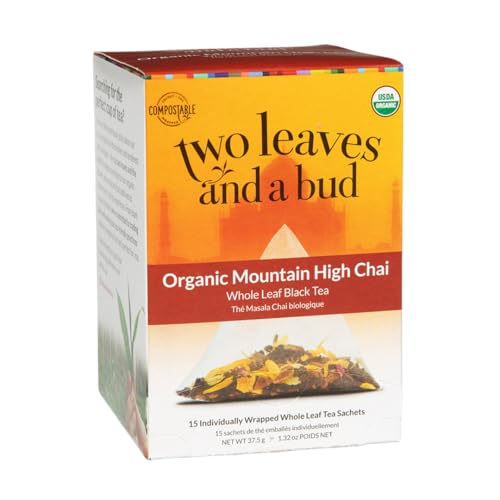
Two Leaves and a Bud Mountain High Chai 15 ct
Meet The Standout Selections
Wagh Bakri’s three-pack ships 300 tea bags total, which makes it a sensible anchor for households where one person alone chews through a couple of cups a day. The format is straightforward: standard paper tea bags you drop in a mug, pour hot water over, and add milk and sugar the way you’d build any Indian-style chai.
For anyone running an office pantry or stocking a shared breakroom, the bulk count keeps the chai well-stocked without constant reordering. If you’ve tried Wagh Bakri loose-leaf before and want the same flavor in a more forgiving format, the bags will feel familiar.
Positive Takeaways
- 300-bag total count spreads cost per cup well below single-box options
- Familiar Wagh Bakri flavor profile, easy swap for loose-leaf drinkers
- Bag format steeps fast, so morning routines stay quick
- Works in standard mugs without extra equipment
Things To Consider
- Bulk carton needs dry storage space once opened
- Bag format sacrifices the aromatic depth whole-leaf steeping delivers
Whose Shelf It Belongs On
Daily chai drinkers and shared-space pantries where the bag count gets used quickly.
Skip It When
You’d rather brew a single ceremonial cup, in which case Two Leaves and a Bud’s whole-leaf sachets deliver more dimension.
Tea India’s cardamom-led blend leans into the warmer, more aromatic end of the masala spectrum, layering cinnamon and anise beneath a robust black tea base. Four boxes of 40 bags means 160 total servings, a quantity that suits small offices and chai households running multiple cups a day.
Unlike the simpler Wagh Bakri bag format, this blend is engineered to mimic stovetop chai with a stronger spice pull. You can build it the quick way with hot water and milk, or simmer it longer for a deeper, more developed cup. Most office drinkers will find the steeping time forgiving enough to skip the long simmer.
A Few Strong Suits
- Cardamom-cinnamon-anise layering gives an authentic Indian-street-chai character
- Multi-box pack keeps the pantry stocked for months
- Holds up well to milk and sweetener without losing the spice profile
- 40-bag boxes are easier to store and rotate than oversized bulk packs
Worth Noting
- Stronger spice profile can overpower drinkers used to mild black tea
- Paper bag format won’t match the depth of simmered chai powder
Feature Snapshot
Made For
Drinkers who want a bolder, more authentic spice profile than mainstream grocery chai offers.
Look Elsewhere When
You’re cutting caffeine for the evening, where Blue Lotus Chai’s rooibos blend is the better match.
TAZO’s concentrate skips the steeping step entirely. You shake the carton, pour equal parts over milk (dairy or plant-based), and you have a chai latte in under a minute. The 32-ounce carton size, sold as a 2-pack, gives roughly 16 servings per carton depending on how generous you pour.
Where Wagh Bakri and Tea India ask for a kettle and a spoon, TAZO trades brewing ritual for speed. It’s the format for mornings where brewing time doesn’t exist, and the organic, non-GMO certification is the kind of detail that resonates with shoppers reading labels. A chai concentrate is a fundamentally different product, so it doesn’t compete directly with the bagged teas on the same axis.
Where It Delivers
- Equal-pour mix cuts prep down to under a minute
- USDA organic and non-GMO labels suit label-reading shoppers
- Works hot or iced, so seasonal drinking stays simple
- Blends easily with oat, almond, or dairy milk alternatives
Trade Offs
- Pre-sweetened concentrate limits control over sugar levels
- Once opened, the carton needs refrigeration and a use-up window
- Concentrate flavor is milder than steeped bag or powder chai
Feature Card
Best Suited To
Busy households and home baristas who want a café-style chai latte without the syrup bottles or espresso machine.
Swap It Out When
You want full brewing control over the spice and sugar, in which case Blue Lotus Chai’s traditional powder is the better fit.
Stash puts a green tea base under the chai spice profile, which lands it in a different category than the all-black-tea options. The result is a lighter cup, less tannic, and a friendlier afternoon pick when a heavy black-tea chai feels like overkill.
For drinkers who like the spice notes but not the caffeine wallop, this is the compromise pick. Steeping time stays short, and the 40-bag count across two boxes is enough to decide whether the green base is your thing before committing to a larger stash.
Well-Handled Touches
- Green tea base eases tannin and caffeine intensity
- Standard tea bag format fits any mug or teapot
- Two-box pack is a sensible trial size for new drinkers
- Plays nicely with milk without curdling or bitterness
Honest Caveats
- Won’t satisfy drinkers wanting the full-bodied black tea chai punch
- Spice profile is milder than Indian-style masala standards
Right Fit For
Late-morning and mid-afternoon drinkers who want chai flavor without the heavy caffeine lift.
Reach For A Different Pick When
You want a stronger, more traditional masala cup, where Tea India or Blue Lotus Chai’s traditional powder will hit harder.
Celestial Seasonings solves the Keurig question for chai drinkers. The 96-count carton gives an office or a multi-drinker household enough single-serve pods to outlast a long winter without reordering. Drop the pod in, brew, and add milk to taste.
The flavor is approachable rather than bold, leaning into a smoother spice blend that won’t intimidate coworkers who don’t usually drink chai. If your household runs on single-serve coffee machines anyway, the pods slot into the routine without a separate kettle or steeping cup.
A Few Highlights
- Single-serve pods fit any Keurig brewer for true one-touch chai
- 96-count carton is built for offices and busy households
- Milder spice profile suits a wide range of drinkers
- No cleanup beyond tossing the spent pod
Points To Keep In Mind
- Brewed K-Cup chai is lighter than steeped or simmered chai
- Requires a Keurig brewer to use at all
Spec Overview
Who Should Grab It
Offices, breakrooms, and Keurig households where single-serve convenience beats full brewing setups.
Where Another Pick Suits Better
Drinkers chasing bold traditional spice should reach for Tea India Masala Chai Tea bags instead.
Girnar’s premix sachets are designed for situations where brewing equipment simply isn’t available. Tear open a sachet, add 6 to 7 ounces of hot water, stir, and you have a single serving of cardamom-spiced chai in a hotel room, a dorm, or a long-haul flight.
The all-natural ingredient list and absence of preservatives speak to label-conscious travelers. It’s a 10-sachet pack, not a long-term pantry solution, more of a portable backup than a daily staple. If your routine involves a kitchen, the larger bagged and powdered options will serve you better.
Real Benefits
- Single-serve sachets need nothing but hot water and a cup
- Cardamom-forward flavor stays true to traditional Indian chai
- All-natural ingredients, no preservatives or additives
- Pocketable pack size suits luggage, backpacks, and desk drawers
Practical Considerations
- Only 10 sachets per pack, not a daily-driver supply
- Premix is pre-sweetened, so sugar control is limited
Feature Snapshot
Built With In Mind
Travelers, hotel stayers, and dorm residents who want chai without carrying a kettle or tea bags.
Not Your Match When
You’re stocking a home pantry for daily brews, where Wagh Bakri’s 300-bag pack is the better value.
Blue Lotus’s Golden Masala swaps the black tea base for a brighter, turmeric-forward blend that gives the drink its warm yellow hue. The 3-ounce tin yields roughly 100 cups at a quarter teaspoon per serving, and the powder dissolves directly into hot water and milk with no steeping or simmering required.
Compared to the traditional masala powder, this one leans into the wellness side of the spice cabinet. Drinkers who like the flavor of golden milk will recognize the turmeric and cinnamon layering. There’s no added sugar, no milk powder, and no fillers, so sweetness stays entirely up to you.
Where It Excels
- Turmeric-cinnamon profile suits golden-milk fans and wellness-minded drinkers
- 100-cup yield from a small 3-ounce tin stretches storage space
- No added sugar, milk powder, or fillers means full sweetness control
- Powder dissolves cleanly into hot water and milk
Points To Note
- Lacks the black tea caffeine lift of traditional masala blends
- Turmeric color can stain mugs and spoons if not rinsed promptly
Perfect Match For
Wellness-oriented drinkers who already enjoy golden milk and want a chai-style cup without black tea.
Where Another Pick Suits Better
Drinkers who want classic black tea caffeine will be happier with Blue Lotus Chai’s Traditional Masala powder instead.
The rooibos version takes the same instant-powder approach but skips the black tea altogether. Rooibos is a South African herb with a naturally sweet, slightly earthy flavor and zero caffeine, so this cup lands in the evening-drinking zone where a 4 p.m. black tea would keep you up.
The 2-ounce tin yields about 65 cups, a smaller count than the other Blue Lotus tins, but the trade-off is a naturally caffeine-free drink that won’t clash with late dinners. If you’re pregnant, caffeine-sensitive, or just winding down, this delivers the masala ritual without the stimulant.
Features That Help
- Caffeine-free rooibos base suits evenings and sensitive drinkers
- Same instant powder format, no steeping or simmering
- Organic spices, no added sugar or milk powder
- Rooibos brings a natural light sweetness that cuts added sugar needs
A Few Limitations
- Lacks the morning caffeine lift black tea drinkers expect
- Rooibos flavor is a noticeable shift from classic chai
Quick Facts
Who Will Love This
Evening chai drinkers, pregnant shoppers, and anyone avoiding caffeine who still wants the warming spice ritual.
Another Choice May Suit
Drinkers who need the morning caffeine will find Blue Lotus Chai’s Traditional Masala a stronger fit.
Blue Lotus’s traditional blend is the most standard masala profile in the powder format. Black tea, organic spices, no added sugar or milk powder, and a 3-ounce tin that delivers around 100 cups. The included bamboo scoop lets you dial the strength up or down per cup, a flexibility bagged teas don’t offer.
The clean ingredient list (just powdered spices and tea) means the drink dissolves completely without grittiness. The 2019 Sofi recognition in the tea category gives the brand a credibility anchor for traditionalists who research before they buy. For most people, this is the closest you’ll get to fresh-ground chai without grinding spices yourself.
Noteworthy Benefits
- 100-cup yield per 3 oz tin, small footprint for the serving count
- Organic spice blend, no added sugar or milk powder
- Bamboo scoop included for adjustable strength per cup
- Powder dissolves fully, no gritty sediment at the bottom
Possible Compromises
- Requires a tin or jar for long-term storage once opened
- Stronger hands-on prep than steeping a bag
Right Fit For
Traditionalists who want to control the milk, sugar, and spice ratio cup by cup without brewing shortcuts.
Where It Is Less Suited
You need a single-serve fix on the road, where Girnar’s sachets travel better.
Two Leaves and a Bud takes a slower, more deliberate approach. The whole-leaf black tea base pairs with cinnamon, ginger, and cloves, all wrapped in pyramid-shaped sachets that give the leaves room to unfurl during steeping. The 15-count pack is small by chai standards, more of a sampler than a pantry stock-up.
Where most bagged chais pack dust-grade tea into flat paper, the pyramid format here gives you the full-leaf experience without a tea infuser. The payoff shows up in a cleaner, less bitter cup, though it takes a longer steep and a little more attention than a standard bag.
Practical Advantages
- Whole-leaf black tea base delivers a less bitter, more aromatic cup
- Pyramid sachets give leaves room to expand during steeping
- Whole spices like cinnamon, ginger, and cloves add depth
- Single-serve format skips measuring loose tea
Factors To Consider
- Smaller 15-count pack costs more per cup than bulk options
- Whole-leaf brewing rewards a longer steep than quick tea-bag drinkers expect
Built With In Mind
Slow-brewing weekend drinkers who want whole-leaf depth without setting up an infuser or teapot ritual.
Swap It Out When
You’re drinking multiple cups a day and want better per-cup value, where Wagh Bakri’s bulk pack fits the routine better.
What To Weigh Before Choosing Your Masala Chai
The format question matters more than the brand. Bagged teas like Wagh Bakri and Tea India are the easiest entry point and the most forgiving on busy mornings, though they cap the depth of flavor you can pull. Powdered concentrates like Blue Lotus Chai give you instant prep and full control over sweetness, but they require a tin, a spoon, and a willingness to dial in your own strength.
Liquid concentrates like TAZO skip both steeping and measuring but lock in the sugar and spice level for you. K-Cups and sachets like Celestial Seasonings and Girnar serve the on-the-go crowd who value single-serve convenience over brewing craft. None of these is wrong, but they answer different routines, so honest fit matters more than the loudest marketing claim.
Brewing time matters too. Bagged options steep in three to five minutes. Powdered chai dissolves in seconds. Concentrates need only a pour. K-Cups depend on your brewer’s cycle. If your morning clock is tight, that difference alone can swing the decision.
The spice profile is the personal preference variable. Cardamom-forward blends (Tea India, Girnar) taste different from turmeric-forward golden masala (Blue Lotus Golden) and different again from the classic warming-spice mix (Blue Lotus Traditional). Sampling smaller packs first helps you avoid committing to a 300-bag bulk order that turns out to be wrong for your palate.
Things To Weigh Up Before You Commit
Common Shopping Slip Ups
Most chai shoppers reach for the largest pack first, chasing cost per cup. That only works if you actually drink chai every day. Buying a 300-bag carton of Wagh Bakri only to discover the spice profile is too bold for your taste leaves you with a months-long supply of something you’ll avoid. Smaller 15 to 40-count packs let you sample before committing.
Another trap is confusing chai latte concentrate with brewed chai. TAZO’s concentrate makes a fast latte, but it’s not interchangeable with steeped masala bags in a teapot. Match the format to how you actually plan to drink, not to the lowest sticker.
What The Higher Tier Buys
Stepping up to a whole-leaf pyramid sachet (like Two Leaves and a Bud) or a clean-ingredient powder (like Blue Lotus Traditional) buys two things: more flavor depth per cup, and more control over what goes in your mug. The price per serving is higher, but the per-cup experience is closer to a freshly ground spice blend, with no dust or bitterness at the bottom of the cup.
For most drinkers, the upgrade is worth it once chai becomes a daily ritual rather than a curiosity. If you’re only an occasional sipper, the bulk bagged options deliver enough satisfaction to justify the lower spend.
Frequently Asked Questions
What’s the difference between masala chai and chai tea?
Masala chai is a spiced tea drink built on black tea, milk, sugar, and a blend of warming spices like cardamom, cinnamon, ginger, and cloves. “Chai tea” is a redundant English phrase, since “chai” already means tea in Hindi.
On retailer shelves, though, “chai tea” is often used to label bagged spiced black teas without milk, while “masala chai” more often signals an authentic Indian-style blend.
How long does a tin of chai powder last once opened?
A sealed tin of Blue Lotus Chai stays fresh for well over a year, but once opened, exposure to air, moisture, and light gradually dulls the spice aromatics. Most drinkers use a 3-ounce tin within three to four months without noticeable flavor loss.
Storing the tin in a cool, dry cabinet away from the stove and sealing the lid tightly after each use helps preserve the spice punch.
Can you make masala chai without milk?
Yes. Water-only brewing works fine, especially with the rooibos-based Blue Lotus Chai or the green tea-based Stash Chai, both of which taste balanced without dairy.
For traditional black-tea masala, oat and almond milk both substitute cleanly, and the spice profile tends to come through more clearly than with whole dairy.
Is chai concentrate the same as chai powder?
No. Concentrate (like TAZO) is a pre-brewed liquid that you dilute with milk. Powder (like Blue Lotus) is dehydrated tea and spices that you dissolve into hot water and milk yourself.
Powder gives you more control over strength and sweetness, while concentrate trades that control for raw speed.
Which masala chai is best for beginners?
Most newcomers do well starting with a milder, milk-friendly blend like Stash Chai Green or Celestial Seasonings India Spice, both of which ease into the spice profile without overpowering.
From there, the bolder cardamom-leaning blends (Tea India) and the customizable powder formats (Blue Lotus Traditional) reward drinkers who want to dial in their own cup.
Closing Remarks
Masala chai is one of those categories where the right pick depends less on which product is technically best and more on which one matches the way you actually brew and drink. A bulk bagged option is unbeatable for daily drinkers, a powder format rewards those who want to fine-tune strength and sweetness, and a concentrate is hard to beat when speed is the point. Start with the format that fits your routine, narrow from there by spice profile, and the rest of the decision tends to make itself.
