

Walking into the matcha aisle for the first time can feel like stepping into a wine shop where every label speaks Japanese. Beginners usually want something smooth, forgiving, and aromatic without the grassy bite that turns so many newcomers off green tea entirely. The picks below lean into approachable flavor, clear sourcing, and formats that fit real mornings rather than ceremonial rituals.
The Choices Worth Comparing

SOKYO Ceremonial Matcha Series (Shizuoka)

KAZAEMON Kagoshima Ceremonial Matcha 30g

Akira Matcha Sticks Organic Ceremonial 25-Pack

Aiya Sweetened Matcha To-Go Sticks 8-Count

DoMatcha Summer Harvest Matcha 2.82oz Tin

Jade Leaf Organic Culinary Matcha 100g
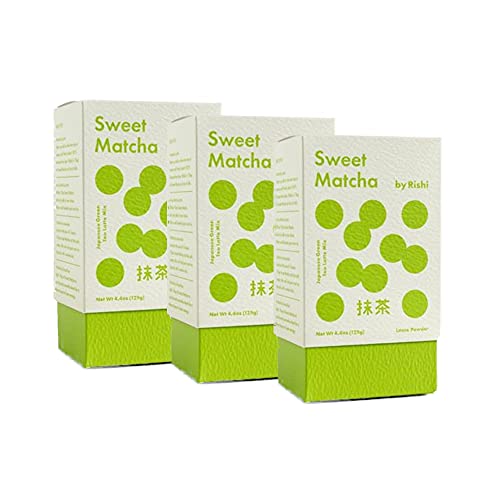
Rishi Sweet Matcha 4.4oz 3-Pack

Encha Ceremonial Grade Organic Matcha 60g

Encha Latte Grade Organic Matcha 30g
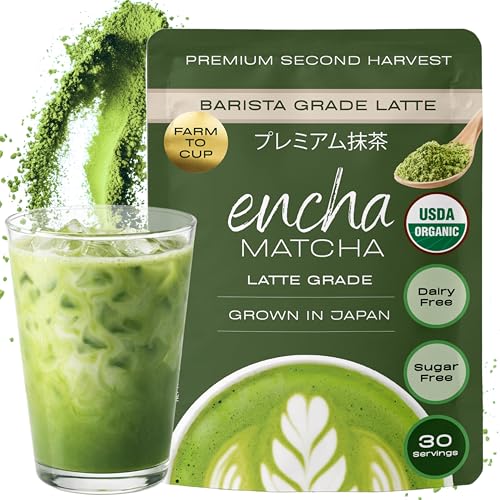
Encha Barista Grade Matcha 30g
Meet The Standout Selections
Shade-grown leaves from Mie and Shizuoka prefecture give this SOKYO tin a noticeably rounded, almost savory sweetness that newcomers often find less aggressive than supermarket greens. The aroma carries a toasted, floral edge thanks to brick-furnace steaming, a step that traditional processors still favor over modern conveyor methods.
For someone curious about traditional usucha, the powder whisked into hot water at roughly 80°C produces a clean, broth-like cup without the chalky finish cheaper matchas tend to leave. Where it differs from the KAZAEMON entry below is depth: SOKYO leans more umami-forward, while KAZAEMON plays the smoother, milder card.
Positive Takeaways
- Stone-ground texture dissolves quickly with a bamboo whisk
- Shaded cultivation delivers natural sweetness without sugar
- Distinctive roasted-floral aroma sets it apart from grassy blends
- Works equally well in water or in a lightly sweetened latte
Things To Consider
- Premium tier pricing puts it above everyday daily-drinker tins
- Once opened, the tin benefits from refrigeration to protect the aroma
Key Specs
Whose Shelf It Belongs On
Anyone ready to learn the bamboo-whisk ritual and explore traditional Japanese flavor without diving into the most expensive imports.
Where Another Pick Suits Better
Shoppers wanting a softer, lower-bitterness first cup should look at KAZAEMON’s Kagoshima ceremonial instead.
Kagoshima’s volcanic soil and warm climate give this KAZAEMON tin a soft, almost buttery green character that many first-timers find immediately drinkable. Tencha (the leaf base for matcha) thrives in southern Japan, and the cultivar mix here is engineered for a balanced, low-astringency cup.
You get a vibrant color, easy whisking, and a finish that won’t punish you for slightly overheating the water. Compared to SOKYO’s aromatic umami punch, KAZAEMON is the gentler handshake: less theatrical, more weekday-friendly.
Reasons It Performs
- Smooth, mild profile suits new palates
- Low bitterness forgives first-timer whisking errors
- Vibrant natural color signals fresh, well-stored leaf
- Clean label with no added sugar or flavorings
Worth Noting
- Lighter body may feel thin to those expecting strong umami
- Smaller 30g tin runs out quickly with daily latte use
Made For
First-time ceremonial drinkers who want the most forgiving flavor profile before exploring deeper, more intense matchas.
Consider Something Else When
Daily latte lovers who go through matcha fast will get more value from DoMatcha’s larger 2.82oz tin.
Twenty-five individually sealed 1.5g sticks solve the single biggest beginner headache: how much to scoop. Akira Matcha leans on first-harvest Japanese leaves, shade-grown for at least three weeks before grinding, then sealed right before shipment to preserve color and aroma.
You simply tear, pour, whisk. Office kitchens, hotel-room mornings, and gym-bag routines all benefit from a stick that doesn’t demand a tin, a scale, or a funnel. The trade-off, of course, is cost per gram compared to bulk options like Jade Leaf’s 100g pouch.
Everyday Wins
- Pre-portioned sticks remove measuring guesswork
- Single-serve packaging keeps each cup equally fresh
- Organic leaf with no added sugar or fillers
- First-harvest designation hints at richer amino-acid content
Points To Note
- Per-serving cost runs higher than loose-leaf alternatives
- Sticks generate more packaging waste than a single tin
Quick Facts
Who It Suits Best
Commuters, frequent travelers, and anyone who needs a consistent single cup without hauling a tin and a scoop.
Look Elsewhere When
You brew multiple cups a day and would rather buy once in bulk; Jade Leaf’s culinary pouch fills that need.
Aiya has been a Kyoto tea house since 1888, and these single-serve sticks carry that heritage in a format built for grab-and-go mornings. The matcha comes pre-blended with sweetener, removing one more variable from the learning curve.
The eight-stick pack fits neatly in a tote, and because each stick is sealed, you avoid the moisture and air exposure that quickly degrades loose matcha. Where Akira Matcha stays unsweetened, Aiya’s whole pitch is “the cup tastes finished already.”
A Few Highlights
- Pre-sweetened formula mimics a café-style latte instantly
- Ceremonial-grade leaf with vegan, gluten-free, non-GMO profile
- Single-serve format ideal for travel, work, and gym routines
- Trusted Japanese producer with over a century of tea heritage
Less Ideal Details
- Added sugar won’t suit anyone cutting sweeteners
- Eight sticks run out quickly with daily use
Best Suited To
Beginners who want a café-style matcha experience without buying a frother, syrup, and a tin of separate sweetener.
Skip It When
You prefer full control over sweetness; Akira Matcha’s unsweetened sticks and a small jar of honey work better.
DoMatcha’s summer-harvest tin trades some of the buttery softness of a spring first-flush for a more robust, slightly astringent cup. The bigger trade is quantity: roughly 75 servings in a single resealable tin, which makes daily latte habits financially painless.
The Kosher certification and longer shelf stability help if your kitchen runs warm. Compared to Jade Leaf’s 100g culinary pouch below, DoMatcha is more about drinking, less about baking.
What Works In Its Favor
- Large 75-serving tin stretches further than most ceremonial tins
- Robust flavor profile holds up in lattes and smoothies
- Kosher certification broadens dietary fit
- Resealable container protects against moisture and air
Some Limits To Know
- Summer harvest brings more astringency than spring-picked ceremonial
- Not labeled organic, which matters to some shoppers
Feature Snapshot
Who Will Love This
Daily latte drinkers and smoothie fans who want a generous tin of matcha at a manageable cost per serving.
Reach For A Different Pick When
You mainly bake with matcha; Jade Leaf’s 100g culinary pouch offers similar value with a recipe-friendly profile.
Culinary-grade matcha exists for a reason: it’s designed to flavor, not stand alone. Jade Leaf’s 100g pouch gives you roughly 225 lattes’ worth of powder at a price per serving that makes experimentation painless.
Expect a stronger, more vegetal profile than ceremonial tins like Encha’s first-harvest offering. That intensity is exactly what you want when folding matcha into pancake batter, ice cream, or a high-sugar latte where subtlety would vanish.
Real Benefits
- Large 100g pouch delivers strong cost-per-cup value
- Culinary grade is built for baking, blending, and bold drinks
- Organic sourcing aligns with clean-label kitchen habits
- Versatile powder handles sweet and savory recipes alike
Practical Considerations
- Culinary-grade bitterness is too sharp for plain-water preparation
- Bulk pouch opens quickly; reseal storage is essential
The Right Fit
Home bakers and anyone building a matcha habit who needs a generous, food-first powder without overpaying.
A Better Fit Elsewhere
Drinking matcha straight, with no milk or sweetener? Encha’s ceremonial tin is the more honest cup.
Rishi blends Japanese matcha with cane sugar and stops there, which is exactly the kind of short ingredient list beginners appreciate. The 4.4oz canisters come in a three-pack, so once you find a flavor rhythm, the supply lasts.
The blend dissolves quickly in cold or hot milk, so you can skip the bamboo whisk entirely and still get a smooth cup. Compared to Aiya’s to-go sticks, Rishi trades portability for a bigger format that suits a household.
A Few Strong Suits
- Pre-blended sweetness removes the need for sugar on the counter
- Large canisters suit families and shared kitchens
- Quick-dissolving formula works in hot and iced drinks
- Non-GMO and Kosher certifications for clean-label shoppers
Details To Watch
- Added cane sugar isn’t adjustable for low-sugar households
- Three-tin commitment may be more than casual drinkers need
Perfect Match For
Sweet-tooth matcha drinkers and shared households who want an effortless latte with no measuring or whisking.
Swap It Out When
You’re watching sugar intake; the unsweetened Encha latte-grade tin lets you control sweetness on your own terms.
Encha sources first-harvest leaves from certified organic farms in Uji, a region long associated with Japan’s highest-grade matcha. Stone-grinding preserves the powder’s silky texture, and the 60g tin offers double the volume of most ceremonial starters without doubling the price.
The brand encourages a traditional water preparation, which is where the leaf’s natural sweetness really shows. If you want a thicker latte instead, Encha’s own latte-grade option below is a smoother drop into milk.
Practical Advantages
- First-harvest Uji leaf with strong umami signature
- Organic certification for clean-label drinkers
- Larger 60g tin offers good ceremonial value
- Stone-ground texture whips into a silky, clump-free cup
Trade-Offs
- Ceremonial pricing above bulk culinary options
- Best flavor demands a bamboo whisk and proper water temperature
Who Should Grab It
Ceremony-curious beginners who want to learn traditional preparation with a generous, organic first-harvest tin.
Not Your Match When
You mostly drink matcha in milk; the Encha latte-grade tin handles dairy better at a friendlier price.
Where Encha’s ceremonial tin is built for water, the latte-grade sibling is built for milk. The leaf is the same first-harvest Uji source, ground slightly differently so it stays smooth and naturally sweet when blended with dairy or oat milk.
That means you get a satisfying homemade latte without the chalky aftertaste some ceremonial matchas develop in milk. It’s a smart bridge product: ceremonial enough to drink straight, latte-friendly enough to skip a sweetener.
Key Advantages
- Stays smooth and sweet when blended with milk
- First-harvest Uji leaf from the same trusted producer
- Organic sourcing for clean-label households
- No added sugar keeps sweetener choices fully yours
A Few Limitations
- Smaller 30g tin means restocking every few weeks for daily drinkers
- Not ideal for plain-water preparation where ceremonial grade shines
Built With In Mind
Daily homemade latte drinkers who want a no-sugar powder that still feels rich once steamed milk is added.
Where A Sibling Pick Shines
For plant-milk devotees who want barista-level body, Encha’s barista-grade tin is a stronger fit.
Barista-grade matcha blends summer and autumn harvests to produce a powder that stands up to plant milks, syrups, and espresso. The grind is whisper-fine, which is what stops oat and almond milk from clumping around undissolved bits.
If you’ve ever tried to make a barista-style matcha at home and ended up with a grainy, green-tinted puddle, the leaf blend here is engineered to fix that exact problem. It’s also versatile enough to fold into baking when you run out of dedicated culinary tins.
The Case For It
- Precision-blended for plant-milk and dairy lattes
- Stays vibrant and smooth when mixed with syrups
- Whisper-fine grind prevents clumping in cold drinks
- Organic Japanese leaf with multi-harvest depth
Honest Caveats
- Blended harvests deliver less nuance than single-harvest ceremonial
- 30g tin runs out fast for daily barista routines
Feature Rundown
Right Fit For
Home baristas and oat-milk latte fans who want café-style results without a dedicated milk-frothing rig.
Look Elsewhere When
You’re more interested in traditional usucha; Encha’s ceremonial 60g tin honors that ritual better.
What Matters Most Before Choosing Matcha Powders For Beginners
Grade And Harvest Timing
Ceremonial-grade matchas are built to be whisked into water, so the leaf is younger, sweeter, and more nuanced. Culinary-grade powders tolerate heat, sugar, and milk without disappearing, which is why they’re the right tool for baking and bold lattes. Harvest timing matters too: spring first-flush leaves carry the smoothest, most amino-acid-rich flavor, while summer and autumn harvests lean more robust and slightly more astringent. New drinkers often prefer the first-flush character, then graduate to more complex profiles once their palate is trained.
Origin And Farming Practices
Uji (Kyoto), Shizuoka, Kagoshima, and Mie each give matcha a slightly different fingerprint. Uji is the long-established benchmark, Kagoshima offers warmer-climate brightness, and Shizuoka is known for its traditional shaded cultivation. Organic certification matters if avoiding synthetic pesticides fits your kitchen philosophy. For most beginners, knowing the region is less critical than knowing the harvest grade and grind fineness.
Format And Storage
Single-serve sticks solve the freshness question entirely, since each packet opens only when used. Tins and pouches offer better per-gram value but demand cool, dry, dark storage, ideally with refrigeration once opened. If your kitchen runs warm or you only drink matcha occasionally, sticks or small tins keep the leaf from going stale before you finish it. Bulk pouches make the most sense for high-volume bakers and daily latte drinkers.
Sweetness And Preparation Style
Unsweetened matchas give you full control over sugar, honey, or syrup. Pre-sweetened blends (like Aiya’s sticks or Rishi’s 3-pack) trade flexibility for convenience. Your preparation matters: water drinkers should look at ceremonial tins, milk drinkers get better results from latte or barista grades, and smoothie fans can usually get away with affordable culinary powder.
Quick Notes On The Picks Worth Comparing
Common Shopping Slip Ups
Beginners often reach for the cheapest tin on the shelf, only to discover culinary-grade matcha tastes punishing when whisked into water. The reverse happens too: a ceremonial-grade tin poured into a heavily sweetened latte wastes the very nuance that justifies the price. Match the grade to your preparation style from the start, not after the first bad cup. Storage mistakes are nearly as common, since a pantry shelf near the oven will flatten the aroma of even a beautiful tin within a month.
What The Higher Tier Buys
Premium matchas justify their cost through three things: younger leaf, shade-grown cultivation, and stone-ground texture. Shade growing boosts chlorophyll and L-theanine, which translate to smoother sweetness and a calmer caffeine feel. Stone grinding keeps the particle size whisper-fine, so the powder dissolves without grit. You pay for those steps in the per-gram price, and the upgrade is genuinely worth it once you start drinking matcha straight, with no milk or sugar to mask anything.
Frequently Asked Questions
How Much Matcha Should Beginners Use Per Cup?
A traditional serving uses about 1 to 2 grams (roughly half to one teaspoon) whisked into 60 to 80 milliliters of hot water. Latte drinkers typically double that amount before adding steamed milk. Start at the lower end, then adjust to taste as your palate learns the flavor.
Is Ceremonial Matcha Worth The Higher Price For New Drinkers?
For beginners planning to drink matcha straight with water, ceremonial grade delivers a noticeably smoother, sweeter cup that justifies the cost. For latte-only drinkers, a quality latte or barista grade like Encha’s options offers most of the experience at a lower per-gram price.
How Should Matcha Be Stored Once Opened?
Keep opened matcha sealed tightly in its original tin or pouch, stored in a cool, dark cabinet, and ideally refrigerated once opened. Avoid warm kitchens, sunlight, and humid spots, since oxygen, heat, and moisture are the three things that flatten matcha flavor fastest. Most tins are best finished within four to six weeks of opening.
Can Matcha Be Used In Recipes Other Than Drinks?
Absolutely. Culinary-grade powders like Jade Leaf’s 100g pouch are built for baking, smoothies, and savory dishes where ceremonial subtlety would be lost. Lattes, ice cream, pancakes, and even salad dressings all take well to a measured scoop of matcha. Just remember that heat can dull the color, so add it toward the end of cooking when possible.
How Does Matcha Compare To Regular Green Tea?
Matcha uses the whole leaf, ground and whisked into water, so you consume the full nutrient profile rather than a water infusion. That usually means more caffeine per cup and a higher concentration of antioxidants and amino acids like L-theanine. The flavor is also more vivid, with a stronger grassy or umami character, which is why grade and freshness matter so much for first impressions.
Closing Remarks
The right starting tin depends less on the brand and more on how you actually plan to drink your matcha. Water purists should begin with a ceremonial-grade first-harvest option like Encha’s 60g tin or SOKYO’s Shizuoka series. Latte lovers get more value from the latte or barista grades, while bakers will quickly outgrow anything smaller than Jade Leaf’s bulk pouch. Start where your habits are, not where the price looks friendliest, and your second tin will be a much more confident pick.
