

Most mornings, your blender is the difference between a rushed breakfast and a small ritual you actually look forward to. The right matcha turns a green smoothie from grassy and chalky into something round, gently sweet, and bright, without tipping the flavor of your bananas, mango, or oat milk. This roundup narrows nine solid options across ceremonial, latte-grade, and high-volume everyday picks, so you can match the powder to the way you actually drink it.
Your Options, Compared

SOKYO Ceremonial Matcha Series Shizuoka Ceremonial S

Akira Matcha 30g Organic Premium Ceremonial

Aiya Sweetened Matcha To Go Sticks (8-Count)
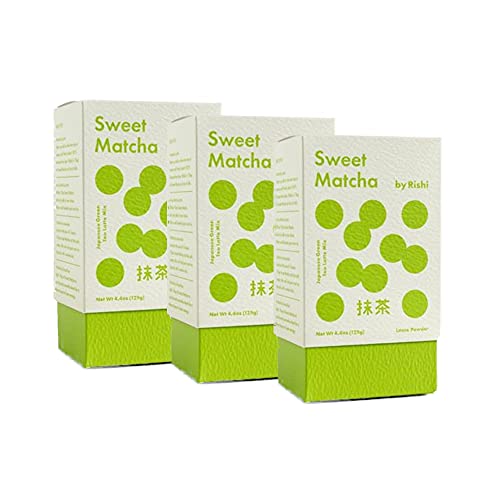
Rishi Tea Sweet Matcha 4.4oz (3-Pack)

Encha Ceremonial Grade Organic Matcha 60g (Uji)

Encha Latte Grade Organic Matcha 30g (Uji)

Matcha DNA Organic 16oz Tin (USDA)

Matcha DNA Certified Organic 16oz Bag
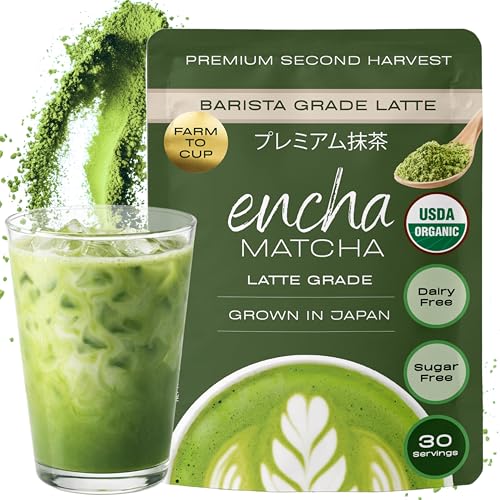
Encha Barista Grade Organic Matcha 30g
A Breakdown Of The Leading Choices
SOKYO’s Shizuoka-ceremonial tin sits at the more thoughtful end of the list, with leaf sourced from one of Japan’s respected tea prefectures. In a smoothie, the shaded growth lends a deeper umami (the savory, broth-like fifth taste) that holds its own against banana, mango, and even cocoa. Unlike the sweeter, mass-market blends further down this list, this one is designed for drinkers who want the tea itself to lead, not the fruit.
You measure it the way you would any fine green tea, sift it into your blender jar, and the color lands a vivid jade rather than a muddy olive. Owners commonly report that a single 30g tin lasts several weeks of weekday smoothies, depending on how strong you like the pull.
A Few Strong Suits
- Shaded cultivation in Shizuoka builds a fuller umami that survives being blended with sweet fruit.
- Stone-ground texture helps the powder dissolve cleanly, so smoothies turn out smooth instead of gritty.
- Ceremonial positioning makes it a solid bridge between morning tea ritual and smoothie habit.
- Compact 1.05oz tin keeps the powder fresh longer than a half-open bag on the counter.
Honest Caveats
- At ceremonial pricing, this is overkill if you mainly want a faint green tint in a fruit-heavy blend.
- The 30g size runs out quickly for households blending daily; restocking becomes part of the routine.
Key Product Details
Who It Suits Best
Drinkers who treat matcha as the main event, not a coloring agent, and want a Shizuoka-sourced ceremonial-grade leaf for their daily smoothie.
Consider Something Else When
Akira Matcha is a friendlier everyday option if you want organic first-harvest flavor in a smaller weekly commitment.
Akira Matcha comes from Uji in Kyoto, a region synonymous with high-grade green tea, and is built around organic first-harvest leaves. In a morning smoothie, it behaves more like a flavor than a garnish, giving you grassy-sweet depth that lingers after the fruit has settled. Compared to the SOKYO pick above, this one leans a little more toward approachability and a touch less toward pure umami intensity.
The recommended serving is around 1g, roughly half a teaspoon, which means a small tin stretches a long way in a single-serve blender routine. Storage is simple: seal the bag or tin, keep it away from the fridge’s moisture, and you should see steady color across several weeks of daily use.
Useful Strengths
- Uji, Kyoto origin carries strong regional credibility for Japanese green tea.
- Organic and first-harvest positioning supports a cleaner, more balanced cup.
- Half-teaspoon serving means a 30g tin can cover weeks of weekday smoothies.
Small Limitations
- No added sugar, so sweet-leaning smoothie drinkers may want to add their own fruit or honey.
- Ceremonial pricing still applies, so this is a step up from the bulk options reviewed later.
Made For
Daily smoothie drinkers who want a respected Uji-sourced organic ceremonial matcha in a manageable 30g size.
Where A Sibling Pick Shines
Encha Ceremonial Grade Organic Matcha 60g is worth a look if you want a larger tin from the same Uji region without stepping up to a new brand.
Aiya’s To Go sticks solve a different problem than the rest of this list: the morning you don’t have a blender. Each stick is pre-sweetened and individually sealed, so it tears, pours, and stirs into cold water, milk, or a small protein shake on a train seat or at a desk. Where the SOKYO and Akira options are built around the ceremony, these are built around the commute.
You sacrifice some control over sweetness, but you gain portability. The sticks are vegan-friendly and gluten-free, which matters for anyone whose smoothie routine is really an on-the-go nutrition routine rather than a sit-down ritual.
What Makes Sense
- Single-serving sticks remove the need to measure or carry a tin in a bag.
- Pre-sweetened profile means no extra sugar packets to pack for the office.
- Individual sealing keeps each stick fresh until the moment you tear it open.
- Vegan and gluten-free positioning fits common dietary preferences.
Trade Offs
- The built-in sweetness is fixed, so you can’t dial it down for very green, low-sugar blends.
- Eight sticks won’t last a heavy daily drinker long; this is a supplement, not a replacement tin.
Best Suited To
Commuters, frequent travelers, and office workers who want a clean sweetened matcha option without hauling a tin and a whisk.
Skip It When
Encha Barista Grade Organic Matcha is a better fit when you want unsweetened control at home with milk or a full blender.
Rishi’s Sweet Matcha is really a hybrid product, a Japanese matcha already blended with cane sugar so it behaves like a flavored latte mix. The payoff shows up when your smoothie is also pulling breakfast duty: protein, oats, milk, and a sweet tea in one shake without a second ingredient to measure. The trade-off is that the sweetness comes pre-locked.
Each 4.4oz tin makes roughly 10 lattes according to the brand, so a three-pack is a multi-month supply for casual drinkers. The blend dissolves readily into cold or hot milk, which is helpful if you occasionally skip the blender entirely.
The Practical Payoff
- Pre-blended with cane sugar, so you can skip the sweetener step in your morning blend.
- Multi-pack format means a single order covers most of a season of casual daily use.
- Disperses easily in both hot and cold milk, useful for off-blender days.
Points To Keep In Mind
- Added sugar means you cannot use it as a base for a low-carb or savory-leaning blend.
- The flavor profile is more latte than pure tea, so it can mask lighter fruit notes.
Whose Shelf It Belongs On
Drinkers who want a quick, café-style matcha step without measuring sugar, and who already accept a sweetened profile.
Not Your Match When
Akira Matcha is the cleaner alternative when you want to control sweetness yourself and use plain fruit as the only sugar source.
Encha’s ceremonial tin is the larger sibling in their lineup, and it’s a natural step up from the 30g Akira option if you want a more generous supply. The leaf is first-harvest, shade-grown, and sourced from organic Uji farms the brand has worked with for over a decade, which lines up with the kind of provenance detail smoothie enthusiasts tend to ask about.
In a blender, the stone-ground texture goes fine and almost dissolves on contact, so you don’t end up with chalky streaks at the bottom of the glass. The brand recommends traditional water preparation, but in practice the flavor holds up well against milk, oat, and tropical fruit as well.
Notable Gains
- 60g size is roughly double the standard ceremonial tin, lowering the per-serve cost.
- Organic first-harvest leaf from established Uji partnerships adds a layer of sourcing trust.
- Fine grind keeps blended drinks smooth instead of speckled.
Practical Considerations
- Once opened, the 60g tin takes longer to finish, so storage freshness matters more than with smaller tins.
- Ceremonial pricing still applies, so this is a step up from everyday latte-grade picks.
Key Product Details
The Right Fit
Traditionalists who want a generous organic Uji ceremonial tin and drink matcha in smoothies or with water at least a few times a week.
A Better Fit Elsewhere
Encha Latte Grade Organic Matcha 30g is the better match when you mostly blend with milk and want a slightly friendlier price.
This is the Encha pick most directly aimed at people whose morning drink involves a blender rather than a chawan (a traditional matcha bowl). Latte grade is blended with milk and fruit in mind, using the same Uji first-harvest leaf but a slightly different cut, so the result stays smooth and naturally sweet instead of bitter. Compared to the ceremonial tin above, it trades a little top-note finesse for everyday drinkability.
The grind is whisper-fine, which matters in a smoothie because coarse matcha leaves sandy flecks at the bottom of the glass. You can use it with dairy, oat, almond, or coconut milk without the flavor turning sharp.
Standout Benefits
- Latte grade is intentionally blended for milk and fruit, so smoothies taste rounder.
- First-harvest organic leaf from Uji keeps the underlying tea quality high.
- Unsweetened, so you stay in charge of how sweet each blend ends up.
- Stone-ground to a fine texture, which helps it disappear into thick mixes.
A Few Limitations
- The 30g tin runs out quickly for households blending daily, so this is more of a tester size than a stockpile.
- Latte grade is not the right choice if your goal is a plain-water matcha in a traditional bowl.
Perfect Match For
Smoothie-first drinkers who want organic Uji leaf that has been blended for milk and fruit rather than for straight tea.
Reach For A Different Pick When
Encha Ceremonial Grade Organic Matcha 60g is the better call if you split your time between water and milk drinks.
Matcha DNA’s XXL tin is the kind of purchase that makes sense once a green smoothie becomes part of a daily routine rather than an occasional experiment. At 16oz, it shifts the conversation from tea-ceremony mindset to kitchen-staple mindset, and the resealable tin does real work keeping a powder this large from going stale on the shelf.
It is USDA-certified organic, unsweetened, with no additives, so the flavor is purely the leaf. In a blender with banana, frozen mango, and oat milk, it gives you a soft green base that does not fight the fruit. The honest read is that this is a volume pick, not a connoisseur pick, and that tradeoff is exactly the point.
Good Reasons To Consider
- 16oz tin offers a much lower cost per smoothie than smaller ceremonial tins.
- USDA organic certification supports a clean, additive-free ingredient list.
- Gluten-free and vegan positioning covers most common dietary needs.
- Unsweetened, so you can flex the sugar in your blend up or down.
Less Ideal Details
- Once opened, a 16oz tin takes months to finish, so careful sealing and cool storage are essential.
- Bulk-grade flavor will not match the bright top notes of a single-origin ceremonial tin.
Quick Facts
Who Should Grab It
Heavy daily smoothie drinkers who want a steady, certified-organic supply at a friendlier per-serve cost than small tins.
Look Elsewhere When
SOKYO Ceremonial Matcha Series is the better fit for drinkers who want stronger, more traditional flavor over volume.
The bag format of Matcha DNA’s 16oz offering does almost exactly what the tin does, with one practical difference: cost. Bags tend to land at a friendlier per-ounce price, which matters if you are using matcha in baking, overnight oats, and savory recipes in addition to smoothies. You trade a small amount of convenience for that savings.
The underlying product is the same USDA-certified organic, unsweetened matcha, so the flavor story is similar to the tin above. Just plan to transfer it to an airtight container once the bag is open; the factory bag is not designed to reseal against a fridge door for months.
Where It Excels
- Bag format typically offers the lowest cost per ounce in this lineup.
- Same organic, unsweetened base as the tin version, so flavor is consistent.
- Versatile for smoothies, lattes, and recipes beyond the blender.
Points To Note
- Factory bag is not built for long-term resealing, so you will need a separate airtight container.
- Lacks the gift-ready presentation of a tin if you are buying it for someone else.
Built With In Mind
Cost-conscious smoothie and cooking regulars who want organic matcha in a format that goes into a bulk pantry rather than a display shelf.
Swap It Out When
Matcha DNA Organic 16oz Tin is the better fit if you want resealable, kitchen-counter convenience out of the box.
Encha’s barista grade is the newest of their three matcha tiers, precision-blended from summer and autumn harvests with milk drinks as the explicit target. That seasonal mix is interesting: later harvests tend to be a touch more robust, which is exactly what you want when the tea is sharing the glass with oat or dairy milk. Compared to the latte grade reviewed earlier, this one leans a bit more toward balance and a slightly deeper color in the cup.
It is unsweetened, beginner-friendly, and works for bakers and home cooks as well as for plain lattes. The grind is fine enough to whisk into a small jug of milk without a blender, which is a nice off-day option.
Advantages To Know
- Summer and autumn harvest blend is calibrated for milk, which is your smoothie base.
- Organic, unsweetened, and 100% Japanese leaf, with no flavor-masking additives.
- Versatile enough for matcha newcomers, bakers, and casual home baristas alike.
Where It Is Less Suited
- The 30g tin is more of an entry size than a stockpile, especially for daily blending.
- Built for milk drinks, so traditional water preparation is not its strongest showing.
Who Will Love This
Home baristas and smoothie drinkers who want a milk-friendly organic blend that can also step into a whisk-and-jug routine.
Another Choice May Suit
Rishi Tea Sweet Matcha is worth a look if you want a sweetened, café-style mix and don’t want to add sugar yourself.
What Matters Most When Choosing Matcha Powders For Smoothies
Grade is the first fork in the road. Ceremonial-grade matcha uses the youngest, most tender leaves and tends to taste smoother and more umami-forward, which is why it holds up well in plain water or against strong fruit. Latte and barista grades are blended with milk and mixed drinks in mind, so the cut is slightly more robust and the flavor is calibrated to stay balanced when dairy, oat, or fruit is doing half the talking. Bulk culinary matcha is a step down in finesse but a major step down in cost, which is why it dominates the high-volume tins and bags.
Origin and harvest timing shape the cup more than most labels admit. Uji in Kyoto and Shizuoka are the two regions that show up again and again on this list for good reason: both have long-standing tea traditions, well-established shade-growing techniques, and consistent quality. First-harvest leaf, picked in spring, generally tastes brighter and sweeter than later harvests. Some barista-grade blends deliberately mix in later harvests to build body for milk, which is a different goal, not a lesser one.
Texture and freshness are practical concerns that determine whether your smoothie is smooth or sandy. Stone-ground matcha at a fine particle size blends cleanly into liquids, while coarser grinds can leave grit at the bottom of the glass. Once a tin is open, exposure to air, light, and moisture slowly dulls the color and flavor, so smaller tins finish faster and stay fresher, while 16oz tins reward airtight resealing and a cool, dark cabinet.
Finally, think about what else is in your glass. Sweetened blends, like the Aiya sticks or Rishi Sweet Matcha, are useful when you want a self-contained drink but lock you out of low-sugar smoothies. Unsweetened matchas give you full control and pair well with banana, mango, dates, or maple. The right pick depends on whether your smoothie is a flavor vehicle for the tea or a vehicle for the tea to hide inside.
Things To Watch Before You Buy
Where Shoppers Go Wrong
The most common slip is buying ceremonial-grade matcha in bulk to save money. A 16oz ceremonial tin is rare, and the few that exist are priced to match, because the young leaves used for ceremonial grade are not produced at scale. Shoppers who actually want a 16oz supply should expect culinary or latte-grade matcha in that size, not a discount on a top-tier product. The second common mistake is ignoring storage: a half-closed bag of matcha next to a sunny window loses color and flavor within weeks, and no amount of premium sourcing recovers that. The third is treating sweetened blends as interchangeable with plain matcha plus your own sugar, because the sweetness level is fixed and the flavor profile is shaped around it.
Where The Extra Money Goes
Paying more for ceremonial or premium-grade matcha generally buys three things: younger leaves, more careful shade-growing, and a finer stone-ground texture. Those add up to a smoother, more nuanced cup that holds up under plain water, which is the traditional way to judge matcha. Paying more for a 30g tin over a 16oz bag, when the source and grade are the same, mostly buys freshness, convenience, and resealable packaging. The honest read is that the upgrade is worth it for drinkers who want matcha to be the star of the drink, and less critical for shoppers who treat matcha as a background ingredient in a heavily-fruit smoothie.
Frequently Asked Questions
Does matcha lose its benefits once it is blended with fruit?
Blending does not destroy the catechins (the antioxidant compounds matcha is known for) outright, but exposure to air, light, and time does gradually reduce their potency. Drinking your smoothie soon after blending gives you the best chance of keeping most of them intact, and adding a squeeze of lemon can help stabilize the color.
Is latte-grade matcha the same as culinary-grade?
No. Latte grade is closer to ceremonial in origin and grind, and is blended specifically for milk drinks, which is why it tends to be brighter and less bitter than culinary grade. Culinary grade is built for baking and recipes where the matcha flavor is mixed with other strong ingredients like sugar, butter, or chocolate.
How should I store an opened tin of matcha?
Keep it sealed tightly, away from direct light, heat, and moisture, ideally in a cool pantry rather than on top of the fridge. A 30g tin typically stays vibrant for several weeks once opened, while a 16oz tin benefits from being decanted into smaller airtight containers as you go.
Can I use ceremonial matcha in baking and recipes?
You can, but you will use it up quickly and pay a meaningful premium for the privilege. For everyday baking and recipes where matcha is one of several ingredients, a bulk culinary-grade matcha is the more cost-effective match, and the flavor difference in a finished cookie or pancake is hard to detect.
How much matcha should I add to a single smoothie?
A good starting point is about 1g, or roughly half a teaspoon, per 12 to 16 ounces of liquid. You can nudge that up to 2g for a stronger pull or down to half a gram for a faint green tint, depending on the rest of your ingredients.
Wrap Up
Matcha in a blender is a small daily choice that pays back in color, flavor, and routine. The ceremonial tins on this list reward drinkers who want the tea itself to lead, the latte and barista grades are built for milk and fruit from the start, and the bulk tins cover the heavy daily user without breaking the budget. Pick the format that matches how often you blend, seal whatever you open, and you will end up with a smoothie that tastes the way you actually want it to.
