

Japanese matcha has a reputation for good reason, but the gap between grocery-shelf powder and a proper ceremonial tin can feel enormous. Many home drinkers get stuck wondering what “ceremonial grade” actually means, why some tins cost three times as much as others, and whether single-serving sticks beat loose powder for daily use.
This lineup covers ten options from recognized Japanese producers, from shade-grown first-harvest tins to pre-portioned sticks and sweetened latte blends. You’ll find clear notes on origin, harvest, grade, and format, plus honest caveats about taste profile and storage. By the end, you should know which of these matcha powders from Japan matches your routine, your palate, and your budget.
A Closer Look At The Lineup

SOKYO Ceremonial Matcha Series (1.05oz / 30g, Shizuoka Ceremonial S)

Kiyo Matcha Signature Grade Shuga Ceremonial Uji Matcha, 40g/1.41oz

Akira Matcha (25 x 1.5g Sticks) Organic Premium Ceremonial

Aiya Sweetened Matcha To Go Sticks (8-Count)

Kiyo Matcha Classic Grade Hatsumukashi Ceremonial Uji Matcha, 40g/1.41oz

Kiyo Matcha Organic Classic Grade Chiba No Shiro Matcha, 40g/1.41oz
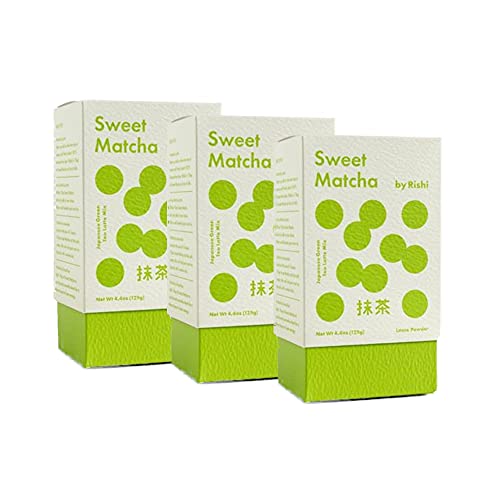
Rishi Tea Sweet Matcha Japanese Green Tea Latte Powder, 3-Pack

Encha Ceremonial Grade Matcha Organic First Harvest, Uji, 60g/2.12oz

Encha Latte Grade Matcha Unsweetened First Harvest Organic, Uji, 30G/1.06oz

Encha Ceremonial Grade Matcha Organic First Harvest, Uji, 30g/1.06oz
Meet The Standout Selections
SOKYO’s Shizuoka-grown ceremonial tin opens with a deep, savory aroma that sets it apart from milder entry-level matcha. Sourced from Mie Prefecture, the leaves are shaded before harvest, which concentrates the chlorophyll and theanine (an amino acid that gives matcha its mellow, almost brothy character) while softening the bite. The 30g tin is a comfortable size for someone who drinks matcha a few times a week without worrying about it losing vibrancy too fast.
Traditional drinkers who whisk usucha (thin tea) in a ceramic bowl will appreciate how the powder foams up into a fine crema. Anyone used to sweetened latte blends should expect a more vegetal, umami-forward cup with very little added sweetness.
Real Benefits
- Stone-ground texture disperses smoothly with a bamboo whisk, no gritty sediment at the bottom of the bowl.
- Shaded cultivation produces a noticeably rich umami that holds its own without sugar or milk.
- 30g tin sizes a few weeks of daily use, reducing the risk of stale-tasting leftovers.
- Aroma carries a faint floral-roast note, which adds complexity to plain hot water preparations.
Points To Note
- Smaller tin means you’ll need to repurchase more often than the multi-pack options later in this list.
- Vegetal intensity can feel sharp to anyone moving over from pre-sweetened sticks.
Key Product Details
Whose Shelf It Belongs On
Drinkers who already own a chasen (bamboo whisk) and want a properly shaded ceremonial-grade powder for traditional usucha.
Reach For A Different Pick When
Choose the Encha Ceremonial Grade Matcha Organic First Harvest from Uji, 60g/2.12oz if you want a larger tin and USDA-certified organic farming from the same category tier.
Kiyo’s Signature Grade sits a clear step above its Classic line, aimed at drinkers who already know they like matcha and want more nuance in the cup. Sourced from Uji, the historic Kyoto-area region that anchors most of Japan’s premium tea reputation, this 40g tin leans into a smoother, slightly sweeter profile thanks to careful shading and small-batch grinding. The result is a powder that feels rounder on the tongue than the brand’s entry-level option below.
For someone graduating past the early experimentation phase, this is the grade where the differences between ceremonial tiers start to feel real. Compared with the SOKYO Shizuoka tin above, the Shuga tends to read as softer and more buttery, with less of the roasted edge.
A Favorable Mix
- Uji sourcing connects you to one of Japan’s most established ceremonial regions.
- Small-batch production means fresher powder and more consistent color week to week.
- 40g is a generous tin for a single household, lasting about a month of daily use.
- Flavor profile stays balanced when whisked hot, not just when drowned in milk.
Worth Noting
- Premium grading pushes the cost up noticeably versus the Classic Hatsumukashi below.
- Smaller tins and small-batch runs can sometimes face supply gaps on the retailer.
Made For
Regular matcha drinkers who have moved past the beginner stage and want a smoother, more layered ceremonial cup.
Consider Something Else When
The Kiyo Matcha Classic Grade Hatsumukashi Ceremonial Uji Matcha is a better starting point if you are still figuring out how much you actually enjoy plain matcha before paying for premium grading.
Akira’s stick format solves the single biggest complaint about loose matcha tins: dosing and freshness. Each 1.5g stick is sealed individually, so you tear one open, dump it in your cup, and skip the whole scoop-and-scale routine. The leaves are first-harvest and shade-grown for several weeks, then stone-ground and packed in Japan before the air can dull the color.
For anyone who wants proper ceremonial-grade matcha at the office, in a hotel room, or at a co-working space, the format is a real upgrade over carrying a tin and a scale. You trade a little ritual for a lot of convenience, and that trade is worth it for many daily drinkers.
What Pays Off
- Single-serving sticks keep every cup as fresh as the day it was packed.
- No measuring scale needed, which removes the main barrier to consistent flavor at home.
- First-harvest leaves give you a brighter green color and a cleaner taste than later flushes.
- Pocketable format makes it easy to keep matcha in a work bag or carry-on.
Trade Offs
- Per-serving packaging cost runs higher than buying a comparable tin in bulk.
- Sticks leave more material waste than a single resealable pouch.
Feature Snapshot
Right Fit For
Commuters and travelers who want ceremonial matcha without hauling a tin, scoop, and scale to the office.
Look Elsewhere When
Pick the Aiya Japanese Sweetened Matcha Powder to Go Sticks instead if you prefer a pre-sweetened drink and want eight ready-to-mix sticks for a shorter trip.
Aiya, a Japanese producer tracing back to the late 1800s, makes these sweetened sticks for people who want matcha-latte flavor without any equipment. Each stick is individually sealed and contains the powder plus sweetener, so all you add is water or milk. The eight-stick pack is sized for a week of weekday cups or a long weekend away.
Where the Akira sticks above are unsweetened and ceremonial-leaning, Aiya’s offering lands squarely in the everyday latte category. You give up the chance to taste the leaves on their own, but you gain a consistent, sweet drink in under a minute.
Why It Works Well
- Pre-sweetened format means no extra sugar, syrup, or stirring is required.
- Individual wrapping keeps each stick fresh until you actually use it.
- Vegan, non-GMO, and gluten-free credentials cover most common dietary preferences.
- Brand heritage since 1888 gives some assurance of consistent sourcing.
Honest Caveats
- Added sugar means this is not the right pick for anyone watching sweetness closely.
- Smaller pack size (8 sticks) means more frequent reordering for daily drinkers.
Who It Suits Best
Anyone who wants a quick, sweet matcha latte at a desk or in a hotel room with zero prep beyond stirring.
Skip It When
Switch to the Akira Matcha sticks if you want unsweetened ceremonial-grade leaves and prefer to control your own sweetener.
Kiyo’s Classic Hatsumukashi is the tin most people should start with. It uses first-harvest Uji leaves and is positioned as the brand’s accessible entry into the ceremonial line, which is a polite way of saying it is well-made without the premium markup of the Signature Grade above. The flavor profile leans balanced, giving you a true sense of what a properly shaded matcha tastes like without pushing you into deeper umami territory on day one.
The 40g tin outlasts a casual home drinker’s first few weeks of experimentation, so you can learn what you like before deciding whether to upgrade. Compared with the SOKYO Shizuoka tin at pick 1, the Kiyo feels a touch greener and slightly more vegetal, which can read as either a plus or a minus depending on the cup.
The Practical Payoff
- Hatsumukashi (first harvest) leaves bring a brighter color and cleaner finish than later flushes.
- Uji sourcing ties the tin to a region with a long-standing reputation for ceremonial quality.
- 40g size lets you drink daily for a month before worrying about freshness.
- Price sits well below the Signature Grade, so beginners can experiment without commitment.
Things To Consider
- Classic grading means less complexity than the Signature option above.
- Once opened, you’ll want to keep the tin sealed tightly and stored away from sunlight to preserve the green color.
Best Suited To
New matcha drinkers who want a genuine Uji-sourced ceremonial tin at an approachable entry cost.
Not Your Match When
Choose the Kiyo Matcha Organic Classic Grade Chiba No Shiro if you specifically want organic-certified farming and a slightly softer flavor profile.
Kiyo’s Organic Classic swaps the Uji terroir for Chiba-grown leaves and adds organic certification to the mix. The result is a softer, more approachable cup that flatters beginners, especially in lattes and cold brews where the leaf character tends to mellow. The Chiba No Shiro name refers to the cultivar (a specific tea plant variety), which leans toward a balanced, easy-drinking profile rather than a heavy umami punch.
If you are coming from pre-sweetened sticks and want to try traditional preparation, this is a gentle on-ramp. It shares the small-batch grinding approach with the rest of the Kiyo line, so the powder texture stays fine and whiskable.
A Few Strong Suits
- Organic certification covers shoppers who actively avoid conventionally grown teas.
- Chiba No Shiro cultivar reads as smooth and balanced, which suits first-time ceremonial drinkers.
- Versatile enough for usucha, lattes, and cold brew without losing the leaves underneath milk.
- Small-batch production keeps the cup-to-cup experience consistent.
Small Caveats
- Soft character can come across as flat to drinkers used to bolder Uji-sourced tins.
- Organic sourcing usually means a slightly higher per-gram cost than non-organic equivalents.
Perfect Match For
Beginners who want organic matcha and a flavor profile that does not fight milk or cold water.
A Better Fit Elsewhere
Pick the Kiyo Matcha Classic Grade Hatsumukashi instead if organic certification is not a priority and you want a more traditional Uji flavor.
Rishi’s Sweet Matcha is built for households that go through multiple lattes a week. The blend combines Japanese matcha with cane sugar, so you skip the sweetener step entirely. Each 4.4oz tin makes roughly ten lattes, and the 3-pack covers a serious stretch of daily use without reordering. The powder dissolves quickly into hot or cold milk, which is the main reason it sticks around in busy kitchens.
You will not mistake this for ceremonial-grade, but that is not the goal. Where the Aiya sticks above are travel-sized and pre-portioned, Rishi is the bulk pantry option for people who just want a sweet, consistent drink.
Strengths Worth Knowing
- 3-pack format offers strong value for daily latte drinkers.
- Pre-sweetened blend removes the need for syrups or extra sugar on the counter.
- Works equally well in hot milk, iced milk, or a cold lemonade-style drink.
- Kosher and non-GMO labeling covers a few common dietary preferences.
Worth Bearing In Mind
- Bulk tins take up shelf space and need a dry, cool storage spot to avoid clumping.
- Sugar content means the drink leans sweet, which is not for everyone.
Who Will Love This
Multi-cup-a-day latte households that want a steady, sweetened supply without ordering single tins every other week.
Swap It Out When
Choose the Encha Latte Grade Matcha Unsweetened First Harvest Organic if you want to keep the bulk format but skip the added sugar and bring your own.
Encha’s larger ceremonial tin pulls together the elements that serious matcha drinkers tend to want: first-harvest leaves, shade-grown cultivation, stone grinding, and a long-standing relationship with Uji-area farms. The 60g size is a noticeable step up from the 30g tin further down this list and gives serious daily drinkers a few weeks of headroom before they need to think about reordering.
This is the tin to choose if you want a classic, traditional usucha experience and you are happy to whisk it in a bowl with hot water. Compared with the Kiyo Classic at pick 5, the Encha tends to read as a touch smoother in the cup, with a slightly more rounded finish.
The Good Stuff
- First-harvest leaves deliver a bright color and a cleaner, sweeter taste than later flushes.
- Stone-ground texture keeps the powder fine enough for a smooth, clump-free whisk.
- Organic certification covers shoppers who care about farming practices.
- 60g tin outlasts smaller ceremonial options, reducing reordering for daily drinkers.
Small Limitations
- Larger tin means more commitment up front for drinkers still testing the waters.
- Once opened, the powder’s vibrant green fades faster if you leave the lid off or store it near a sunny window.
Core Details
Built With In Mind
Ceremonial tea drinkers who want a properly sourced, organic, Uji-grown tin big enough for daily preparation.
Where A Sibling Pick Shines
Pick the Encha Latte Grade Matcha Unsweetened First Harvest Organic if you mostly drink matcha in milk and want a powder tuned for that format.
Encha’s Latte Grade is a different animal from its ceremonial sibling above. The leaves are still first-harvest and shade-grown, but the grind and cultivar selection are tuned to play well with milk, so the cup lands naturally sweet and never goes bitter. For anyone who makes an oat milk or dairy latte every morning, this is the more forgiving choice.
The 30g tin is a small format, which keeps the powder fresh even if you only drink matcha a few times a week. If your routine is more about a daily bowl of usucha than a frothy latte, the ceremonial tin at pick 8 is a better fit.
The Value In It
- Specifically blended to handle milk without turning grassy or bitter.
- First-harvest leaves bring a naturally sweeter baseline that needs less added sugar.
- Organic sourcing keeps the ingredient list clean.
- Smaller tin suits occasional drinkers who still want top-tier leaf quality.
Less Ideal Details
- Designed for milk drinks, so it can read as flat when whisked plain with water.
- Smaller tin means reordering more often than the 60g Encha ceremonial option.
Quick Technical Notes
Best Suited To
Home baristas who whisk matcha into milk most mornings and want a powder that does not need sweetener to taste good.
Where Another Pick Suits Better
Choose the Encha Ceremonial Grade Matcha Organic First Harvest from Uji, 30g/1.06oz if you want a smaller ceremonial tin for traditional preparation rather than milk-based drinks.
Encha’s 30g ceremonial tin offers the same Uji-sourced, first-harvest quality as the larger 60g version above, just in a smaller format that suits solo drinkers. The tin is easier to finish before the powder starts losing its color, which matters more with ceremonial matcha than with most pantry staples. Whisk it in a bowl with hot water and you get the same vegetal, slightly sweet cup the brand is known for.
For someone who lives alone and drinks matcha a few times a week rather than daily, this is the smarter size. The 60g tin at pick 8 is a better value for households, but the 30g option trades some economy for fresher powder across the life of the tin.
Practical Advantages
- Smaller tin encourages finishing the powder while it is still vibrant and flavorful.
- First-harvest Uji leaves deliver the classic ceremonial profile without compromise.
- Organic certification covers shoppers who care about farming practices.
- Stone grinding keeps the texture fine for a smooth, lump-free whisk.
Practical Considerations
- Per-gram cost runs higher than the larger 60g ceremonial tin.
- Solo drinkers who find themselves finishing a tin fast may want to size up.
Feature Rundown
The Right Fit
Solo drinkers who want authentic Uji-sourced ceremonial matcha in a tin sized for finishing within a few weeks of opening.
Where A Sibling Pick Shines
Pick the Encha Ceremonial Grade Matcha Organic First Harvest, 60g/2.12oz if you drink matcha most days and want a larger tin with a lower per-gram cost.
What To Weigh Before Choosing Matcha Powders From Japan
Grade and harvest timing carry most of the flavor weight. “Ceremonial grade” is the top tier, reserved for the youngest, most tender leaves harvested in spring (called ichibancha or first harvest), while “classic” or “latte” grades often use slightly older leaves that still taste good but lack the same brightness. First-harvest leaves are shaded for several weeks before picking, which boosts chlorophyll and theanine, the amino acid that gives matcha its mellow, almost savory character.
Origin matters more than most people expect. Uji, in Kyoto Prefecture, has the longest reputation for ceremonial tea and tends to deliver a balanced, slightly sweet cup. Shizuoka, Mie, and Chiba each bring their own terroir, with Shizuoka often producing a brighter, more vegetal profile. Two tins at the same grade from different regions can taste like different drinks.
Format shapes your daily routine more than flavor. Loose tins give you control and ceremony but require a scoop or scale, plus a tight seal to keep air out. Individual sticks cost more per gram but remove the dosing guesswork and travel cleanly. Pre-sweetened blends trade leaf nuance for speed.
Storage habits decide how long any of these stay vibrant. Matcha oxidizes quickly once exposed to air, light, and humidity, so a cool, dark cabinet and a tightly closed tin are non-negotiable. A 60g tin opened daily will lose color faster than a 30g tin finished in a few weeks.
Key Considerations Across These Picks
Common Shopping Slip Ups
Plenty of shoppers reach for the cheapest tin on the shelf and walk away disappointed, only to decide they do not like matcha. The real issue is usually a low-grade leaf or a stale container, not personal taste. Look for a clear harvest date or grade label, and favor producers who name a specific region rather than just “Japan.”
Buying a 100g tin to “save money” is another common trap. Matcha loses its color and aroma within weeks of opening, so an oversized tin can turn chalky and dull before you finish it. Smaller tins finished quickly usually taste better than larger ones nursed along.
What The Higher Tier Buys
The jump from a basic ceremonial tin to a premium one is real but not always necessary. Higher grades typically bring first-harvest leaves, longer shading, smaller-batch grinding, and a more traceable farm relationship. The cup is brighter, sweeter, and more layered.
For most home drinkers, mid-range ceremonial tins like the Kiyo Hatsumukashi or the Encha 30g deliver the core experience without the premium markup. Spend up if you drink matcha plain and notice the difference, or if you care about organic certification and farm-direct sourcing.
Frequently Asked Questions
What does “ceremonial grade” actually mean?
It is the top tier, usually made from first-harvest leaves that are shade-grown and stone-ground. The label is not regulated, so brand reputation and region matter more than the word itself.
Is Japanese matcha better than Chinese matcha?
Japanese matcha, especially from Uji, Shizuoka, and Mie, dominates the ceremonial category and tends to have a more vegetal, umami-forward profile. Chinese matcha is often milder and sometimes more affordable, with different farming traditions behind it.
How long does an opened tin stay fresh?
Most opened tins hold their color and flavor for about four to six weeks, assuming you keep the lid tight and store the tin in a cool, dark cabinet. Larger tins opened daily can fade faster than smaller ones finished quickly.
Can I use ceremonial matcha in lattes?
You can, but a latte-grade powder is blended to taste good with milk, so you will not notice the difference much once dairy or oat milk is involved. Save ceremonial tins for plain water preparations where the leaf character actually shines.
What is the difference between first and second harvest?
First harvest (ichibancha) is the spring picking, with younger leaves that taste sweeter and smoother. Second harvest leaves are slightly older, more bitter, and usually end up in culinary or latte grades rather than ceremonial tins.
Closing Remarks
A good tin of matcha is one of the simplest kitchen upgrades you can make, and the difference between a forgettable cup and a daily ritual often comes down to choosing a grade and format that match your routine. Match the leaf to how you actually plan to drink it, store the tin properly, and you will spend less time second-guessing and more time enjoying the cup.
