

A good matcha powder quietly reshapes your morning ritual. The right tin delivers a clean, grassy lift without bitterness, while the wrong one tastes like lawn clippings. Whether you whisk traditional bowls of usucha, blend iced lattes, or bake matcha cookies, this list covers eight standout options worth your attention. Each pick below balances origin, grade, format, and everyday usability, so you can find the right match for your taste and routine.
An Overview Of The Picks

SOKYO Ceremonial Matcha Series 1.05oz

Akira Matcha Organic Premium Ceremonial Sticks

Jade Leaf Organic Culinary Grade Matcha 100g
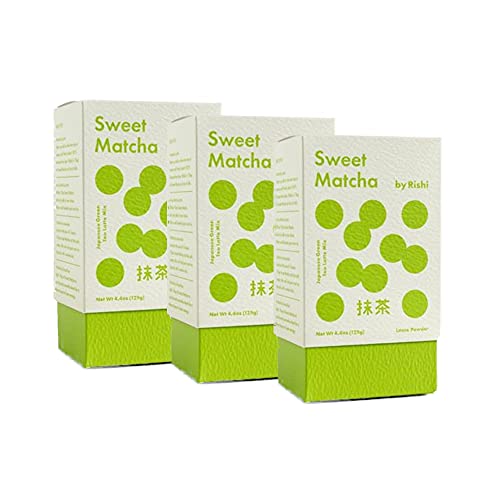
Rishi Tea Sweet Matcha 3-Pack

Jade Leaf Ceremonial Grade Matcha 30g Tin

Jade Leaf Matcha Latte Mix Original 150g

Jade Leaf Matcha Latte Mix Original 500g

Jade Leaf Matcha Latte Mix Original 1000g
The Details Behind The Selections
SOKYO’s ceremonial series comes from Shizuoka, one of Japan’s most respected tea-growing prefectures, where shaded cultivation builds the deep umami and natural sweetness that ceremonial drinkers chase. The 30g tin sits in a compact format that suits traditional usucha preparation, where you whisk the powder with hot water in a small bowl.
Compared with the more convenience-oriented Akira sticks below, this pick assumes you own a chasen (bamboo whisk) and want to slow down for a proper bowl. The flavor leans savory and rounded rather than sweet, which rewards drinkers who appreciate the tea itself over added sugar.
Notable Gains
- Shaded tea leaves develop stronger umami depth, giving each cup a fuller body than sun-grown alternatives.
- Stone-ground texture produces a fine powder that suspends smoothly in water when whisked properly.
- 30g tin format supports a few weeks of daily preparation without major freshness loss.
- Shizuoka origin ties the powder to a region with generations of tea-crafting heritage.
- Ceremonial grading signals leaf quality, color, and aroma suitable for straight tea drinking.
Points To Keep In Mind
- Smaller tin means you will restock more often than bulk buyers running through culinary matcha.
- Best enjoyed with a proper whisk; spoon-stirring leaves clumps and a rougher texture.
Made For
Drinkers who want to learn traditional preparation and value origin and grade over convenience.
Where Another Pick Suits Better
Casual drinkers who just want a quick mug should reach for Rishi Tea Sweet Matcha, which dissolves easily with no whisk required.
Akira ships 25 individually wrapped sticks, each pre-portioned at 1.5g, so you never measure in a hotel room or shared office kitchen. The sticks land in a slim cardboard box that fits a laptop bag, which is the whole point: ceremonial-grade leaf in a format built for portability. Sourced from first-harvest leaves and sealed for freshness, this option keeps well in the sticks longer than loose powder in a half-opened tin.
You give up the romance of stone-ground tins and the bulk savings of culinary pouches, but you gain consistency and zero cleanup. Travelers and commuters who want one cup without hauling gear will appreciate the trade.
Strengths Worth Knowing
- Pre-portioned sticks remove guesswork for anyone tired of guessing teaspoons.
- Single-serve packaging slows oxidation, so the last cup tastes closer to the first.
- First-harvest leaf claim points to a sweeter, less bitter cup.
- Compact box slides into backpacks and desk drawers without taking much space.
Less Ideal Details
- Sticks create more packaging waste than a single resealable tin.
- Per-gram cost runs higher than the loose ceremonial tin from Jade Leaf below.
- Without a whisk, hot water and a stir will leave small undissolved specks.
Who It Suits Best
Frequent travelers and office drinkers who need a single cup of quality matcha without any prep gear.
Skip It When
Home drinkers making multiple cups daily should pick the larger Jade Leaf Ceremonial Grade Matcha 30g Tin, which costs less per serving.
Culinary-grade matcha trades the bright color and delicate sweetness of ceremonial leaf for a more robust, slightly bitter profile that holds up against milk, sugar, and heat. This 100g pouch gives you a generous supply for lattes, smoothies, and baking without the premium-tier pricing. The flavor leans earthy rather than grassy, which most milk-based drinks actually need to avoid a watered-down taste.
Think of it as a working powder: it does not win blind tastings against ceremonial tins, but it earns its place when the recipe asks for matcha to compete with chocolate, vanilla, or heavy cream.
Features That Help
- 100g bulk format stretches much further per dollar than ceremonial tins.
- Stronger flavor profile stands up to sweeteners, milk, and baked goods.
- Resealable pouch helps slow staling once opened, though refrigeration extends life further.
- Versatile across lattes, ice cream, pancakes, and savory sauces.
Worth Noting
- Too bitter and savory for traditional usucha, where ceremonial grade shines.
- Color skews duller green than top-tier ceremonial powders.
- Once opened, freshness fades faster than in a smaller tin you finish quickly.
Best Suited To
Home bakers, latte fans, and smoothie makers who use matcha as an ingredient rather than the star.
Look Elsewhere When
Anyone drinking matcha straight from a bowl will find the Jade Leaf Ceremonial Grade Matcha 30g Tin a better fit, with brighter color and smoother finish.
Rishi takes a different angle by blending Japanese matcha with pure cane sugar, so you skip the sweetener step and the chalky separation that ruins rushed lattes. The blend dissolves easily in cold milk or hot water, which makes it a practical fit for busy mornings and office break rooms. Each 4.4oz tin makes roughly 10 servings, and a 3-pack stretches that into a month of daily drinks.
This is not a straight-tea product, so traditionalists will pass, but anyone who mostly drinks café-style lattes will find it cuts prep time without much sacrifice in flavor.
The Practical Payoff
- Pre-sweetened blend removes the need to measure sugar separately.
- Cold-soluble formula handles iced matcha without gritty residue.
- Kosher and non-GMO verification adds confidence for shoppers who care.
- 3-pack format lowers the per-tin cost and reduces how often you restock.
Honest Caveats
- Added sugar rules out anyone watching added-sugar intake or steeving sweetness.
- Flavor profile is sweeter and less grassy than pure ceremonial matcha.
Quick Facts
Right Fit For
Morning commuters and office workers who want a sweet matcha latte in under two minutes with no whisk.
Consider Something Else When
Pure-tea drinkers should pick the SOKYO Ceremonial Matcha Series, which lets you control sweetness on your own terms.
Jade Leaf’s ceremonial tin is the everyday alternative to the SOKYO pick above, packaged in a traditional 30g tin with the bright color and soft sweetness that ceremonial drinkers expect. The Japanese origin and shade-grown leaf give the powder a clean vegetal character that works equally well whisked in a bowl or mixed into a simple latte.
Tin format blocks light and seals in aroma better than a pouch, so the powder stays vibrant through daily opening. The smaller volume rewards people who drink matcha regularly but not in bulk.
A Few Strong Suits
- Tin packaging limits light and air exposure, preserving color and aroma.
- Ceremonial grading signals leaf quality suitable for straight tea drinking.
- 30g size works for daily drinkers who finish the tin within a few weeks.
Trade-Offs To Consider
- Pricier per gram than the culinary pouch from the same brand.
- Not the best match for heavy baking, where flavor competes with other ingredients.
- Smaller tin means frequent repurchase for households drinking multiple cups a day.
Feature Snapshot
Who Will Love This
Daily ceremonial drinkers who want a reliable tin from a familiar brand at moderate cost.
Reach For A Different Pick When
Bakers should go with the Jade Leaf Organic Culinary Grade Matcha 100g, which is built for recipes rather than bowls.
The 150g Original latte mix bridges pure matcha and pre-sweetened blends, lightly sweetened with cane sugar so the tea character still comes through. Barista-formulated texture gives a smooth mouthfeel when mixed with milk, and the 5.3oz bag fits easily in a small kitchen drawer. For anyone new to matcha, this format forgives imperfect whisking and uneven ratios.
You will find the same flavor profile in larger tubs below, so think of this size as a sampler before committing to a 1kg container.
Advantages To Know
- Light sweetness keeps the matcha flavor present without overpowering it.
- Barista-style formulation mixes smoothly with dairy and plant milks.
- Compact bag format is easy to store and finish before staleness sets in.
Some Limits To Know
- Per-gram cost is higher than the 500g and 1000g versions for anyone drinking daily.
- Added sugar rules out low-sugar or keto drinkers.
Perfect Match For
Newcomers testing whether they like matcha before investing in a larger tub or ceremonial tin.
Another Choice May Suit
Heavy daily drinkers will save more with the Jade Leaf Matcha Latte Mix Original 500g, which keeps the same flavor at a friendlier unit cost.
Step up to the 500g tub and the same Original blend stretches across roughly 50 servings, which is where households and small offices start to see real value. The larger format works for couples who split morning lattes or anyone brewing multiple cups back-to-back. Flavor-wise, nothing changes from the 150g version, which keeps switching sizes simple.
The honest trade is freshness: a tub open for two months loses more aroma than a smaller bag you finish in three weeks, so refrigeration matters once you cross the 500g mark.
The Value In It
- Larger tub cuts per-serving cost for steady daily drinkers.
- Same flavor profile as the 150g, so you can size up without retuning recipes.
- Tub format scoops cleanly and reseals with a simple lid.
Practical Considerations
- 17.6oz takes longer to finish, raising the risk of flavor fade in a warm kitchen.
- Refrigeration after opening is the practical move for most households.
Feature Card
Whose Shelf It Belongs On
Couples, roommates, and small offices that go through a latte or two most days and want a steady supply.
Swap It Out When
Solo occasional drinkers will find the 150g version a smarter size, since smaller bags stay fresher through slow use.
The 1000g tub is the bulk format for serious daily drinkers, cafés, and shared spaces that cycle through roughly 100 servings. Same Original flavor, same cane-sugar balance, just packed into a tub that lowers the per-cup cost noticeably. You give up portability, since 35.3oz does not slip into a cabinet easily, and you need a plan for keeping the powder fresh over a long stretch.
This is a working supply, not a tasting sample, so it suits people who already know they like the flavor and want the lowest unit cost.
Everyday Wins
- Lowest per-serving cost across the Jade Leaf Original lineup.
- Large tub supports households, cafés, and event serving without constant restocking.
- Consistent flavor makes recipe scaling simple for bakers and baristas.
Potential Sticking Points
- Bulk size demands refrigeration to preserve color and aroma over weeks of use.
- Too much product for anyone still exploring whether they like matcha regularly.
- Added sugar still rules out strict low-sugar drinkers.
Feature Snapshot
Who Should Grab It
Heavy daily drinkers and small kitchens that already know they want the Original flavor in the largest possible size.
A Better Fit Elsewhere
Curious newcomers should start with the 150g bag, since a 1000g tub is a big commitment before you know your taste.
What Matters Most Before Choosing Matcha Powders
Grade And Origin
Ceremonial-grade matcha is made from the youngest, most shaded leaves, which gives a brighter color, finer texture, and cleaner sweetness. It is the right pick for traditional whisked tea, where the powder is the star. Culinary-grade matcha uses slightly older leaves with a more robust, slightly bitter flavor that holds its own against milk, sugar, and heat. For lattes, smoothies, and baking, culinary grade is the practical everyday choice and the better value per gram.
Origin also matters. Japanese prefectures like Shizuoka, Mie, and Uji have long-standing tea traditions, and reputable sources will name the region. For daily drinkers, a known origin signals more consistent quality across batches.
Format And Freshness
Matcha oxidizes quickly once opened, so packaging plays a real role in how the powder tastes weeks later. Tins block light and seal tightly, which works well for smaller amounts you finish fast. Pouches and bulk tubs are friendlier on cost, but you will need to refrigerate them and use them within a reasonable window. Stick packs trade freshness for portability, which is the whole point for travelers and office drinkers.
Sweetness And Additives
Pure matcha contains no sugar, and the sweet taste in ceremonial leaf comes from shading and leaf selection, not added sweeteners. Pre-sweetened blends like Rishi Tea Sweet Matcha and the Jade Leaf latte mixes include cane sugar for fast café-style drinks. Pure-tea drinkers and anyone watching added sugar should stick with unsweetened powders and add their own sweetener when wanted.
Key Considerations Across These Picks
Pitfalls Shoppers Hit
A common slip is buying ceremonial-grade matcha for lattes and baking, then wondering why the cost-per-cup feels punishing. Culinary grade is the right tool for those uses, and the flavor difference matters less once milk or sweeteners enter the picture. Another trap is choosing the largest tub to save money, only to have half of it lose aroma before you finish. Match a tub size to how fast you actually drink it, and refrigerate once opened.
What The Higher Tier Buys
Ceremonial-grade powders cost more because the youngest, most carefully shaded leaves are a smaller harvest, and stone-grinding is slower than industrial milling. You pay for brighter color, smoother texture, and a sweeter finish that needs no added sugar. For traditional bowls and clean-tasting daily tea, the upgrade is genuinely worth it. For most lattes and baked goods, culinary grade delivers a better result at a friendlier price.
Frequently Asked Questions
What Is The Difference Between Ceremonial And Culinary Matcha?
Ceremonial matcha comes from the youngest, most shaded tea leaves and has a brighter color, smoother texture, and naturally sweet flavor. Culinary matcha uses slightly older leaves with a more robust, slightly bitter profile designed to stand up to milk, sweeteners, and heat in recipes and lattes.
How Should You Store Matcha After Opening?
Keep opened matcha in an airtight container away from light, heat, and moisture. Refrigeration extends freshness, especially for larger pouches and tubs, and most opened tins stay vibrant for several weeks when stored properly.
Can You Use Culinary Matcha For Drinking Straight?
You can, but the flavor skews more bitter and earthy than ceremonial grade. Most people find it stronger and less smooth when whisked on its own, which is why it is typically blended into lattes, smoothies, and baked goods rather than served as traditional tea.
How Much Matcha Should You Use Per Cup?
For a standard usucha (thin tea), use about half to one teaspoon per cup of hot water. For a richer koicha (thick tea) or a stronger latte, double that amount. Pre-portioned sticks are typically 1.5g per serving, which lands in the same range.
Is Pre-Sweetened Matcha A Good Option For Beginners?
Yes, pre-sweetened blends simplify prep and mask the bitterness that first-time drinkers sometimes notice. The trade-off is added sugar, so anyone watching intake should use unsweetened powders and adjust sweetness themselves.
The Takeaway
Matcha fits into your day in more ways than one, and the right pick depends on whether you are whisking traditional bowls, blending cold lattes, or baking a tray of cookies. Ceremonial-grade tins reward drinkers who want the tea itself, while culinary pouches and pre-sweetened mixes keep things quick and affordable for daily use. Match the grade and format to your routine, store the powder with care, and you will end up with a cup that tastes the way it should.
