

A good latte starts long before the milk gets steamed. The powder in your tin shapes everything: how sweet the cup tastes, how green it looks, whether you get that grassy snap or a rounder, more dessert-like body. Pulling together a shortlist of matchas for lattes means weighing grade, origin, and how each powder behaves once dairy or oat milk enters the picture. The picks below cover traditional ceremonial tins, sweetened latte blends, ready-to-drink cans, and bagged options for the lazy-morning crowd, so you can match your taste, routine, and equipment to the right jar.
The Main Contenders

SOKYO Ceremonial Matcha Series (Shizuoka, 1.05oz)

Akira Matcha 30g – Organic Ceremonial

Republic of Tea Organic Double Green Matcha (50 ct)

Laurels Coffee Classic Vanilla Latte (12 Pack)

Laurels Coffee Dirty Chai Latte (12 Pack)
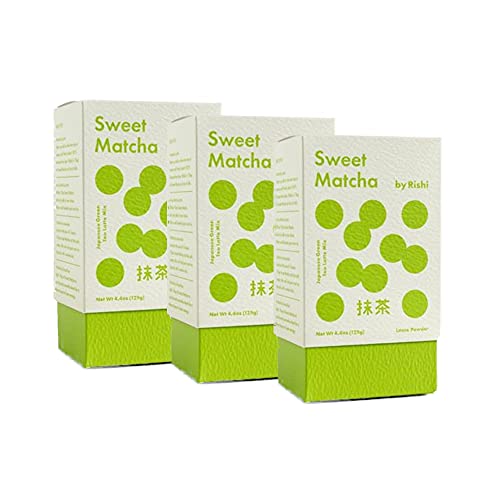
Rishi Tea Sweet Matcha (3-Pack, 4.4oz each)

Encha Ceremonial Grade Organic Matcha (60g)

Encha Latte Grade Matcha (30g, Unsweetened)
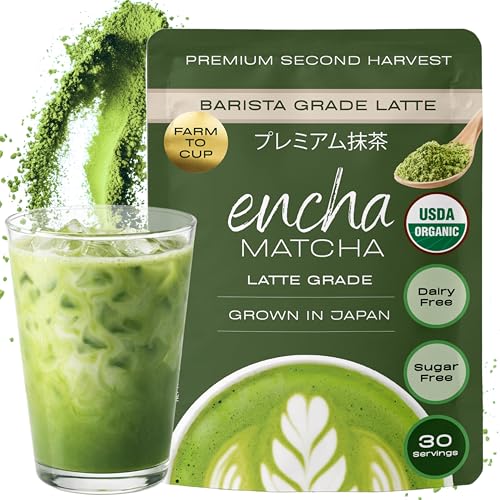
Encha Barista Grade Matcha (30g, Unsweetened)
A Deeper Look At The Lineup
SOKYO’s Shizuoka ceremonial tin is the kind of matcha that rewards a slower morning. The leaves are shaded before harvest, a step that ramps up chlorophyll and the amino acid L-theanine (a compound linked to calm, focused energy). That extra shading is what gives the powder its deep green cast and that savory-sweet edge you taste before the milk even lands.
You’ll notice the aroma first: a toasted, almost floral note from a brick-furnace finish. Stone-grinding keeps the particles fine, so it whiskes smooth in a chasen (a traditional bamboo whisk) without leaving grit at the bottom of the bowl. Where Akira leans everyday and Encha leans milk-friendly, this one leans traditional, so it works as beautifully whisked with water as it does folded into warm oat milk.
Positive Points
- Shaded cultivation builds a deep, well-rounded sweetness that holds up against milk’s richness.
- Brick-furnace drying gives the powder a distinctive toasted, floral aroma most supermarket tins can’t match.
- Stone-ground texture melts into a chasen or a small kitchen whisk, so you don’t need a pro setup.
- Origin matters here: the Shizuoka single-region label tells you exactly which terroir you’re pouring.
- Ceremonial grade means you can drink it both ways: straight with water for focus, or sweetened as a latte on slower weekends.
Worth Noting
- The 1.05oz tin goes faster than you think if you drink a daily latte, so you’ll reorder often.
- Ceremonial pricing sits well above a basic culinary tin, which can sting for casual drinkers.
Made For
Drinkers who want a true single-region Japanese ceremonial tin and care more about origin and aroma than saving a few dollars per tin.
Look Elsewhere When
Akira Matcha 30g suits daily drinkers who want a Uji-sourced organic option without paying ceremonial-tier prices.
Akira from Matcha Konomi is the shortlist’s quiet workhorse. The 30g tin pulls from Uji, Kyoto, Japan’s most famous tea region, and the leaves are first-harvest and shade-grown for at least three weeks before picking. That timeline matters: it lets the plants stack up chlorophyll and amino acids, which is what gives ceremonial-grade matcha its savory depth rather than the bitter, hay-like edge of late-harvest leaves.
The price-to-gram ratio is the headline, though. A 1oz tin costs meaningfully less than the SOKYO ceremonial you just read about, so a daily oat-milk latte becomes an affordable habit instead of a special-occasion splurge. Storage is simple: keep the tin sealed and away from sunlight, since oxygen and light are the two things that flatten the color and flavor fastest.
Standout Benefits
- First-harvest Uji leaves give you a real ceremonial tin at a noticeably friendlier price than most imports.
- Organic cultivation and shade-growing mean you’re not trading clean sourcing for savings.
- The 30g size is a sensible match for one daily latte drinker, so it stays fresh through the tin.
- Color holds up in oat milk and dairy alike, so the cup stays vibrant green instead of muddy.
Trade Offs
- Subtler aroma than SOKYO, so a side-by-side taste will land slightly more grassy and less floral.
- The 30g tin runs out in roughly a month of daily use, so plan on reordering before the can is empty.
Right Fit For
Daily latte drinkers who want a dependable Uji ceremonial tin without paying the top-tier single-region markup.
Consider Something Else When
SOKYO Ceremonial Matcha Series is the right call for drinkers who want a specific terroir and a stronger toasted aroma.
Republic of Tea’s Double Green is the gateway option. The format alone tells you who it’s for: pre-portioned tea bags, no sifter, no chasen, no whisk, no small mountain of fine green powder on the counter. Each sachet pairs Japanese matcha with organic green tea leaves, so the cup leans a little lighter and more familiar than a straight ceremonial bowl.
For a curious newcomer, that lower-friction setup matters more than chasing origin. Drop a bag in hot water, give it a minute, and you’ve got a working matcha base for a latte. The trade-off shows up in body: a steeped bag won’t deliver the same dense, creamy foam that stone-ground powder does, so your latte will taste more like a green tea latte than a true matcha latte.
Strong Points
- Bag format skips the whisk, sifter, and cleanup that scare off most first-timers.
- Organic matcha blended with green tea leaves gives a softer, more approachable cup for new palates.
- The 50-count tin sits nicely on an office tea shelf and travels well in a tote or desk drawer.
Points To Note
- No whisk means no real crema, so the latte will look and feel more like a green tea latte.
- The steeped flavor is gentler than a true ceremonial powder, which may disappoint drinkers chasing umami.
Best Suited To
Office drinkers, students, and curious newcomers who want a fuss-free way to try matcha in a latte without buying tools.
Swap It Out When
Encha Barista Grade Matcha is the better fit once you own a small whisk and want real latte body and foam.
Laurels’ Classic Vanilla is the shortlist’s coffeehouse shortcut. Each can is a ready-to-drink latte built on organic coffee, organic A2 milk, and real vanilla extract. The A2 detail matters if your stomach tends to push back against regular dairy. A2 milk comes from cows producing only the A2 beta-casein protein, and many people who bloat on standard milk find A2 gentler.
Caffeine lands at 80mg per can, which sits in the same neighborhood as a single shot of espresso. Cold storage is the only real ownership ask: keep the 12-pack chilled and you’re set for two weeks of grab-and-go mornings. Compared to the other Laurels can, this one skips the warming chai spices and goes straight to a smoother, more dessert-leaning vanilla profile.
A Few Strong Suits
- Zero prep: pop, pour, and drink on a commute or a stroller walk.
- A2 milk gives the can a creamier texture and a softer finish than standard dairy.
- 80mg caffeine hits a comfortable middle ground for a steady morning lift without jitters.
Areas To Watch
- Not a traditional matcha product, so it won’t satisfy anyone shopping specifically for green tea powder.
- Refrigerated storage eats into fridge space if you also keep fresh produce on hand.
Whose Shelf It Belongs On
Commuters, parents, and time-strapped home workers who want a clean vanilla latte without standing in line at a café.
Skip It When
Rishi Tea Sweet Matcha makes more sense for anyone who actually wants real matcha in the cup, not just a coffeehouse-style flavor.
The Dirty Chai is Laurels’ spiced sibling to the Classic Vanilla. A “dirty chai” is the name baristas gave to a chai latte with a shot of espresso pulled into it, and this canned version keeps that marriage intact: real coffee layered with chai spices and a touch of ginger. The 80mg caffeine per can is the same as its vanilla counterpart, so the lift lands in the espresso-shot zone rather than the strong cold-brew zone.
Ginger gives the can a gentle warmth that reads nicely on a chilly morning, while the A2 milk keeps the body creamy without weighing the cup down. Compared to Rishi’s pre-sweetened matcha, this can is for the afternoon slump, not the green-tea-powder crowd. It lives or dies on whether you like the chai side of the equation.
Reasons It Performs
- Chai spices and a real coffee base make it a real two-in-one for people torn between coffee and tea.
- Ginger adds a low-key warming note that holds up well in cold weather or on long drives.
- The same A2 milk platform as the vanilla can, so digestion stays easier for sensitive stomachs.
Honest Caveats
- Spice level lands mild, so hardcore chai drinkers may want to add their own cinnamon or clove.
- Like the vanilla can, this is a coffeehouse product, not a matcha powder, so it sits outside the green tea category.
Who Should Grab It
Afternoon energy seekers who want the warming comfort of chai plus a real coffee kick in a single grab-and-go can.
Where Another Pick Suits Better
Encha Latte Grade Matcha is the smarter move for anyone who actually wants unsweetened matcha powder to mix at home.
Rishi’s Sweet Matcha is built for the “I just want it to taste good” crowd. The powder blends Japanese matcha with pure cane sugar, so the sweetness is baked in. There’s no need to dose honey or syrup, and the blend dissolves easily into hot milk, cold milk, or even a small pitcher of water for an iced latte.
The format helps in practical ways: the 3-pack keeps a sealed tin in the rotation, so you don’t open a big container and watch it lose color over a month. The label says the tin makes roughly 10 lattes, and depending on how sweet you like your cup, that lands in the right neighborhood for a casual daily drinker. Storage is just a sealed tin in a cool cabinet.
Everyday Perks
- Pre-sweetened powder means no separate sugar, honey, or syrup bottle on the counter.
- The blend dissolves readily in hot or cold milk, so it works for both warm and iced drinks.
- 3-pack format keeps spare tins sealed and fresh until you need them.
- Certified Kosher and non-GMO labels give shoppers clear sourcing information.
Some Limits To Know
- The sweetness is fixed, so dialing back sugar means mixing with a plain matcha powder.
- Latte-grade rather than ceremonial, so the cup won’t hit the same umami depth as SOKYO or Encha Ceremonial.
Who Will Love This
Busy households and small offices that want a one-step matcha latte with no extra sugar or syrup on the side.
Not Your Match When
Encha Ceremonial Grade Matcha is the right move for drinkers who want to control their own sweetener and chase a more traditional flavor.
Encha’s Ceremonial tin is the shortlist’s anchor pick. The brand sources from certified organic farms in Uji, Japan, a partnership the company has kept for over a decade. First-harvest leaves are shade-grown and stone-ground into a whisper-fine powder, which means the leaves get picked in spring at their peak, then milled slowly so the particles stay small enough to whisk into a smooth, grit-free cup.
Where this tin differs from Encha’s Latte Grade is intent. Ceremonial grade is designed to be whisked with water and enjoyed on its own, so the flavor carries more umami, more of that savory-sweet depth. The 60g tin is also larger than most ceremonial offerings, so the per-cup cost comes in lower for daily drinkers. Once the tin is open, refrigeration helps preserve color and aroma.
What Helps Most
- First-harvest leaves and Uji sourcing give the cup a real ceremonial flavor profile rather than a generic green-tea taste.
- Stone-ground texture means a smoother whisk with no sandy grit at the bottom of the bowl.
- The 60g size is generous for a ceremonial tin, so daily drinkers get more cups per order.
- Organic certification gives shoppers a clear, verifiable sourcing story.
Practical Considerations
- Best flavor shows up when whisked with water, so it rewards a more traditional ritual than a quick pour.
- The larger tin takes longer to finish, so an opened container can lose vibrancy without cool, sealed storage.
Perfect Match For
Drinkers who want a ceremonial-grade Uji matcha for traditional preparation, with enough supply to last a daily ritual.
Reach For A Different Pick When
Encha Latte Grade Matcha is the better everyday-latte option if you mostly plan to mix with milk rather than water.
Encha’s Latte Grade sits in a useful middle spot between ceremonial tins and sweetened blends. The powder still comes from first-harvest Uji leaves, but the blend is built specifically to play nicely with milk. That means the matcha reads naturally sweet when paired with dairy or oat milk, so you don’t need to add much sugar to land a balanced cup.
Beyond taste, the Latte Grade gives you a useful caffeine lift. Matcha contains both caffeine and L-theanine, the same amino acid found in the SOKYO tin, and that combination tends to produce a steadier energy curve than coffee alone. The unsweetened format also leaves room for your own sweetener, so honey, maple, or a stevia drop all work without fighting a pre-mixed sugar base.
A Few Highlights
- Crafted for milk, so the matcha reads naturally sweet without a sugar blend in the tin.
- First-harvest Uji leaves keep the flavor in genuine Japanese tea territory.
- The 30g tin matches a one-a-day latte drinker’s pace, so the powder stays fresh.
- Unsweetened format leaves full control over how sweet the final cup gets.
Less Ideal Details
- Body is less dense than the ceremonial tin, so a straight-water drink may taste thin.
- Color and aroma flatten faster once opened, so a tight seal and cool storage keep it lively.
Built With In Mind
Home latte drinkers who want a real first-harvest Uji matcha but prefer their own sweetener to a pre-sugared blend.
Where A Sibling Pick Shines
Encha Barista Grade Matcha is a stronger pick for drinkers who use plant-based milks and want a powder engineered to stay smooth in oat or almond.
Encha’s Barista Grade is the most kitchen-friendly pick in the lineup. The powder is precision-blended from Japan’s summer and autumn harvests, and the formula is tuned to stay smooth and balanced when mixed with dairy, oat, almond, or soy. Where first-harvest powders can read grassy in plant-based milks, this one holds its color and flavor across the swap.
The “barista” label isn’t just marketing. The blend is designed to dissolve readily with a small home whisk or a manual frother, so you don’t need a pro setup to get a foamy top. The same tin also works in baking and smoothies, so a single container covers morning lattes, weekend pancakes, and the occasional green smoothie without burning through three different powders.
A Strong Showing
- Multi-harvest blend stays smooth in plant-based milks, where first-harvest powders can read thin or grassy.
- Whisper-fine grind dissolves with a basic home frother, so equipment needs stay minimal.
- Versatile across lattes, baking, and smoothies, so one tin covers multiple kitchen uses.
- Organic Japanese origin keeps the sourcing story transparent.
Factors To Consider
- Multi-harvest blend means slightly less depth than the Uji first-harvest ceremonial tin.
- Flavor sits subtler than Rishi Sweet, so drinkers used to sweetened blends may want to add their own sugar.
The Right Fit
Home baristas, bakers, and plant-milk households who want one versatile matcha that handles a range of drinks and recipes.
A Better Fit Elsewhere
SOKYO Ceremonial Matcha Series is the right swap for drinkers who want a single-region first-harvest tin for traditional preparation.
What To Weigh Before Choosing A Matcha For Lattes
Grade Matters More Than You Think
Ceremonial, latte, barista, and culinary grades aren’t marketing fluff. They reflect which leaves are picked, when, and how the powder is milled. First-harvest leaves carry the deepest umami and the most vivid green color, which is why ceremonial tins command higher prices. Latte and barista grades are blended for everyday mixing, so they read smoother in milk but trade a little depth. Culinary grade is built for baking, where sugar and fat will mask the subtle notes anyway.
Origin, Shading, And Harvest
Two tins at the same grade can taste very different. Uji, Shizuoka, and Mie each put their own stamp on the leaf through soil, climate, and shade duration. Shading for three weeks or longer pushes chlorophyll and L-theanine higher, which translates into a more savory-sweet cup and a calmer caffeine lift. If a tin doesn’t list region or harvest timing, the cup is usually a step less distinct.
Format Shapes The Routine
Powder tins, tea bags, and ready-to-drink cans each fit a different kind of morning. Powders give you real crema and the most authentic flavor, but ask for a whisk or frother and a minute of cleanup. Tea bags trade that ceremony for a no-mess steeped cup, which works in an office or a dorm. Cans skip both, in exchange for shelf space in the fridge and a flavor profile that’s more coffeehouse than tea garden.
Sweetness, Mixability, And Storage
Pre-sweetened blends like Rishi Sweet simplify the recipe but lock the sugar level in. Unsweetened powders let you tailor with honey, maple, or a syrup, but you have to own those extras. Storage runs longer than most shoppers expect: an opened tin loses color and aroma within weeks at room temperature, so a cool, dark cabinet or the fridge is your friend. A tight seal after every scoop keeps the rest of the tin from going flat before you finish it.
Quick Notes Before You Pick
Common Buying Slip Ups
Shoppers often grab the cheapest tin and end up with a culinary-grade powder that turns bitter in milk. Others pick a beautiful ceremonial tin, then use a quarter teaspoon per cup and wonder why the flavor reads weak. Match the grade to the format: ceremonial for whisking and slow ritual, latte or barista for daily milk drinks, and tea bags or cans for the days you just need caffeine without ceremony. Skipping storage is the silent killer, since opened tins lose color fast.
What The Higher Tier Buys
The jump from a budget tin to a ceremonial pick pays for three things you can taste: first-harvest leaves, longer shade time, and slower stone-grinding. Those steps give you more umami, more vivid color, and a smoother whisk. For occasional drinkers, that upgrade rarely justifies the price. For daily latte drinkers, the difference per cup shrinks fast, and a ceremonial tin becomes a reasonable everyday choice rather than a special-occasion splurge.
Frequently Asked Questions
What Grade Of Matcha Is Best For Lattes?
Latte grade and barista grade are the most practical picks, since they’re blended to stay smooth in milk. Ceremonial grade works too, but it costs more per cup and the subtle nuances are partly hidden by milk. For most daily drinkers, a quality latte-grade tin is the best balance of flavor and value.
How Much Matcha Powder Should You Use Per Latte?
A standard home latte uses about 1 to 2 grams, which is roughly half a teaspoon to a full teaspoon of powder. Start with a smaller amount and adjust to taste, since the strength varies from tin to tin. More powder means a stronger, more vivid green color and a bolder umami hit.
Does Matcha Need A Whisk?
Powdered matcha blends much more smoothly when whisked, but a small kitchen whisk or a handheld milk frother works in a pinch. A traditional bamboo chasen (the small whisk with many prongs) gives the best crema, yet it isn’t strictly required. Tea bags and ready-to-drink cans skip the whisk entirely.
How Should You Store Matcha After Opening?
Keep opened tins tightly sealed in a cool, dark cabinet, or move them into the fridge for longer storage. Light, heat, and oxygen are the three things that fade the color and flatten the flavor fastest. Avoid damp areas like a cabinet above the stove, since moisture clumps the powder.
Can You Use Matcha In Baking And Smoothies?
Yes, and a barista or latte grade tin is the most flexible choice for those uses. The flavor holds up against sugar, butter, and fruit, while the cost per gram stays reasonable enough to scoop generously. Ceremonial grade works too, but the price makes it a better fit for drinking than for pancakes.
Wrap Up
The best matcha for lattes comes down to the ritual you actually want to keep. Drinkers chasing origin and aroma land on SOKYO or Encha Ceremonial, daily value shoppers settle into Akira, and convenience-first households reach for Rishi Sweet or the Laurels cans. Once the tin (or the can) is in the door, a cool, sealed storage spot and a basic whisk are the two small habits that keep every cup tasting the way the first one did.
