

A good matcha latte starts with the powder, not the milk. The ten options below cover traditional Japanese ceremonial grades, latte-tuned blends, single-serve sticks, and flavored packets so you can match your habit, not the other way around.
A Side-By-Side Look

SOKYO Ceremonial Matcha Series 1.05oz Powdered Green Tea (Shizuoka Ceremonial S)

Akira Matcha (25 x 1.5g Sticks) Organic Premium Ceremonial Matcha

The Republic of Tea Organic Double Green Matcha (50 Count)

The Republic of Tea SuperGreen Organic Brain Boost Green Tea (36 Count)

Aiya Sweetened Matcha Powder to Go Sticks, Ceremonial Grade (8 ct)
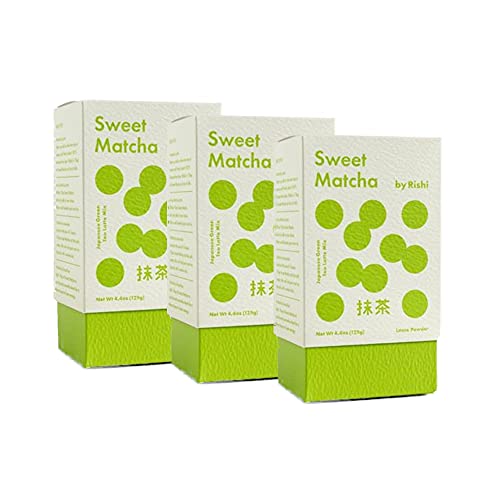
Rishi Tea Sweet Matcha Latte Powder, Naturally Sweet (3-Pack)

Encha Ceremonial Grade Organic First Harvest Matcha, Uji Japan (60g)

Encha Latte Grade Organic First Harvest Matcha, Uji Japan (30g)

Blume Iced Strawberry Matcha Latte with Collagen, Organic (10 Servings)
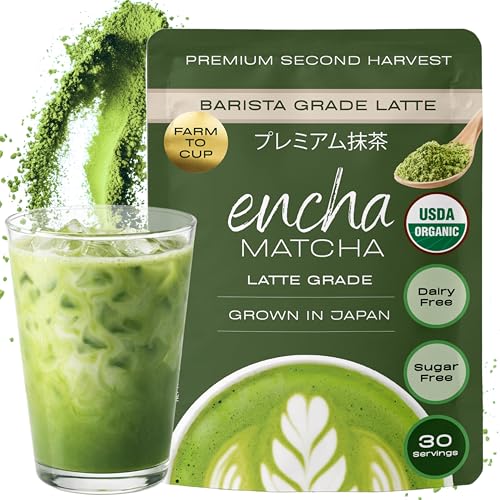
Encha Barista Grade Organic Matcha Powder, Smooth Milk-Friendly Blend (30g)
More Details On Our Top Picks
SOKYO’s Shizuoka Ceremonial S draws from a region long associated with careful tea cultivation, and the 30g tin is sized for steady home use rather than occasional whisking. Shaded growing (a method where tea plants are covered before harvest to boost chlorophyll and amino acid content) concentrates the amino acids that produce umami, the savory, brothy depth you taste before any bitterness arrives. In a latte, that translates to a rounder base that holds its own against milk and any sweetener you add.
For drinkers who want a traditional backbone without buying in bulk, this 30g format strikes a reasonable middle ground. The powder is fine enough to whisk into hot water first, then blend with steamed milk for a smooth, vibrant cup. The smaller tin is also a good trial size if you are still calibrating how much matcha you actually drink each week.
Features That Help
- Shaded cultivation in Shizuoka boosts the umami profile, so the powder reads savory rather than grassy when mixed into milk.
- The 30g tin fits a casual daily routine without committing to the 500g bulk option that ships separately.
- Ceremonial grade signals a leaf quality meant for traditional preparation, which translates well to lattes where the green tea flavor is the main event.
Worth Noting
- The aroma depends on the brick-furnace drying method, which some drinkers find more toasted than floral.
- Once opened, the tin should be stored cool and sealed tightly to keep the color and flavor from dulling over a few weeks.
Whose Shelf It Belongs On
Traditionalists who want a single-origin ceremonial powder to anchor their morning latte ritual.
Look Elsewhere When
Akira Matcha (25 x 1.5g Sticks) is a better fit for commuters who need pre-portioned sticks instead of a tin to measure from each morning.
Akira Matcha arrives in 25 individual 1.5g sticks, each one a pre-measured serving of organic ceremonial powder. For anyone who has ever over-scooped and ended up with a bitter cup, the stick format removes the guesswork entirely. Tear one open, pour into your mug or shaker bottle, and you are already at a balanced ratio for an 8-10 ounce latte.
Compared to a tin, the sticks also help with freshness. You only crack the seal on what you will drink that day, and the rest of the box stays protected from air, light, and humidity. For office kitchens, gym bags, or hotel rooms, that convenience is genuinely useful rather than just a marketing line.
Everyday Wins
- 1.5g per stick means consistent strength cup after cup, no scale or scoop required.
- Organic Japanese ceremonial powder with a clean, unsweetened profile that lets you choose your own sweetener level.
- 25 sticks cover a full month of daily lattes for one person, easier to plan around than a bulk bag.
Trade Offs
- Sticks create more packaging waste than a single tin, an honest concern for shoppers trying to reduce it.
- The pre-portioned size is fixed, so adjusting down to a half-serve for a smaller mug is awkward.
Right Fit For
Commuters and office drinkers who want a balanced ceremonial matcha in their bag without measuring gear.
Skip It When
Aiya Sweetened Matcha Powder to Go Sticks is the better move for travelers who actually want sugar built into the serving.
The Republic of Tea’s Organic Double Green Matcha is one of the easiest on-ramps into matcha drinking because it skips the tools entirely. Each tea bag blends organic Japanese matcha powder with whole green tea leaves, so you get a brighter, fuller cup by steeping the way you would any other bag. No chasen (the traditional bamboo whisk used to break up matcha clumps), no sifter, no clumps at the bottom of the mug.
For a latte, the bag steeps directly in hot water, then you add steamed milk and any sweetener. The grassiness is moderate, the finish is clean, and the format lowers the barrier for anyone who has been curious about matcha but unsure where to start.
The Value In It
- Tea bag format means no whisk, sieve, or learning curve, which matters most for first-timers.
- 50-count box gives you a long runway to decide whether you like matcha before investing in a tin and tools.
- 100% organic ingredients, with the matcha component sourced from Japan.
Minor Gripes
- You will not get the same dense, frothy head that a whisked ceremonial matcha produces.
- Steeping time matters here, so leaving the bag in too long can pull a more astringent edge into the milk.
Best Suited To
Curious newcomers who want to taste matcha flavor without buying equipment or measuring powder.
Consider Something Else When
Encha Latte Grade Organic First Harvest Matcha is the stronger match once you are ready to whisk your own lattes at home.
The Republic of Tea’s SuperGreen Brain Boost leans into the functional side of matcha drinking, layering Japanese matcha with green tea leaves and herbs like Ginkgo Biloba. The intent is a gentle midday lift without the jitters that come from a second or third coffee, and the bag format keeps the brewing process as simple as steeping any standard tea.
For a latte, the bag steeps in hot water first, then you top with warm or steamed milk. The result is a softer, more aromatic cup than a straight matcha shot, with an herbal note from the added botanicals. It is a thoughtful choice for desk-side brewing.
Good Reasons To Consider
- Built around a small caffeine lift paired with Ginkgo Biloba, suited to mid-afternoon focus work.
- Pre-portioned tea bags mean consistent strength and zero powder cleanup.
- Steeping in 6oz of near-boiling water for 1-3 minutes is forgiving, so you can adjust the intensity cup to cup.
Honest Caveats
- The herbal additions mean the flavor profile is more aromatic than a pure matcha, which may not appeal to purists.
- Over-steeping past the 3-minute mark can bring out a more bitter edge once the milk is added.
Who It Suits Best
Office workers and students who want a steady, low-jitter matcha-flavored tea for the afternoon block.
Swap It Out When
Rishi Tea Sweet Matcha Latte Powder is the better fit for anyone who wants a sweet, ready-to-blend latte base in a larger multi-serve tin.
Aiya’s Sweetened Matcha to Go sticks are designed for the moment you want a latte and have nothing on hand except hot water and a mug. Each stick holds a pre-sweetened ceremonial grade matcha portion, so you pour, stir, add milk, and the cup is finished. No syrups, no sugar jar, no whisk to wash when you get back to the hotel.
The sticks are individually sealed, which keeps the powder fresh through long flights or a week of carry-on commuting. For anyone whose latte habit survives on the road, this format solves more problems than it creates.
What Earns Its Place
- Pre-sweetened single-serve sticks make a complete latte in two minutes, with no sugar jar required.
- Vegan-friendly, non-GMO, and gluten-free, covering most dietary preferences without separate shopping.
- Ceremonial grade powder, so the matcha flavor still leads rather than the sweetener.
Some Limits To Know
- Sweetness is built in, so adjusting the sugar level for a less sweet cup is not really an option.
Made For
Frequent travelers and hotel-room drinkers who want a clean matcha latte without bringing any equipment along.
Another Choice May Suit
Akira Matcha (25 x 1.5g Sticks) is the better alternative if you want stick convenience but prefer an unsweetened powder to control sugar yourself.
Rishi Tea’s Sweet Matcha is a pre-blended latte powder that mixes Japanese matcha with pure cane sugar, so the sweetening step is already done for you. The 3-pack format covers a steady household routine, with each tin making roughly 10 lattes depending on how strong you like them. For a hot latte, iced latte, or even a matcha lemonade, the powder dissolves without gritty residue at the bottom of the glass.
This is the kind of blend that takes the friction out of an everyday habit. You scoop, add hot water, stir, top with milk, and you have a consistent cup every time without thinking about ratios.
What Helps Most
- Pre-blended with cane sugar, so the sweetness is consistent without you measuring syrups or stirring sugar at the bottom of the cup.
- Works equally well in hot, iced, or lemonade formats, giving you variety without a second purchase.
- Certified Kosher and Non-GMO, with no chemical pesticides in the cultivation.
Trade Offs
- Added sugar means dialing back sweetness for a low-sugar diet is not realistic without an alternative product.
- The 3-pack format takes up more pantry space than a single tin would.
Perfect Match For
Busy households and casual drinkers who want a reliable, sweet matcha latte with the simplest possible prep.
Reach For A Different Pick When
Encha Barista Grade Organic Matcha Powder is the better call for home baristas who want an unsweetened base to build their own recipes.
Encha’s Ceremonial Grade matcha comes from first-harvest leaves picked each spring on organic farms in Uji, the region most often credited as the birthplace of Japanese matcha. The leaves are shade-grown, stone-ground, and packaged shortly after milling to preserve the bright green color and fresh aroma. In a latte, the powder whips up smooth and tastes closer to a traditional bowl of matcha than to a sweetened café drink.
The 60g tin is generous for a regular home user, and the ceremonial positioning makes it a thoughtful choice if you want one powder that handles both plain matcha and milk-based drinks without switching brands. For traditionalists, this is the closest entry on the list to a tea-ceremony standard.
Useful Touches
- First-harvest leaves (the youngest, most nutrient-dense spring growth) give a brighter, sweeter cup than later harvests.
- Stone-grinding to a whisper-fine texture means less clumping and smoother whisking in cold milk.
- 60g tin covers roughly 30-40 lattes depending on your strength preference.
Points To Note
- Best brewed with a whisk and warm water first, so a chasen or electric frother is a worthwhile add-on for this powder.
- Once opened, the tin should be stored away from sunlight and used within a few weeks to keep the color vibrant.
The Right Fit
Ceremonial drinkers who want a traditional first-harvest Uji powder that also performs well in milk-based drinks.
Where A Sibling Pick Shines
Encha Latte Grade Organic First Harvest Matcha is the smarter pick for daily milk-heavy lattes where the ceremonial price is hard to justify.
Encha’s Latte Grade takes the same Uji-sourced, first-harvest leaf as the ceremonial tin and tunes the blend specifically for milk. The powder is calibrated so it never tips into bitterness when mixed with dairy or plant-based milk, and the natural sweetness of the leaf comes through once the fat and protein of the milk carry it. For anyone whose daily drink is always a latte rather than a plain matcha shot, this is the smarter buy than reaching for ceremonial grade every time.
The 30g tin is sized for someone drinking one latte most weekdays, with enough headroom to skip a re-order for a while. Sourced from the same farms as the ceremonial line, so quality and traceability stay consistent.
Reasons It Performs
- Blended for milk, so the flavor stays smooth and never bitter even with bolder plant-based milks.
- Stone-ground to a fine powder, dissolving evenly in cold milk without leaving gritty sediment.
- First-harvest Uji leaf, retaining the natural sweetness that cuts the need for added sugar.
Practical Considerations
- Once opened, the tin should be used relatively quickly, as the surface area exposed to air each scoop can dull the color and aroma over a month.
Who Should Grab It
Daily latte drinkers who want a Japanese first-harvest powder tuned for milk rather than for plain ceremonial bowls.
A Better Fit Elsewhere
Encha Ceremonial Grade Organic First Harvest Matcha is the upgrade path for drinkers who split time between plain matcha and lattes and want a single tin for both.
Blume’s Strawberry Matcha blend leans into the flavored end of the category, layering organic strawberry juice powder with stone-ground Shizuoka matcha and a measured amount of hydrolyzed collagen peptides (a broken-down form of collagen designed to dissolve easily in liquid). The intended ritual is an iced latte: a heaping tablespoon mixed with hot water, poured over ice, then finished with your milk of choice. The result reads more like a strawberry-milk-and-matcha fusion than a traditional cup, which is exactly the point.
For households that rotate through flavored drinks in summer, this powder removes the need to keep strawberry syrup on hand. The 2g of coconut sugar per serving keeps the sweetness in a light, balanced range.
Where It Delivers
- Built for iced lattes, which removes the need to keep strawberry syrup or fresh fruit on hand for flavoring.
- Includes 5g of hydrolyzed collagen per serving for drinkers building that into their routine.
- Lightly sweetened with coconut sugar, so the overall cup stays balanced rather than syrupy.
Points To Keep In Mind
- Strawberry flavoring means this is a flavored product rather than a straight matcha, so traditional drinkers may want to skip it.
- For a thicker, creamier result, the powder works best with a richer milk or a small blender rather than a quick stir.
Built With In Mind
Iced latte drinkers who want a strawberry-macha fusion with collagen built in, especially during warmer months.
Not Your Match When
Rishi Tea Sweet Matcha Latte Powder is the better match for households that prefer a straight, sweet matcha base without fruit flavoring.
Encha’s Barista Grade is precision-blended from Japan’s summer and autumn harvests, with the goal of staying smooth and balanced when mixed with milk of any kind. The grind is whisper-fine, so it dissolves readily in cold milk, hot milk, or a quick shake in a mason jar. For home baristas building a wider recipe rotation, the unsweetened base gives you full control over sweetener, syrup, and milk type.
Compared to the Latte Grade from the same brand, this version leans slightly more versatile for non-latte applications like smoothies, baked goods, and overnight oats. The trade-off is a slightly more muted leaf character in a plain matcha preparation, which is why the Latte Grade still wins for the daily-milk crowd.
Real Benefits
- Tuned to stay smooth and vibrant in dairy, oat, almond, or soy milk, so it adapts to whatever is in the fridge.
- Unsweetened base lets you control sugar, syrup, and flavor add-ins cup to cup.
- Whisper-fine grind dissolves easily in cold milk without a high-speed blender.
Honest Caveats
- For a traditional plain matcha bowl, the summer-autumn blend reads slightly less vibrant than a first-harvest ceremonial powder.
- Once opened, owners commonly report flavor and color fading faster if the tin is not resealed quickly between uses.
Who Will Love This
Home baristas and recipe makers who want a versatile matcha base for lattes, smoothies, and baking rather than ceremonial preparation.
Where Another Pick Suits Better
Encha Ceremonial Grade Organic First Harvest Matcha is the better fit for drinkers who split time between traditional bowls and occasional lattes.
What To Weigh Before Choosing Your Matcha
Grade, Origin, and How It Drinks
Ceremonial grade matcha comes from the youngest, most tender leaves of the spring harvest, stone-ground to a fine powder and intended for traditional preparation. The flavor tends to be sweeter, more umami-forward, and lower in bitterness. Latte and barista grades use leaves from later harvests or blends tuned specifically to hold up in milk, where the powder is diluted and any harshness is amplified rather than softened.
For a daily latte, latte or barista grade typically offers the better balance of flavor and value. For drinkers who also want to enjoy matcha the traditional way, ceremonial grade is worth the upgrade on taste alone.
Format and Daily Routine
Tins give you control over serving size but require a tin spoon, a sifter, and ideally a whisk. Sticks remove the measuring step entirely and travel well. Tea bags skip the whisking step but yield a lighter, less frothy cup. Flavored blends and pre-sweetened powders sit on the convenience end of the spectrum and are worth the trade-off for households that rotate through different drinks.
Match your format to the routine you actually keep. A tin for the home brewer, sticks for the office drawer, bags for the curious newcomer.
Storage, Freshness, and Color
Matcha fades once exposed to air, light, and humidity, so bright green color at opening is a useful freshness signal. Tins should be sealed tightly and stored away from the stove or window. Sticks and small pouches keep unused portions protected until you crack them open, which is a real advantage for occasional drinkers.
If you only have a latte a few times a week, smaller packaging can outlast a bulk tin in actual quality, even though the per-serving cost is higher.
Key Considerations Across These Picks
Pitfalls Shoppers Hit
One common slip is buying a ceremonial-grade tin for daily milk-based lattes and feeling the cost more than the flavor. The reverse mistake is reaching for a flavored or pre-sweetened blend expecting traditional matcha character, then being surprised when the taste leans more toward dessert than tea. Match the powder to the drink you actually make most days.
Another easy miss is underestimating storage. A bulk tin that sits open on a counter for two months will look and taste duller than the same product sealed and used quickly, no matter how good it was at the start.
When Paying More Pays Off
Higher-tier matcha earns its price through leaf quality, single-origin sourcing, and stone-grinding at a finer particle size, all of which show up as smoother texture, brighter color, and a cleaner finish. The upgrade matters most for traditional preparation and for lattes where the green tea flavor is the main event rather than a backdrop for syrup and milk.
For sweetened, flavored, or purely functional drinks, the premium often goes into leaf nuance you cannot taste through the added sugar or fruit, so a mid-tier barista blend is the smarter spend.
Frequently Asked Questions
What grade of matcha is best for lattes?
Latte and barista grades are specifically tuned to hold up in milk, delivering smooth flavor without the bitterness that ceremonial grades can develop when diluted. Ceremonial grade works beautifully in a latte, but you pay for nuance that the milk often masks.
Is ceremonial grade matcha worth the extra cost?
For traditional preparation, yes, the leaf quality shows up clearly. For daily lattes, most drinkers will not taste a meaningful difference between ceremonial and a well-made latte grade, so the cost premium is hard to justify unless you also drink it plain.
How should matcha be stored once opened?
Keep the tin tightly sealed, away from direct sunlight, heat, and humidity, ideally in a cool cabinet rather than on the counter next to the stove. A sealed container also helps the color and aroma last longer.
Can I use a regular whisk to mix matcha?
A small kitchen whisk works, though a chasen (bamboo matcha whisk) breaks up clumps more effectively and produces a smoother, frothier cup. An electric milk frother is a workable shortcut for lattes where the milk is frothed separately.
How much matcha should I use per latte?
Most pre-portioned sticks use 1.5g per serving, which is a reasonable starting point for an 8-10 ounce latte. Adjust up or down to taste, with the understanding that more powder intensifies the flavor and the caffeine content.
Closing Remarks
Matcha lattes reward matching the powder to the routine rather than chasing the highest grade on the shelf. Pick a format that fits where you actually drink, and the cup gets noticeably easier.
