

If your morning cup has gone from a quick caffeine top-up to a full ritual, you’ve probably noticed how a good creamer changes everything. Keto, paleo, or just dairy-free: the right MCT coffee creamer delivers a smooth mouthfeel, a steady energy curve, and a cleaner ingredient list than most half-and-half. The category is crowded, though, and the difference between a liquid oil, a powder, and a pre-flavored blend matters more than any label claim.
This roundup breaks down ten of the most interesting options, comparing liquids to powders, flavored to unflavored, and single-ingredient purists to feature-rich blends with prebiotic fiber or collagen. For home baristas who measure every tablespoon, the goal is simple: real options, real trade-offs, and a clear sense of which one suits your kitchen.
A Snapshot Of The Selections

Natural Force Organic MCT Oil Pure Glass Bottle (16 oz)

Opportuniteas Organic MCT Oil Powder Coffee Creamer (10.58 oz)

Left Coast Performance Organic Coconut MCT Oil Liquid (16 fl oz)
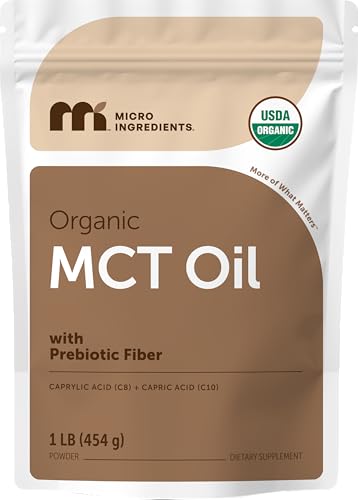
Micro Ingredients Organic MCT Oil Powder with Prebiotic Fiber (1 lb)

Micro Ingredients Multi Collagen Peptides Powder (2 lb, 82 Servings)

BUBS Naturals MCT Oil Powder (10.6 oz)
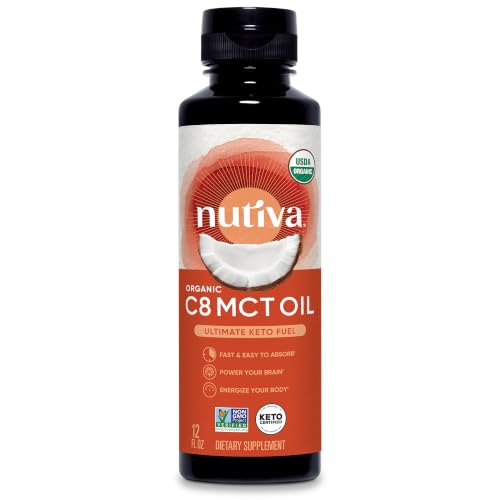
Nutiva Organic Liquid MCT Oil C8 (12 fl oz)

Perfect Keto MCT Oil Supplement Powder, Chocolate (30 Servings)

Micro Ingredients Organic Coconut Milk Powder (2 lb)

Bulletproof Original Keto Coffee Creamer with MCT Oil (14.8 oz)
A Deeper Look At The Lineup
The Natural Force bottle is what you reach for when the plastic jug under the sink is starting to feel like the wrong choice. The oil comes in a recyclable glass bottle with a plant-based label and a food-grade aluminum cap, which keeps the packaging footprint small. Inside, you get 14 grams of full-spectrum medium-chain triglycerides per tablespoon: a blend of C8, C10, and C12 fatty acids, the three most common MCTs (medium-chain triglycerides, fats your body can convert into energy faster than long-chain fats) drawn from organic virgin coconut oil.
For keto, paleo, or whole-food shoppers, that blend hits a sweet spot. C8 and C10 are the most readily converted into ketones, and C12 adds a small dose of slower-burning energy. You’ll notice the oil stays liquid at room temperature and stirs into hot coffee without seizing up the way coconut cream can. The trade-off is simple: you measure every tablespoon, and there’s no flavor to mask bitterness if your beans run dark.
Practical Advantages
- 14g of full-spectrum MCTs per tablespoon covers most morning routines in a single pour.
- Glass bottle and aluminum cap keep plastic away from hot liquids during pouring.
- Certified organic, keto, paleo, kosher, vegan, and non-GMO, so it fits a wide net of dietary rules.
- Zero sugar, zero carbs, and 125 calories per serving keep macros predictable.
Trade Offs
- Liquid MCT can pool on top of cold brew or iced coffee without vigorous stirring.
- Glass, while recyclable, weighs more to ship and demands careful storage on crowded shelves.
Who Should Grab It
Home baristas who care about ingredient sourcing and want a single bottle that works across coffee, smoothies, and salad dressings.
Swap It Out When
The Opportuniteas Organic MCT Oil Powder is a better match for anyone who wants a scoop-and-go powder that dissolves into iced drinks without an emulsion blender.
Where the Natural Force pick is a liquid in glass, Opportuniteas is a fine powder in a pouch, and that swap changes your morning. The powder form, made from organic coconut-derived MCTs, dissolves into both hot and cold drinks without the oily film you sometimes get from liquid MCT. For iced coffee, an iced latte, or a smoothie, it’s a noticeable upgrade in mouthfeel.
It’s unflavored and USDA Organic, so it won’t push your beans in any particular direction. Soy-free, gluten-free, vegan, and non-GMO round out the label. The 10.58 oz jar sits in a small apartment kitchen without dominating the counter, and a single scoop turns a 12 oz mug into something that feels like half-and-half with cleaner macros.
Real Benefits
- Disperses into iced coffee without an immersion blender, which is rare for MCT products.
- Clean ingredient list, so it works for soy-free, gluten-free, and vegan households without compromise.
- Powder format is travel-friendly, and you can pre-portion scoops into a shaker for the gym or office.
- Versatile enough to fold into pancake batter, oatmeal, or a breakfast bowl without changing the flavor profile.
Points To Keep In Mind
- Powdered MCTs typically use a small amount of carrier fiber to stay free-flowing, so the macros per serving differ slightly from a pure liquid oil.
- The 10.58 oz jar runs through quickly for households sharing two scoops per cup, every morning.
Made For
Clean-label home bakers and smoothie-makers who want an organic powder that blends clean and won’t fight the rest of the recipe.
A Better Fit Elsewhere
The Micro Ingredients Organic MCT Oil Powder with Prebiotic Fiber suits anyone who wants added fiber in their daily mug along with the same powder convenience.
Left Coast Performance pitches itself to a specific kind of shopper: the one who reads the back of the bottle. Per serving, you get 7.7g of C8 caprylic acid and 4g of C10 capric acid, the two fatty acids most often cited for ketone production and steady energy. Compare that to the Natural Force blend, which adds C12 to the mix, and you start to see the difference between a full-spectrum oil and a more targeted C8-C10 formula.
The format is a 16 fl oz liquid bottle, so it works just like the Natural Force option. One tablespoon goes into coffee, into a pre-workout shake, or over a salad. The narrower fatty-acid focus appeals to intermittent fasters and people who want the cleanest ketone conversion without the heavier C12 fraction. The honest read is that you trade a slightly broader fatty-acid profile for a more transparent label.
Where It Delivers
- Clearly stated C8 and C10 content per serving, useful for anyone tracking macros by the gram.
- Liquid format stirs into a hot mug with a spoon and disappears into hot drinks cleanly.
- Skip-the-capsule convenience, since one tablespoon replaces a handful of MCT softgels.
- Sourced from organic coconut, fitting cleanly into keto, paleo, and low-carb routines.
Small Caveats
- Some users with sensitive stomachs report that high-C8 formulas hit harder on an empty stomach, so start with a half tablespoon if you’re new.
- No added flavors, so the coconut character comes through clearly in light-roast coffees.
Best Suited To
Data-driven keto followers who want named C8 and C10 grams on the label and prefer a liquid over a powder.
Not Your Match When
The Nutiva Organic Liquid MCT Oil C8 is a smarter pick for shoppers who want a pure single-MCT oil with no C10 at all.
Micro Ingredients stacks a 70/30 C8-to-C10 MCT powder with prebiotic fiber, and that combination is the entire pitch. The prebiotic fiber, the kind of soluble fiber that feeds beneficial gut bacteria, gives the powder a slightly thicker mouthfeel than a pure MCT powder. For people who want their morning mug to feel like a real creamer instead of a thin supplement, that texture shift matters.
It’s a 1 lb pouch, so the per-serving cost lands well below the smaller jars. No GMOs, no irradiation, no fillers, no artificial colors, no gluten, no pesticides, and no soy. The powder is unflavored, which keeps it versatile for cooking or shakes. One trade-off to keep in mind: the added fiber can occasionally leave a slightly gritty mouthfeel if you skip the stir.
The Good Stuff
- 70% C8 and 30% C10 split leans toward fast-converting fatty acids, which is the more ketogenic side of the spectrum.
- Prebiotic fiber supports digestion, a small but real benefit for daily drinkers.
- 1 lb size delivers a long shelf life and lower per-serving cost than most smaller jars.
- Vegan-friendly and free from the most common allergens, so it crosses dietary lines easily.
Honest Caveats
- Adding the fiber changes the macro count per scoop, so the net MCT grams are lower than a pure powder at the same weight.
- Prebiotic fiber can cause mild bloating in some users during the first week of daily use.
Right Fit For
Gut-conscious daily drinkers who want one scoop that covers both energy and fiber, and who don’t mind trading a bit of pure-MCT density for that.
Look Elsewhere When
The Opportuniteas Organic MCT Oil Powder is a cleaner alternative for anyone who wants pure organic MCT powder without the added fiber component.
This one breaks the creamer pattern on purpose. Micro Ingredients Multi Collagen Peptides Powder is technically a collagen supplement, not an MCT creamer. The reason it earns a spot here is that a lot of people stack collagen into their morning mug right next to their MCT powder, and this 2 lb tub is one of the most efficient ways to do it. Up to 11g of hydrolyzed collagen peptides per serving from pasture-raised bovine, chicken, marine, and eggshell sources, covering types I, II, III, V, and X.
It’s unflavored, so it disappears into coffee, smoothies, or tea without a fight. Hydrolyzed collagen, which is collagen broken into smaller chains for easier mixing and absorption, dissolves best in warm or hot liquids. You can run it alongside any of the MCT picks in this roundup, and the 2 lb format stretches across roughly 82 servings.
Useful Highlights
- Five collagen types in one scoop, including type I for skin and type II for joints.
- 2 lb pouch lasts about three months at a daily scoop, which lowers the per-serving cost noticeably.
- Pasture-raised bovine and marine sources suit a wide range of preference-based diets.
- Unflavored profile pairs with hot coffee without clashing, so it functions as a quiet add-in.
Factors To Consider
- Not a direct MCT creamer, so you still need an MCT product alongside it to hit the energy angle.
- Marine-sourced collagen makes this a no-go for anyone with a fish or shellfish allergy.
Who Will Love This
Routine-builders who want to stack collagen into their morning mug without buying a separate creamer and supplement.
Another Choice May Suit
For shoppers who want a single product that does both, the Perfect Keto MCT Oil Powder in Chocolate is a more self-contained option for a sweet, creamy mug.
BUBS Naturals leans into the active-user angle. The powder is a 65% C8 and 35% C10 blend sourced from virgin coconut oil, and it’s marketed toward people who want quick energy before a workout, a long drive, or a focused morning. The brand also positions it for satiety, meaning the feeling of fullness between meals, which matters if you’re running a longer fasting window.
It’s vegan and paleo friendly, and the powder form handles both hot and cold drinks. The 10.6 oz jar is mid-size, so it suits a single-person household running one or two scoops a day. Compared to the Micro Ingredients powder, BUBS skips the prebiotic fiber, which keeps the macros tighter and the ingredient list shorter. If you want a clean, no-frills keto coffee creamer for an active routine, it fits.
Everyday Perks
- 65/35 C8-C10 ratio favors fast-converting fatty acids over fuller blends.
- Powder format dissolves into cold brew and protein shakes without an oily layer.
- Vegan and paleo friendly, with no dairy, no soy, and no gluten on the label.
- Single-ingredient focus, so it works as a daily add-in without flavor fatigue.
Where It Is Less Suited
- No flavoring, so dark, bitter roasts still taste like themselves, for better or worse.
- The 10.6 oz size runs out faster than a 1 lb pouch if you stack it into multiple drinks a day.
Whose Shelf It Belongs On
Athletes and intermittent fasters who want a clean, plant-based powder that supports energy and satiety through longer stretches between meals.
Reach For A Different Pick When
The Perfect Keto MCT Oil Powder in Chocolate suits morning drinkers who want a flavored powder to take the edge off black coffee.
Nutiva strips the category down to one fatty acid: caprylic acid, the C8 chain. That’s the MCT most often associated with quick ketone conversion and a fast mental energy lift, and the brand leans into it directly. The oil is unflavored and odorless, so it slides into coffee, salad dressings, or a smoothie without taking the flavor anywhere new. Compared to the Left Coast Performance bottle, this is a more targeted single-MCT experience with no C10 or C12 in the mix.
The 12 fl oz bottle is BPA-free, and the airtight black bottle blocks sunlight, since light and heat can degrade MCT oil over time. USDA Organic and Fair Trade Certified, with no taste or odor, makes it a quiet workhorse. The honest read: pure C8 is great for focused ketone chasers, but the narrower fatty-acid profile means it doesn’t deliver the broader energy curve of a blend.
Points In Its Favor
- 93% medium-chain triglycerides from organic coconut oil, an unusually high concentration.
- Caprylic acid (C8) converts quickly into ketones, useful for fasted mornings and mental clarity.
- Odorless and tasteless, so it won’t change the character of a delicate pour-over.
- Airtight black bottle protects the oil from light-driven degradation during storage.
A Few Limitations
- Pure C8 can hit harder on the stomach than a C8-C10 blend, especially on an empty stomach, so a smaller first dose is wise.
- 12 fl oz is a smaller bottle than the 16 oz options in this roundup, so you refill more often.
Perfect Match For
Focused ketone chasers and fasted-morning drinkers who want pure caprylic acid without the broader MCT spectrum.
Where A Sibling Pick Shines
The Left Coast Performance Organic Coconut MCT Oil Liquid covers the same liquid format with a more balanced C8-C10 split for everyday keto routines.
The Perfect Keto powder is the one you grab when you want coffee that tastes like a treat. The chocolate flavor leans on cocoa notes to take the edge off black coffee, and the 70% C8 / 30% C10 split mirrors the kind of fatty-acid ratio other unflavored powders in this list use. One container runs about 30 servings, and each scoop delivers 7g of MCT oil powder in a dairy- and gluten-free oat-bran mix.
It’s mess-free in the way a powder usually is, no measuring oil, no greasy spoon, and it dissolves into a mug with a quick stir. The chocolate flavor works well with medium and dark roasts, and it doubles as a quick smoothie base. The honest read: you trade the clean, single-ingredient profile of unflavored powders for a flavored one, but you also get a mug that doesn’t need sweetener or syrup to taste like something.
Where It Excels
- Chocolate flavor softens bitter roasts, so a regular drip coffee starts to feel like a mocha.
- 70/30 C8-C10 split favors fast-converting fatty acids over a slower-burn profile.
- 30 servings per container is roughly a month of daily use, easy to plan around.
- Dairy- and gluten-free oat-bran base avoids the most common allergens.
Potential Compromises
- Flavored powders contain sweeteners and flavoring agents, which won’t suit strict single-ingredient shoppers.
- Chocolate flavor can clash with light, fruity single-origin coffees if you brew those at home.
Built With In Mind
Sweet-coffee devotees who want a flavored, low-fuss powder that turns a basic mug into something dessert-adjacent without syrup or sugar.
Skip It When
The Opportuniteas Organic MCT Oil Powder is a better fit for unflavored purists who want a single-source organic powder with no flavoring on the label.
This one bends the category in a useful direction. Micro Ingredients Organic Coconut Milk Powder is technically a creamer, not a pure MCT supplement, but it sits in the same pantry zone. The 2 lb pouch is the size of a family-sized flour bag, and the powder turns coffee, tea, and smoothies rich and creamy without any dairy. Non-GMO, gluten-free, soy-free, and free from artificial colors or flavors.
For households running two or three mugs a day, plus weekend baking, the 2 lb size keeps the jar in rotation for months. The catch is that coconut milk powder isn’t an MCT isolate, so the medium-chain triglyceride content per scoop is lower than a dedicated MCT powder. Think of it as a creamy base layer, not a precision ketone tool, and it earns its place for the right kind of kitchen.
Noteworthy Benefits
- 2 lb pouch is one of the largest plant-based creamer sizes in this roundup, well-suited to family kitchens.
- Rich coconut creaminess softens acidic light-roast coffees without needing added sweetener.
- Dairy-free, soy-free, and gluten-free, so it works for allergy-conscious households.
- Versatile across baking, curries, and breakfast bowls beyond just coffee.
Details To Watch
- Coconut milk powder delivers a milder coconut note than an unflavored MCT powder, which can dominate light-roast pour-overs.
- The 2 lb pouch needs a sealed clip or canister after opening to keep moisture out.
The Right Fit
Family kitchens and home bakers who want a creamy, dairy-free base that works across coffee, baking, and breakfast without restocking weekly.
Consider Something Else When
The Opportuniteas Organic MCT Oil Powder is the better call for shoppers who want higher MCT grams per scoop with a smaller jar.
The Bulletproof creamer is the closest thing on this list to a turnkey keto coffee. The 14.8 oz tub is a shelf-stable powder that combines MCT oil with grass-fed butter components, mimicking the kind of butter-coffee blend the brand helped popularize. Available in original, French Vanilla, and Pumpkin Spice, it leans into the flavored-creamer crowd more than the unflavored-powder camp.
It’s the easiest entry point on the list for someone who wants a coffee that already feels like a latte without pulling out the butter and the blender. The trade-off is what you’d expect: it’s a formulated creamer with multiple ingredients rather than a single-source MCT, so it won’t appeal to purists chasing unflavored powders. For office mugs, travel, and shared kitchens, though, the format is hard to beat.
Bright Spots
- Shelf-stable powder means no refrigeration, ideal for shared kitchens or desk drawers.
- Combines MCT with grass-fed butter components in one scoop, simplifying the morning routine.
- Multiple flavor options (Original, French Vanilla, Pumpkin Spice) cover a range of taste preferences.
- Pre-portioned powder eliminates measuring spoons of oil and pats of butter.
Things To Weigh Up
- Multiple ingredients and added flavors mean it’s not a fit for strict single-source shoppers.
- Sweetened flavor options may not suit those running a strict low-carb or fasting protocol.
Who It Suits Best
Office and travel drinkers who want a low-fuss keto creamer that turns a basic drip coffee into something richer with one stir.
Look Elsewhere When
The Perfect Keto MCT Oil Powder in Chocolate is the better fit for shoppers who want a chocolate flavor with a cleaner single-source powder base.
Picking The Right MCT Coffee Creamer For Your Routine
The MCT coffee creamer category splits along a few useful lines. The first split is liquid versus powder. Liquid MCT oils, like the Natural Force and Left Coast Performance options, are typically a single ingredient with no fillers, but they need a spoon or a small whisk to dissolve into cold drinks cleanly. Powders, like Opportuniteas or BUBS Naturals, blend into iced and hot coffee with a stir, and many include a small amount of carrier fiber to keep them free-flowing. The trade-off is the same across the board: powders trade a touch of pure-MCT density for genuine convenience.
The second split is the fatty-acid ratio. C8 caprylic acid is the fastest-converting MCT, and pure C8 oils like Nutiva’s lean fully into that. C10 capric acid follows, and a C8-C10 blend, like the BUBS Naturals or Perfect Keto options, gives you a slightly more rounded energy curve. Full-spectrum blends, like the Natural Force, add C12 lauric acid on top, which digests more slowly and rounds out the day. None of these is inherently better; the right one depends on whether you want a sharp morning lift, a steady arc, or something in between.
The third split is plain versus enhanced. Plain MCT oils and powders give you complete control over flavor, ideal if you brew specialty coffee and want the beans to lead. Enhanced options, like the Bulletproof creamer with grass-fed butter components, or the Perfect Keto chocolate powder, come pre-flavored and pre-built for a specific kind of mug. For households running a basic drip machine, an enhanced option saves a step. For pour-over setups, plain is usually the cleaner call.
Format matters more than people expect. Glass bottles, like the Natural Force, feel premium but weigh more. Plastic bottles are lighter but less recyclable. Powders in pouches, like the Micro Ingredients 2 lb, take less space on a shelf but need a clip after opening. For shared kitchens, smaller jars are easier to pass around; for single-person routines, a 1 lb or 2 lb pouch runs longer and costs less per serving.
Common Pitfalls Worth Dodging
Where Shoppers Go Wrong
A lot of first-time buyers reach for the largest jar, the 2 lb coconut milk powder or the 1 lb MCT pouch, without considering how fast they’ll actually use it. MCT products are sensitive to heat, light, and moisture, and a half-used pouch sitting in a warm pantry loses quality faster than a small jar that gets used up quickly. A smaller container that you’ll finish in a month almost always performs better than a giant pouch that sits for three.
The other common slip-up is ignoring the carrier ingredients in powders. Pure MCT powder is almost always blended with a small amount of acacia fiber, tapioca, or another carrier to keep it free-flowing. That’s normal, and it’s the reason powders dissolve so well, but the macros per scoop shift compared to a pure liquid oil. Reading the supplement panel once, before you commit, prevents the surprise of “why am I not hitting the same macro target as my friend who uses the liquid?”
When Paying More Pays Off
The jump from a budget MCT powder to a premium option usually buys you one of three things: a tighter fatty-acid specification (named C8 and C10 grams on the label), cleaner sourcing (USDA Organic, Fair Trade, pasture-raised), or a better package (glass instead of plastic, airtight black bottle, resealable pouch). For a casual daily drinker, the budget tier works fine. For someone building a long-term routine around macros, sourcing, or flavor consistency, the upgrade shows up quickly.
Where the premium tier really earns its price is in single-MCT oils, like the Nutiva C8, and full-spectrum glass-bottle options, like Natural Force. The tighter the specification, the more you can rely on a consistent experience, and the glass and aluminum packaging keeps the oil from picking up any plastic-derived taste over months of use.
Key Considerations Across These Picks
Mistakes Worth Dodging
Most early mistakes in this category come down to format confusion. Shoppers expecting the creaminess of a half-and-half often grab a pure liquid MCT oil and feel underwhelmed, since the mouthfeel is thinner and the flavor is neutral. Others reach for a coconut milk powder expecting MCT-level energy per scoop, and the macros fall short of what they planned. The right product matches both your taste and your macro goal, and reading the supplement panel once usually clears it up.
Another common trap is assuming all MCT products are interchangeable. A pure C8 oil hits the bloodstream faster than a full-spectrum C8-C10-C12 blend, and a powder with prebiotic fiber behaves differently in a sensitive gut than a pure MCT oil. Build up gradually, especially with higher-C8 formulas, and you’ll avoid the stomach upset that sometimes shows up in the first week of a new routine.
Where The Extra Money Goes
The price gap in this category usually maps to three things: sourcing transparency, packaging material, and fatty-acid precision. USDA Organic certification costs more to maintain, glass bottles and airtight pouches cost more than plastic jugs, and a named C8/C10 gram count on the label requires tighter lab testing. None of that is required to enjoy a daily MCT coffee, but each one shows up in the experience, and for shoppers building a long-term routine, the upgrade is often worth the difference.
Frequently Asked Questions
What does MCT actually do in coffee?
MCTs are medium-chain triglycerides, fats your body can convert into energy faster than the long-chain fats in most oils. In coffee, they add a creamy mouthfeel and a more stable energy lift than sugar, which is why they show up in so many keto and low-carb morning routines.
Liquid or powder, which is better?
Liquids, like the Natural Force or Nutiva options, give you a single-ingredient oil with no fillers, and they shine in hot drinks. Powders, like Opportuniteas or BUBS Naturals, blend into iced and cold coffee more cleanly and travel well. The right one depends on your drink temperature and your sensitivity to filler ingredients.
How much MCT should a beginner start with?
A common starting point is one teaspoon, around 5 grams, to see how your stomach responds. Some people with sensitive digestion work up slowly from there to a full tablespoon over a week or two, since high-C8 formulas in particular can cause discomfort on an empty stomach.
Can MCT creamer replace a meal?
MCT coffee creamers add fats and a small calorie bump, but they don’t deliver the protein, fiber, or volume of a meal. For intermittent fasters, that’s the point, but for anyone relying on coffee as breakfast, a protein or fiber add-in like the Micro Ingredients collagen powder fills the gap.
Is flavored MCT powder still considered keto?
It depends on the sweetener. Powdered MCT products that use erythritol, monk fruit, or stevia keep carbs low and stay inside a typical keto plan. Flavored creamers that use sugar or maltodextrin push the carb count up, so the label matters more than the front-of-bag flavor name.
Final Takeaway
The best MCT coffee creamer is the one you’ll actually reach for on a Tuesday morning at 6:30 a.m. without thinking. Match the format to your drink, the fatty-acid ratio to your energy goal, and the ingredient list to your standards, and the rest of the choices tend to fall into place. A small jar that finishes in a month will out-perform a giant pouch that sits on the shelf, every time.
