
A dependable cup of medium dark roast sits in the sweet spot most morning routines quietly ask for: deeper than breakfast blend, brighter than a French roast, with enough body to handle milk and enough acidity to read as a real coffee, not just a caffeine delivery system. The picks below cover familiar names, single-origin lots, ground options for drip brewers, and whole beans for anyone who grinds fresh. The list spans everyday drinkers, organic shoppers, and people chasing something a little more distinctive from countries like Ethiopia, Sumatra, Nicaragua, Peru, and Tanzania.
An Overview Of The Picks

Yaucono Ground Coffee, Medium Roast, Puerto Rico, 14 oz Bag

Black Rifle Coffee Company CAF 5 lb Bag, Ground Coffee Medium Roast

Dunkin’ Original Blend Medium Roast Ground Coffee, 30 oz Canister

Tiny Footprint Coffee Nicaragua Segovia Dark Roast Whole Bean, 3 lb

Tiny Footprint Coffee Nicaragua Segovia Dark Roast Ground, 16 oz
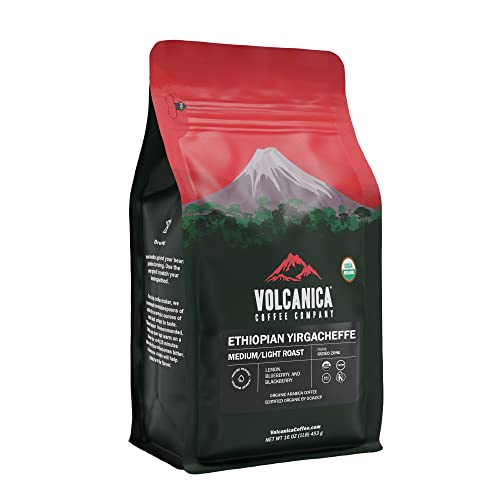
Volcanica Ethiopian Yirgacheffe Whole Bean, 16 oz
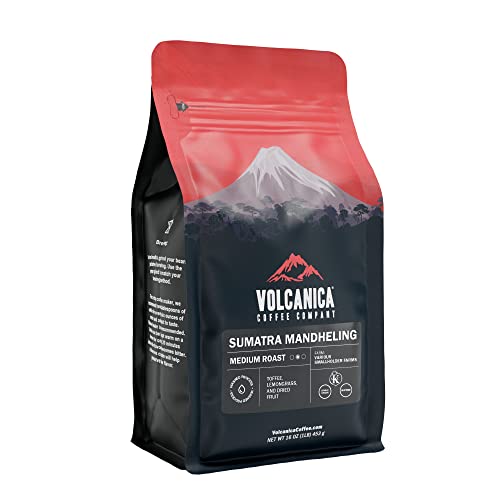
Volcanica Sumatra Mandheling Medium Roast Whole Bean, 16 oz
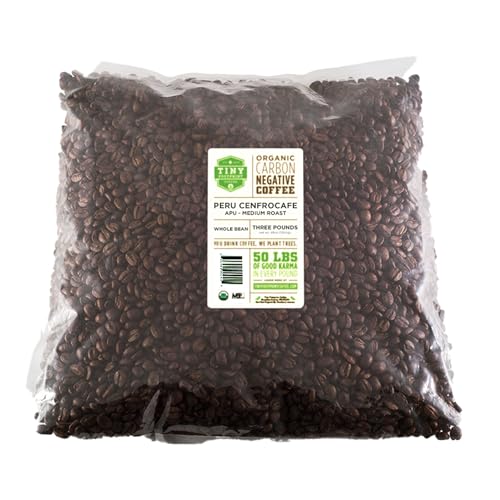
Tiny Footprint Coffee Peru APU Medium Roast Whole Bean, 3 lb

Volcanica Tanzania Peaberry Whole Bean, 16 oz

Tiny Footprint Coffee Organic Signature Blend Light Roast Whole Bean, 3 lb
What Each Pick Brings To The Table
Yaucono shows up first because it does the simple job very well. The 14 oz bag delivers a smooth, balanced medium roast milled to a fine grind, and it has been a familiar name in Puerto Rican kitchens for decades. For a basic drip brewer or a stovetop moka pot, it pours clean and steady, without the bitter edge some supermarket blends pick up.
You’ll find it lands somewhere between a traditional American breakfast coffee and a slightly rounder, fuller-bodied cup, which makes it flexible across a long morning. If your household runs through a pot quickly and you want something consistent and unfussy, this is the kind of bag that disappears without anyone commenting on it, in a good way.
Positive Takeaways
- Fine grind that behaves well in drip machines and moka pots, so there’s little fussing with settings.
- Smooth, balanced roast profile that pairs comfortably with cream, sugar, or a black cup.
- Reliable everyday character: it’s the kind of medium roast that works for a quick weekday cup or a slower weekend pot.
Things To Consider
- Ground form means the bag loses peak freshness faster than whole bean options, so smaller bags and quicker turnover help.
- The cup leans classic and mild, which may feel flat if you chase a punchy, single-origin flavor profile.
Feature Snapshot
Made For
Everyday drip coffee drinkers and households that want a familiar, no-drama medium roast in a manageable bag.
Consider Something Else When
Single-origin drinkers who want more fruit and complexity should look at the Volcanica Ethiopian Yirgacheffe instead.
Where Yaucono is the quiet kitchen regular, Black Rifle Coffee Company’s CAF blend is the loud, high-caffeine cousin. The 5 lb bag holds a medium roast ground coffee built around Arabica beans from Colombia and Brazil, and the brand leans on the “Silencer Smooth” framing to balance the extra caffeine boost.
For a busy office, a hunting cabin, or a household that pushes through several pots a day, a bag this size saves constant reordering. You’ll taste a classic cafe-style profile with smoky maple and milk chocolate hints, which holds up nicely with milk and sweeteners without losing its center.
Where It Excels
- Bulk 5 lb format that suits offices, large households, and high-volume drinkers who burn through a smaller bag in a week.
- Double the caffeine of a standard medium roast, which can replace a second cup on long workdays.
- Smoky maple and milk chocolate notes that stay readable even when the pot sits on a warmer a little too long.
- Arabica base from Colombia and Brazil, the kind of sourcing most people are comfortable drinking every day.
Worth Noting
- Ground format once again limits window of peak freshness; you’ll want a sealed container and steady use to keep it tasting right.
- Higher caffeine content is a feature for some and a drawback for anyone sensitive to stimulants, especially in the afternoon.
Right Fit For
High-volume drinkers, shared workspaces, and anyone who wants a single bag to last through several weeks of heavy morning traffic.
Skip It When
Light, single-origin lovers will find a much better fit in the Tiny Footprint Coffee Organic Signature Blend Light Roast later on this list.
Dunkin’s 30 oz canister is the grocery aisle option that most people recognize from the drive-through. It’s a medium roast ground coffee built with Arabica beans, sold in a stay-fresh canister that sits nicely on a counter or in a pantry. The flavor is intentionally easy-drinking, which is exactly the point.
You can use it in a drip machine, an iced batch brew, or a basic pour-over without it feeling underpowered. The 30 oz size is a smart middle ground between a small bag that runs out in a few days and a 5 lb monster bag. For households that want a familiar, consistent cup, this one is hard to argue with.
The Value In It
- Versatile enough for hot cups, iced pitchers, and casual entertaining without any special technique.
- 30 oz canister is a comfortable size for two-cup-a-day households that don’t want to reorder constantly.
- Stay-fresh canister design helps limit the staleness that comes with opened ground coffee.
- Brand familiarity and a wide retail footprint make it easy to refill locally in a pinch.
Trade Offs
- Ground coffee is a step behind whole bean in terms of peak flavor once the canister is opened.
- The profile is intentionally mild, so people chasing distinctive single-origin character may find it unexciting.
Best Suited To
Everyday households that split their coffee between hot mugs, iced pitchers, and the occasional guest pour.
Look Elsewhere When
Drinkers who want a deeper, earthier body should consider the Volcanica Sumatra Mandheling instead.
Tiny Footprint shifts the conversation from “just coffee” to “coffee with a story attached.” The Nicaragua Segovia is a dark roast whole bean, USDA Organic, Fair Trade Certified, and the brand’s carbon-negative framing is built into the bag. Sourced through the PRODECOOP cooperative, it’s a single-origin option that pulls its weight ethically as well as in the cup.
On the table, expect bold dark roast tones anchored by chocolate, with traditional Nicaraguan accents of apricot, fig, and a soft spice lift. The 3 lb size rewards home grinders who want to keep a couple of weeks of fresh coffee in rotation. For a daily drinker who cares about sourcing, this is a meaningful upgrade over a generic bag.
What Pays Off
- Whole bean format that, paired with a home grinder, gives a noticeably fresher cup than pre-ground alternatives.
- Single-origin PRODECOOP sourcing gives you traceability that blends rarely offer.
- Dark roast body with chocolate-forward sweetness, balanced enough to drink black.
- Carbon-negative commitment is built in, so every bag supports reforestation work the brand publicly reports.
Points To Note
- A grinder is essentially required to get the value out of the whole bean format.
- Dark roast depth may feel heavy for drinkers who prefer a brighter, more citrus-led cup.
Who It Suits Best
Home grinders and ethically minded drinkers who want one bag that covers both daily brewing and conscious sourcing.
Another Choice May Suit
Light roast drinkers should reach for the Tiny Footprint Coffee Organic Signature Blend Light Roast later in the list.
This is the same Nicaragua Segovia profile, just delivered in a 16 oz pre-ground bag. For anyone who appreciates the organic, fair trade, and carbon-negative story but doesn’t want to commit a grinder to the daily routine, this format is a sensible compromise. The craft-roasted profile carries the same chocolate body and Nicaraguan fruit lift as the whole bean version.
It works especially well in a standard drip brewer, and a 16 oz bag is a comfortable size for one or two drinkers who go through a pot every few days. Compared to the 3 lb whole bean sibling, the trade is clear: convenience over peak freshness.
The Helpful Details
- Pre-ground format slots directly into a drip machine with no extra equipment needed.
- Smaller 16 oz bag keeps things fresher between openings than a bulk option.
- Same PRODECOOP cooperative sourcing as the whole bean version, so the ethical story stays intact.
Honest Caveats
- Pre-ground coffee has a shorter peak-freshness window than whole bean, so plan to use it within a few weeks.
Perfect Match For
Single-person or two-person households that want organic, fair trade coffee without pulling out a grinder every morning.
Reach For A Different Pick When
Drinkers chasing a brighter, more acidic profile will be happier with the Volcanica Ethiopian Yirgacheffe.
The Ethiopian Yirgacheffe is where this list starts feeling genuinely adventurous. Volcanica sources 100% pure Ethiopian beans from the Yirgacheffe region, then fresh-roasts them and ships whole bean. It’s USDA Organic and Kosher, and the brand is one of the more reliable names in single-origin retail.
The cup is medium-bodied with a bright, almost wine-like acidity, layered with lemon, blueberry, and blackberry notes, plus a thick body and earthy aroma. It’s the kind of coffee that rewards a clean pour-over or a Chemex, where you can actually taste the origin. For anyone who treats morning coffee as something to notice, this is a wake-up call.
Practical Advantages
- Distinctive origin character: bright fruit, floral lift, and a structured body that generic blends rarely hit.
- Whole bean format, fresh-roasted, gives you the best window into the cup’s complexity.
- Phytosanitary and lab testing on the green beans is part of the brand’s stated protocol, which matters for imported single-origin lots.
Points To Keep In Mind
- The bright, fruity profile can read as “sour” to drinkers used to chocolatey, darker roasts.
- A burr grinder and a clean brewing method help you get the most out of these delicate beans.
Feature Snapshot
Whose Shelf It Belongs On
Pour-over and Chemex drinkers who want a single-origin that actually tastes like the country on the bag.
Swap It Out When
Drinkers wanting something with more chocolate body should consider the Volcanica Sumatra Mandheling further down.
Where the Yirgacheffe is bright and lifted, the Sumatra Mandheling is grounded and earthy. Volcanica roasts these USDA Organic medium roast whole beans fresh, and the cup leans on the classic Sumatran profile: smooth chocolate flavor, deep body, and earthy undertones that feel substantial without tipping into ash.
This is the bean to reach for when you want something that stands up to milk, brown sugar, and the heavier end of breakfast. French press, cold brew, and even a strong drip batch all do it justice. It’s a workhorse single origin, not a delicate flower.
What Works In Its Favor
- Full body and chocolate-driven sweetness that hold up beautifully with milk or cream.
- Whole bean, fresh-roasted format that rewards even a basic burr grinder.
- USDA Organic certification, so it sits comfortably in a conscientious pantry alongside the Tiny Footprint options.
A Few Limitations
- The earthy depth can read as “muddy” if the brew is over-extracted, so dial in your grind and ratio.
- Less fruit and acidity than the Ethiopian option, which may bore drinkers who like their cup lively.
Who Will Love This
French press and cold brew makers who want a heavy-bodied cup that doesn’t taste thin when diluted.
Where A Sibling Pick Shines
Drinkers who want a similar ethical profile with more citrus should consider the Tiny Footprint Coffee Peru APU Medium Roast.
The Peru APU is the medium roast that splits the difference between the heavier Nicaraguan dark and the brighter African origins. Sourced through Cenfrocafe, it’s USDA Organic, Fair Trade, and shade-grown, with the same carbon-negative framework as the other Tiny Footprint bags. The 3 lb size covers weeks of daily brewing.
On the palate, expect a soft, caramel-like mouthfeel, balanced by an elegant citrus acidity, finishing clean and slightly sweet. It’s the kind of cup that doesn’t demand attention but rewards it when you slow down. For a daily drinker who wants a single-origin that flatters the morning, this one earns a steady place in the rotation.
Everyday Perks
- Medium roast profile that plays well with pour-over, drip, and Aeropress alike.
- Caramel and citrus balance makes it drinkable black, without the bite of a brighter African coffee.
- 3 lb bulk format rewards home grinders who want to keep a single bag in rotation for a while.
Trade-Offs To Consider
- The balanced profile is more “approachable” than “showy,” so adventurous palates may want to layer it with the Volcanica Ethiopia.
Built With In Mind
Daily drinkers who want a single-origin that handles a long morning of refills without becoming tiresome.
A Better Fit Elsewhere
Anyone wanting a sharper, more wine-like cup should pick up the Volcanica Tanzania Peaberry instead.
The Tanzania Peaberry is the wildcard of the bunch. A peaberry is a small, round coffee seed that forms when only one bean develops inside the coffee cherry instead of two, and it’s typically sorted out as a premium lot. Volcanica’s Mount Kilimanjaro version is whole bean, fresh-roasted, and known for a wonderfully acidic, rich-bodied cup with intense flavor and a fragrant aroma.
This is the bag to open when you want to show off a pour-over for friends. It rewards a clean recipe, and you’ll taste blackcurrant, citrus, and a wine-like structure that lingers. For most kitchens, a 16 oz bag is plenty to confirm whether peaberry is your thing before committing to anything larger.
Everyday Wins
- Peaberry sorting concentrates flavor into a single, denser seed, which often reads as a brighter, more intense cup.
- Single-origin Mount Kilimanjaro provenance gives the coffee a clear sense of place.
- Whole bean, fresh-roasted format preserves the aromatic lift that makes this profile special.
Where It May Fall Short
- The high acidity and intensity can read as sharp if you typically drink a darker, milk-forward roast.
- A burr grinder is essentially required to extract the peaberry’s full potential.
Feature Snapshot
Who Should Grab It
Pour-over drinkers who want to explore peaberry as a category without buying a specialty roaster’s subscription.
Not Your Match When
Milk-and-sugar loyalists will find a more comfortable fit in the Black Rifle Coffee Company CAF blend.
The list ends on a light roast, on purpose. Tiny Footprint’s Signature Blend is a seasonal, ethically sourced light roast that lands in the cup with bright lemon and orange notes, a touch of cocoa, and a gentle finish. It’s USDA Organic, Fair Trade, shade-grown, and the brand’s carbon-negative framing carries through here too.
The 3 lb bag is craft-roasted in small batches and shipped whole bean, so the value really shows up with a home grinder. This is the cup for someone who wants a morning coffee that tastes more like tea than a heavy roast: clean, citrus-led, and quietly energizing.
Advantages To Know
- Light roast profile that lets the origin character lead, rather than masking it with char.
- Seasonal sourcing gives the blend a sense of freshness that fixed blends sometimes lose.
- Citrus and cocoa pairing is a real-world crowd-pleaser for people who drink coffee black.
Less Ideal Details
- Light roasts can read as “weak” to drinkers used to French roast depth, even when the caffeine is similar.
- Pour-over or a careful drip recipe is needed to bring out the delicate citrus notes.
The Right Fit
Light-roast loyalists and Chemex brewers who want a clean, citrus-led cup with an ethical backbone.
Consider Something Else When
Anyone chasing a heavy-bodied, chocolate-forward sip should look back at the Tiny Footprint Coffee Nicaragua Segovia Dark Roast.
Choosing A Medium Dark Roast That Actually Fits Your Kitchen
A medium dark roast lives in a useful middle ground: deeper than breakfast blends, lighter than a French or Italian roast. When you start comparing bags, focus on the attributes that change your daily experience rather than the marketing language on the front of the package.
Roast level and color are the obvious starting point. A medium dark roast should pull a deeper brown color from the bean, with oils just starting to surface, but it shouldn’t look matte-black or charred. Grind size is the next hinge: pre-ground bags are convenient for drip machines, while whole bean options reward a home burr grinder with noticeably fresher, more aromatic cups.
Origin matters more than most grocery shoppers expect. Beans from Ethiopia and Kenya tend to bring brighter fruit and floral lift. Sumatran and Nicaraguan lots lean toward chocolate, earth, and heavier body. Peruvian and Colombian coffees often sit in between, with caramel sweetness and clean acidity. A single-origin bag tells you what you’re getting; a blend aims for balance, and the label rarely tells you the ratio.
Practical use cases should drive the size of the bag you reach for. A solo drinker finishing a small pot every few days is better served by a 14 to 16 oz bag, which keeps coffee at peak flavor through quicker turnover. Shared kitchens, offices, and heavy drinkers benefit from 3 lb to 5 lb formats, though those only pay off with airtight storage and a quick consumption rate.
Certifications like USDA Organic and Fair Trade are worth considering if sourcing matters to you. They don’t guarantee a better cup, but they signal how the coffee was grown and traded. Carbon-negative and shade-grown claims add another layer for shoppers who factor environmental impact into grocery decisions.
Finally, brewing method sets the ceiling on what a bean can deliver. Drip machines, pour-over, French press, and espresso each pull a different profile from the same bag. If you mostly use one method, lean toward beans known to perform well in it. A peaberry shines in pour-over, a Sumatran holds up in French press, and a balanced medium roast like the Yaucono or Dunkin’ works in a basic drip brewer without complaint.
Quick Notes Worth Knowing Before You Buy
Where Shoppers Go Wrong
A common slip is buying a 5 lb bag to “save” on a coffee that you actually only drink occasionally. Once opened, ground coffee loses peak flavor within a couple of weeks, and even whole bean fades after a month or two of partial use. Match the bag size to your real consumption rate, not the per-ounce math on the shelf.
Another trap is chasing a roast level that doesn’t match your brewing method. Light roasts need more careful extraction to taste bright rather than sour, while very dark roasts can taste thin and ashy in a basic drip brewer. Aim for a roast that lines up with the way you actually brew at home.
What The Higher Tier Buys
Stepping up to premium single-origin and organic coffees usually gets you better traceability, fresher roast dates, and more distinctive cup character. Brands like Tiny Footprint and Volcanica publish sourcing details, ship in small batches, and stand behind certifications that mainstream grocery blends rarely carry.
The honest read is that the upgrade pays off most for people who grind at home and brew in a method that highlights origin, like pour-over, Chemex, or Aeropress. If your daily routine is a basic drip machine and you like your coffee with milk and sugar, a familiar workhorse like the Yaucono or Dunkin’ Original Blend will do the job without the extra spend.
Frequently Asked Questions
What makes a medium dark roast different from a regular medium roast?
A medium dark roast is roasted slightly longer, so the beans pull more sweetness and body from the Maillard reaction (the browning phase that creates caramel and chocolate notes) while keeping enough acidity to feel lively. The color runs a deeper brown than a standard medium, and the cup reads as fuller and rounder without tipping into the smoky, oily character of a true dark roast.
Should you buy whole bean or pre-ground coffee?
Whole bean coffee stays fresh significantly longer because the volatile aromatic compounds (the molecules that carry most of a coffee’s fragrance and flavor) are trapped inside the bean until you grind. Pre-ground coffee is more convenient and perfectly fine for a basic drip machine, but it loses peak flavor within a couple of weeks of opening. If you own a burr grinder, whole bean is the more rewarding long-term choice.
How important is single-origin labeling for medium dark roasts?
Single-origin tells you the beans come from one country or region, which gives the cup a clearer sense of place. Blends aim for balance and consistency. Single-origin matters most if you want to taste specific flavor notes, like the apricot and chocolate in the Nicaraguan Segovia or the citrus and berry lift in the Ethiopian Yirgacheffe. For everyday drinking, a well-made blend is often the more practical choice.
How should medium dark roast coffee be stored?
Keep beans or grounds in an airtight container, away from direct sunlight, heat, and moisture. Avoid the fridge, since condensation and food odors can creep into the coffee. For opened whole bean bags, a sealed canister in a cool, dark pantry is usually enough to keep things fresh through several weeks of daily use.
Are organic and fair trade certifications worth prioritizing in coffee?
They don’t change the flavor, but they tell you how the coffee was grown and how the supply chain handled the farmers behind it. USDA Organic confirms the coffee was grown without synthetic pesticides or fertilizers, and Fair Trade means the cooperative received a set minimum price for the crop. If those values matter to you, brands like Tiny Footprint and Volcanica build them into nearly every bag they sell.
Closing Remarks
The right bag comes down to how you actually drink your coffee. Match the roast level to your brewing method, the size to your daily consumption, and the origin to the flavor notes you find yourself reaching for. Once those three things line up, the rest of the choices get a lot easier.
