

A flat, dense banana bread. Crumbly cookies that fall apart in your hand. A granola bar that tastes like cardboard. Most baking disasters with oats come down to the wrong type in the bag, not a bad recipe. Rolled, quick, steel-cut, and gluten-free each behave differently once they meet butter, sugar, and heat, and the differences show up in texture, hydration, and how well your finished bake holds together.
This roundup focuses on oats that earn their place in a baking pantry. You will find a balance of organic staples, gluten-free options, bulk-format picks for heavy bakers, and instant packets for grab-and-go mornings. The goal is simple: help you match the right oat to the recipes you actually make, without overpaying for features you will never use.
The Shortlist At A Glance

Quaker Old Fashioned Rolled Oats, 64oz Bags (Pack of 2)

Bob’s Red Mill Organic Extra Thick Rolled Oats 32oz (Pack of 2)
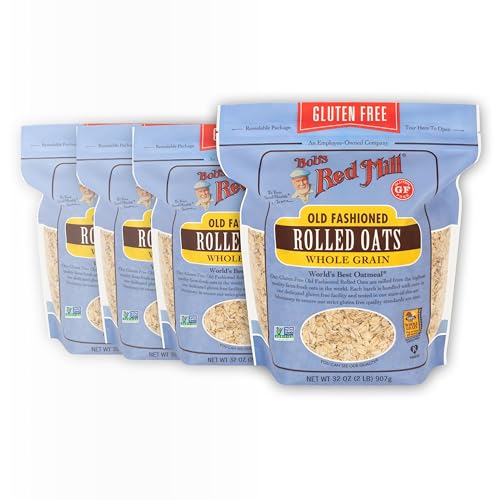
Bob’s Red Mill Gluten Free Old Fashioned Rolled Oats 32oz (4 Pack)

Quaker Instant Oatmeal, Original, Individual Packets, 48 Count

Bob’s Red Mill Organic Old Fashioned Rolled Oats 32oz (4 Pack)

Bob’s Red Mill Organic Gluten Free Old Fashioned Rolled Oats 32oz
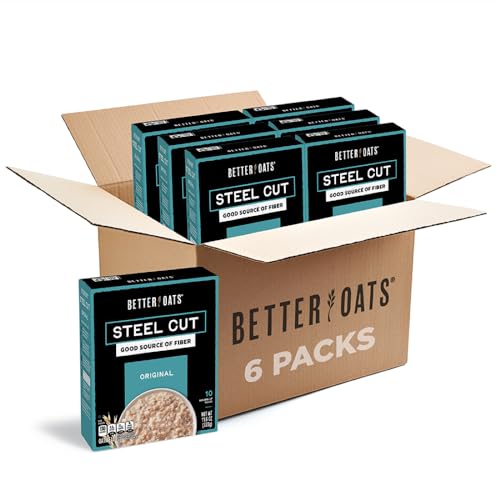
Better Oats Steel Cut Oatmeal, Original, 11.6oz Box (6 Pack)

Anthony’s Organic Rolled Oats, 3 lb, Gluten Free, Non GMO

Bob’s Red Mill Organic Quick Cooking Rolled Oats 32oz (4 Pack)
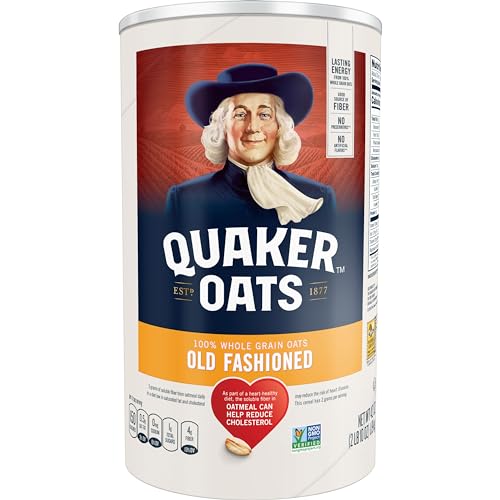
Quaker Oatmeal 42oz Canister
Taking A Closer Look At The Options
Quaker’s old fashioned rolled oats are the kind of bag every baking household eventually ends up owning, and this two-pack of 64-ounce pouches gives you a generous pantry stockpile. Rolled oats are steamed and flattened, which means they hold their shape during baking while still softening enough to blend into cookies, crisps, and quick breads. For most home bakers, this format is the safest starting point because the flake thickness works across nearly every recipe category.
You get roughly 90 servings across the two bags, so the supply lasts through weeks of granola batches or holiday cookie marathons. The bag-in-box packaging keeps the oats contained and tidy in a cabinet, though a clip or sealed container helps once the box is open. Non-GMO project verification is noted on the packaging for shoppers who track that detail.
What Helps Most
- Large 64-ounce pouches in a pack of two stretch further per ounce, which suits families and frequent bakers
- Old fashioned thickness absorbs liquid evenly, helping cookies and bars hold their shape without turning gummy
- Whole grain rolled oats deliver fiber and slow-release energy for breakfast bakes and granola
- Bag-in-box format stacks flat in a pantry, leaving shelf space for mixing bowls and jars
Trade Offs
- Larger bags mean you may need a sealed container after opening to keep moisture out and the flakes fresh
- Old fashioned flakes can stay slightly chewy in delicate recipes like shortcakes, where finer oats would melt in better
Quick Facts
Best Suited To
Family bakers who run through a few bags of cookies or granola each month and want a reliable, well-known pantry staple on hand.
Look Elsewhere When
You need certified gluten-free oats, in which case Bob’s Red Mill Gluten Free Old Fashioned Rolled Oats 32oz (4 Pack) is the more relevant pick.
Bob’s Red Mill rolls these organic oats thicker than the standard old fashioned variety, which gives finished bakes a sturdier bite and a more pronounced oat flavor. The extra thickness matters when you want a hearty granola cluster, a chewy oatmeal cookie, or a rustic no-knead bread that still shows off visible flakes. Organic certification also appeals to shoppers who prioritize ingredient sourcing in their pantry staples.
Two 32-ounce bags offer a manageable size for households that do not want to commit to a four-pack, and the resealable bag format is convenient. Compare this to the Quaker pack above, which trades organic sourcing for a much larger total volume, and the trade-off comes down to thickness and farming style rather than quantity.
Real-World Strengths
- Extra-thick rolling helps oats stay distinct in granola, crumbles, and crusty oatmeal breads
- USDA organic sourcing fits clean-label and ingredient-conscious baking
- Sturdy flake body holds up well under mixer paddles without turning to dust
Things To Consider
- Extra thickness means longer soak times in overnight oats and may feel firm in quick breads with delicate textures
- Smaller bag volume than the Quaker pack means you may run out sooner if you bake several batches per week
- Not certified gluten-free, so households managing gluten sensitivities need a different option
Whose Shelf It Belongs On
Bakers who want visible oat character in granola, crumbles, and hearty breads, and who value organic ingredient sourcing.
Consider Something Else When
You need a smaller, single-bag supply for a one-person household, in which case Anthony’s Organic Rolled Oats 3lb offers a similar organic profile in a more compact format.
Gluten-free baking tends to be harder on oats, both because finding a safe supply is more difficult and because you need enough on hand to keep up with regular baking. Bob’s Red Mill tests these oats through a dedicated gluten-free protocol, which is the kind of detail households managing celiac disease or gluten sensitivity tend to look for. The four-pack format also gives you a real pantry stockpile without weekly reorders.
The flakes are rolled rather than steel-cut, so you can use them in the same recipes you would with the standard old fashioned pick earlier in this list. The four-pack total runs larger than the organic version, which helps when you bake for a family that needs a separate gluten-free supply alongside regular oats.
Good Reasons To Consider
- Batch-tested gluten-free protocol gives households managing celiac a safer option than commodity oats
- Four-bag total is well-suited to weekly granola, cookie, and bar recipes without reordering constantly
- Whole grain oat format retains the bran, germ, and endosperm, supporting more nutritious bakes
Points To Note
- Larger four-pack format may be more than a single-person household can use before staleness becomes a concern
- Gluten-free oats cost more per ounce than conventional rolled oats, which adds up across heavy baking weeks
- Storage discipline matters: a sealed container after opening helps prevent moisture and cross-contact in shared pantries
The Right Fit
Gluten-sensitive households that bake weekly and need a steady, well-tested gluten-free oat supply without the stress of frequent reorders.
Reach For A Different Pick When
You also want organic certification, in which case Bob’s Red Mill Organic Gluten Free Old Fashioned Rolled Oats 32oz covers both criteria in a smaller single-bag format.
Instant oatmeal packets sit in a different category than the rest of this list. These are not bulk rolled oats for a cookie dough, but rather single-serve portions designed for fast breakfasts and travel. Each 0.98-ounce pouch is pre-measured and cooks in under two minutes with hot water, which is why backpacks, office drawers, and hotel coffee makers tend to end up stocked with them.
For baking specifically, instant oats are a different tool. Their finer texture dissolves faster in batters, so they can substitute for quick oats in some recipes. The 48-count box is the kind of supply that quietly disappears over a few months of regular use, so planning ahead matters.
Useful Strengths
- Individual 0.98-ounce packets keep portions consistent and cut out measuring in the morning rush
- Plain original flavor lets you stir in fruit, nut butter, or spices without competing with added sugar
- Bulk 48-count format is well-suited to office pantries, dorm rooms, and shared kitchens
Less Ideal Details
- Instant oats behave differently in baking than rolled oats, so do not swap them one-to-one in a cookie recipe without adjusting liquid
- Single-serve packets create more packaging waste than a bulk bag, which matters for eco-conscious shoppers
- Flavor can taste flat compared to less-processed flakes in overnight oats and porridges
Perfect Match For
Morning commuters, dorm residents, and office pantries where hot water, a spoon, and three minutes are all you can count on.
A Better Fit Elsewhere
You mainly bake cookies and granola, in which case Quaker Old Fashioned Rolled Oats 64oz (Pack of 2) is the more useful pantry staple.
This is the larger organic version of Bob’s Red Mill’s standard old fashioned rolled oats, and the four-pack format is a serious supply for anyone who bakes with oats every week. Organic whole grain oats have become a default ingredient in cleaner baking recipes, and a four-pack means you can bake freely without the supply anxiety of a smaller bag. Standard thickness works in cookies, bars, granola, and pancakes alike.
Compare that to the extra-thick pick earlier in this list, and the difference is the flake size. The standard rolling here gives you a more neutral texture in finished bakes, while the extra-thick version holds its shape more aggressively. Picking between them is a question of how visible you want the oats to be in the final bake.
Features That Help
- Four 32-ounce bags give a heavy-baking household a multi-week supply without reordering
- Standard old fashioned thickness performs well across cookies, bars, granola, and quick breads
- Organic sourcing meets the ingredient list of clean-label and whole grain baking recipes
Honest Caveats
- Four-bag commitment is overkill for casual bakers who only reach for oats a few times a month
- Not certified gluten-free, so households managing gluten sensitivity need a dedicated alternative
Key Product Details
Who Should Grab It
Home bakers who go through oats weekly and want a steady organic supply that handles most recipe types without fuss.
Skip It When
You also need gluten-free certification, in which case Bob’s Red Mill Gluten Free Old Fashioned Rolled Oats 32oz (4 Pack) covers that need with a similar bulk format.
When a recipe needs both organic and gluten-free credentials, you are usually choosing between paying more or settling for one of the two. This single 32-ounce bag covers both criteria, which makes it a useful option for households that want clean-label baking without managing two separate oat supplies. The standard old fashioned thickness keeps the ingredient interchangeable with conventional rolled oats in most recipes.
For most baking, a single bag is the right size: enough to clear a few batches of cookies or one big granola run, without the storage pressure of a four-pack. If you bake at a heavier pace, you can stock up with the four-pack size in the previous pick and stay in the same product line.
What Pays Off
- Combined organic and gluten-free credentials simplify ingredient lists for clean-label recipes
- Standard old fashioned flake size works in nearly any recipe that calls for rolled oats
- Single 32-ounce bag is a manageable size for smaller households and recipe testing
Practical Considerations
- Single bag runs out faster than a multi-pack, so heavy bakers will reorder more often
- Per-ounce cost sits higher than non-organic rolled oats, which matters in high-volume baking
Made For
Bakers managing both clean-label and gluten-sensitive ingredient needs in a single supply, and who prefer a smaller bag they can use up quickly.
Another Choice May Suit
You need a much larger gluten-free supply, in which case Bob’s Red Mill Gluten Free Old Fashioned Rolled Oats 32oz (4 Pack) is the more practical bulk alternative.
Steel cut oats are a different animal from rolled oats. Rather than steamed and flattened, the groat (the whole oat kernel) is sliced into coarse pieces, which gives a nuttier flavor and a much firmer texture. In baking, that means steel cut oats need more liquid and longer cook times, and they work best in sturdy recipes like artisan breads, dense granola, or topping crisps.
Better Oats wraps this in a 6-pack of single-serve boxes, which is a convenience format more than a bulk baking supply. Each box holds a portioned pouch of steel cut with flax seed, designed for hot water preparation in about two minutes. It is a useful bridge product for households that want steel cut character without the traditional 30-minute stovetop commitment.
What Works In Its Favor
- Steel cut texture adds nutty bite and visible oat character in bread, crumble toppings, and granola
- Single-serve boxes with portioned pouches keep breakfast prep simple for office and travel use
- Flax seed in the mix adds mild nutritional density to morning oats
Trade-Offs To Consider
- Steel cut oats behave differently from rolled oats in cookies and bars, so direct substitution usually fails without recipe changes
- Smaller box size and six-pack format cost more per ounce than bulk steel cut oats from a bin
- Coarser texture can feel gritty in delicate bakes like pancakes or quick loaves
Right Fit For
Morning eaters who want the steel cut character without long stovetop cooking, and bakers adding it to hearty recipes rather than delicate ones.
Swap It Out When
You need bulk steel cut oats for serious bread and granola projects, in which case a bin-format steel cut from a different supplier makes more sense per ounce.
Anthony’s checks several boxes that ingredient-conscious shoppers care about: USDA organic, batch-tested gluten-free, non-GMO, and vegan with no added ingredients. A 3-pound bag hits a useful middle size, larger than a single-pound pantry trial but smaller than a four-pack, so it is approachable for one or two-person households that do not want to commit to bulk supply.
Old fashioned thickness means you can drop these into standard baking recipes that call for rolled oats. In granola, cookies, and fruit crisps the flakes behave about the same as any standard rolled oat, which makes this a low-risk option if you are switching from a conventional brand and want to test how an organic gluten-free supply holds up in your recipes.
Positive Points
- 3-pound bag is a manageable size for one or two-person households, or for testing a new brand before buying larger
- USDA organic and non-GMO labels satisfy clean-label ingredient preferences
- Old fashioned flake size works across most standard baking recipes
Possible Compromises
- Smaller bag means more frequent reordering than a multi-pack format for heavy bakers
- Storage discipline matters: a sealed container after opening keeps the flakes fresh in humid kitchens
Core Details
Who Will Love This
Small households and recipe testers who want organic and gluten-free credentials in a single 3-pound bag without committing to a four-pack supply.
Where A Sibling Pick Shines
You bake at a heavy weekly pace, in which case Anthony’s also comes in a 48-ounce bag or you can move up to Bob’s Red Mill Gluten Free Old Fashioned Rolled Oats 32oz (4 Pack) for steady bulk supply.
Quick cooking rolled oats sit between instant and old fashioned on the thickness scale. They are steamed and rolled thinner than old fashioned, which means they hydrate faster in batter and dissolve more fully in finished bakes. For quick breads, muffins, pancakes, and soft granola bars, that faster hydration is a real advantage, and you do not have to pre-soak or adjust liquid in your recipe the way you would with old fashioned.
Four 32-ounce bags give you the same bulk coverage as the standard old fashioned pick earlier, with the faster-cooking twist. Organic sourcing is consistent across the Bob’s Red Mill line, so you are not trading ingredient quality for the thinner rolling.
Bright Spots
- Quick cooking rolling absorbs liquid faster, so muffins and quick breads bake through evenly with no chalky centers
- Bulk four-pack format suits frequent bakers and meal prep routines
- Organic whole grain sourcing aligns with clean-label baking recipes
Worth Bearing In Mind
- Thinner rolling means quick oats lose shape more in cookies and granola, so they do not replace old fashioned in every recipe
- Four-bag supply is more than casual bakers typically need before staleness risk kicks in
Built With In Mind
Bakers focused on quick breads, muffins, pancakes, and soft bars where faster hydration improves the final crumb, plus households that want a steady organic supply.
Not Your Match When
You mainly bake chunky cookies and granola where visible oat flakes matter, in which case Bob’s Red Mill Organic Old Fashioned Rolled Oats 32oz (4 Pack) is the better texture match.
Quaker’s 42-ounce canister is the form factor a lot of people remember from their grandparents’ pantry: a rigid plastic tub with a snap-on lid that lives on the counter or in a cabinet. The canister is more than a packaging choice. It scoops cleanly, reseals tightly, and keeps moisture out without a clip or a rubber band, which matters when you are reaching for oats several times a week.
For baking, the oats inside behave like standard old fashioned rolled oats, so you can use them interchangeably with the Quaker pack earlier in this list. The trade-off between the two comes down to format: the canister is more convenient, the bag-in-box pack is more compact for stacking.
The Practical Payoff
- Resealable canister keeps oats fresh without needing a separate container or clip
- Sturdy tub format is easy to scoop from and store on a counter or open shelf
- Standard Quaker old fashioned oat quality works in cookies, granola, bars, and pancakes
Practical Considerations
- Larger canister takes up more shelf space than a flat bag-in-box pack
- Not certified gluten-free, so households managing gluten sensitivity need a separate supply
- Countertop storage can attract pantry moths if the seal is not pressed down fully between uses
Who It Suits Best
Households that prefer open-pantry storage with a tidy, resealable canister and reach for oats several times a week across baking and breakfast.
Look Elsewhere When
Cabinet space is tight and a flat bag-in-box format would stack better, in which case the Quaker Old Fashioned Rolled Oats 64oz Bags (Pack of 2) handles the same oat quality in a slimmer footprint.
What Matters Most When Picking Oats For Baking
Flake Size Drives Texture
Rolled oats come in three main thicknesses, and each one behaves differently once it meets liquid and heat. Old fashioned flakes are the standard thickness, hold their shape well in cookies and granola, and bake into bars without turning gummy. Quick cooking oats are rolled thinner, hydrate faster, and work better in muffins, quick breads, and soft bars where you want the oat to blend into the crumb rather than stand out. Steel cut oats are not rolled at all: the whole groat is sliced, which gives a nuttier, chewier texture that needs more liquid and longer cook times, and works best in hearty breads, dense granola, and crisp toppings.
Instant oats sit at the thinnest end of the scale and behave more like a hot cereal than a baking ingredient, though they can substitute for quick oats in some recipes. Picking the right thickness matters because a cookie recipe that calls for old fashioned may end up greasy and flat if you swap in instant without adjusting the butter and flour ratios.
Certifications And Sourcing Shape The Pantry
Gluten-free certification is the detail that matters most for households managing celiac disease or gluten sensitivity. Look for brands that batch test their oats through a dedicated protocol rather than relying on shared-equipment statements. Organic certification, non-GMO verification, and vegan labeling tend to cluster together, and any of them may be required by the specific recipe you are following.
Storage discipline becomes more important as you add certifications. A sealed container after opening keeps moisture out and preserves the flake texture, and it reduces the risk of cross-contact in shared pantries where wheat flour and regular oats live nearby.
Format And Pack Size Fit Your Baking Pace
Bag-in-box packs stack flat and suit bulk buyers, while canisters reseal cleanly and suit countertop storage. Multi-pack formats reduce reordering for heavy bakers, while single bags keep smaller households from overbuying. Your weekly baking pace and cabinet space should drive the format choice as much as the oat type itself.
For most home bakers, a 32-ounce bag is a reasonable starting size, while weekly granola bakers benefit from a four-pack. Instant packets belong in a different conversation entirely: they are a hot-cereal format first and a baking ingredient only in specific recipes.
Key Considerations Across These Picks
Common Shopping Slip Ups
The most common mistake is buying steel cut oats for a recipe that calls for rolled oats. They look similar in the bag but hydrate completely differently, and the recipe will not turn out as written without serious liquid and time adjustments. The second slip is assuming all rolled oats are interchangeable: old fashioned and quick cooking both call themselves “rolled,” but they bake into noticeably different textures.
Households that need gluten-free oats sometimes grab a regular bag assuming oats are naturally gluten-free, which is a fair assumption that does not always hold up at the supply-chain level. Look for a batch-tested certification rather than relying on packaging language alone.
What The Higher Tier Buys
Organic and gluten-free certifications tend to push the price up, and the reason is straightforward: organic farming has stricter rules, and gluten-free production needs separate equipment and testing protocols. The trade-off shows up in ingredient lists, recipe compatibility, and household dietary needs rather than in the oat itself.
For most bakers, the upgrade to organic is worth it when the recipe calls for clean-label ingredients, and the upgrade to gluten-free is essential when a household member is sensitive. Paying up for both is reasonable when you bake weekly and use oats across many recipes, less so when oats only appear in a single holiday recipe each year.
Frequently Asked Questions
What is the best type of oat for baking cookies?
Old fashioned rolled oats hold their shape and bake into chewy, distinct flakes in cookies. Quick oats work in a pinch but produce softer, less textured results, and steel cut oats need pre-cooking or a long soak before they soften in a dough.
Can I substitute quick oats for old fashioned oats in a recipe?
You can, but the texture will be softer and the oat less visible in the final bake. For cookies and granola, you may want to reduce the liquid slightly, since quick oats absorb moisture faster than old fashioned flakes.
Are gluten-free oats safe for people with celiac disease?
Look for brands that batch test their oats through a dedicated gluten-free protocol and clearly state the certification on the packaging. Oats are naturally gluten-free, but cross-contact during growing and processing is the risk that dedicated testing addresses.
How should I store oats to keep them fresh?
Transfer opened oats to an airtight container and store in a cool, dry place away from direct sunlight. A sealed canister or jar in a pantry keeps the flakes from going stale or absorbing moisture, and a refrigerator is not necessary unless the kitchen runs warm or humid.
Do organic oats taste different from regular oats?
The difference is usually subtle. Organic oats can have a slightly nuttier or fresher flavor depending on the variety and how recently they were milled, but most bakers use them as a one-to-one substitute for conventional rolled oats in any standard recipe.
Bottom Line
Start with the oat type your recipe actually calls for, then match certifications and pack size to your household’s needs. For most home bakers, an old fashioned rolled oat in a 32-ounce bag is the most versatile starting point, while gluten-free, organic, or quick cooking variants earn their place when recipes demand them. Pick the format that matches your baking pace, and you will rarely go wrong.
