

Vanilla sits at the heart of more recipes than most cooks care to admit, from custards and crème brûlée to homemade extract and holiday cookies. Picking the right bean matters: Grade A pods deliver those signature flecks for visual drama, while Grade B beans trade moisture for concentrated flavor that punches through alcohol-based extracts. The ten options below cover the full spread, from paste-style convenience to bulk pods built for serious extract-making, so you spend on what your kitchen actually needs.
The Main Contenders

Nielsen-Massey Madagascar Bourbon Vanilla Bean Paste 32 oz

Vanilla Bean Kings 50 Organic Madagascar Vanilla Beans Grade A

ESSENCE FOOD & BEVERAGE 50 Vanilla Beans Grade B

FITNCLEAN VANILLA 50 Madagascar Organic Vanilla Beans Grade B

ESSENCE FOOD & BEVERAGE 25 Plump Tahitian Vanilla Beans Grade A++

Aloka Vanilla 25 Count Organic Madagascar Vanilla Beans Grade A

FITNCLEAN VANILLA 50 Organic Grade A Madagascar Vanilla Beans

FITNCLEAN VANILLA 55 Organic Madagascar Extract Exclusive Grade B Beans
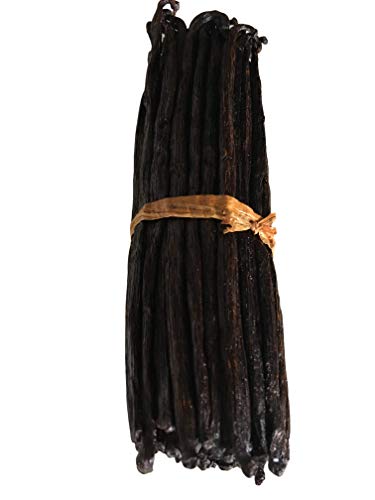
FITNCLEAN VANILLA Certified Organic Madagascar Vanilla Beans Grade B 10 Count

FITNCLEAN VANILLA 26 Organic Madagascar Extract Exclusive Grade B Pods
Inside Each Recommended Option
Not everyone wants to slit a pod and scrape seeds. Nielsen-Massey’s bean paste sidesteps that step entirely while keeping the visible flecks that make custards and buttercreams look like restaurant work. The base is the brand’s own extract, which carries the rounded, creamy profile Madagascar Bourbon is known for.
The 32-ounce bottle is built for serious volume. For a home cook making birthday cakes and weekend ice cream, it removes the “did I scrape enough?” guesswork, and it mixes cleanly into batters without clumping the way scraped seeds sometimes do in delicate sauces.
Where It Delivers
- Skip the scraping step while still getting visible bean flecks in finished dishes
- Built on a Madagascar Bourbon extract base for a rounded, creamy flavor
- 32-ounce format suits high-volume bakers and small pastry operations
- Mixes smoothly into batters, custards, and frostings without clumping
Trade Offs To Consider
- Larger bottle means a longer commitment if you’re not baking weekly
- Paste lacks the tactile ritual of working with whole pods
Feature Snapshot
Built With In Mind
High-volume home bakers and pastry hobbyists who want authentic-looking flecks without scraping individual pods.
Where Another Pick Suits Better
Whole-pod bakers chasing the tactile, hands-on process should look at Vanilla Bean Kings’ Grade A pods instead.
Grade A Madagascar is the benchmark for whole-pod baking, and this 50-pack from Vanilla Bean Kings hits that mark at a useful size. Pods run roughly 5 to 7 inches, and the source specifies an average moisture content around 33%, which translates to pliable beans that split cleanly rather than snapping into dry splinters.
The sourcing is direct from Malagasy farmers at fair market pricing, and the pods arrive from the most recent harvest. For home cooks who split a pod, scrape the seeds into crème brûlée custard, and tuck the spent pod into a sugar jar, this format is hard to beat.
The Helpful Details
- Pods average 5 to 7 inches with roughly 33% moisture, so they stay pliable when split
- Sourced directly from Malagasy growers at fair market pricing
- 50-pack covers a long stretch of regular baking
- Seeds release cleanly, perfect for visual flecks in custards and ice cream
Honest Caveats
- 50 pods is a lot of inventory if you bake only a few times a month
- Whole pods require the split-and-scrape step that some cooks want to skip
Best Suited To
Bakers who bake frequently and want Grade A visual flecks and aroma in everything from custards to cookies.
Skip It When
If you’re making extract rather than scraping seeds, ESSENCE FOOD & BEVERAGE’s Grade B pack offers a more cost-effective route.
ESSENCE’s Grade B pack shifts the focus from visual presentation to flavor extraction. These Planifolia beans come from Indonesia and are described as dark brown, long, and plump with a high vanillin content, the compound that gives vanilla its signature warmth. In extract work, that’s the metric that matters.
The “Grade B” label typically means lower moisture, which actually helps when you’re steeping beans in alcohol: less water to dilute the finished tincture, more concentrated vanillin per pod. For someone building a year of extract on the counter, the math works out well.
What Works In Its Favor
- High vanillin content suits alcohol-based extract steeping
- Lower moisture pods concentrate flavor without diluting the alcohol
- 50-bean pack covers multiple extract batches
- Planifolia genetics from Indonesia give a creamy, sweet aroma
Points To Note
- Dry exterior means less visual seed caviar for direct baking use
- Pods sit around 5 inches, shorter than some premium Grade A offerings
Whose Shelf It Belongs On
Home extract makers who want maximum vanillin per pod and don’t need visible flecks in their bakes.
Swap It Out When
Bakers who want flecks and aroma in custards should reach for Vanilla Bean Kings’ Grade A pack instead.
FITNCLEAN positions this pack squarely at the extract-making crowd, and the conditioning shows. Grade B pods here are dried longer to shed more water weight, which concentrates the flavor compounds that actually transfer into alcohol during a steep.
Pods run 5 to 7 inches and carry the classic Madagascar aroma, described as rich and inviting. The organic certification matters for anyone making extract they plan to give away, sell, or use in certified-organic baking projects.
What Earns Its Place
- Certified organic and non-GMO, which matters for some end uses
- Longer conditioning concentrates flavor into the pod
- 5 to 7 inch pods cut cleanly into pieces for steeping jars
- Sourced directly from Malagasy growers at fair market pricing
Softer Spots
- Drier pods mean little usable seed caviar for direct baking
- Organic status may be irrelevant if the extract is just for personal use
At A Glance
Right Fit For
Extract brewers and organic-focused bakers who want a transparent, direct-sourced supply for long steeping projects.
Look Elsewhere When
Cooks who want to split and scrape fresh pods into a custard will get more visual payoff from Grade A options.
Tahitian beans tell a different flavor story than Madagascar Bourbon, with floral, almost fruity notes that come through in panna cotta, tropical desserts, and lighter pastry creams. ESSENCE’s Grade A++ pack sources from Papua and sun-dries the beans to a 20-24% moisture range, which the brand highlights as preserving aroma during processing.
Twenty-five plump pods give you room to experiment with that Tahitian character across several recipes before committing to a much larger stash. The aroma on opening is the part that wins converts.
Real Benefits
- Tahitian profile brings floral, fruity notes that Madagascar Bourbon doesn’t
- Sun-drying to 20-24% moisture aims to lock in aromatic compounds
- Grade A++ grading means dense seed content for visual flecks
- 25-pod size works well for trying a new flavor profile without overcommitting
Things To Weigh
- Floral character can read as unusual in classic chocolate-chip or spice cakes
- Smaller pack than most Madagascar options, so cost per pod runs higher
Feature Rundown
Who Should Grab It
Pastry cooks and adventurous home bakers who want a different flavor register than the standard Madagascar Bourbon.
Consider Something Else When
Stick with FITNCLEAN’s organic Grade A Madagascar pack if your bakes lean on the classic creamy Bourbon profile.
Aloka Vanilla targets the middle of the market with hand-selected Grade A Bourbon pods, sized for cooks who bake often but don’t want to commit to a 50-pack. The 25-count format keeps the inventory moving without months of beans sitting in a drawer.
Pods carry the rich, creamy flavor and natural aroma Madagascar is known for, with high moisture content that keeps them pliable when split. For everyday custards, ice cream bases, and cookies, that combination hits the sweet spot.
Standout Benefits
- Hand-selected Grade A pods for consistent quality across the pack
- Organic and non-GMO, fitting cleanly into clean-label baking
- 25-count keeps the stash fresh through regular use
- High moisture pods split easily and yield a generous seed scrape
Where It May Fall Short
- Smaller pack means less per-pod savings than a 50-count
- Whole-pod format still requires the split-and-scrape ritual
Who Will Love This
Regular home bakers who want Grade A quality in a pack size that matches a normal monthly baking rhythm.
Another Choice May Suit
Bulk extract brewers get better value from FITNCLEAN’s 55-count Grade B extract-exclusive pack.
This Grade A pack is the high-moisture counterpart to FITNCLEAN’s Grade B offering. Pods arrive oily, plump, and densely packed with seeds, conditioned for months to bring out the characteristic Madagascar creaminess. Around 5 inches long, they’re sized for splitting cleanly and scraping directly into a batter or custard base.
For bakers who want the visual flecks and the aromatic pop of a fresh pod, without the premium Tahitian price tag, this is a sensible volume option. The 50-pack covers serious baking ground, and the organic certification carries through to anything you make.
A Favorable Mix
- Grade A pods with high moisture and dense seed content for visual flecks
- Organic and non-GMO certification across the pack
- Direct sourcing from Malagasy growers at fair market pricing
- 50-pack size for kitchens that go through beans steadily
A Few Limitations
- Pods run around 5 inches, shorter than some premium Grade A options
- 50-pack is more than casual bakers will use before staleness sets in
Spec Overview
Perfect Match For
Frequent bakers who want organic Grade A quality in a pack that supports several weeks of regular cooking.
Reach For A Different Pick When
Make ESSENCE’s Tahitian Grade A++ pack your first stop if floral, fruity notes sound more appealing than classic Bourbon.
FITNCLEAN labels this pack “Extract Exclusive,” which sets expectations clearly: these are 4 to 5.5 inch beans conditioned for steeping, not for scraping. The shorter length and drier exterior shift the use case firmly toward tincture production, where cut-up pieces drop into alcohol and surrender their flavor over weeks.
At 55 pods, this is a year-plus supply for most home extract makers, and the organic certification matters for anyone selling or gifting the finished bottles. The brand is upfront that the pods are not ideal for seed scraping, which keeps the buying decision honest.
Features That Help
- Purpose-built for alcohol-based extract, with no wasted premium for scraping use
- Organic and non-GMO certification for clean-label extracts
- 55-pod size supports a year of regular extract production
- Shorter 4 to 5.5 inch length cuts easily into steep-ready pieces
Where It Is Less Suited
- Dry pods yield little visible seed caviar for direct baking use
- Bulk size is overkill for casual home cooks
Right Fit For
Dedicated home extract brewers who want a purpose-built organic supply at a serious volume.
Where A Sibling Pick Shines
Bakers who split and scrape fresh pods should pick Aloka Vanilla’s 25-count Grade A pack instead.
A 10-pack answers the question every curious cook actually asks first: “Is making my own extract worth it?” FITNCLEAN’s small-format Grade B pack lets you run a single test batch without committing to a 50- or 55-count supply. Pods are conditioned for extract use, handpicked, and vacuum-sealed for shipping.
The bourbon conditioning brings the classic Madagascar aroma to the steep, and the non-GMO label adds reassurance for anyone baking with clean-label ingredients. Ten pods is roughly a single 8-ounce bottle of extract, which is enough to taste the difference side by side with store-bought.
Notable Upsides
- 10-pod size matches a single test extract batch with no waste
- Vacuum-sealed packaging protects aroma during shipping
- Non-GMO and handpicked for a quality-leaning entry point
- Per-pod cost runs higher than larger bulk packs
- Small quantity means you’ll need to reorder frequently once committed
- Right-sized for two to three extract batches without bulk overshoot
- Organic and non-GMO certification across the pack
- 4.5 to 5.5 inch length cuts cleanly for steep jars
- Mid-tier quantity avoids the long storage window of a 55-count
- Drier pods mean limited utility for direct baking or visual flecks
- Per-pod cost lands above the larger 55-count bulk pack
Practical Considerations
Perfect Match For
First-time extract makers who want a manageable test batch before scaling up to bulk supply.
Look Elsewhere When
Once you’re sold on the process, FITNCLEAN’s 55-count extract-exclusive pack handles the year-plus supply.
The 26-pod pack splits the difference between FITNCLEAN’s 10-count starter and the 55-count bulk option. Pods run 4.5 to 5.5 inches, sit in the same Extract Exclusive line, and arrive dry and aromatic. For someone who keeps a steady extract supply going through the year, this is the practical middle ground.
You’ll get two or three decent extract batches from a single pack, depending on bottle size. The 26-count also works for splitting between extract and a few baking experiments, though the brand is clear these pods aren’t ideal for seed scraping.
Key Advantages
Minor Gripes
Spec Overview
Best Suited To
Mid-volume home brewers who rotate through extract steadily and want a pack that matches their rhythm.
A Better Fit Elsewhere
First-timers should start with the 10-count pack to learn the process before sizing up.
How To Pick The Right Vanilla Bean For Your Kitchen
Grade A vs Grade B: What The Difference Means
The grade label tells you what the beans were conditioned for. Grade A pods carry higher moisture, which keeps them pliable and full of scrapeable seed caviar, ideal for custards, ice cream, and anywhere you want visible flecks. Grade B pods are dried down further, which concentrates flavor but sacrifices moisture, making them the practical choice for extract work where the alcohol does the extracting for you.
For most home bakers, a small Grade A pack for direct baking plus a Grade B pack for extract covers both ends without overlap. If you only bake occasionally, one or the other is enough.
Origin, Moisture, and Aroma Profile
Madagascar Bourbon is the everyday classic: creamy, mellow, and reliable in cookies, cakes, and custards. Tahitian beans offer a floral, almost fruity edge that lifts panna cotta, tropical desserts, and lighter pastry creams. Moisture content in the source description, often 20% to 33%, gives you a real-world clue about how the pods will behave when you split them.
Indonesian Planifolia sits between those poles, with sweet, rich character that works across most baking applications. Matching origin to recipe saves you from flavor surprises in finished dishes.
Pack Size, Storage, and Rotation
Vanilla beans don’t last forever. A 50-pack is a lot of inventory for a once-a-month baker, and pods that sit in a drawer too long lose aroma. Match pack count to your actual rotation: 10 to 25 for occasional use, 25 to 50 for weekly bakers, and 50-plus for serious extract production or shared kitchen use.
Store pods in an airtight container away from light, and once split, tuck the spent pods into a sugar jar to keep infusing flavor into your baking staples.
Smart Shopping Notes Across This Shortlist
Where Shoppers Go Wrong
The most common mistake is buying premium Grade A pods for extract batches, then paying gourmet prices for flavor that ends up diluted in alcohol anyway. Conversely, buying cheap Grade B for custards means giving up the visible flecks and aromatic lift that define a really good pastry cream.
Another trap is underestimating how many pods a year of steady baking actually consumes. Three to four beans a month adds up fast, and running out mid-project means a panicked reorder with shipping delays.
Why Top Tier Costs More
Premium Grade A beans cost more for tangible reasons: longer conditioning, hand-selection for moisture and seed content, and direct-from-grower sourcing that pays fair market rates. The aroma on opening a fresh pack is the proof.
For a once-a-year holiday bake, the upgrade rarely justifies itself. For weekly baking or extract production you actually rely on, the higher tier pays back in flavor consistency, pod after pod.
Frequently Asked Questions
What’s the difference between Grade A and Grade B vanilla beans?
Grade A pods carry higher moisture, stay pliable, and yield plenty of scrapeable seed caviar for direct baking. Grade B pods are dried down further, concentrating flavor for extract steeping but giving up the visual flecks.
Can Grade B vanilla beans be used for baking?
Yes, though the drier pods yield less visible seed content. You can still steep split Grade B beans in milk or cream for custards, which extracts flavor without needing intact caviar.
How long do whole vanilla beans stay fresh?
Stored in an airtight container away from light, whole pods typically hold their aroma for a year or more. Once split, use the seeds promptly and tuck the spent pod into sugar for ongoing infusion.
How many beans do you need to make homemade extract?
A common starting ratio is around 3 to 5 Grade B beans per 8 ounces of alcohol, though some recipes push higher for stronger flavor. The 10-count starter pack covers a single bottle; larger packs support multi-bottle or yearly rotation.
What’s the difference between Madagascar Bourbon and Tahitian beans?
Madagascar Bourbon is the everyday classic, creamy and mellow, while Tahitian beans carry floral, fruity notes that read as distinctive in lighter desserts. Both work for baking; the choice comes down to the flavor direction you want.
Bottom Line
Your kitchen habits drive the right pick more than any spec sheet. Bakers chasing visible flecks and aromatic lift in finished dishes belong in Grade A territory, and the Aloka and FITNCLEAN Grade A packs cover most rotation sizes. Cooks building a year of extract should size up into Grade B supply, with FITNCLEAN’s 10-, 26-, and 55-count options scaling cleanly from a test batch to a full larder. The Nielsen-Massey paste fills the gap for anyone who wants the flecks without the scraping ritual. Match the format to the work your kitchen actually does, and the rest follows.
