


A large egg contains approximately 6.3 grams of protein, highlighting its impressive eggs protein content and making it a substantial source of this essential nutrient. For optimal health, adults should aim for a daily protein intake of around 0.8 grams per kilogram of body weight. Protein plays a crucial role in your diet. It supports muscle health, aids in tissue repair, and helps regulate blood sugar levels. Eggs stand out as a key source of protein, offering high-quality nutrition that benefits your overall well-being.
Key Takeaways
Eggs are a complete protein source, providing all nine essential amino acids needed for muscle growth and repair.
Eating eggs can help you feel full longer, making them a great choice for weight management.
Egg yolks are rich in antioxidants that support eye health and overall well-being.
Moderate egg consumption is safe for most people and does not significantly increase heart disease risk.
Incorporate eggs into meals like breakfast or salads to boost your protein intake and enjoy their nutritional benefits.
Eggs Protein Content Overview

Protein in One Egg
Eggs are a fantastic source of protein, with a large egg containing about 6.6 grams of protein. This protein comes from two main parts: the egg white and the yolk.
Here’s a breakdown of the protein content in each part of the egg:
Egg Parts | Protein |
|---|---|
Egg Yolk | 2.7 grams |
Egg White | 3.6 grams |
Whole Egg | 6.6 grams |
The egg white contributes the majority of the protein, while the yolk contains essential nutrients and fats. This combination makes eggs a versatile food choice for anyone looking to boost their protein intake.
Complete Protein Source
Eggs are classified as a complete protein source. This means they contain all nine essential amino acids that your body cannot produce on its own. Here are some key points about the amino acids in eggs:
Eggs contain all 9 essential amino acids.
The egg provides 18 of the 20 amino acids and all 10 essential amino acids in abundance.
The protein in eggs is highly digestible, supplying much of the essential amino acid needs for your body.
This high-quality protein makes eggs an excellent choice for muscle repair and overall health. Including eggs in your diet can help you meet your daily protein needs effectively.
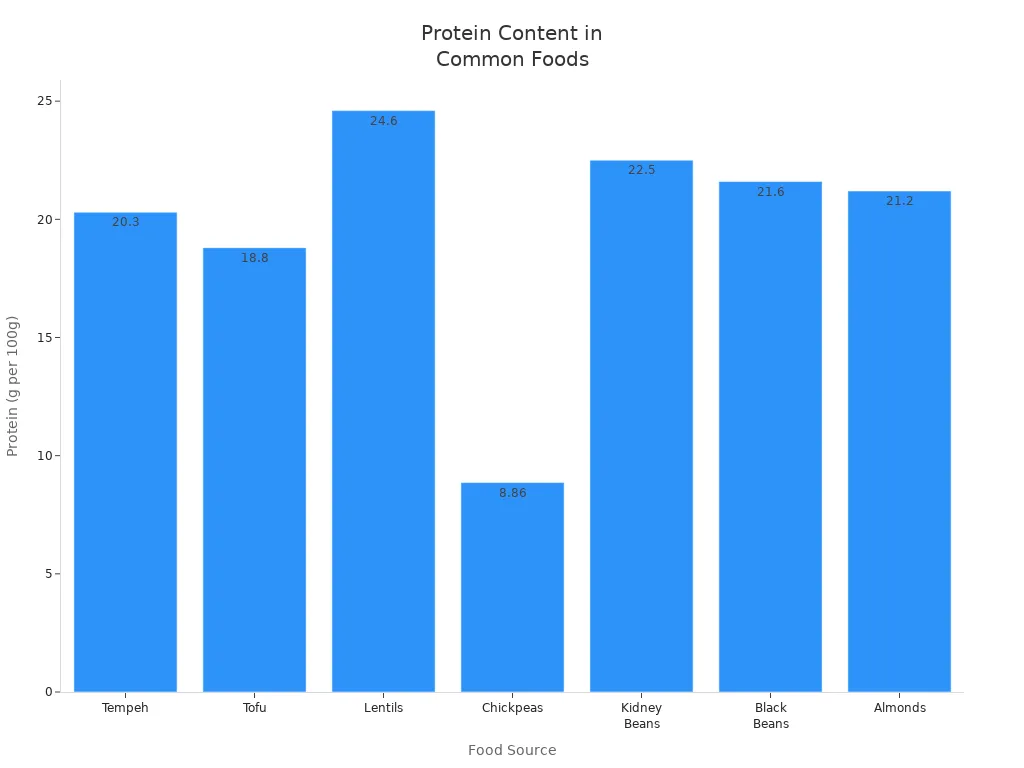
When you compare the protein content of eggs to other common protein sources, you’ll find that they hold their own. For example, here’s how eggs stack up against other foods:
Food Source | Protein Content (grams per 100 grams) |
|---|---|
Eggs | 6–7 grams (per egg) |
Tempeh | 20.3 grams |
Tofu | 18.8 grams |
Lentils | 24.6 grams |
Chickpeas | 8.86 grams |
Kidney Beans | 22.5 grams |
Black Beans | 21.6 grams |
Almonds | 21.2 grams |
As you can see, while some plant-based proteins offer higher quantities, the quality of protein in eggs is unmatched. They provide a balanced amino acid profile that supports your body’s needs.
Daily Egg Intake Recommendations
How Many Eggs Per Day?
When considering how many eggs you should eat daily, guidelines from nutrition authorities can help. The European Commission suggests a maximum of one egg per day for most people. Here’s a quick overview of their recommendations:
Recommendation | Maximum Eggs per Week | Maximum Eggs per Day |
|---|---|---|
European Commission | 7 | 1 |
European Commission | 4 | ~0.57 |
European Commission | 3 | ~0.43 |
European Commission | 2-4 | ~0.29 – ~0.57 |

Most healthy adults can safely consume 1-2 eggs daily. However, your specific needs may vary based on several factors.
Daily Protein Needs
Your daily protein needs depend on various factors, including age, activity level, and overall health. Here’s a breakdown of recommended daily egg intake based on age groups:
Age Group | Recommended Daily Egg Intake | Notes |
|---|---|---|
Children (2-12) | 1 egg | Essential for growth; may increase to 1-2 eggs if active. |
Teenagers | 1-3 eggs | Boys may need up to 3 eggs; girls 1-2 depending on activity level. |
Adults | 1-2 eggs | Most healthy adults can consume this without negative heart health effects. |
Older Adults | 4-5 eggs per week | Moderation is key; focus on egg whites if cholesterol is a concern. |
Underweight | 2-3 eggs | Helps increase calorie intake and improve muscle mass. |
Healthy Weight | 1-2 eggs | Provides sufficient nutrients without excessive cholesterol. |
Overweight | 4-5 eggs per week | Emphasis on egg whites; manage overall cholesterol intake. |
As you can see, your protein intake needs can vary significantly. Factors like your level of physical activity and health status play a crucial role in determining how many eggs you should include in your diet. For instance, if you are physically active, you may require more protein to support muscle recovery and growth. Eggs can help meet these protein needs effectively.
Incorporating eggs into your meals can provide high-quality protein and essential nutrients. They support muscle strength, aid in weight management, and contribute to overall health.
Health Benefits of Egg Protein

Muscle Health and Repair
Egg protein plays a vital role in muscle health and repair. When you consume whole eggs after resistance exercise, your body benefits significantly. A study published in the American Journal of Clinical Nutrition found that eating whole eggs resulted in a 40% greater muscle protein synthesis compared to just consuming egg whites. This means that the nutrients in egg yolks enhance your body’s ability to use protein for muscle repair and growth. Including whole eggs in your diet can help you recover faster and build stronger muscles.
Nutritional Value Beyond Protein
Eggs offer more than just protein; they are packed with essential nutrients that support overall health. Here are some key nutrients found in eggs and their benefits:
Nutrient | Health Benefits |
|---|---|
Vitamins A, E, K | Essential for various bodily functions, including vision, immune function, and skin health. |
Choline | Important for brain function and development; two eggs provide 70% of your daily requirement. |
Lutein & Zeaxanthin | Antioxidants that help protect against macular degeneration and support eye health. |
Egg yolks are rich in vitamins and antioxidants. Lutein and zeaxanthin protect your eyes from age-related diseases. The fats in egg yolks also help your body absorb these carotenoids better than plant sources. Additionally, choline is crucial for brain development and function, making eggs a smart choice for cognitive health.
Moreover, eggs can aid in weight management. They are a significant source of high-biological value protein, which helps you feel full longer. Studies show that eating eggs for breakfast can lead to reduced energy intake at subsequent meals. This can help you manage your weight effectively while still enjoying delicious meals.
Incorporating eggs into your diet not only boosts your protein intake but also provides a wealth of nutrients that contribute to your overall health.
Comparing Egg Protein to Other Sources
Eggs vs. Meat
When you compare egg protein to meat, you find that both are high-quality protein sources. Eggs have a biological value of 100, while chicken, fish, and beef have values of 94, 76, and 74, respectively. This means your body can utilize egg protein more efficiently than protein from meat. Here’s a quick comparison:
Protein Source | Biological Value |
|---|---|
Whole Egg | 100 |
Chicken | 94 |
Fish | 76 |
Beef | 74 |
However, consuming red meat can pose health risks. Studies link processed meat to cardiovascular issues. In contrast, eggs provide essential nutrients without the same health concerns.
Eggs vs. Plant Proteins
Plant proteins offer benefits, too. They often come with fewer calories and can promote a diverse diet. However, some plant proteins are incomplete, meaning they lack one or more essential amino acids. You may need to combine different sources to get all the amino acids your body requires. Here are some advantages and disadvantages of each:
Advantages of Egg and Meat Proteins:
Complete proteins providing all essential amino acids.
High-quality protein sources that support muscle health.
Disadvantages of Meat Proteins:
Linked to increased risks of heart disease and stroke, especially with processed meats.
Advantages of Plant Proteins:
Often lower in calories and fewer harmful effects.
Some, like quinoa, are complete proteins.
Disadvantages of Plant Proteins:
Some require a variety of sources to obtain all essential amino acids.
Eggs also have a lower environmental impact compared to meat. They produce significantly fewer greenhouse gas emissions. For instance, producing 100 grams of protein from eggs results in only 3.8 kg of CO2 equivalent, while the same amount from beef results in 25 kg. This makes eggs a more sustainable choice for your diet.
Safety and Consumption Considerations
Cholesterol and Health
You may have heard concerns about cholesterol when it comes to egg consumption. Here are some important points to consider:
Eating eggs can significantly increase low-density lipoprotein cholesterol (LDL-c) levels.
The effect on high-density lipoprotein cholesterol (HDL-c) levels is minimal.
The LDL-c/HDL-c ratio, which better predicts cardiovascular disease risk, increases with egg consumption.
Individual responses to egg consumption can vary, indicating a need for further research.
While eggs are nutritious, moderation is key, especially if you have existing health conditions.
Cooking and Safety Tips
Cooking eggs properly can help you maximize their nutritional benefits while minimizing health risks. Here are some recommended cooking methods:
Boiled eggs are healthier since they do not require added oil.
Poached eggs are also a great option for similar reasons.
Raw or lightly cooked eggs can be safe for vulnerable groups if they carry the British Lion mark.
When preparing eggs, consider these tips to ensure safety:
Cleanliness: Wash your hands, utensils, and surfaces thoroughly before and after handling eggs.
Separation: Keep raw eggs separate from other foods, especially ready-to-eat items.
Cooking: Cook eggs to a minimum internal temperature of 165°F to kill harmful bacteria.
Refrigeration: Store eggs at 40°F or below. Do not leave eggs at room temperature for more than 2 hours.
Eggs are low in calories, with one large egg containing approximately 74 calories. They provide about 131 calories per 100 grams, along with essential nutrients. This nutrient profile supports dietary planning, especially for those managing weight while ensuring adequate nutrient intake.

By following these guidelines, you can enjoy the benefits of eggs while keeping your health in check.
Eggs are a powerhouse of nutrition, offering numerous benefits for your health. Here are some key takeaways:
Eggs provide complete protein, essential for muscle growth and repair.
They promote feelings of fullness, aiding in weight management.
Egg yolks contain antioxidants that support eye health.
Moderate consumption does not significantly impact heart disease risk.
Incorporating eggs into your meals can help you meet your daily protein needs effectively. Consider adding them to your breakfast or salads for a nutritious boost! 🍳
FAQ
How many grams of protein are in an egg?
A large egg contains about 6.6 grams of protein. This protein comes from both the egg white and yolk, with the egg white providing the majority.
Are eggs a good source of protein for vegetarians?
Yes, eggs are an excellent protein source for vegetarians. They provide complete protein, containing all nine essential amino acids your body needs.
Can I eat eggs every day?
Most healthy adults can safely eat 1-2 eggs daily. However, individual dietary needs may vary based on health conditions and activity levels.
Do eggs help with weight loss?
Yes, eggs can aid in weight loss. Their high protein content helps you feel full longer, reducing overall calorie intake throughout the day.
Are there any risks associated with eating eggs?
While eggs are nutritious, moderation is key. Excessive consumption may raise cholesterol levels in some individuals, so consult your doctor if you have concerns.