
Envision your plate as a calm map that guides your blood sugar, not a trap that sends it on a wild ride. Whenever you fill half with nonstarchy vegetables, then add lean protein, smart carbs like oats or beans, and a little healthy fat, you slow the rise and keep energy steadier. Simple swaps, steady portions, and the right drink can change how you feel all day, and one small detail might surprise you next.
Best Foods for Diabetes
Whenever you’re choosing the best foods for diabetes, it helps to build meals around foods that work with your body instead of against it.
You can start with non-starchy vegetables like broccoli, spinach, peppers, and green beans, then add berries, whole grains, beans, fish, eggs, nuts, and plain yogurt. These foods fit into daily meal timing more smoothly, so your continuous glucose checks might feel less stressful.
Try half your plate as vegetables, then add a modest grain or protein, and finish with fruit or yogurt.
Whenever you mix fiber, protein, and healthy fats, you give yourself steadier meals and a stronger sense of control. That kind of food routine could make you feel less alone, and more confident at the table, every day.
Why These Foods Help Blood Sugar
These foods help blood sugar because they slow how fast sugar enters your bloodstream, and that gives your body a much steadier ride.
Whenever you eat fiber, protein, and healthy fats, your cells handle glucose with less strain. That matters because cellular mechanisms work better once sugar arrives in smaller waves.
Your insulin can respond more smoothly, and hormone interactions stay calmer, so you’re less likely to feel those sharp highs and crashes.
- Fiber slows digestion.
- Protein supports steady energy.
- Healthy fats blunt sugar spikes.
- Low-glycemic foods reduce pressure on insulin.
- Nutrients in greens and berries support balance.
Best Carbs for Steady Glucose
To keep your glucose steadier, choose carbs that work with your body instead of against it.
You’ll do best with low-glycemic grains, fiber-rich beans and lentils, and nonstarchy vegetables like broccoli, peppers, and leafy greens.
These foods help slow sugar absorption, so you get more steady energy and fewer sharp spikes.
Low-Glycemic Grains
Whenever you live with diabetes, the right grains can make meals feel a lot less stressful, because they help you get steady energy without the sharp blood sugar jump.
You can lean on oat varieties and barley benefits whenever you want comfort and control at the same time. Their soluble fiber slows digestion, so your glucose rises more gently.
Try these grains in simple, friendly meals:
- Steel-cut oats with cinnamon
- Rolled oats in breakfast bowls
- Barley in soup
- Quinoa as a warm side
- Brown rice with vegetables
You don’t need perfect meals, just steady choices that fit your life. Whenever you pick whole grains more often, you support balance and keep your plate feeling familiar, satisfying, and kind to your blood sugar.
Fiber-Rich Legumes
Legumes can be one of the easiest ways to keep your blood sugar steady, especially provided you want food that actually fills you up.
You can lean on beans, peas, lentils, and chickpeas because their fiber slows digestion and helps prevent quick glucose spikes.
That means you stay satisfied longer, and your energy feels more even through the day.
In case you’re busy, canned lentils can save time without making meals feel boring.
Sprouted chickpeas also bring a pleasant bite and work well in salads, wraps, or warm bowls.
You don’t need perfect meals to fit in, either.
Just add a scoop to soups, rice, or tacos, and you’re already making a smart, supportive choice that your body can use well.
Nonstarchy Vegetables
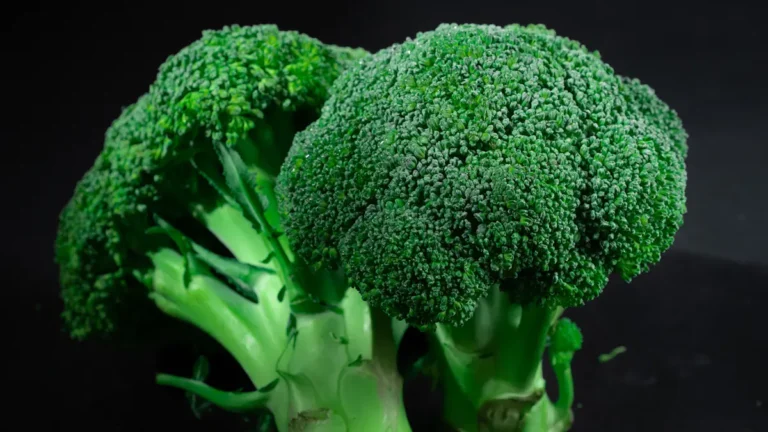
When beans and lentils have been helping you feel full and steady, nonstarchy vegetables can keep that same calm going with even fewer carbs. You can build plates that feel satisfying and friendly to your blood sugar. Reach for broccoli, leafy greens, bell peppers, crunchy cucumbers, and steamed asparagus. They bring fiber, water, vitamins, and mineral support without a big glucose load.
- Fill half your plate with greens.
- Add tomatoes and onions for flavor.
- Choose raw snacks for crunch.
- Steam or roast veggies lightly.
- Mix colors to keep meals fun.
Because these foods digest slowly, you might feel fuller longer and see fewer spikes after meals. That makes it easier to eat with confidence, not worry, and stay part of the routine you’re building.
Protein and Healthy Fats That Slow Spikes
You can steady your blood sugar through adding protein and healthy fats to each meal. These foods slow digestion, so the carbs you eat don’t hit your bloodstream all at once.
Try pairing chicken, fish, eggs, yogurt, nuts, seeds, or avocado with your starches to help keep your energy more even.
Protein At Meals
Protein plays a big role at meals because it helps slow down how fast sugar enters your blood. You can build steadier energy whenever you add it with carbs, instead of eating carbs alone.
Breakfast protein matters because it starts your day with less of a glucose rush. A smart snack pairing can also keep hunger from bossing you around.
- Choose eggs, Greek yogurt, beans, tofu, or fish.
- Add protein to oatmeal, toast, or fruit.
- Pair an apple with peanut butter.
- Use beans in soups, salads, or tacos.
- Keep portions steady so meals feel satisfying.
Whenever you make this habit, you fit in with a rhythm that supports your body and your day. That kind of balance can feel pretty great.
Healthy Fat Sources
Healthy fats can keep blood sugar steadier, especially whenever you use them with protein at meals and snacks.
You can lean on avocado benefits because avocado adds fiber, creaminess, and lasting fullness without a sugar rush.
You can also choose olive varieties, such as extra-virgin olives and olive oil, for simple flavor and steady energy.
Nuts and seeds, like almonds, chia, and flax, give you crunch plus slow-digesting fat. They help you feel satisfied, so you’re less likely to chase quick carbs later.
Try small portions, since even good fats are calorie-dense. A little goes a long way, and that’s good news for your plate.
Whenever you pick these foods often, you build a steadier routine that feels supportive and realistic.
Pairing For Stability
Whenever blood sugar tends to jump after meals, pairing foods can make a real difference. You don’t have to guess your way through dinner; you can build steadier meals with protein and healthy fats. Whenever you add salmon, eggs, beans, nuts, or Greek yogurt, you slow digestion and help yourself feel satisfied longer.
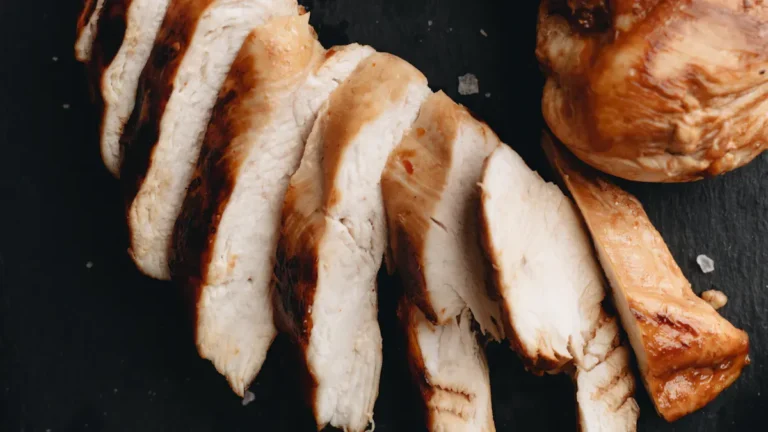
- Try chicken with broccoli and olive oil
- Add almonds to berries or oats
- Pair lentils with brown rice
- Use avocado on whole-grain toast
- Choose spice blends like cinnamon or cumin
These small moves fit real life, and meal timing matters too. Suppose you eat balanced snacks before you’re overly hungry, you’re less likely to overdo fast carbs. You’re not behind, and you’re not alone. With steady pairing, your plate can work with you, not against you.
Fiber-Rich Foods for Better Blood Sugar
Fiber-rich foods can make blood sugar feel much steadier, and that matters more than many people realize. You can build meals around leafy greens, broccoli, berries, oats, beans, and chia seeds, and your body often gets a slower sugar release. That steady pace helps you feel more in control, not caught off guard with a sudden spike.
| Food | Fiber Type | Why It Helps |
|---|---|---|
| Oats | Soluble | Slows carb absorption |
| Beans | Mixed | Supports steadier glucose |
| Berries | Insoluble | Adds bulk with few carbs |
| Psyllium | Gel-forming | Helps after meals |
| Resistant starches | Fermentable | Feeds gut bacteria |
Psyllium supplementation can be a gentle add-on, and resistant starches in cooled grains or beans give you extra support. With each bite, you’re making room for balance, and that feels good.
Foods to Limit or Replace
The same foods that help steady your blood sugar can also show you what to cut back on, because not every plate works in your favor. Whenever you live with diabetes, you don’t have to give up everything you love, but you do want to swap the biggest troublemakers. Sugary beverages and refined snacks can spike glucose fast, then leave you dragging.
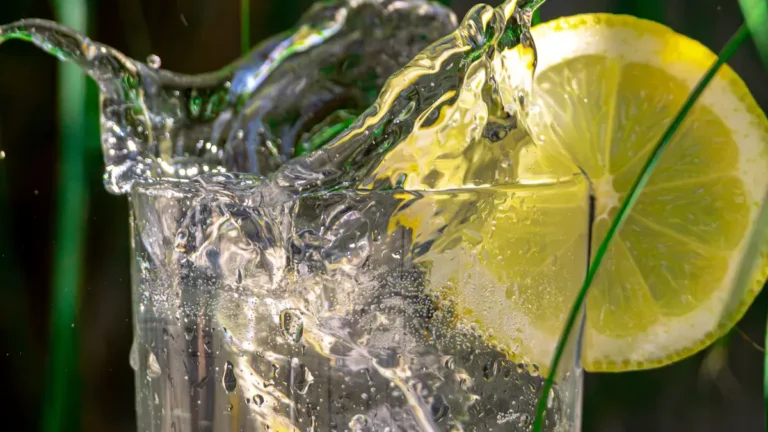
- Choose water or unsweetened tea instead of soda.
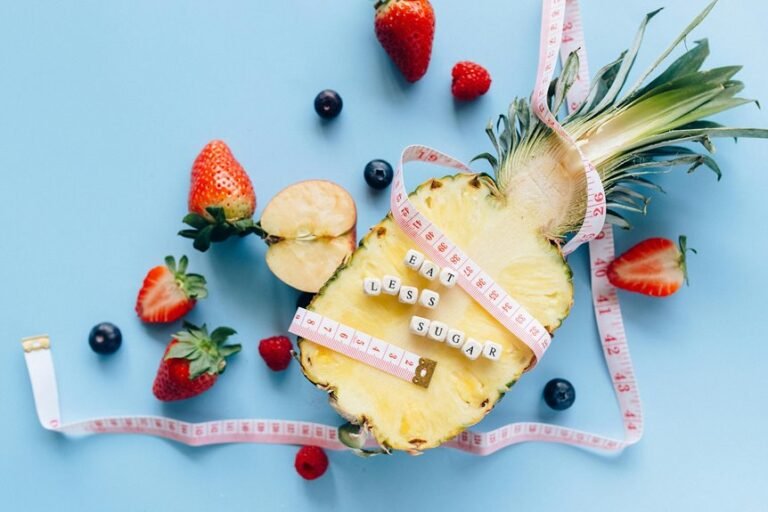
- Pick whole fruit over juice.
- Trade white bread for whole grain bread.
- Swap chips and crackers for nuts or seeds.
- Limit desserts and candy to special moments.
These changes can help you feel more in control and more included at meals with friends. Small swaps still count, and they can fit your day without making food feel lonely.
How to Build a Diabetes-Friendly Plate
At mealtime, a diabetes-friendly plate can feel simple once you know the pattern, and you don’t need to count every bite to make it work. Use plate visuals: fill half with non-starchy vegetables like broccoli, spinach, or peppers.
Then give one quarter to lean protein such as chicken, fish, tofu, or beans. Save the last quarter for whole grains like brown rice, oats, or quinoa. That’s portion control without the stress.
Add a small serving of fruit or plain yogurt should you desire something extra. Because you’re building balance, choose water or unsweetened drinks, too.
Whenever you shop, look for foods that bring fiber, color, and steady energy. You’re not doing this alone, and your plate can support you meal after meal.
Frequently Asked Questions
Can Frozen Berries Work as Well as Fresh Ones?
Yes, frozen berries can perform as well as fresh berries. Studies show that unsweetened frozen berries keep similar nutrients during storage, and they still provide fiber and antioxidants, so you can use them year round.
How Should I Time Fruit With Meals to Reduce Spikes?
Eat fruit with your meal or just before it, not by itself, and include protein alongside it. This timing can soften the blood sugar rise and help you feel more stable after eating.
Are Legumes Better Than Whole Grains for Blood Sugar Control?
You’ll often get steadier blood sugar control from legumes than from whole grains because beans, lentils, and peas digest more slowly and usually have a lower glycemic effect. You can eat both, but legumes often lead to smaller blood sugar rises.
Which Nuts Are Best for Portion-Controlled Snacking?
Almonds and pistachios are the best choices for portion controlled snacking because they are easy to measure and satisfying in small amounts. A small handful of each is plenty. Keep portions modest, and you can snack wisely with your group.
What Dairy Options Have the Least Effect on Glucose?
You’ll usually do best with plain Greek yogurt, unsweetened milk, and low-fat cheese. If lactose bothers you, choose lactose-free versions. These foods are high in protein and tend to have a smaller effect on blood glucose, while still making meals feel complete.