
In case you want to lose weight without feeling deprived, the foods on your plate matter just as much as the calories you count. You can eat more through choosing meals that are high in fiber, rich in lean protein, and low in added sugar. That mix helps you stay full, steady your energy, and avoid random cravings. Next, you’ll see which foods help you feel satisfied and which ones quietly work against your goals.
What Makes a Food Good for Weight Loss?
A good weight loss food does more than just cut calories, because it helps you feel full, keeps your energy steady, and gives your body the nutrients it still needs.
Whenever you choose meals with fiber, water, and a little protein, you’re less likely to snack just because you’re bored or stressed. That’s where portion control matters, since even healthy foods can add up whenever you eat past your needs.
You also want food variety, because different colors and textures keep meals interesting and make it easier to stay on track with your group or routine. Consider simple choices like fruits, vegetables, whole grains, and lean proteins in balanced amounts.
Whenever your plate feels satisfying, you can stick with it longer without feeling left out.
High-Protein Foods That Keep You Full
You can stay full longer whenever you choose lean protein staples like eggs, Greek yogurt, chickpeas, quinoa, and lean meat. These foods give you steady energy, help protect muscle, and make it easier to build satiety-promoting meals without feeling deprived.
Should you need quick protein snack choices, a few smart picks can keep hunger from sneaking up on you between meals.
Lean Protein Staples
Whenever hunger keeps trying to sneak in between meals, lean protein can help you stay steady and satisfied without feeling deprived.
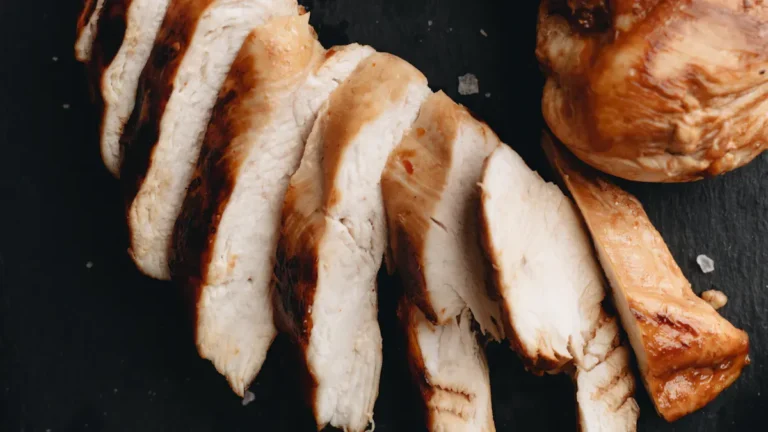
You can build your routine around lean cuts of chicken, turkey, or fish, since they give you steady fuel without piling on extra calories. Eggs also work well because they’re easy to cook, easy to carry, and kind to your budget too.
Should you want plant options, chickpeas and quinoa add protein with fiber, so you feel part of a plan that actually works.
Protein timing matters, too, because eating it at regular meals can help you stay on track and avoid crash-snacking later. Blend these staples into your week, and you’ll make weight loss feel more natural, more social, and less like you’re missing out.
Satiety-Promoting Meals
Protein-rich meals can take the edge off hunger in a way that feels calm and steady, not harsh or punishing. You can build plates that keep you satisfied with eggs, Greek yogurt, chickpeas, quinoa, or a small serving of lean meat.
These foods digest slowly, so you stay comfortable longer and don’t feel pushed to overeat. For better portion control, fill half your plate with vegetables, then add protein and a smart carb.
Balanced textures also help, so pair creamy yogurt with berries or tender chicken with crisp greens. Whenever you eat this way, you join a simple rhythm that supports your goals without drama.
It’s easier to stay on track whenever meals feel filling, familiar, and kind to your day.
Protein Snack Choices
Between meals, the right snack can keep your energy steady and your hunger calm, so you don’t end up staring at the pantry like it owes you money.
You can reach for Greek yogurt, which gives you a creamy protein uplift and helps you stay full longer. Should you want something savory, try eggs, a small handful of nuts, or chickpeas for extra fiber with your protein.
Whenever you need a grab-and-go snack, Spicy jerky can satisfy cravings fast while keeping portions easy to manage.
You can also mix berries with yogurt or pair quinoa bites with veggies for a smarter bite. These choices work with your day, fit real life, and help you feel like you’re on the same team as your goals.
Fiber-Rich Foods That Control Hunger
Fiber-rich foods can help you feel satisfied longer, so you’re less likely to keep reaching for snacks between meals.
You can fill your plate with high-fiber vegetables like broccoli and leafy greens, then add whole grains such as barley to slow digestion and steady your appetite.
Legumes like beans and chickpeas also give you a strong mix of fiber and protein, which makes hunger feel a lot easier to manage.
High-Fiber Vegetables
Whenever you want to feel full without piling on extra calories, high-fiber vegetables can make a real difference.
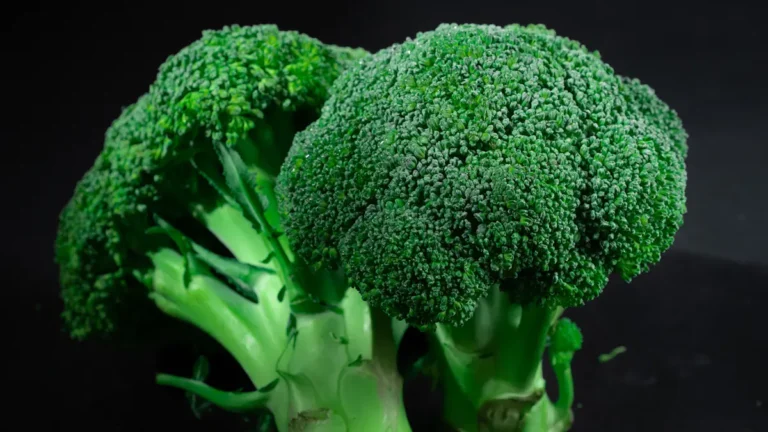
You can lean on broccoli, cauliflower, Brussels sprouts, and cabbage, because these cruciferous vegetables add volume with very few calories. Leafy crucifers like kale and collards also help through slowing digestion, so you stay satisfied longer.
At the point you fill half your plate with these veggies, you give yourself a simple way to control hunger absent feeling deprived.
Try roasting them for a crisp edge, steaming them for a softer bite, or tossing them into soups and salads for easy variety.
Since they’re packed with fiber and water, they help you eat less while still feeling like you’ve got a real meal on your plate.
Whole Grains Benefits
Whole-grain comfort can help you stay full longer without making your meals feel heavy or boring.
Whenever you choose whole grains, you get more fiber, which slows digestion and helps you feel satisfied at lunch and dinner. That’s one of the best benefits for weight loss because it can make portion control feel natural, not forced.
Oats, brown rice, and whole wheat bread can fit your plate and still leave room for real life.
Should gluten myths have confused you, bear in mind that gluten-free isn’t always lighter or better for fat loss.
You can belong at the table and still make smart swaps. Start with one simple change, like replacing refined grains with whole grains, and your hunger might calm down a lot.
Legumes For Fullness
Legumes can help you feel comfortably full without loading your plate with extra calories. Whenever you choose beans, chickpeas, or peas, you give your body fiber and plant protein that slow digestion and steady hunger. That means you’re less likely to raid the snack drawer an hour later.
Canned lentils make this easy because they’re ready fast, and a simple rinse lowers extra sodium. Sprouted mungbeans also add a crisp bite and a gentle, fresh taste to bowls and salads. For the best effect, pair legumes with vegetables or whole grains, so your meal feels complete and satisfying.
You don’t need fancy recipes to fit in with healthy eaters. A warm soup, a grain bowl, or a quick salad can keep you nourished and on track.
Low-Calorie Foods That Help You Eat More
Low-calorie foods can help you eat more without feeling like you’ve blown your whole day on one plate, and that’s a huge win while you’re trying to lose weight.
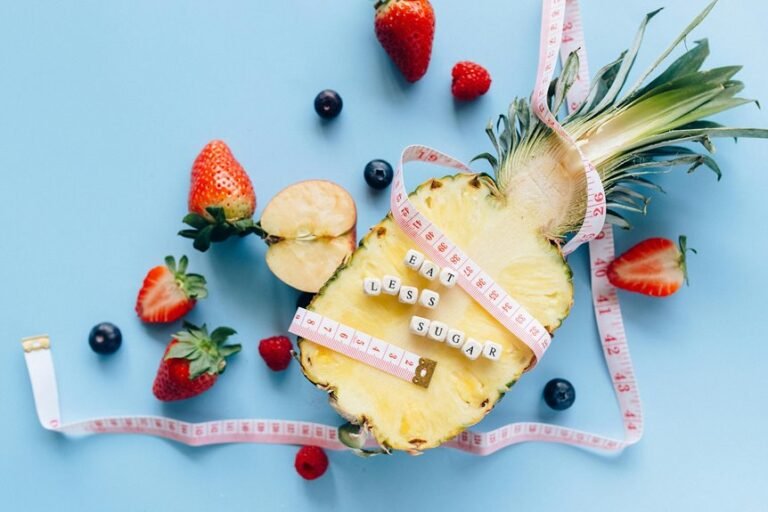
You can lean on volume vegetables like broccoli, leafy greens, and asparagus because they fill your bowl with color, crunch, and fiber while keeping calories low. Then you can add air popped popcorn for a snack that feels big, salty, and satisfying without much energy cost. Fresh berries and grapefruit also fit well, since they bring sweetness, water, and a bright flavor that makes meals feel less strict.
Whenever you build plates this way, you stay full longer and feel more connected to your plan. That makes healthy eating feel less lonely and much more doable each day.
Foods and Drinks That Slow Weight Loss
Some foods can quietly slow your progress, even while they look healthy on the surface. You can also get tripped up through processed foods, which often hide extra sugar, salt, and fat in small servings. They might leave you hungry again soon, so you end up eating more than you planned.
Sugary beverages can do the same thing, because they add calories fast without helping you feel full. Even fruit drinks and fancy coffees can sneak in a lot of sugar.
Whenever you pick these often, your body gets less room for better choices that support steady fat loss. You’re not failing; you’re learning what fits your goals. And that shift can help you feel more in control at mealtimes.
How to Build Weight Loss Meals That Work
Now that you know which foods can slow your progress, you can build meals that actually help your body work with you.
Start with lean meat, eggs, Greek yogurt, or chickpeas, then add broccoli, leafy greens, beans, or quinoa for fiber and staying power. Use portion control so your plate feels satisfying, not stuffed. A 3 to 4 ounce protein serving and half a plate of vegetables usually works well.
Next, add a small amount of nuts, olive oil, or salmon for healthy fats. Grapefruit or berries can round out the meal without adding many calories.
Meal timing matters too, so eat whenever hunger starts, not once you’re already ravenous. Once you stack protein, fiber, and smart fats, you fit in with healthy habits and stay fuller longer.
Frequently Asked Questions
How Much Water Should I Drink With Weight-Loss Meals?
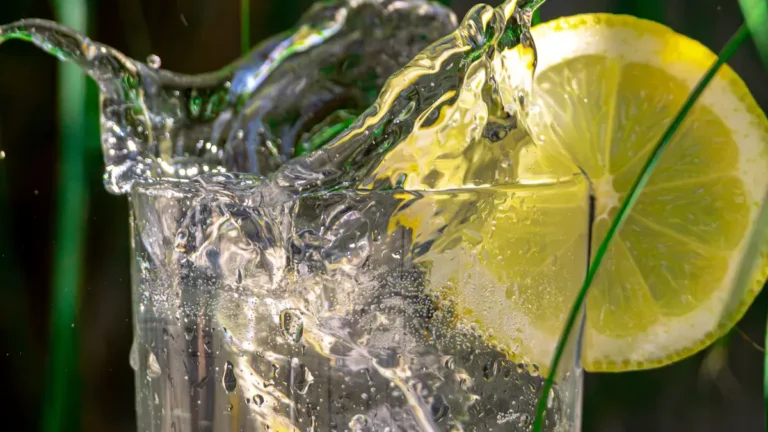
Drink 1 to 2 glasses with your weight loss meal, and adjust the timing so you do not feel bloated. A standard glass size is enough to help you feel satisfied without drinking too much or slowing digestion.
Can Spicy Foods Cause Stomach Discomfort During Dieting?
Yes, they can, especially if you have spice sensitivity or acid reflux. You might notice burning, cramping, or nausea. Start with milder seasonings, eat slowly, and stop if your stomach feels irritated.
Which Snacks Best Curb Late-Night Cravings?
Protein rich snacks such as Greek yogurt, eggs, or chickpeas work well. High fiber choices like beans, broccoli, or berries help you feel full and satisfied. Try one tonight.
How Often Should I Eat to Avoid Overeating?
Eat every 3 to 5 hours and pay attention to meal timing and portion size. This can help you stay satisfied, reduce mindless snacking, and feel more in control when you plan meals around your routine.
Do Artificial Sweeteners Affect Fat Loss?
Artificial sweeteners can reduce calorie intake, but they may also influence metabolism, taste sensitivity, and appetite in different ways. The best choice depends on how your body responds and which option helps you stay satisfied.