
Achieving a crispy texture when frying fish correctly makes all the difference. You might find that frying at the wrong oil temperature leads to soggy fish. Or maybe you’ve breaded too early, letting moisture seep in. Avoiding these mistakes will elevate your dish. Follow these tips for the best results in frying fish correctly!
Key Takeaways
Choose fresh fish for the best flavor and texture. Look for shiny skin, bright eyes, and clean gills.
Dry your fish thoroughly before frying. This prevents moisture from making the fish soggy and helps achieve a crispy texture.
Maintain the oil temperature between 375°F and 400°F. This range ensures the fish cooks evenly without absorbing too much oil.
Frying Fish Correctly: Choosing the Right Fish
Best Fish Types
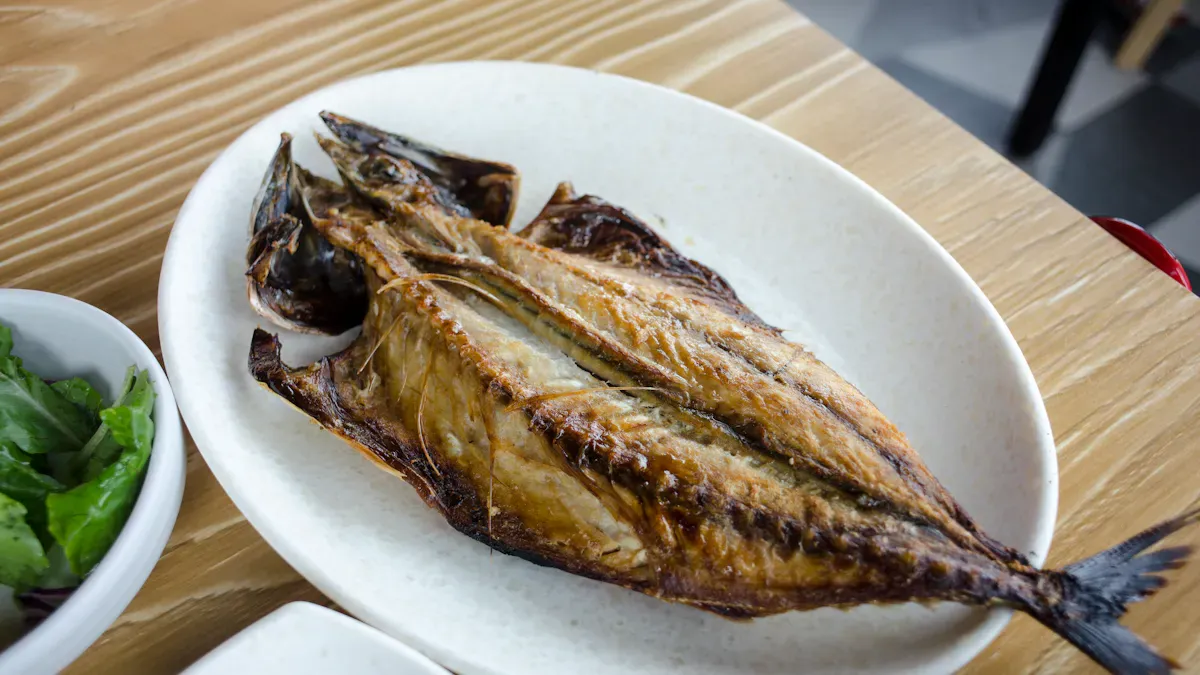
When it comes to frying fish correctly, the type of fish you choose plays a huge role in the final outcome. Here are some of the best options:
Flounder: This fish has a delicate texture and a mild buttery flavor. It’s perfect for battering or breading before frying.
Catfish: Known for its firm texture and mildly sweet taste, catfish is often soaked in buttermilk and dredged in spiced cornmeal before frying.
Haddock: This versatile fish has a flaky texture and is traditionally used for fish ‘n chips, making it a great choice for frying.
These fish types not only fry well but also provide a delicious taste that enhances your meal.
Freshness Matters
Freshness is key when selecting fish for frying. Here are some signs of high-quality, fresh fish:
Sign of Freshness | Description |
|---|---|
Appearance | Look for lively fish with shiny skin and close-fitting scales. |
Eyes | Bright, clear eyes indicate freshness; sunken or hazy eyes suggest age. |
Gills | Clean, bright red gills are a sign of freshness; dark or slimy gills indicate spoilage. |
Flesh | Fresh fish should spring back when pressed; soft flesh indicates deterioration. |
Smell | A pleasant smell is a sign of freshness; any unusual scent indicates spoilage. |
Choosing fresh fish not only improves the taste but also ensures a better texture when frying. Remember, the right fish combined with freshness will help you achieve that crispy texture you desire!
Frying Fish Correctly: Preparing the Fish
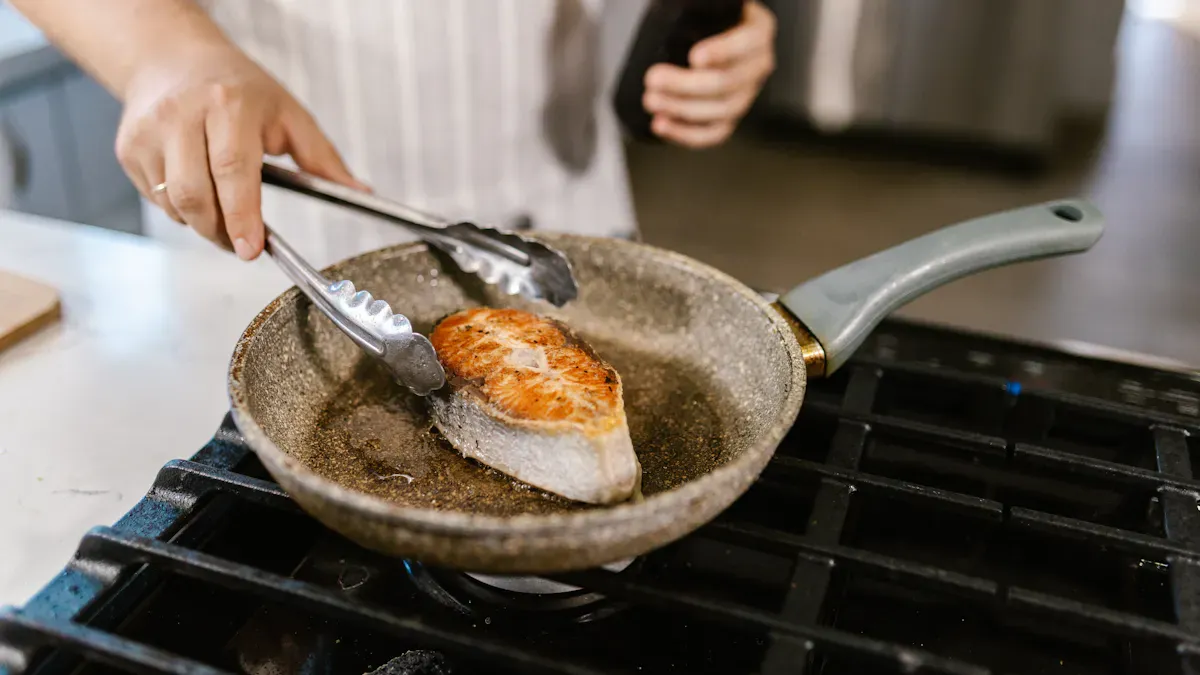
Drying and Patting
Before you fry your fish, drying it properly is crucial for achieving that crispy texture you crave. Excess moisture creates a steam barrier, preventing the fish from cooking evenly and crisping up. Here’s how to dry your fish effectively:
Stage 1: Surface Wipe (0–2 min) — Use a lint-free cloth to wipe the fish with firm strokes along the grain. This removes surface moisture without damaging the skin.
Stage 2: Refrigerated Air-Drying (30–45 min) — Place the fish skin-up on a wire rack in the fridge. This allows moisture to evaporate, tightening the collagen fibers for better crispiness.
Stage 3: Final Blot (immediately pre-pan) — Just before frying, blot the fish with a dry cloth to ensure no moisture remains. Even a small amount can affect crispiness.
Marinating Tips
Marinating your fish can enhance its flavor and texture, but timing is everything. Here are some tips to get it right:
Tip: Marinate fish for 15 to 30 minutes for optimal flavor. Thinner fish should stick to the lower end of that range, while thicker cuts can go up to an hour. Over-marinating can lead to overly seasoned fish, ruining the delicate balance of flavors.
Common marinades include citrus juices like orange or lemon, which not only add flavor but also improve texture. Studies show that marinating fish in these juices enhances fruity volatile compounds and reduces hardness, making your fried fish even more enjoyable.
When seasoning, consider using popular blends like OLD BAY or Tony Chachere’s Original Creole Seasoning. These can elevate your dish and give it that authentic fried fish taste.
By following these drying and marinating techniques, you’ll set yourself up for success when frying fish correctly!
Frying Fish Correctly: The Frying Process
Oil Temperature
Getting the oil temperature right is crucial for frying fish correctly. Aim for a temperature between 375°F and 400°F. This range helps prevent the fish from soaking up too much oil, which can lead to a soggy texture. Here’s how to maintain that perfect temperature:
Use a thermometer to monitor the oil continuously.
Adjust the heat as needed, especially after adding cold fish, to keep the temperature stable.
Wait between batches to let the oil return to the ideal range.
Batch Frying
Frying in batches is essential for achieving that crispy texture. Overcrowding the frying pan can lead to soggy skin and uneven cooking. When you add too much fish at once, moisture gets trapped, preventing the fish from crisping up. Instead, fry a few pieces at a time. This way, you allow steam to escape, ensuring each piece cooks evenly and develops a beautiful crust.
Techniques for Crispiness
To achieve a crispy and golden brown crust, follow these techniques:
To create the crispiest fish, pat the fish dry before coating it. Use a mixture of all-purpose flour, cornmeal, and a bit of baking powder for extra crunch. Consider the ‘double baptizing’ method—dipping the fish in a wet batter and then coating it in dry ingredients. This technique locks in moisture while creating a delightful crunch.
Remember, the key to enjoying perfectly fried fish is to eat it fresh off the stove. The crispiness diminishes as it cools, so serve it hot for the best experience!
Here’s a quick recap of tips for frying fish correctly:
Tip | Why It Helps |
|---|---|
Use a heavy skillet | Keeps heat steady for even frying |
Pat fish dry | Cuts moisture for crispiness |
Don’t move fish too soon | Helps form a golden crust |
Shake off excess flour | Prevents clumps and uneven cooking |
Try experimenting with flavors from around the world, like UK’s fish and chips or India’s Machh Bhaja. Have fun frying fish correctly and share your tasty results!
FAQ
What oil is best for frying fish?
Use oils with high smoke points, like canola or peanut oil. They help achieve that crispy texture without burning.
How do I know when the fish is done frying?
The fish should turn golden brown and flake easily with a fork. This usually takes about 3-5 minutes per side.
Can I reuse frying oil?
Yes, you can reuse oil if it’s clean and hasn’t been overheated. Strain it and store it in a cool, dark place.