
Assuming your muscles could talk, they’d probably ask for better fuel. High protein foods can help you build strength, recover after workouts, and stay full longer, but the real trick is being aware of how much you need and which foods actually fit your life. You’ll see how chicken, eggs, tuna, tofu, beans, and more can work together, plus simple ways to spread protein through the day so your meals feel easier, not stricter, and the next step might surprise you.
Why High-Protein Foods Matter
Once you’re trying to feel stronger, recover faster, or stay full longer, high-protein foods can make a real difference.
You give your body the building blocks it needs for muscle synthesis, so your workouts can pay off more.
You also support satiety signaling, which helps you feel satisfied and less tempted to graze every hour. That matters on busy days while you want steady energy and a meal that actually sticks with you.
Foods like chicken, eggs, tuna, beef, tofu, nuts, and seeds fit easily into your routine, so you can eat well without feeling boxed in.
Whenever you choose them often, you help your body repair tissue, keep strength moving forward, and feel more at home in your own eating plan.
How Much Protein You Need Daily
How much protein you need each day depends on your body, your age, and how active you are, so there isn’t one magic number for everyone. You can consider in ranges, not rules.
Should you be growing, older, or training hard, your needs shift. That’s where age adjusted needs help you stay on track without guessing.
Should you work out, use activity specific targets so you fuel recovery and protect muscle.
Should you be less active, you might need less, but you still need enough to feel steady and strong.
Aim to spread protein across meals, since that often feels easier than chasing one huge serving. Once you match your intake to your life, you’ll fit in with a plan that supports you well.
Best High-Protein Foods for Muscle Growth
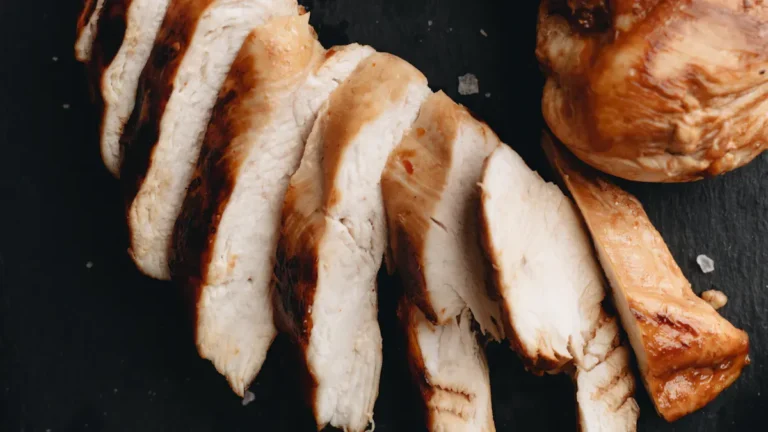
At the moment you want to build muscle, the best high-protein foods can make a real difference in how strong, full, and recovered you feel. You’ll do well with chicken breast, eggs, tuna, beef, and tofu because they give your muscles the building blocks they need after hard training.
Chicken and tuna work fast, while eggs and beef add key nutrients that support strength. Should you eat plant-based, tofu can still fit your goals with solid protein and calcium.
For quick resistance snacks, try nuts, seeds, or boiled eggs whenever hunger hits between meals. Protein timing also matters, so consume a protein-rich option soon after workouts and again later in the day. That steady support helps you feel part of the strong, steady crew.
Top Protein-Rich Foods for Everyday Meals
Building everyday meals around protein can make eating feel easier, steadier, and a lot more satisfying. You don’t need fancy plans; you just need a few trusted choices.
Start with eggs at breakfast, chicken breast or tuna at lunch, and lean beef at dinner whenever you want a filling plate. For quick comfort, try grilled tempeh in a bowl with rice and vegetables, or toss Sardine salads together for a fast, savory meal.
Tofu also fits well in stir-fries, while nuts and seeds help you bridge the gap between meals. Whenever you keep these foods close, you build meals that feel familiar and supportive. That kind of routine helps you stay on track, and it makes healthy eating feel like your space too.
Best Plant-Based Protein Sources
Whenever you choose plant proteins, you can build strong meals with foods like tofu, chickpeas, nuts, and seeds.
Some plant foods give you complete protein on their own, while others work even better whenever you pair them.
That means you don’t have to guess, because a few smart combinations can help you get the protein your body needs.
Top Plant Proteins
Plant-powered proteins can do a lot more than fill your plate. You can lean on them for steady energy, muscle support, and meals that feel satisfying.
Soy Options like tofu and tempeh give you strong protein with a smooth, easy fit in bowls or stir-fries. Then Seed Blends bring extra crunch and help you stay full between meals.
- Tofu works well in savory dishes.
- Tempeh adds a firmer bite.
- Edamame makes a fast snack.
- Hemp and chia enhance smoothies.
- Pumpkin and sunflower seeds top salads.
When you mix these foods into your day, you build a routine that feels simple and welcoming. You don’t need perfect meals, just steady choices that support your goals and keep you in the groove.
Complete Protein Pairings
Although many plant foods help you meet your protein needs, complete protein pairings give you an even smarter path.
You can mix beans with rice, hummus with pita, or peanut butter with whole-grain toast to create complementary amino profiles. That means your body gets the full set it needs for repair and strength.
Should you eat plant animal foods too, you’ll notice how easily eggs, tofu, and dairy-like soy choices fit into your day.
You don’t need fancy meals, just steady combinations that feel normal and friendly at home or with your crew.
Whenever you pair smartly, you support muscle growth, energy, and confidence without stress.
How to Build Balanced High-Protein Meals
You can build a balanced high-protein meal alongside pairing a solid protein like chicken, eggs, tuna, beef, or tofu with a smart carb source and a healthy fat. This mix helps you support energy, muscle repair, and steady fullness without making meals feel heavy or boring.
Whenever you plan ahead, simple meal prep can save you time and make it easier to stay on track all week.
Protein, Carb, Fat Balance
Whenever you build a high-protein meal, balance matters just as much as the protein itself. You want enough carbs to fuel training and enough fat to keep meals satisfying. Whenever you match these pieces, you support macronutrient timing and steady energy. That balance can also improve satiety effects, so you stay full without feeling heavy.
- Add chicken breast or eggs for a strong protein base.
- Pair them with rice, potatoes, or fruit for quick energy.
- Include avocado, nuts, or seeds for healthy fats.
- Use tuna or tofu whenever you want variety.
- Keep portions simple so your plate feels easy and welcoming.
You don’t need perfect math. You just need a meal that works with your body and fits your day.
Meal Prep Strategies
Meal prep can make high-protein eating feel a lot less stressful, because it turns healthy choices into easy habits. You can start with batch cooking chicken breast, eggs, tuna, tofu, or lean beef on one day, then mix them into meals all week.
Next, build each container with protein, a smart carb, and a colorful veggie so you stay full and steady. Ingredient rotation keeps boredom away, so swap rice for potatoes, or try nuts and seeds on yogurt and salads.
Whenever you prep, portion food into grab-and-go boxes and label them per day. That way, you’re less tempted to skip meals, and you’ll feel like you’ve got your own team backing you up.
When to Eat Protein for Better Recovery
Timing matters almost as much as the protein itself, because your muscles start asking for repair soon after exercise. You don’t need to rush like a sprinter, but you do want to eat within your post workout timing window so recovery feels smoother and stronger. Should dinner be far away, a snack helps bridge the gap and keeps you connected to your training group’s shared rhythm.
- Try chicken breast for a fast, lean option.
- Choose eggs whenever you want easy, complete protein.
- Reach for tuna whenever you need a quick meal.
- Add tofu in case you prefer plant-based support.
- Use nuts or seeds for a simple protein enhancement.
Later, protein before bed can support overnight synthesis, so your body keeps rebuilding while you rest.
Protein Mistakes That Slow Progress
Even with the best foods on your plate, a few protein mistakes can still slow your progress and leave you feeling stuck. You could overcook protein, which can dry out chicken or eggs and make meals less satisfying. You can also miss gains through ignoring food variety, since beef, tofu, tuna, nuts, and seeds each bring different support.
| Mistake | Why it hurts |
|---|---|
| Overcooking protein | Lowers taste and makes meals harder to enjoy |
| Ignoring food variety | Limits nutrients and balance |
| Skipping balanced portions | Leaves your body short on fuel |
| Repeating the same meals | Can drain motivation fast |
When you choose different proteins, you help your body stay strong and keep mealtime feeling like your own. Small changes like these help you fit in with a steady, confident routine that feels doable.
Easy Ways to Add More Protein Today
A simple protein increase can start right where you’re now, and you don’t need a full meal overhaul to do it. You can make Protein swaps that fit your routine and still feel normal with your crew.
- Add eggs at breakfast instead of toast alone.
- Choose chicken breast or tuna at lunch for easy strength support.
- Stir tofu into stir-fries whenever you want a plant-based option.
- Keep nuts and seeds nearby for quick Snack enhancements.
- Swap a low-protein side for beans, chickpeas, or yogurt.
Next, build on those wins during the day. Should dinner feel rushed, pick beef or fish so you still hit your target. Small changes stack up fast, and you’ll feel more fueled without stressing your plate.
Frequently Asked Questions
Which High-Protein Foods Are Best for Quick Post-Workout Snacks?
You can recover quickly with Greek yogurt, cottage cheese, protein shakes, turkey rolls, chocolate milk, tuna packets, peanut butter, and rice cakes. A tuna packet provides nearly 20 g of protein per 85 g, which can help you feel fueled and satisfied.
How Do Protein Choices Differ Between Bulking and Cutting Phases?
You’d typically pick higher calorie, higher fat proteins during a bulk and leaner proteins during a cut. Match your protein choices to your calorie target and macro balance, so your training stays aligned with your goal.
Can Too Much Protein Affect Kidney Health in Healthy Adults?
Usually, no. If you have healthy kidneys, higher protein intake does not typically damage them. Keep intake moderate, stay well hydrated, and include a balanced mix of foods to support kidney health.
Which Protein Sources Are Best for Meal Prep on Busy Weeks?
Chicken, eggs, tuna, and tofu are strong choices for busy meal prep. You can portion them into Mason jars, add vegetables, and keep your week organized, filling, and ready to go.
How Can I Increase Protein Without Adding Too Many Calories?
Choose lean proteins such as chicken breast, tuna, eggs, or tofu, and keep portions measured. These foods help raise protein intake without pushing calories too high.