


Oatmeal stands out as a favorite breakfast choice for many, and its numerous oatmeal benefits make it even more appealing. Its creamy texture and comforting warmth provide a delightful way to start your day. Packed with essential nutrients, oatmeal supports your overall health in various ways.
But what specific health benefits can you gain from incorporating oatmeal into your diet?
Here’s a quick look at some key nutrients in oatmeal:
Nutrient | Health Benefit |
|---|---|
Beta-glucan | Reduces blood glucose and insulin response, increases good bacteria growth. |
Antioxidants | Avenanthramides reduce inflammation and improve heart health. |
Soluble Fiber | Promotes gut health and prevents constipation. |
Embrace the goodness of oatmeal and discover how its oatmeal benefits can enhance your well-being!
Key Takeaways
Oatmeal is rich in beta-glucan, which helps lower bad cholesterol and stabilize blood sugar levels.
Regular consumption of oatmeal can promote feelings of fullness, aiding in weight management and reducing snacking.
Oatmeal supports digestive health by providing soluble fiber that promotes regular bowel movements and gut microbiota.
The antioxidants in oatmeal, like avenanthramides, enhance immune function and protect against illnesses.
Incorporating oatmeal into your diet can lead to long-term heart health benefits, including lower blood pressure and cholesterol.
Nutritional Value of Oatmeal

Key Nutrients
Oatmeal is rich in essential nutrients that contribute to your health. Here are some of the key nutrients found in oatmeal:
Beta-glucan: This soluble fiber helps lower cholesterol and stabilize blood sugar levels.
Antioxidants: Oatmeal contains avenanthramides, which reduce inflammation and promote heart health.
Vitamins and Minerals: Oatmeal provides B vitamins, iron, magnesium, and zinc, all vital for your body’s functions.
Comparison with Other Foods
When you compare oatmeal to other popular breakfast options, you can see its advantages. Below is a table that highlights the nutritional profile of oatmeal versus eggs, a common breakfast choice:
Nutrient | Oatmeal (½ cup) | Eggs (2 fried) |
|---|---|---|
Calories | 150 | 143 |
Total fat | 3g | 10g |
Saturated fat | 0.5g | 3.2g |
Cholesterol | 0mg | 410mg |
Sodium | 0mg | 244mg |
Total carbohydrate | 27g | 1g |
Dietary fiber | 4g | 0g |
Total sugars | 1g | 0g |
Protein | 5g | 12.4g |
Calcium | 20mg | 48mg |
Iron | 1.5mg | 1.7mg |
Potassium | 150mg | 132mg |
As you can see, oatmeal offers a low-calorie, high-fiber option with no cholesterol, making it a heart-healthy choice.
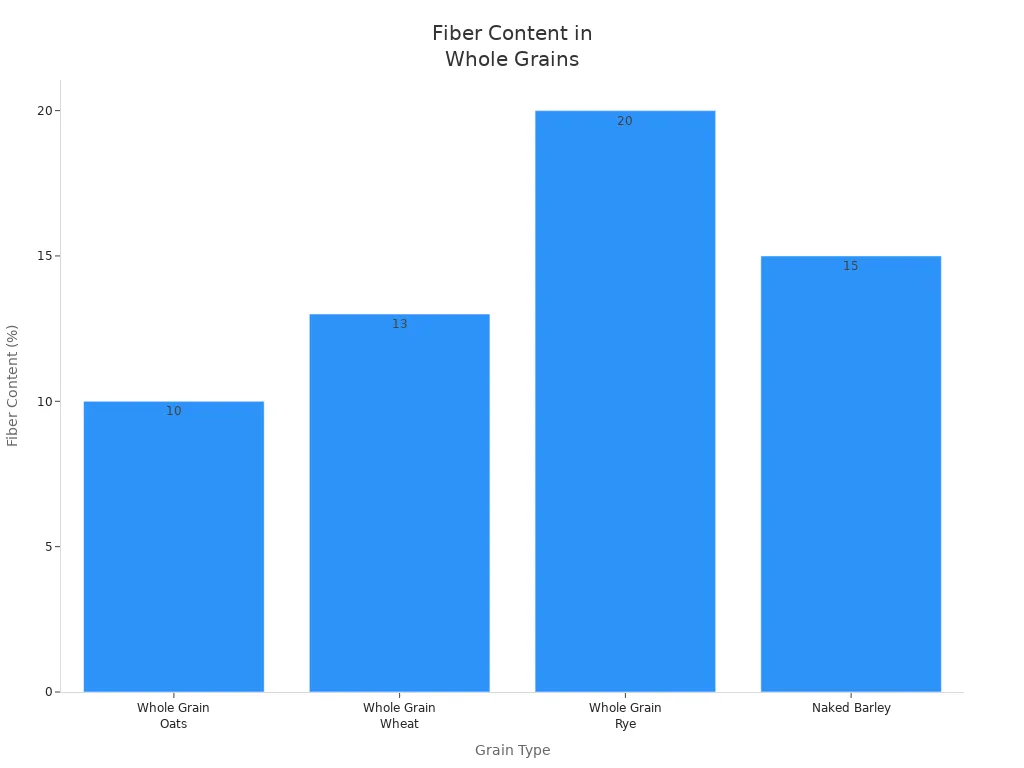
In addition, oatmeal’s fiber content stands out when compared to other whole grains. For example, whole grain oats contain about 10% dietary fiber, while whole grain wheat has 13%, whole grain rye has 20%, and naked barley has 15%. This fiber helps keep your digestive system healthy and supports overall wellness.
Incorporating oatmeal into your breakfast routine can provide you with a nutritious start to your day.
Oatmeal Benefits for Cholesterol

Lowering LDL Cholesterol
Oatmeal plays a significant role in lowering LDL cholesterol, often referred to as “bad” cholesterol. When you consume oatmeal regularly, you can experience a reduction in your cholesterol levels. A meta-analysis of 12 randomized controlled trials found that eating at least 3 grams of oat beta-glucan daily can significantly lower serum cholesterol levels, including LDL cholesterol. This means that incorporating oatmeal into your diet can lead to healthier cholesterol levels over time.
A study from the University of Bonn showed that participants with metabolic syndrome who followed an oat-based diet for just two days experienced a remarkable 10% reduction in LDL cholesterol. This decrease remained evident even six weeks later, highlighting the long-term benefits of oatmeal consumption.
Role of Fiber
The fiber in oatmeal, particularly beta-glucan, is crucial for its cholesterol-lowering effects. Beta-glucan interacts with bile acids in your digestive system. It prevents the re-absorption of these acids in the terminal ileum, leading to increased fecal excretion. As a result, your body needs to synthesize new bile acids from cholesterol, which lowers systemic LDL cholesterol levels.
Additionally, beta-glucan promotes the growth of beneficial gut bacteria, such as Bifidobacterium and Lactobacillus. These bacteria are linked to bile salt hydrolase (BSH) activity, which can further influence bile acid profiles and support cholesterol metabolism.
To give you an idea of how much beta-glucan is in oatmeal, a typical serving contains about 0.75 grams. While this may seem small, regular consumption can add up, leading to significant health benefits.
Daily Intake of Oat β-glucan | LDL Cholesterol Reduction |
|---|---|
≥3 g OBG/d | 0.25 mmol/L |
Blood Sugar Control and Oatmeal Benefits
Stabilizing Blood Sugar
Oatmeal can significantly impact your blood sugar levels. When you consume oatmeal, it helps stabilize your blood glucose. This effect is largely due to the soluble fiber, beta-glucan, found in oats. Studies show that eating oatmeal leads to a reduction in postprandial blood glucose levels.
Here’s a summary of the effects of oatmeal on blood glucose:
Outcome | Reduction (%) | Confidence Interval (95% CI) | p-value |
|---|---|---|---|
Glucose iAUC | 23% | 0.74, 0.81 | < 0.001 |
Glucose iPeak | 28% | 0.64, 0.76 | < 0.001 |
Insulin iAUC | 22% | 0.72, 0.85 | < 0.001 |
Insulin iPeak | 24% | 0.65, 0.88 | < 0.001 |
These results indicate that oatmeal can help you manage your blood sugar effectively. A systematic review also found that consuming oats leads to small improvements in glycemic control markers in adults with type 2 diabetes. This suggests that oatmeal can be a beneficial addition to your diet if you are looking to maintain stable blood sugar levels.
Diabetic-Friendly Food
If you have diabetes, oatmeal can be a great choice for breakfast. The American Diabetes Association recommends whole grains like oats for their glucose- and cholesterol-lowering effects. Oatmeal’s low glycemic index makes it a smart option for managing blood sugar.
Here’s a comparison of the glycemic index of different types of oats:
Type of Oats | Glycemic Index (GI) |
|---|---|
Steel-cut oats | 55 |
Large-flake rolled oats | 53 |
Quick-cooking oats | 71 |
Instant oats | 75 |
As you can see, steel-cut and rolled oats have a lower glycemic index compared to quick-cooking and instant oats. Choosing steel-cut or rolled oats can help you maintain better blood sugar control.
When preparing oatmeal, consider these recommendations:
Recommendation | Details |
|---|---|
Type of Oats | Whole grains like oats are beneficial due to their glucose- and cholesterol-lowering effects. |
Cooking Method | Longer cooking times are preferable for better health benefits. |
Toppings | Fresh fruit is recommended over dried fruit to manage blood sugar levels. Nuts like almonds and walnuts can be added in moderation for extra nutrients. |
Incorporating oatmeal into your meals can provide you with a nutritious and diabetic-friendly option. It not only helps stabilize your blood sugar but also offers various health benefits that support your overall well-being.
Weight Management with Oatmeal
Feeling Full Longer
Oatmeal serves as a filling breakfast option that can help you manage your weight effectively. The soluble fiber in oats, particularly beta-glucan, plays a crucial role in appetite regulation. Here are some key points about how oatmeal promotes feelings of fullness:
Beta-glucan influences appetite hormones like leptin and PYY, which are essential for regulating satiety.
Increased intake of beta-glucan leads to higher plasma levels of PYY, enhancing your feelings of fullness.
The viscosity of oats contributes to appetite reduction, which helps lower postprandial glucose levels.
Research supports these claims. A study published in the Journal of the American College of Nutrition found that oatmeal is more effective in suppressing appetite compared to cold cereals with the same caloric value. By substituting refined breakfast grains with oatmeal, you can decrease your total caloric intake throughout the day.
Caloric Control
A serving of oatmeal, specifically a half-cup of dry oats, contains approximately 150 calories. This low energy density food is beneficial for weight management. It promotes feelings of fullness, especially when paired with protein sources like Greek yogurt or nuts. This combination can keep you satisfied for several hours, reducing the likelihood of snacking.
To illustrate how oatmeal compares to other breakfast foods in terms of keeping you full, consider the following table:
Measure | Oatmeal (p-values) | Ready-to-Eat Cereals (RTEC) (p-values) |
|---|---|---|
Fullness | 0.001 | N/A |
Hunger | 0.005 | N/A |
Desire to eat | 0.001 | N/A |
Prospective intake | 0.006 | N/A |
Incorporating oatmeal into your breakfast routine can help you manage your weight effectively. By choosing oatmeal, you not only enjoy its health benefits but also support your weight management goals.
Digestive Health and Oatmeal
Supporting Gut Microbiota
Oatmeal plays a vital role in supporting your gut microbiota. The soluble fiber in oats, particularly beta-glucan, acts as a prebiotic. This means it feeds the beneficial bacteria in your gut. When you consume oatmeal, you promote the growth of good bacteria like Lactobacillus and Bifidobacterium. These bacteria help maintain a healthy digestive system.
Research shows that oat fibers can significantly increase the diversity of gut microbiota. Here’s a summary of some key findings:
Study Focus | Findings |
|---|---|
In vitro studies on oat fibers | Oat fibers, especially β-glucan, promote the growth of beneficial bacteria like Lactobacillus and Bifidobacterium. |
Processing methods of oat bran | Steamed oat bran increases SCFA production more than other processing methods. |
Comparison with other grains | Oats preferentially increase Lactobacillus and promote butyrate production compared to corn and millet. |
Effects on adult fecal inoculum | Increases in acetate and propionate, and a decrease in butyrate with oat bran treatment, along with increases in Bifidobacterium. |
Regular Bowel Movements
Oatmeal is also effective in promoting regular bowel movements. Its rich soluble fiber content helps soften stools, making them easier to pass. This fiber, combined with adequate hydration, plays a crucial role in preventing constipation. Research indicates that consuming fiber-rich foods like oatmeal can significantly alleviate constipation symptoms.
You can meet a substantial portion of your daily fiber needs by eating oatmeal. One serving provides about 8 grams of fiber, which represents 33% of the recommended daily intake. This high fiber content not only supports digestive health but also helps you feel full longer.
Immune System Boost from Oatmeal
Fighting Off Illness
Oatmeal can significantly boost your immune system. The beta-glucan in oats stimulates the production of important proteins called cytokines. These proteins, such as interleukin-1 (IL-1) and tumor necrosis factor alpha (TNF-α), help your body fight off infections. Research shows that regular consumption of oatmeal can enhance your immune responses. For example, studies indicate that oat beta-glucan improves resistance to infections in mice. This means that by including oatmeal in your diet, you can better prepare your body to fend off illnesses.
Antioxidant Properties
Oats are rich in antioxidants, which play a crucial role in protecting your body from damage. A unique class of antioxidants found in oats is called avenanthramides. These compounds trap harmful reactive oxygen species (ROS) and enhance your immune function. Here’s a quick look at some key antioxidant compounds in oatmeal and their health effects:
Antioxidant Compound | Effect on Health |
|---|---|
Avenanthramides (AVAs) | Traps reactive oxygen species (ROS), enhances immune function |
Vitamin E | Prevents chronic diseases, cancer, cardiovascular diseases, and strokes |
Phytic acid | Contributes to antioxidant activity and overall health benefits |
Compared to other whole grains, oats contain higher levels of these beneficial compounds. This makes oatmeal a powerful ally in maintaining your health. By regularly consuming oatmeal, you can enjoy its immune-boosting properties and protect your body from various illnesses.
Incorporating oatmeal into your meals is an easy way to enhance your overall health. Whether you enjoy it as a warm breakfast or in a smoothie, oatmeal provides essential nutrients that support your immune system.
Heart Health Benefits of Oatmeal
Cardiovascular Protection
Oatmeal offers significant cardiovascular protection. The soluble fiber in oats, particularly beta-glucan, plays a vital role in lowering LDL cholesterol, which is a known risk factor for heart disease. Research shows that consuming just 3 grams of beta-glucan daily can lower blood cholesterol levels by about 12 points. This reduction is crucial for maintaining heart health. The FDA even recognizes the health benefits of oat beta-glucans, allowing health claims related to cardiovascular disease risk reduction.
Here are some key points about how oatmeal benefits your heart:
Oats enhance the viscosity of gut contents, leading to increased excretion of bile acids and cholesterol.
Regular oatmeal consumption can lower both total and bad cholesterol, which is essential for preventing heart disease.
A meta-analysis found that participants who included oatmeal in their diets experienced a decrease in serum total cholesterol and LDL cholesterol levels.
Healthy Heart Function
Oatmeal also supports healthy heart function. The nutrients in oats, such as potassium and magnesium, contribute to better vascular health. These minerals help regulate blood pressure, which is vital for heart function. Here’s how oatmeal influences your heart health:
Beta-glucan fiber enhances blood vessel function.
Oats are rich in potassium and magnesium, which help lower blood pressure.
Whole grains, including oats, are linked to improved cardiovascular outcomes.
Incorporating oatmeal into your daily diet can lead to long-term heart health benefits. Eating one and one-half cups of cooked oatmeal daily can lower cholesterol by 5 to 8%. By making oatmeal a regular part of your meals, you can enjoy its many health benefits while supporting your heart.
Oatmeal offers numerous health benefits that can enhance your well-being. It helps lower cholesterol, stabilize blood sugar, and support weight management. Additionally, oatmeal promotes digestive health and boosts your immune system.
Consider adding oatmeal to your daily diet. You can prepare it easily by starting with a half-cup of quick-cooking oats and using two parts water. Enhance your oatmeal with toppings like natural peanut butter, sliced bananas, or a sprinkle of cinnamon.
Here are some simple ways to enjoy oats:
Blend ground oats into smoothies for added fiber.
Use oats in various dishes for versatility.
Make homemade oatmeal bars with your favorite ingredients.
Incorporating oatmeal into your meals can be both delicious and nutritious!
FAQ
What are the health benefits of oats?
Oats provide numerous health benefits. They help lower cholesterol, stabilize blood sugar, support weight management, and promote digestive health. Regular consumption of oats can enhance your overall well-being.
How can I prepare oats for breakfast?
You can prepare oats by cooking them with water or milk. Try adding toppings like fruits, nuts, or honey for extra flavor. Overnight oats are also a quick and easy option.
Are oats gluten-free?
Oats are naturally gluten-free. However, they can be contaminated with gluten during processing. Look for certified gluten-free oats if you have celiac disease or gluten sensitivity.
How often should I eat oats?
Incorporating oats into your diet several times a week can maximize their health benefits. Aim for at least three servings per week to enjoy their positive effects on your body.
Can I eat oats if I have diabetes?
Yes, oats can be a great choice for diabetics. Their low glycemic index helps stabilize blood sugar levels. Choose whole oats for the best health benefits.
