


Peanut butter is a beloved staple in many kitchens around the world, and its peanut butter nutrition profile is impressive. Its creamy texture and rich taste make it a versatile food that you can enjoy in countless ways. Did you know that peanut butter is packed with nutrients? It offers a wealth of health benefits that can enhance your daily diet. How can you incorporate this delicious spread into your meals? Let’s explore the amazing advantages of peanut butter nutrition and discover how it can fit seamlessly into your lifestyle.
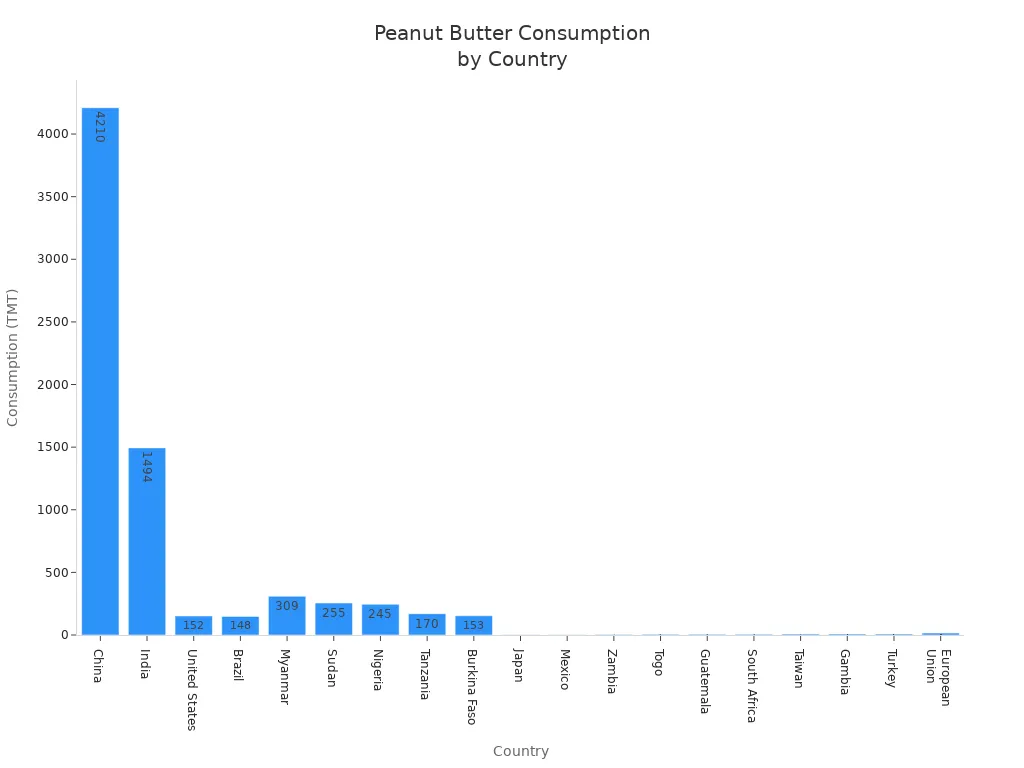
Country | Consumption (TMT) |
|---|---|
China | 4210 |
India | 1494 |
United States | 152 |
Brazil | 148 |
Myanmar | 309 |
Sudan | 255 |
Nigeria | 245 |
Tanzania | 170 |
Burkina Faso | 153 |
Japan | 1 |
Mexico | 2 |
Zambia | 3 |
Togo | 5 |
Guatemala | 5 |
South Africa | 6 |
Taiwan | 7 |
Gambia | 8 |
Turkey | 8 |
European Union | 15 |
Key Takeaways
Peanut butter is a nutrient powerhouse, offering healthy fats, protein, and fiber that support heart health and keep you full longer.
Incorporating peanut butter into your meals can help manage weight by promoting satiety and reducing overall calorie intake.
Peanut butter aids in blood sugar control, making it a smart choice for those looking to maintain steady glucose levels.
This delicious spread supports muscle growth and repair due to its high protein content, making it ideal for post-workout nutrition.
Peanut butter is rich in antioxidants, which can help reduce the risk of chronic diseases and promote overall health.
Peanut Butter Nutrition
Macronutrients
Peanut butter is not just a tasty spread; it’s also a powerhouse of macronutrients. In just two tablespoons, you get about 190 calories, making it a great energy source. Here’s a quick look at the macronutrient breakdown:
Nutrient | Amount per Serving | % Daily Value* |
|---|---|---|
Calories | 190 | |
Total Fat | 16g | 21% |
Saturated Fat | 3.5g | 17% |
Protein | 7g | 7% |
Dietary Fiber | 2g | 9% |
Peanut butter is rich in healthy fats, with about 80% of its fat content being unsaturated. These healthy fats can help support heart health and keep you feeling full longer. Plus, the protein in peanut butter serves as a vital building block for your muscles, making it an excellent choice for post-workout recovery.
Vitamins and Minerals
Peanut butter also packs a punch when it comes to vitamins and minerals. It contains essential nutrients that your body needs to function optimally. Here’s a snapshot of some key vitamins and minerals found in peanut butter:
Vitamin / Mineral | Quantity | %DV |
|---|---|---|
Vitamin E | 2mg | 10% |
Niacin (B3) | 5mg | 30% |
Magnesium | 54mg | 14% |
Potassium | 184mg | 4% |
Iron | 0.5mg | 2% |
These nutrients contribute to various bodily functions, from boosting your immune system to supporting healthy skin. The fiber in peanut butter aids digestion and helps maintain steady blood sugar levels, making it a smart choice for anyone looking to improve their overall health.
Incorporating peanut butter into your diet can be both delicious and nutritious. Whether you spread it on toast, blend it into smoothies, or enjoy it with fruits, you’re adding a wealth of nutrients to your meals!
Heart Health Benefits

Peanut butter is not just a tasty treat; it can also be a great ally for your heart. You might be surprised to learn that incorporating peanut butter into your diet can lead to significant heart health benefits.
One of the key ways peanut butter supports your heart is through its healthy fats. These fats, particularly monounsaturated and polyunsaturated fats, can help lower your low-density lipoprotein (LDL) cholesterol levels. High LDL cholesterol is a major risk factor for heart disease and stroke. By enjoying peanut butter, you can take a heart-healthy approach that may reduce your cholesterol levels and improve your overall cardiovascular health.
Research backs up these claims. A study published in JAMA Internal Medicine found that people who regularly consumed peanuts and other nuts had a 21% lower risk of dying from cardiovascular disease over five years. Another study from Loma Linda University showed that those with the highest intake of tree nuts, including peanuts, had a 17-27% lower risk of death from heart-related issues. These findings highlight the long-term peanut butter benefits for your heart.
When comparing peanut butter to other nut butters, it stands out for its protein content, offering about 8 grams per serving. While almond butter has more monounsaturated fats, both types can help lower bad cholesterol levels when consumed in moderation. Here’s a quick comparison:
Peanut butter is high in protein.
Almond butter contains more heart-healthy fats.
Both nut butters support heart health when included in a balanced diet.
Incorporating peanut butter into your meals can be a simple yet effective way to promote heart health. Whether you spread it on whole-grain toast or blend it into smoothies, you’re making a choice that benefits your heart.
Weight Management Benefits
If you’re looking to manage your weight, peanut butter can be a fantastic addition to your diet. One of the standout benefits of peanut butter is its ability to promote satiety. When you enjoy a serving of peanut butter, you often feel fuller for longer. This feeling of fullness can help you resist the temptation to snack on less healthy options between meals.
Research shows that peanuts can significantly increase feelings of fullness and lower energy intake in subsequent meals. The combination of high protein, healthy fats, and fiber in peanut butter contributes to this effect. In fact, studies indicate that participants who included peanuts or tree nuts in their diets maintained their weight while consuming additional calories. This suggests that peanut butter effectively helps regulate overall calorie intake.
Here’s a quick look at some studies that highlight the weight management benefits of peanut butter:
Study | Findings |
|---|---|
Alper, 2002 | Peanuts promote satiety due to high fat, fiber, and protein content, leading to reduced calorie intake from other foods. |
McManus, 2001 | A moderate-fat diet including nuts and peanut butter resulted in greater and sustained weight loss compared to a low-fat diet. |
Dr. Mattes Study | Subjects felt full and compensated for additional calories from peanuts by eating less, resulting in lower weight gain than expected. |
Peanut butter is calorie-dense, providing around 200 calories per 2-tablespoon serving. While over 75% of these calories come from fat, peanut butter also offers protein, fiber, vitamins, and minerals. These high-quality, nutrient-dense calories can positively impact your health more than processed diet foods.
Additionally, individuals who consume peanuts and peanut butter tend to have lower body mass indexes (BMIs) and are more successful at maintaining their weight compared to those who avoid these foods. So, if you’re aiming for a balanced diet, consider adding peanut butter to your meals. It can help you feel satisfied while supporting your weight management goals.
Blood Sugar Control
Peanut butter can be a great ally in managing blood sugar levels. Its unique combination of protein, healthy fats, and fiber helps regulate how your body processes sugar. Here’s how it works:
Mechanism | Effect on Blood Sugar Regulation |
|---|---|
Protein | Suppresses postprandial glucose peak when consumed with high-glycaemic foods. |
Fat | High lipid content in peanut butter may enhance bioaccessibility, leading to lower glycaemic response. |
Fibre | Increases stomach distension and slows nutrient absorption, reducing postprandial glucose levels. |
Studies show that eating peanut butter with carbohydrate-rich meals can lower blood sugar spikes. For instance, one study found that peanut butter consumption reduced postprandial glucose response by about 19%. Another trial indicated that adding whole peanuts to a meal decreased the glycaemic index from approximately 61 to 58 units. This means that peanut butter can help you maintain steadier blood sugar levels.
If you have type 2 diabetes, peanut butter can be a smart choice. The American Diabetes Association recommends including peanuts and peanut butter in your diet due to their low glycemic index and nutritional benefits. A 2018 pilot study showed that consuming two tablespoons of peanut butter with white bread and apple juice resulted in a significantly lower glucose spike compared to just eating the bread and juice alone.
Peanut butter’s low glycemic index is due to its high fat and protein content, which slows down carbohydrate absorption. However, remember that the glycemic index can vary by brand and type, so always check labels for added sugars.
Incorporating peanut butter into your meals can be a delicious way to help manage your blood sugar levels while enjoying a nutritious snack!
Muscle Growth and Repair
Peanut butter is a fantastic source of protein, making it a great choice for anyone looking to build or repair muscle. In just two tablespoons, you can get about 7 to 8 grams of protein. This protein plays a crucial role in muscle protein synthesis, which is essential for muscle growth. If you opt for high-protein peanut butter, you might even find varieties that offer up to 10 grams of protein per serving!
After a workout, your muscles need nutrients to recover. Consuming peanut butter can help with this. Here’s how it benefits your post-workout nutrition:
Nutrient | Benefit |
|---|---|
Protein | Essential for muscle growth, maintenance, and recovery. |
Vitamin E | Acts as a dietary antioxidant, protecting cells from oxidative stress. |
Magnesium | Important for muscle function, energy production, and enzyme function. |
Folic Acid | Crucial for the formation of new healthy cells. |
Copper | Essential for red blood cell formation and maintaining healthy blood vessels and nerves. |
Phosphorus | Important for cell growth, muscle function, and energy production. |
Niacin | Aids in converting food to energy and supports the digestive and nervous systems. |
Manganese | Important for processing cholesterol and nutrients like carbohydrates and protein. |
While peanut butter provides valuable amino acids, its high fat content can slow digestion. This means it may not be the best option for immediate post-workout recovery when you need quick amino acid delivery. Animal proteins like chicken, beef, and eggs are often better choices for rapid muscle repair due to their complete amino acid profiles.
Incorporating peanut butter into your diet can still be beneficial. You can enjoy it as a spread on whole-grain toast or blend it into smoothies. Just remember to balance it with other protein sources for optimal muscle recovery!
Sleep Quality Improvement
Did you know that peanut butter might help you get a better night’s sleep? While it’s not a magic sleep potion, certain nutrients in peanut butter can support your sleep quality. Let’s dive into how this delicious spread can play a role in your nightly routine.
First off, peanut butter contains tryptophan, an amino acid that your body uses to produce serotonin and melatonin. These two hormones are crucial for regulating your sleep-wake cycles. Here’s how tryptophan can help:
Tryptophan in peanut butter converts into serotonin, which then turns into melatonin, helping you fall asleep.
Eating tryptophan-rich foods before bed can shorten the time it takes to drift off.
Tryptophan can improve the depth of your sleep and enhance overall sleep quality.
In addition to tryptophan, peanut butter is rich in magnesium. This mineral supports overall health and may contribute to better sleep. Magnesium helps relax your muscles and calm your mind, making it easier to unwind after a long day.
However, it’s important to note that while peanut butter has these beneficial nutrients, scientific studies have shown mixed results. For example, a study involving firefighters looked at whether eating peanut butter before bedtime improved sleep quality. Despite the presence of tryptophan, researchers found no significant changes in sleep measures after seven weeks of consumption. This suggests that while peanut butter can be part of a healthy diet, it may not guarantee better sleep on its own.
So, if you’re looking to improve your sleep quality, consider adding peanut butter to your evening snack. Pair it with whole-grain toast or apple slices for a tasty treat that might just help you catch those Z’s!
Nutrient-Rich Snack
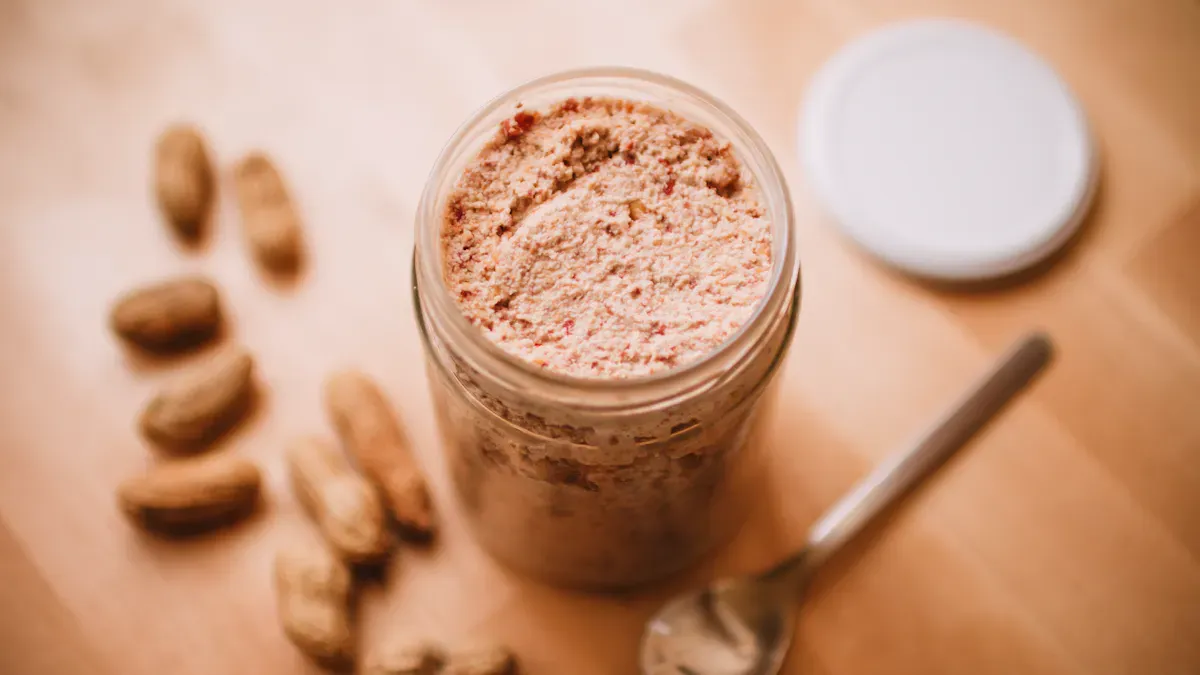
Peanut butter makes a fantastic snack that can boost your energy levels throughout the day. It’s not just tasty; it’s packed with nutrients that keep you feeling full and satisfied. Here’s how peanut butter provides sustained energy:
Protein: It helps maintain your energy levels.
Healthy Fats: These fats offer long-lasting energy.
Fiber: This keeps you feeling full and supports balanced energy release.
When you need a quick snack, peanut butter is a great choice. You can enjoy it in many ways, making it a versatile addition to your diet. Here are some fun and delicious pairings to try:
Peanut Butter and Sriracha: This spicy and creamy combo adds a kick to your dishes.
Peanut Butter and Pickles: A unique pairing that balances flavors perfectly.
Peanut Butter and Avocado: A nourishing option for breakfast or a snack.
Peanut Butter and Bacon: Enjoy a sweet and salty treat that satisfies cravings.
Peanut Butter and Chocolate: Indulge in a decadent combination that feels like dessert.
These pairings not only taste great but also enhance the nutritional value of your snacks. For instance, combining peanut butter with fruits or whole grains can support heart health, aid digestion, and help maintain a healthy weight.
So, next time you reach for a snack, consider peanut butter. It’s a delicious way to fuel your body and keep your energy up!
Antioxidant Properties
Peanut butter is more than just a tasty spread; it’s also packed with antioxidants that can help keep you healthy. These powerful compounds may play a role in disease prevention effects, reducing the risk of chronic illnesses like heart disease and cancer. Here are some key antioxidants found in peanut butter:
Coenzyme Q10: Protects your heart and may help with conditions like high altitudes.
Vitamin E: Known for its ability to repair cell damage.
Flavonoids: These compounds have been recognized for their disease-preventive properties.
Resveratrol: This polyphenol antioxidant can protect against cancers and inflammation.
Research shows that roasting peanuts can actually boost their antioxidant levels by 22%. This means that peanut butter can be as rich in antioxidants as some fruits! One of the most powerful antioxidants in peanut butter is coumaric acid, which also increases in activity when peanuts are roasted.
In addition to its antioxidant content, peanut butter has anti-inflammatory effects. A study involving 63 healthy young participants found that including peanut products in their diet improved vascular health markers. Participants who consumed peanuts showed increased levels of beneficial compounds linked to better vascular health.
Another study published in the American Journal of Clinical Nutrition found that frequent peanut intake was associated with lower blood inflammation markers. This can lead to reduced risks of cardiovascular disease and diabetes. So, by enjoying peanut butter, you’re not just treating your taste buds; you’re also supporting your body’s health!
Incorporating peanut butter into your diet can be a delicious way to boost your antioxidant intake and promote overall well-being.
Peanut butter offers a range of benefits that can enhance your diet. From supporting heart health to aiding in weight management, it’s a versatile food you can enjoy in many ways. Remember to experiment with different pairings and recipes to find what you love!
When choosing peanut butter, opt for natural varieties with just peanuts and salt. Avoid those with added sugars and unhealthy oils. Moderation is key, especially if you’re watching your weight. Enjoy this delicious spread while reaping its health benefits!
FAQ
What should I do if I have a peanut allergy?
If you have a peanut allergy, avoid all peanut products. Always read labels carefully, as peanuts can appear in unexpected foods. Consult your doctor for personalized advice and consider carrying an epinephrine auto-injector.
Can peanut butter cause allergies?
Yes, peanut butter can trigger allergies in some people. If you have a history of allergies, consult your doctor before trying it. Symptoms may include hives, swelling, or difficulty breathing.
How can I include peanut butter in my diet?
You can enjoy peanut butter in various ways! Spread it on toast, blend it into smoothies, or pair it with fruits and veggies. Get creative with recipes like peanut butter cookies or energy balls.
Is peanut butter healthy for everyone?
Peanut butter is healthy for most people when consumed in moderation. It offers protein, healthy fats, and essential nutrients. However, those with allergies should avoid it. Always choose natural varieties without added sugars or oils.
How much peanut butter should I eat daily?
A serving size of 2 tablespoons is a good guideline. This amount provides beneficial nutrients without excessive calories. Adjust based on your dietary needs and preferences.
